The USMNT Took the Right Warning From Germany Before the World Cup
The 2-1 loss in Chicago was not a collapse. It was a useful stress test for set-piece discipline, lineup trust, and the pressure waiting against Paraguay.
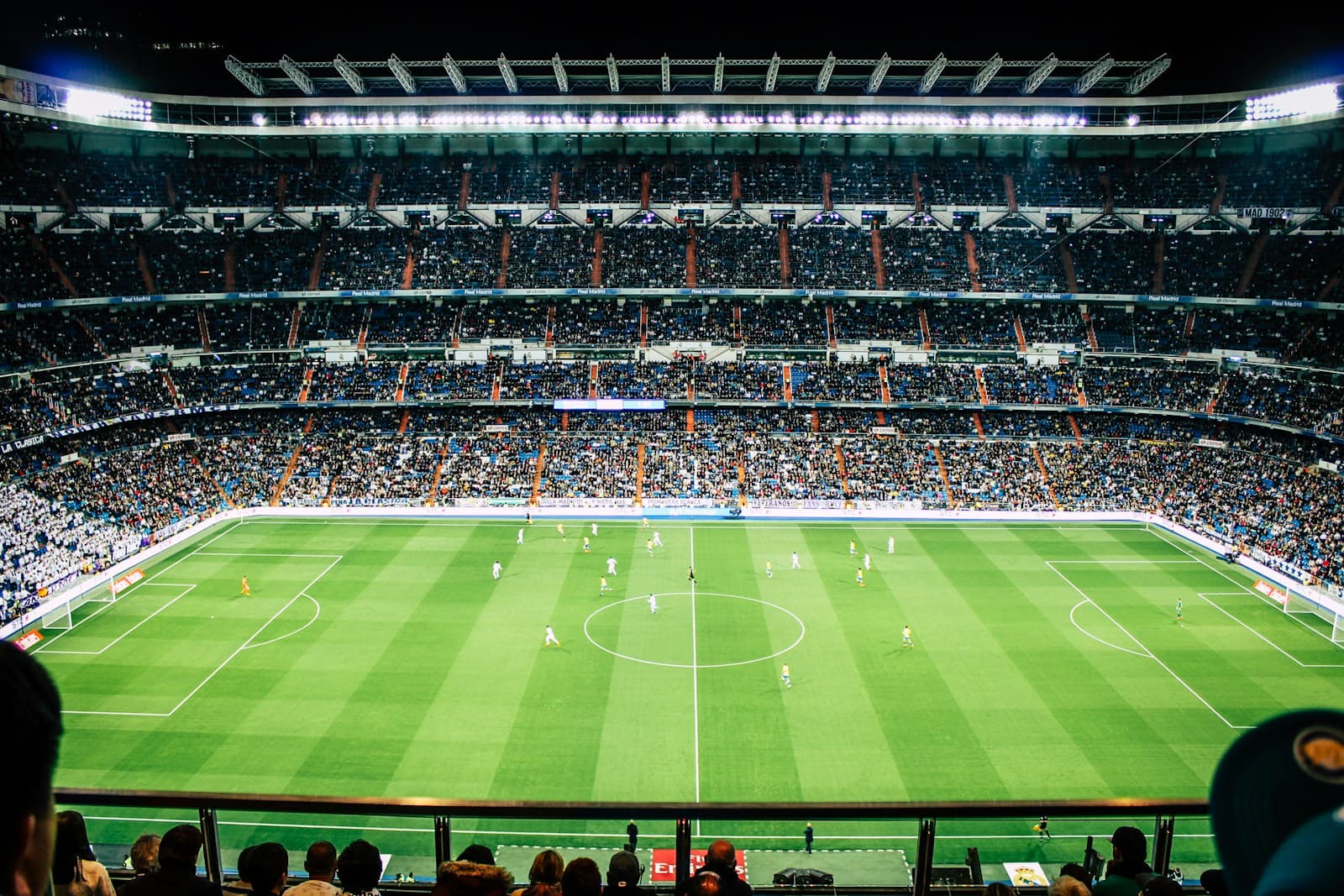
The scoreline is easy to flatten: Germany 2, United States 1. A final friendly at Soldier Field, a sold-out crowd, one thunderbolt from Antonee Robinson, and a reminder that elite teams do not need many invitations.
U.S. Soccer — Send-Off Match in Chicago HIGHLIGHTS | USMNT 1-Germany 2 | International Friendly
Official U.S. Soccer highlights from the final send-off match before the 2026 FIFA World Cup.
But five days before the United States opens its 2026 FIFA World Cup against Paraguay in Los Angeles, the sharper read is this: the U.S. did not receive a humiliation. It received a useful warning. Germany exposed the exact margins that can decide a group-stage match without making the American project look unserious.
U.S. Soccer reported that the June 6 match drew 63,636 at Soldier Field, the highest attendance for a U.S. Men’s National Team match at the venue. Germany scored through Kai Havertz in the second minute and Leroy Sane in the 57th. Robinson tied it in the 37th with the kind of strike that changes the mood of a building before anyone has time to decide what the mood should be.
That mix is why the match matters. The U.S. showed enough competitive bite to leave Chicago with evidence of belief. Germany showed enough efficiency to remind Mauricio Pochettino that belief does not defend free kicks, track runners, or rescue a careless first phase.
The first lesson arrived before the match settled
World Cup openers are often decided by the first mistake that feels too ordinary to become historic. Against Germany, that mistake arrived almost immediately. Tyler Adams committed a foul near the area, Joshua Kimmich delivered, and Havertz found the space to head Germany in front in the second minute.
There is no need to dress that up as disaster. It was one set piece in a friendly. But it was also the kind of detail that will travel with the U.S. staff into the Paraguay week: who blocks the run, who holds the line, who notices the screen, who refuses to spend the opening minutes warming emotionally into a match that has already started tactically.
The American response was the healthier part. Instead of chasing the game with panic, the U.S. worked into it. Robinson’s equalizer came from a second ball after a corner, and it turned a half that could have become nervous into one that had weight, energy, and a little swagger. For a team carrying the pressure of a home World Cup, that matters. The stadium wanted a reason to believe and the players gave it one.
- 2nd minute: Havertz punished a U.S. set-piece lapse from Kimmich’s service.
- 37th minute: Robinson answered from distance after a cleared U.S. corner.
- 57th minute: Sane restored Germany’s lead after Havertz linked play inside the box.
- June 12: The U.S. opens Group D against Paraguay at Los Angeles Stadium, according to FIFA’s schedule page.
Germany made the U.S. defend concentration, not just space
The second German goal was the better World Cup lesson because it did not come from chaos. Germany moved through a tight area, Havertz found Sane, and the winger’s low strike found enough room to beat Matt Freese. The sequence did what high-end opponents do: it made defenders choose quickly, then punished a small delay.
The German federation’s match report framed the result as a successful final World Cup rehearsal. That is exactly what it was for Germany. For the U.S., it was a mirror. The Americans were not overrun, but they were asked to defend inside the game’s thinnest margins.
That is the tension that matters most: not whether the U.S. looked brave, but whether brave is enough when the opponent can turn one short pass and one half-step into the match winner. The World Cup will not grade the U.S. on vibes. It will grade the U.S. on how often pressure becomes clean defending, how quickly rest defense forms behind attacks, and how calmly the back line handles the first mistake after the first mistake.
| Match signal | What it showed | World Cup implication |
|---|---|---|
| Early free-kick goal conceded | Germany found a runner before the U.S. settled into the match. | Set-piece assignments need to be ruthless from the opening whistle. |
| Robinson’s equalizer | The U.S. had enough nerve and technique to answer a top opponent. | The team can survive an early setback if it keeps possession and pressure connected. |
| Sane’s winner | Germany punished one defensive delay in a crowded channel. | Paraguay will study those moments, even if it attacks in a different rhythm. |
| Freese played the full match | The goalkeeper picture gained one more data point before the opener. | Continuity in goal now matters as much as a last-minute debate. |
The lineup question is really a trust question
Pochettino made five changes from the 3-2 win over Senegal, according to U.S. Soccer’s lineup notes. Matt Freese started in goal; Miles Robinson, Weston McKennie, Malik Tillman, and Folarin Balogun also came in. Chris Richards did not dress, which made the center-back pairing more than a tactical choice. It became a stress test.
The U.S. did not look like a team searching for its identity. It looked like a team still deciding which compromises it can live with. Balogun gives the attack a different shape, but service must arrive earlier and cleaner. Christian Pulisic remains the face of danger, but Germany narrowed his windows. Adams and McKennie bring force, but force has to be paired with control in the first pass after a regain.
That is not a criticism of the roster as much as a description of the job. At a home World Cup, a coach can become trapped between the lineup that feels safest and the lineup that gives the tournament room to open. The Germany match gave Pochettino evidence for both instincts. The U.S. competed. The U.S. also conceded two goals that will be clipped, paused, and replayed by every analyst preparing for Group D.
Chicago gave the team pressure before the pressure
The crowd matters because the 2026 tournament will not feel like a neutral stage for the United States. It will feel loud, expensive, patriotic, impatient, and occasionally unforgiving. Soldier Field gave the players a rehearsal for that environment, even though Chicago is not a 2026 World Cup host city.
The Associated Press, in a report carried by FOX Sports, noted that Germany moved into the World Cup on a nine-game winning streak. That context matters. This was not a soft send-off arranged for applause. It was a heavyweight test placed close enough to the tournament to be uncomfortable.
That discomfort was the point. A home team that wants to do something serious cannot only collect confidence from manageable friendlies. It has to feel what happens when an opponent scores after two minutes, when a second-half phase slips away, when the crowd has to decide whether to stay anxious or become useful.
What should travel to Los Angeles
The U.S. does not need to overreact to a friendly loss. It does need to take the parts that were not friendly seriously. Paraguay will not be Germany, but the opener will carry its own traps: emotion, impatience, transition risk, and the strange burden of trying to start a national summer without tightening up.
Three things should travel from Chicago to Los Angeles. First, the U.S. has enough quality to answer a punch. Robinson’s goal was spectacular, but the response around it was more important than the strike itself. Second, the defensive details are not optional. A home World Cup can lift a team, but it cannot mark Havertz or close Sane. Third, Pochettino has to turn competition for places into clarity quickly. The tournament has no patience for permanent auditions.
The useful kind of warning is the one that arrives early enough to change behavior. Germany gave the U.S. that warning on June 6. By June 12, the only question that matters is whether the Americans listened.
For further reporting on this subject, see our USMNT coverage.
Read Next
Related Stories

WNBA Finals Game 2: Atlanta Wins 79-65 With a 14-Point Free-Throw Edge
Atlanta and Golden State scored 49 points each from field goals. Our Game 2 breakdown shows how free throws produced the 79-65 margin, plus revised Game 3 times.
FIFA Drops $20 Billion World Cup Equity Plan as UEFA Withdraws Confidence in Infantino
FIFA withdrew its $20 billion World Cup equity plan after opposition across three confederations. UEFA's no-confidence statement now shifts the dispute to Infantino's 2027 election.

Nirmal Purja Dies in Broad Peak Avalanche: His Verified Climbing Records
Elite Exped has confirmed that Nirmal Purja died after the Broad Peak avalanche. Here is the verified rescue timeline and the record evidence behind his climbing legacy.