Lauren Whitaker is the Health editor, covering medicine, public health, mental health, nutrition, health technology, hospitals, insurance, research, and everyday wellbeing. She specializes in separating evidence-based guidance from wellness noise, reading studies carefully, and explaining what medical findings do and do not prove. Her coverage centers patients, clinicians, caregivers, and communities, with a steady focus on access, prevention, safety, and the real-life tradeoffs behind health decisions.
Coverage focus
Health
Editorial standard
Articles are reviewed for sourcing, context, public relevance, and clear separation between verified facts and analysis.
Early CDC testing finds encouraging recognition of sampled flu viruses. The denominators explain why those results cannot tell you a vaccine's real-world protection rate.
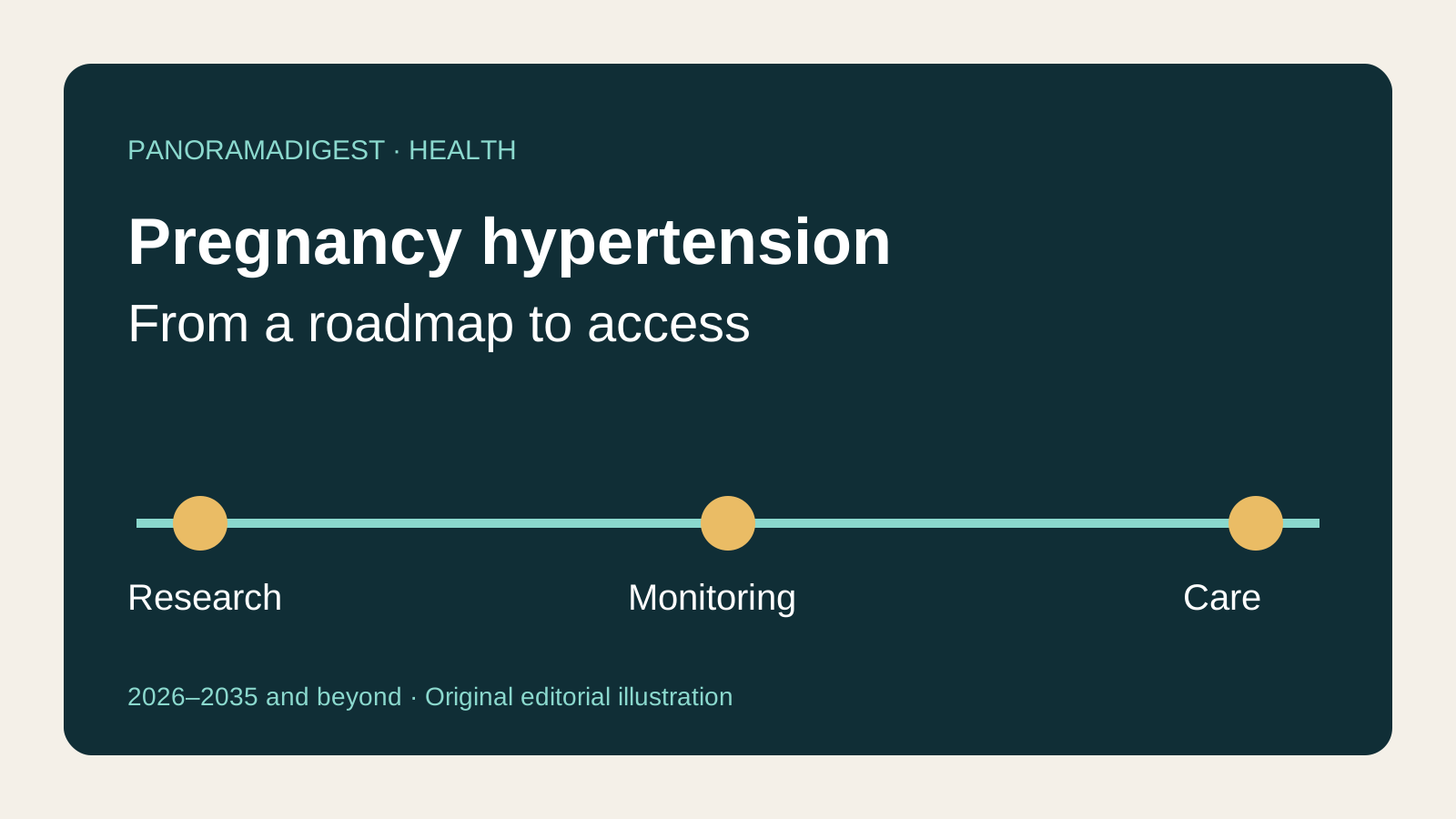
WHO’s October 8 roadmap connects pregnancy-hypertension research, clinical standards and access to care. Here is what its figures and five priorities actually measure.
A UK Biobank natural experiment linked sugar rationing during the first 1,000 days to lower later-life risks of dementia, Alzheimer's disease, depression and anxiety, but it does not prove causation.
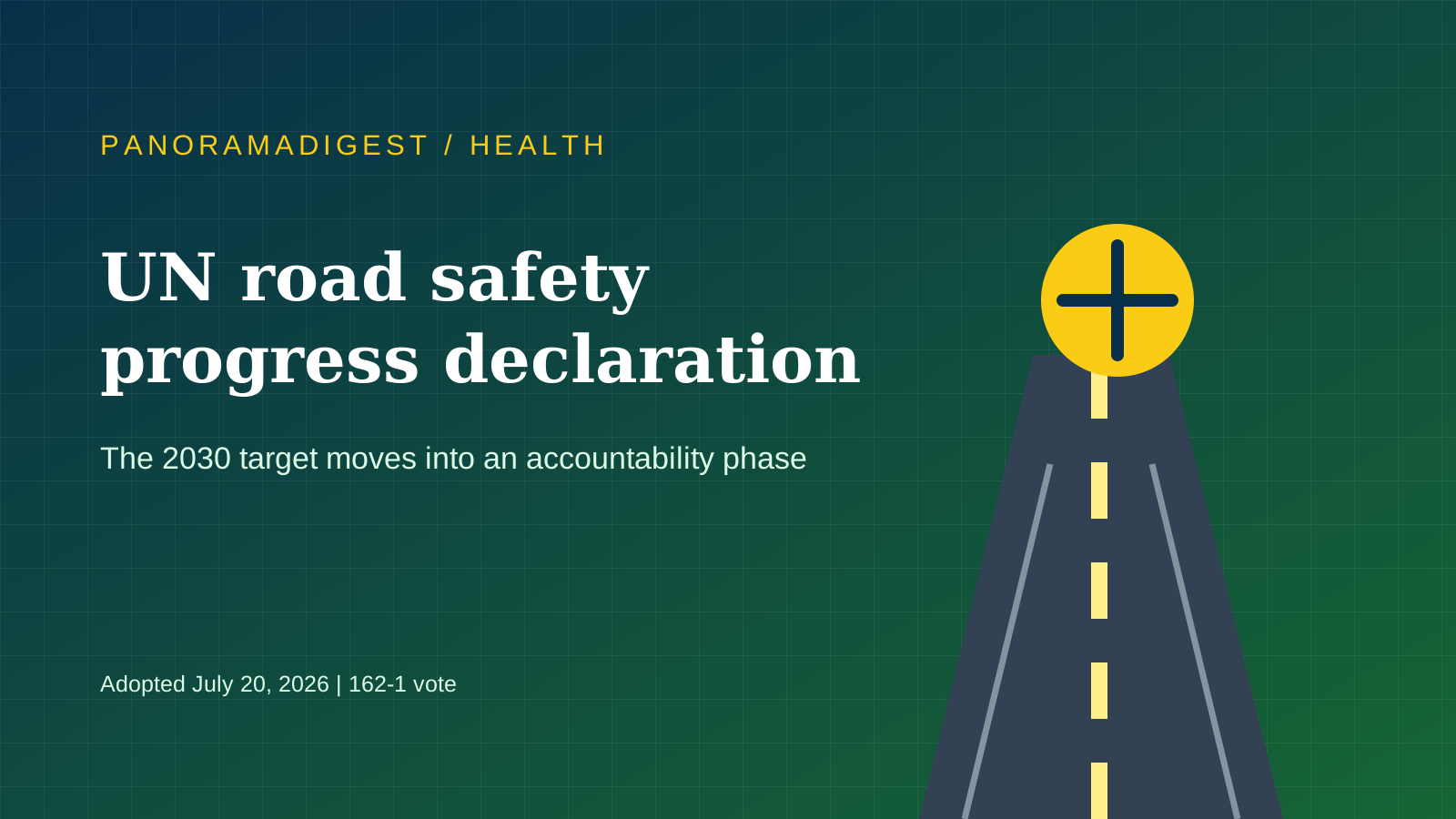
The UN General Assembly adopted a 2026 road safety progress declaration by 162 votes to 1, linking the 2030 goal to national targets, budgets, data and safer systems.
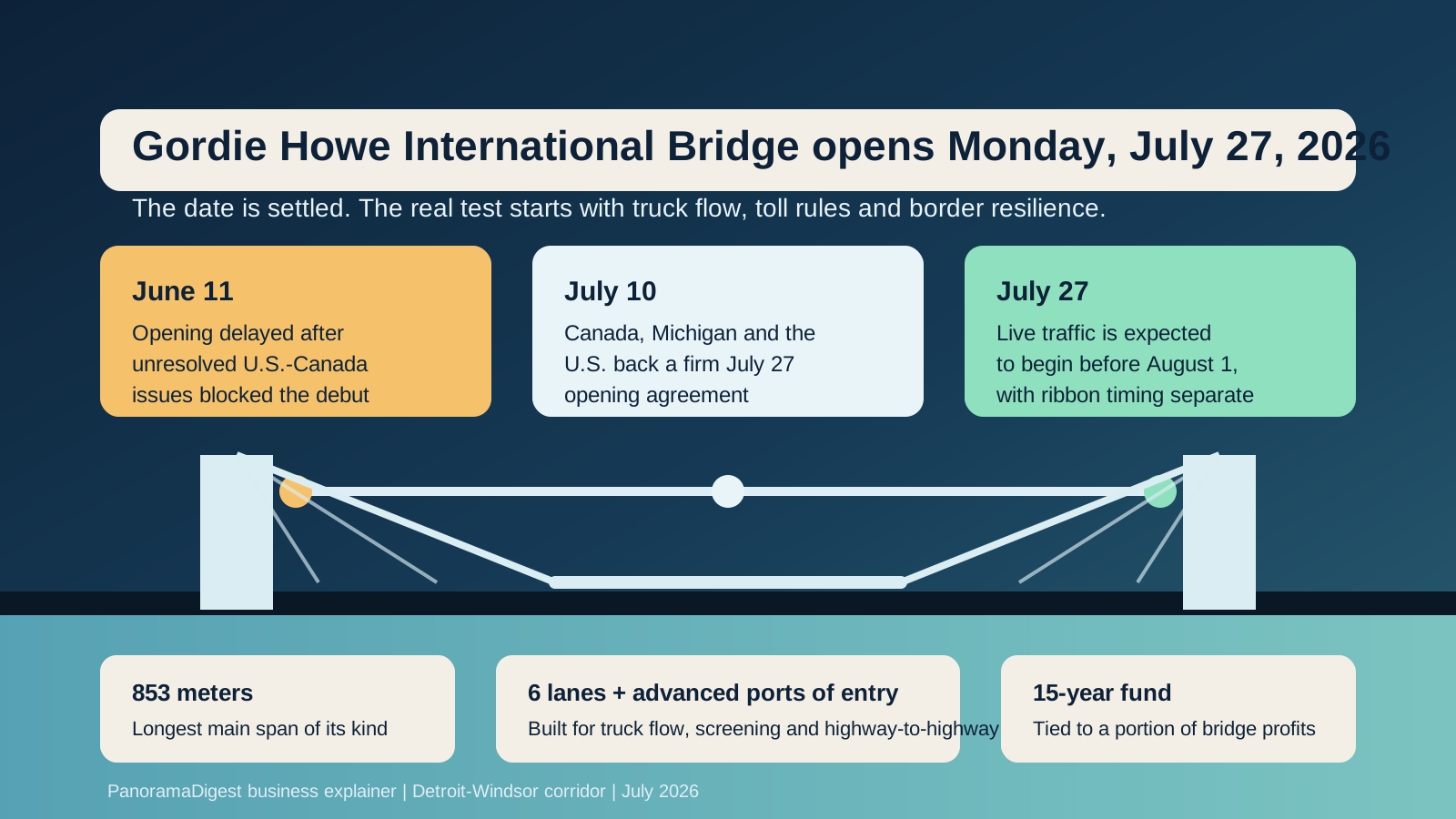
Canada, Michigan and the U.S. government now back a July 27 opening for the Gordie Howe International Bridge. The practical question is no longer whether the span is built. It is how quickly the Detroit-Windsor corridor turns a delayed megaproject into real truck flow, toll governance and supply-chain redundancy.
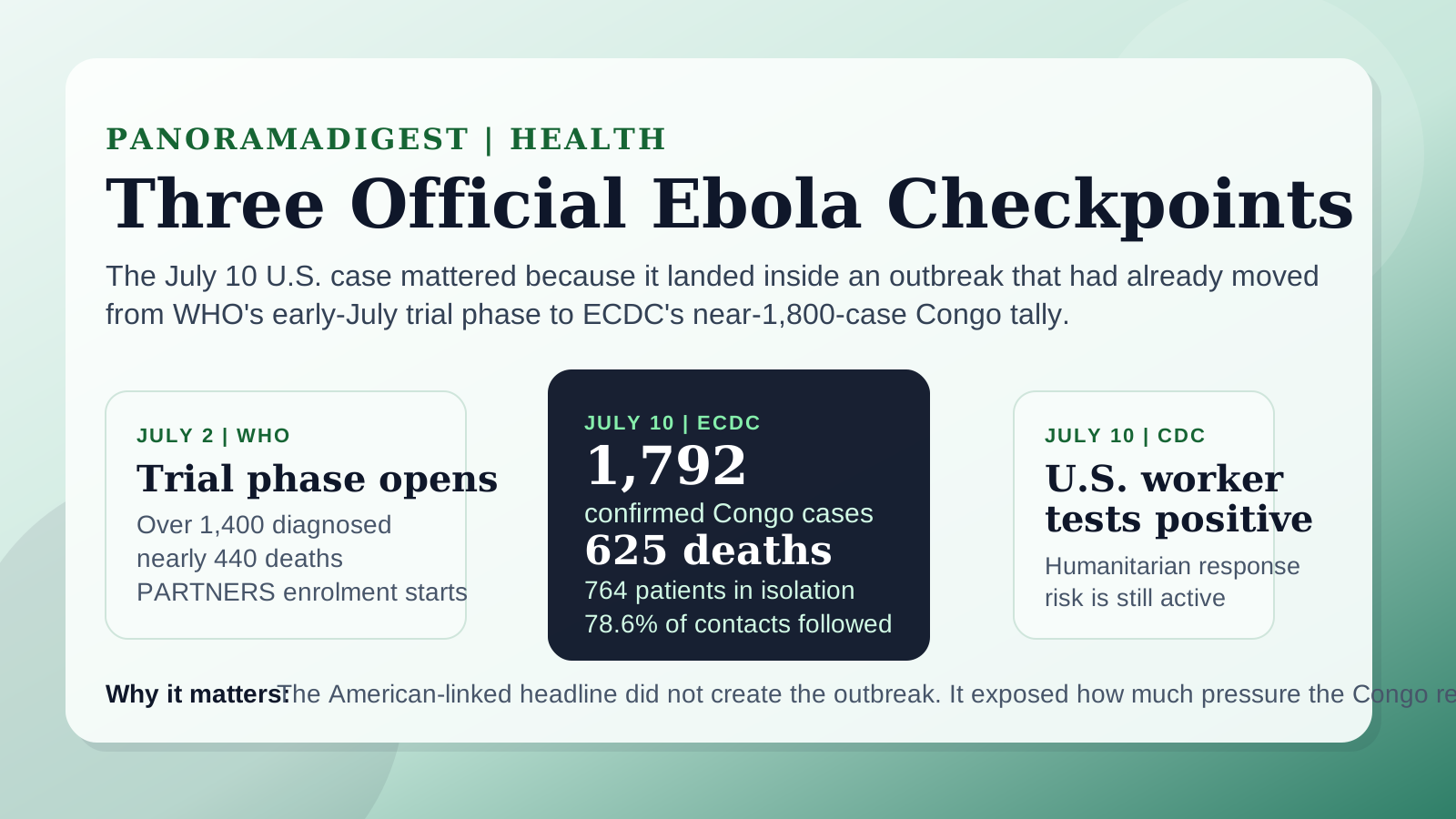
CDC said on July 10 that a U.S. humanitarian worker in Congo tested positive for Bundibugyo Ebola. The more important signal is that official European and WHO updates show an outbreak still widening across eastern Congo even as Uganda's case line stays flat.
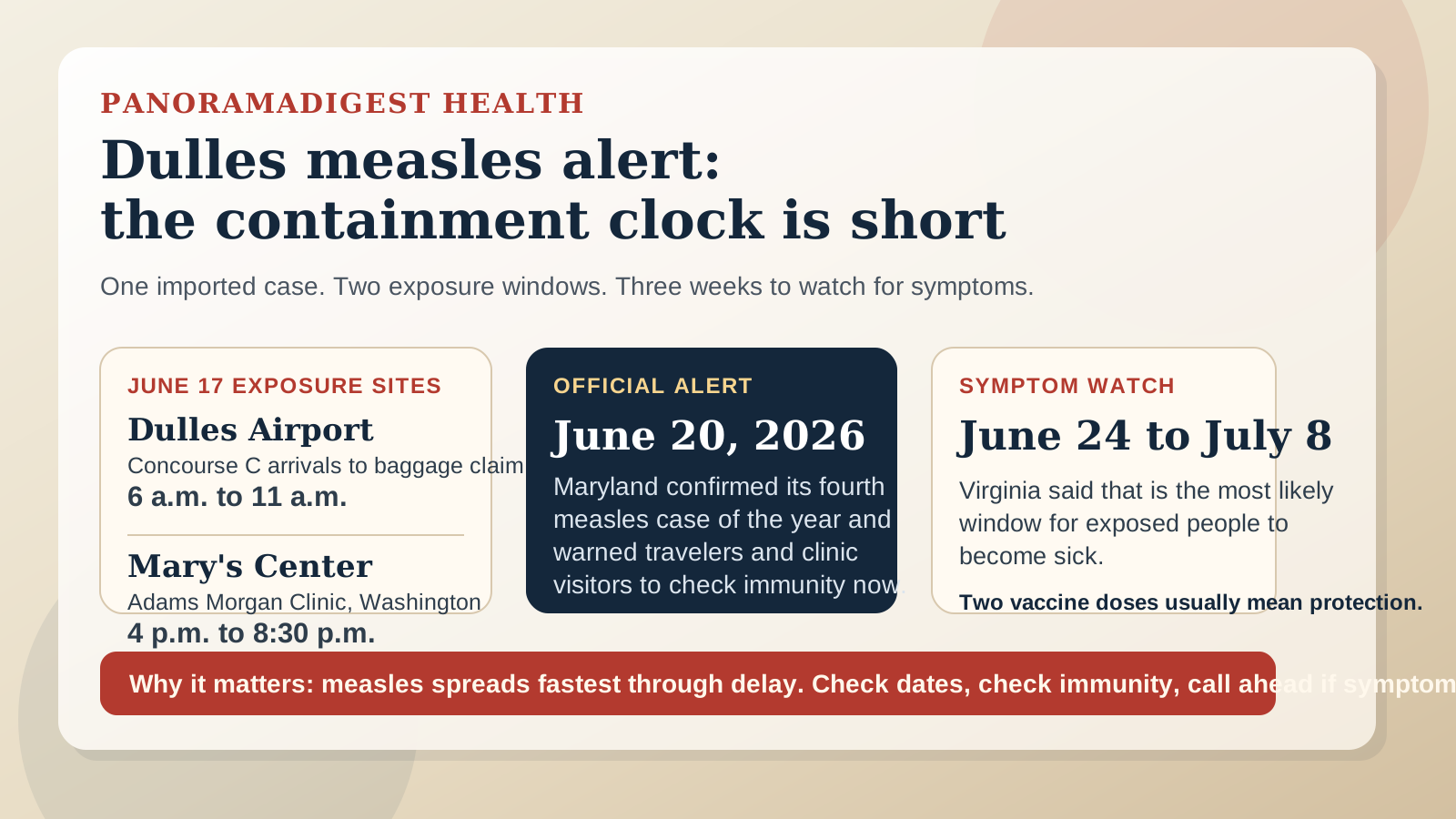
Maryland's June 20 measles alert turned one internationally linked case into a three-jurisdiction contact-tracing problem across Dulles and Washington. The reassuring headline is that risk remains low for vaccinated people; the harder question is whether the region can move faster than a virus that exploits every missed immunity check.
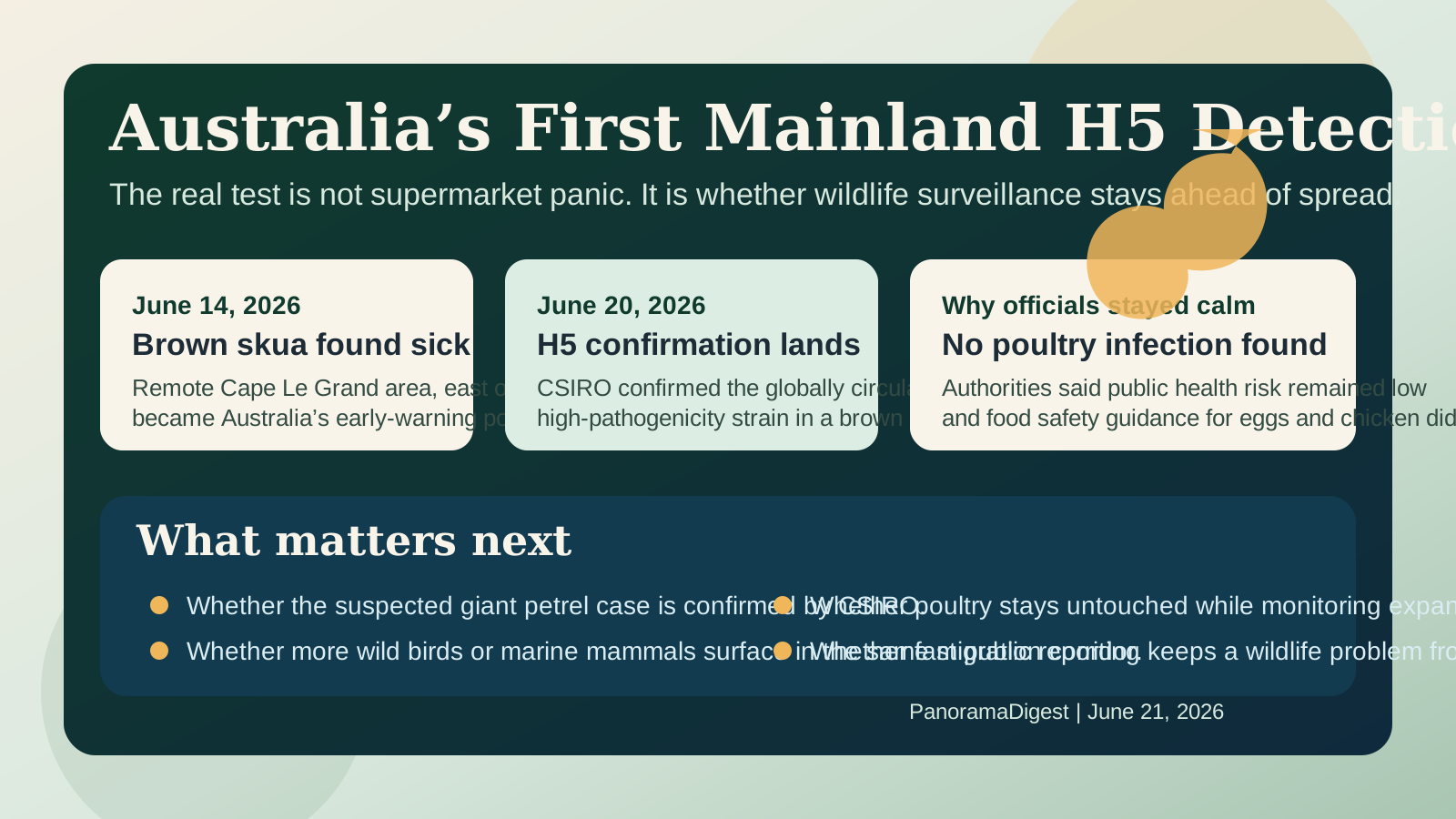
Australia confirmed its first mainland detection of the globally circulating H5 bird flu strain on Friday, June 20, 2026, in a brown skua found near Esperance. The immediate public-health risk remains low, but the harder test is whether wildlife surveillance can stay ahead of spread before poultry or broader ecosystems are hit.
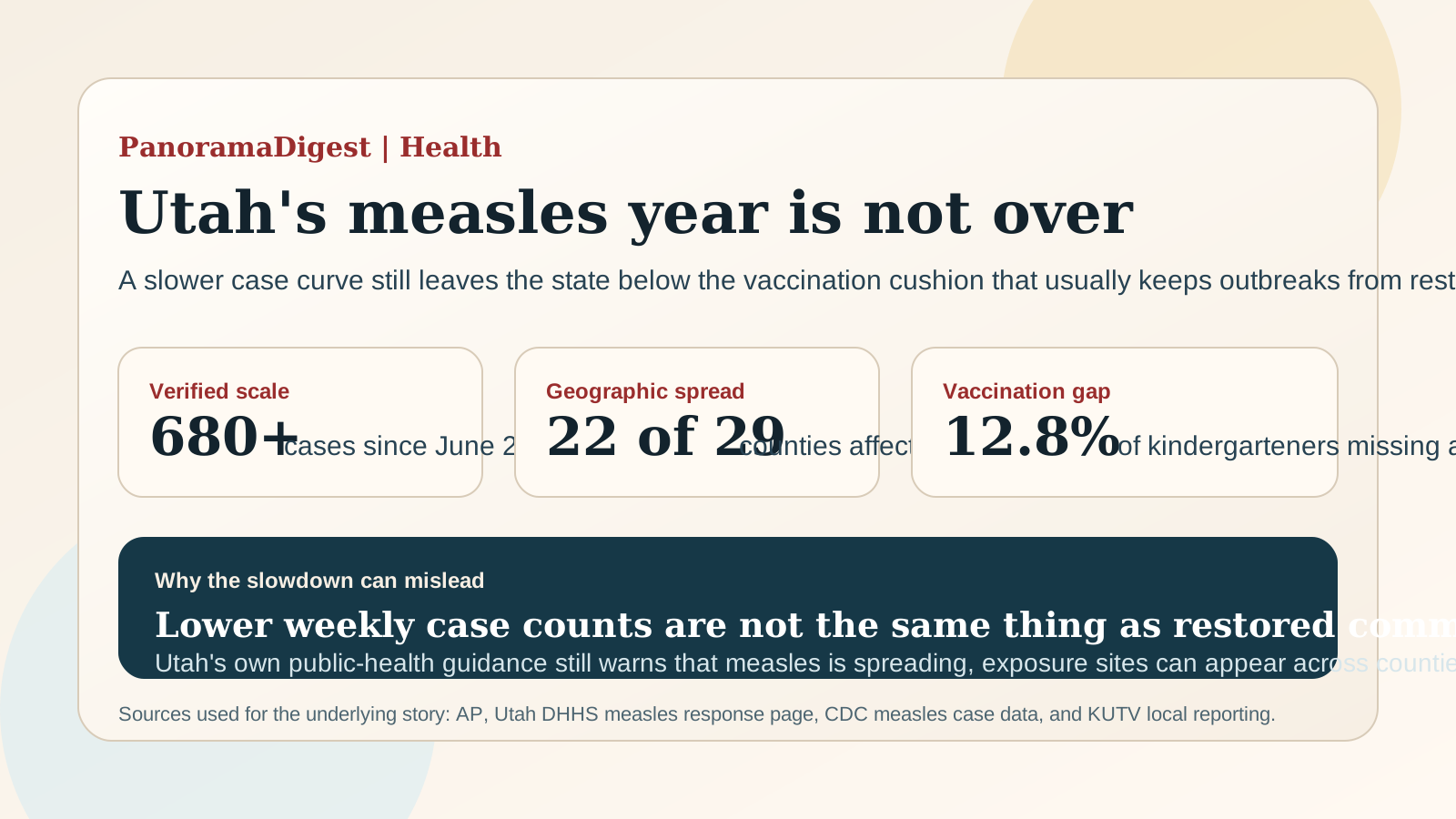
Utah's measles outbreak has crossed the one-year mark with more than 680 cases. The immediate curve has cooled, but the deeper warning is that a slower outbreak is not the same thing as restored protection.
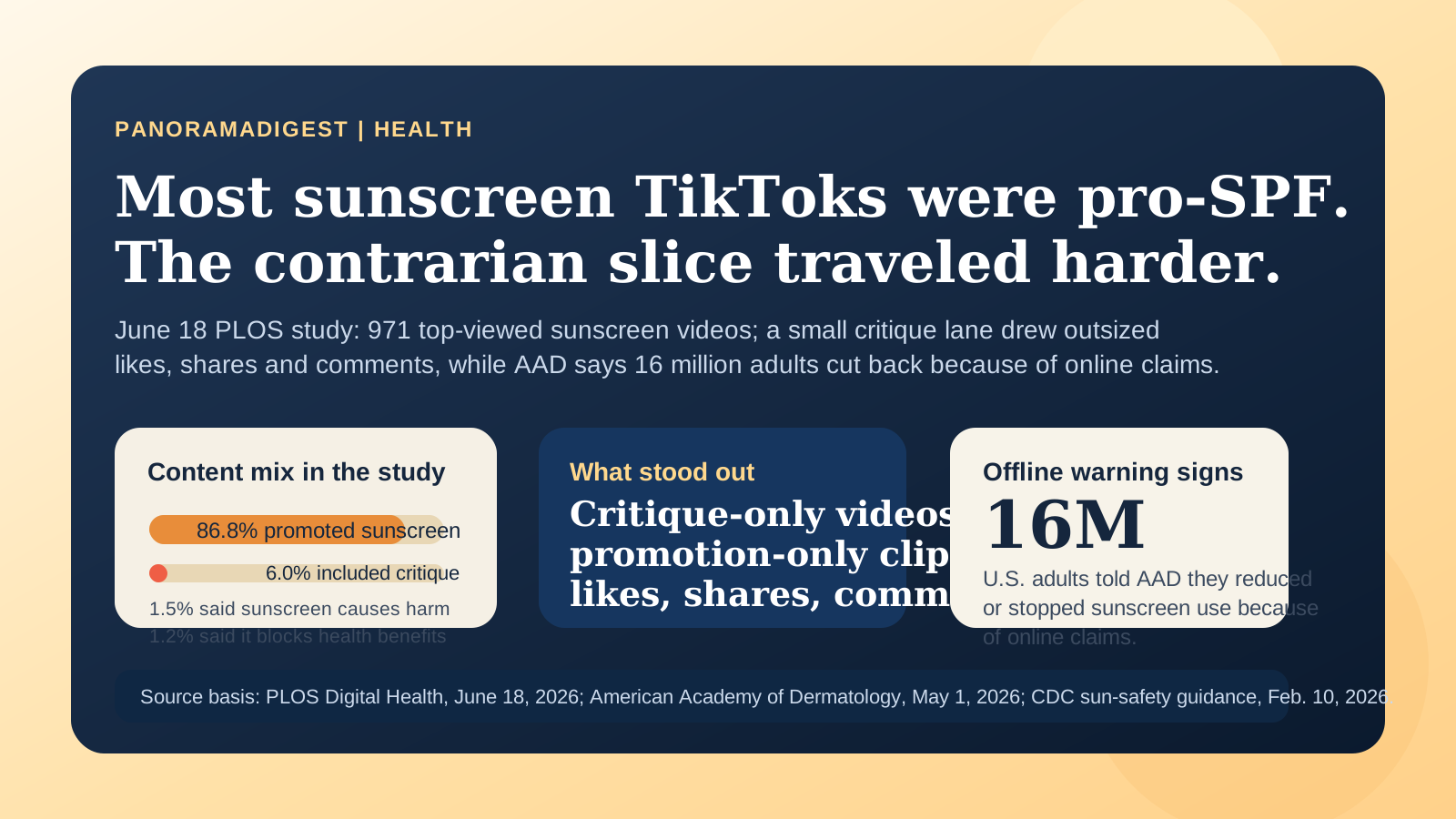
A new June 18, 2026 PLOS Digital Health study found that most sunscreen TikToks still promote protection. The problem is that the smaller contrarian slice punches above its weight in likes, shares and comments.
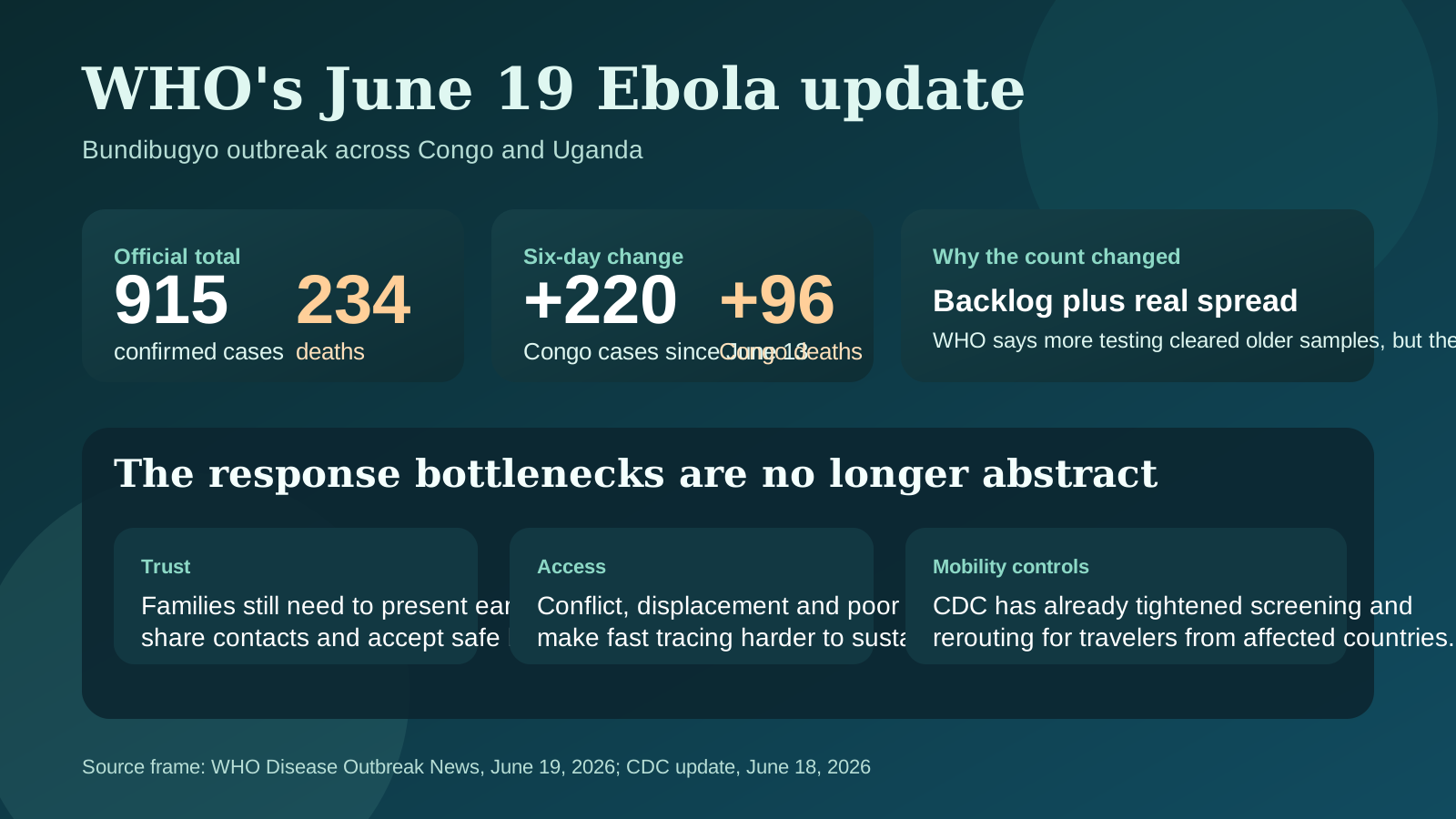
WHO's June 19, 2026 update pushed the Bundibugyo Ebola outbreak to 915 confirmed cases across Congo and Uganda. The harder story is that tracing, trust and travel controls are now doing the work a vaccine still cannot.
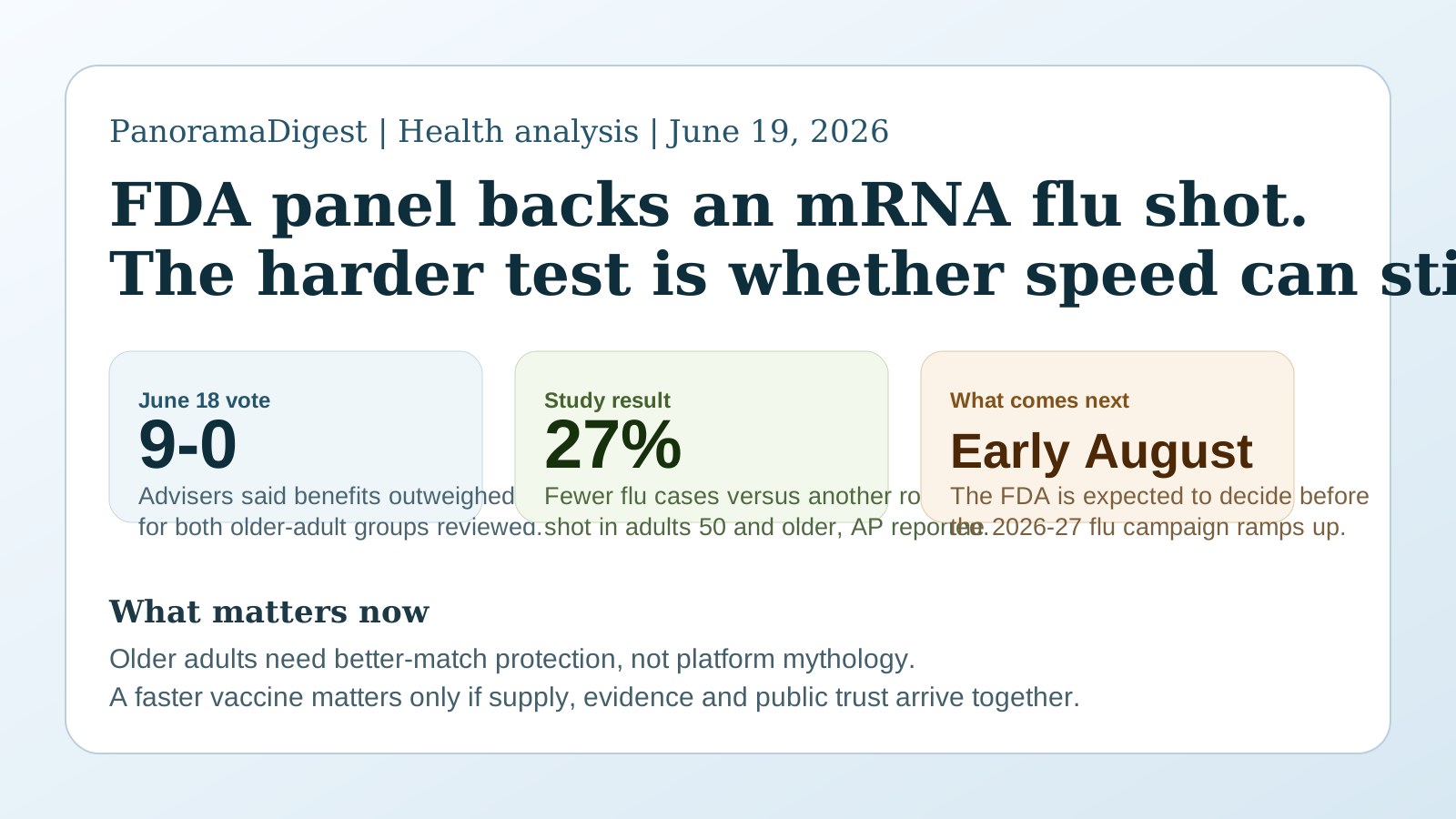
Federal advisers unanimously backed Moderna's mFlusiva on June 18, 2026, but the larger health story is whether faster flu-vaccine manufacturing can matter before trust gaps and late-season mismatch do the talking for everyone else.
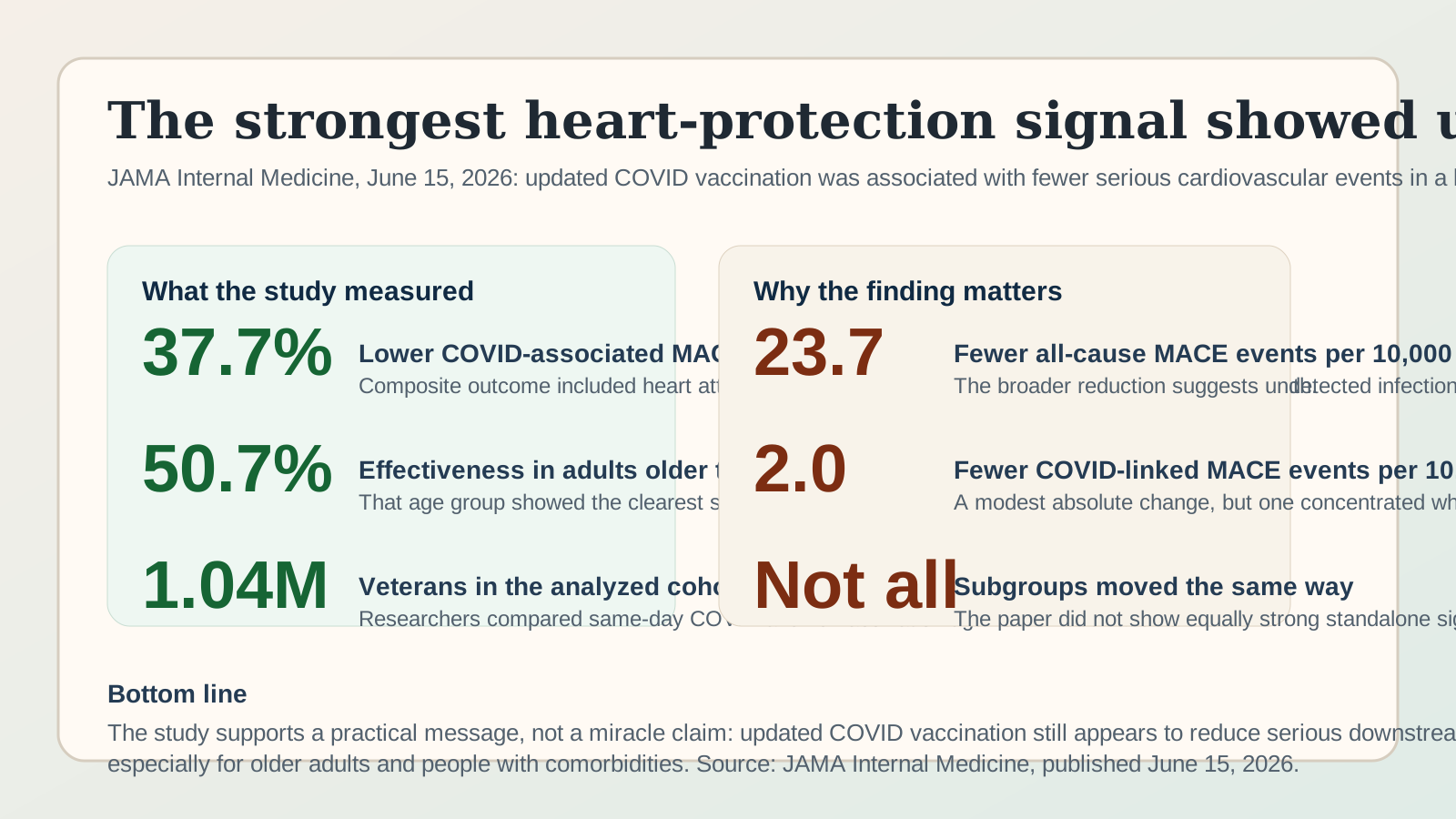
A large U.S. veterans study linked the 2024-2025 COVID vaccine to fewer serious heart events, but the clearest benefit showed up where clinicians would expect it most: older adults and people already carrying more medical risk.
The new Africa CDC-WHO response plan matters not because it makes the outbreak sound bigger, but because it admits the fight has become a race over staffing, trust, border controls and clinical capacity.
The new WHO burden estimates gave World Food Safety Day a sharper edge on June 7, 2026: unsafe food is not a hygiene slogan but a public-health systems problem measured in illness, trust, and policy follow-through.
U.S. measles cases surpassing 2,000 again is not just a count. It is a warning that immunity gaps are turning a preventable disease into a recurring outbreak pattern.
As Ebola spreads in Congo, local radio efforts against misinformation highlight a truth health systems relearn in every outbreak: treatment capacity matters, but trust determines whether people arrive in time.
CDC concluded its U.S. response after 42-day monitoring ended without disease among monitored contacts. A dated guide explains the earlier risk assessment and its limits.