NASA Astronaut Chris Williams Returns From ISS After 241-Day Soyuz Mission
NASA says astronaut Chris Williams and two Roscosmos crewmates landed safely in Kazakhstan after 241 days aboard the International Space Station. The return closes Expedition 74 and begins the next crew rotation.
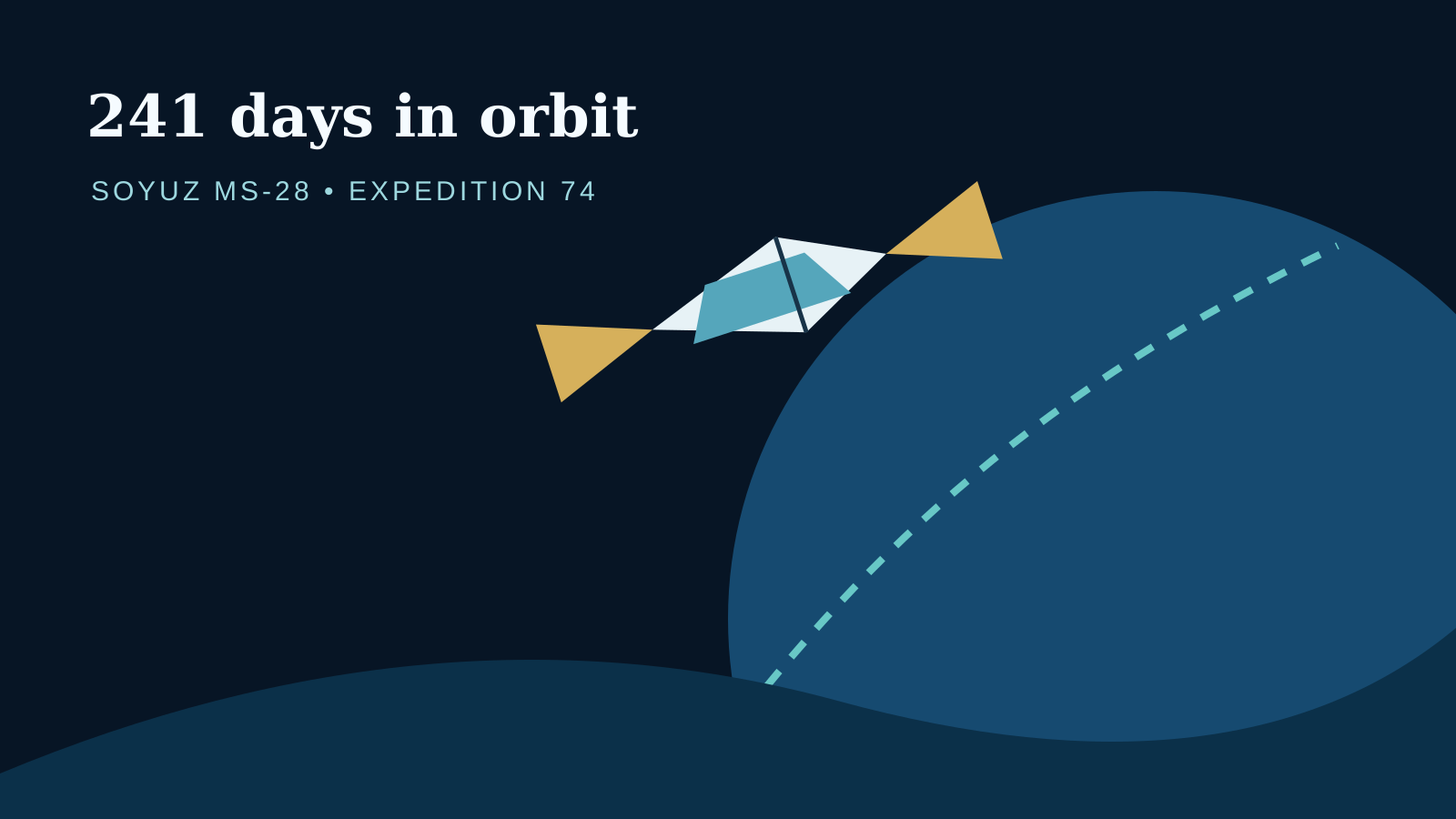
Short answer: NASA astronaut Chris Williams and Roscosmos cosmonauts Sergey Kud-Sverchkov and Sergei Mikaev landed safely in Kazakhstan on July 26, 2026, after spending 241 days aboard the International Space Station. Their Soyuz MS-28 return closed out Expedition 74 and left the station's next crew rotation under Expedition 75.
NASA — NASA Astronaut Chris Williams Soyuz MS-28 Re-entry and Landing
Official NASA coverage of the Soyuz MS-28 return, with a visible Watch on YouTube fallback.
NASA said the spacecraft made a parachute-assisted landing southeast of Zhezkazgan at 5:27 a.m. Eastern time. The crew's return was confirmed by NASA's landing release and space-station updates; Associated Press reporting provides a secondary chronology and recovery-location cross-check.
What happened during the return
The Soyuz MS-28 crew undocked from the ISS on July 26 after the departing astronauts completed handover work with the incoming Expedition 75 crew. NASA's mission updates described the return sequence as undocking, a deorbit burn, atmospheric re-entry and parachute-assisted landing on the Kazakh steppe.
Williams was completing his first space mission. Kud-Sverchkov and Mikaev also completed the 241-day flight aboard the same spacecraft. NASA's official account says the trio orbited Earth 3,856 times and traveled more than 102 million miles, or about 164 million kilometers, during the mission.
Why the crew rotation matters
A crew landing is also an operational handover. NASA's incoming station crew arrived on July 14, and the Expedition 75 phase began after MS-28 undocked. That overlap lets the departing crew transfer procedures, experiment status and station-maintenance information before leaving the orbiting laboratory.
The arrangement shows why the ISS can function as a continuous research platform even when individual missions end. The station's science programme, maintenance work and emergency procedures depend on crews arriving before the previous crew departs, not on a single mission operating in isolation.
PanoramaDigest previously examined the commercial-return question around SpaceX's Starfall re-entry capsule. Our Ariane 6 and Amazon Leo analysis provides another perspective on how launch and orbital infrastructure are being expanded. Readers can continue through the PanoramaDigest topics hub for related space and science coverage.
What happens next
After landing, the crew was transferred for medical checks and recovery operations. NASA said Williams would return to the Johnson Space Center in Houston, while the Roscosmos astronauts would travel to their training base near Moscow.
The next station phase continues with Expedition 75's crew. The immediate operational priority is routine station science and maintenance, while mission teams on Earth review the completed 241-day flight and the data collected during the crew's time in orbit.
Source transparency
The primary source is NASA's July 26 landing release, supplemented by NASA's undocking update and return report. AP is used only as a secondary chronology check. Mission statistics and crew-status claims are attributed to NASA.
Read Next
Related Stories
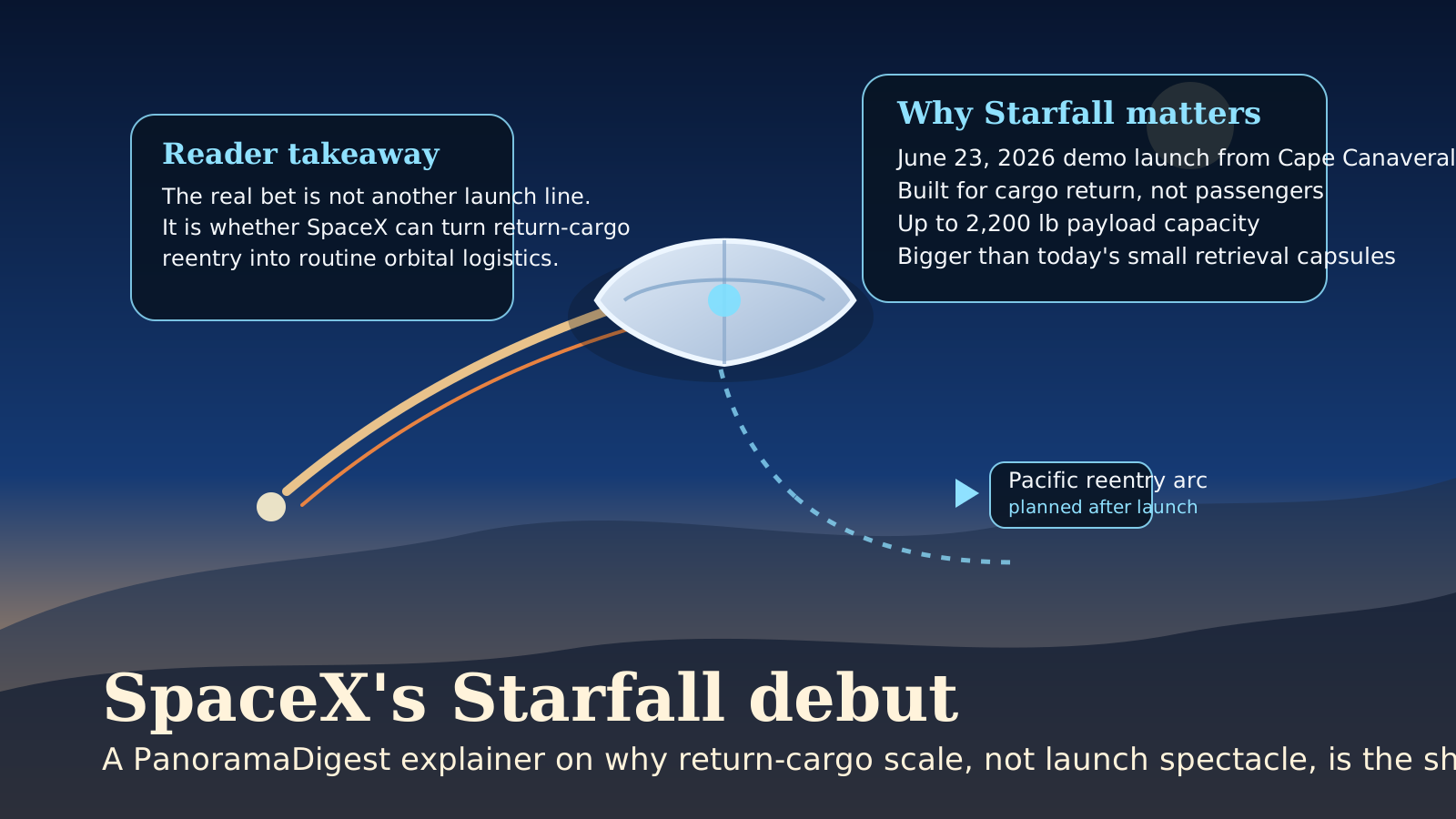
SpaceX's Starfall Debut Is Really a Bet on Return Cargo, Not Launch Theater
SpaceX launched its first Starfall demo mission on June 23, 2026. The sharper story is not the sunrise liftoff itself, but whether a much larger return capsule can make orbital manufacturing, research retrieval and reentry logistics feel routine instead of exotic.
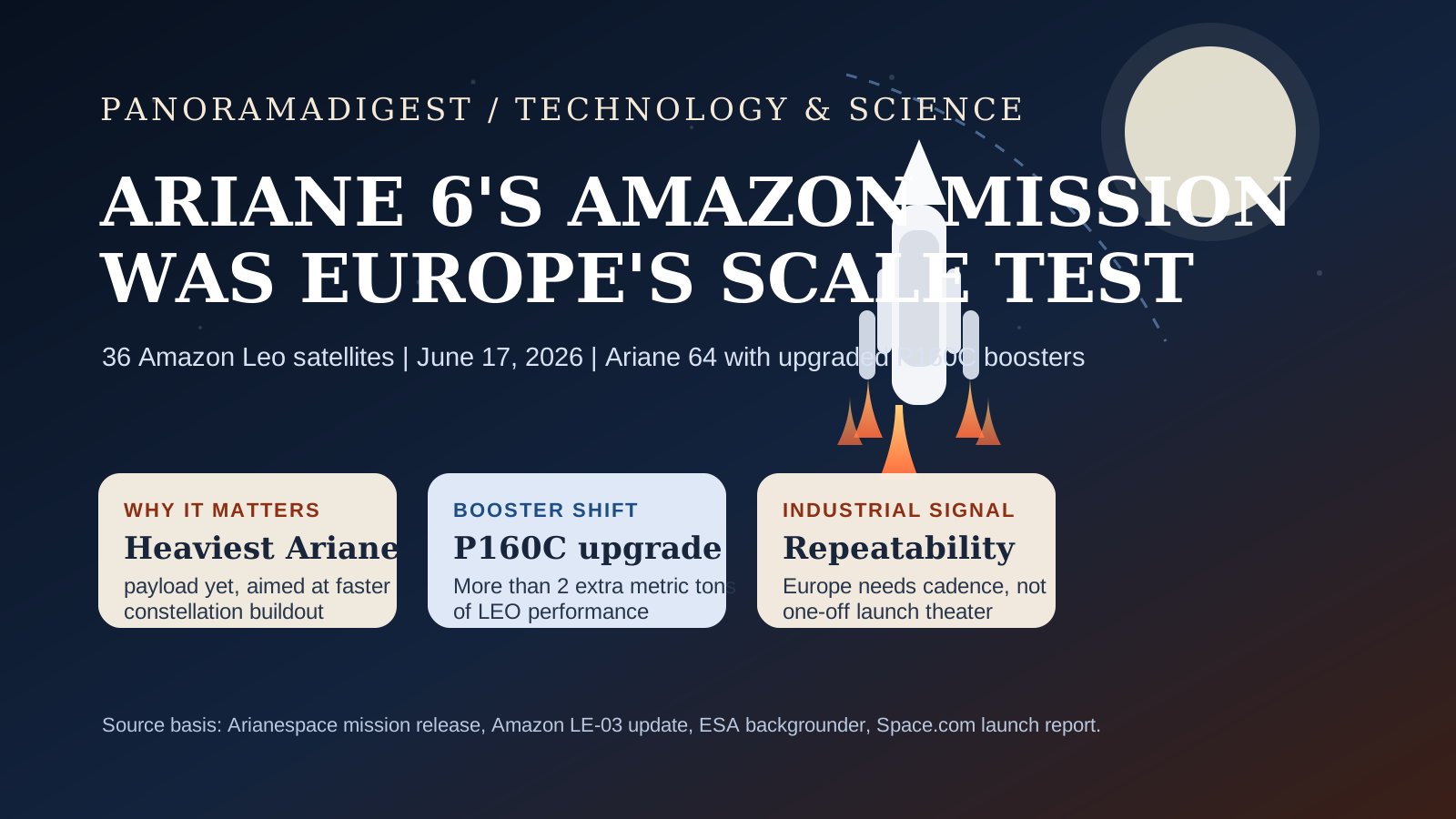
Ariane 6 Amazon Launch: Satellite Deployment and Europe’s Launch Capacity
Ariane 6 lifted 36 Amazon Leo satellites on June 17, 2026 in its heaviest mission yet. The sharper technology story is not only Amazon's constellation race, but whether Europe can turn a successful launcher into a repeatable industrial system.
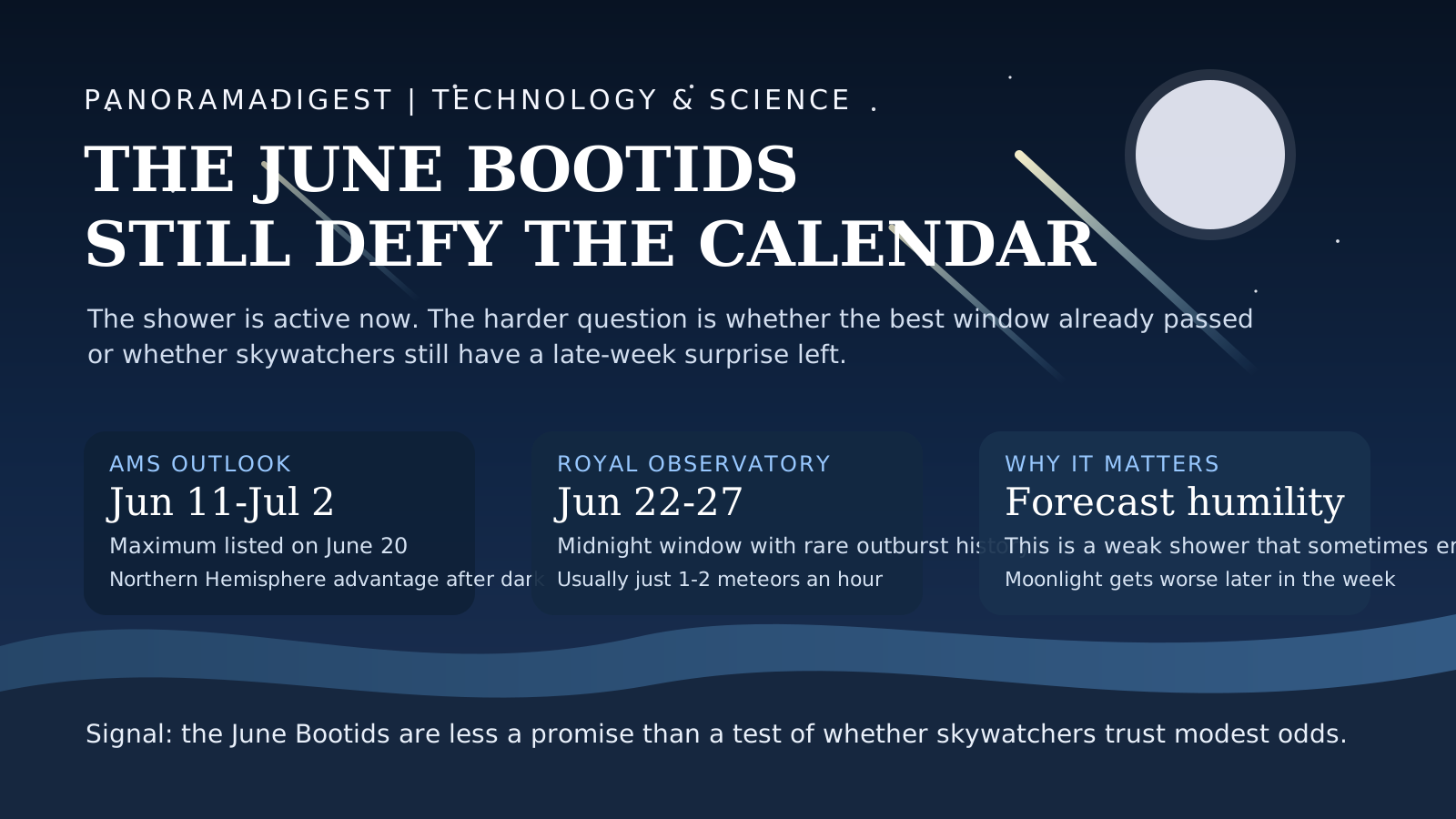
The June Bootids Are Active Now. The Real Story Is How Badly We Still Forecast Surprise Skies.
The June Bootids are not the kind of meteor shower that rewards hype. What makes this week's window interesting is that reputable skywatching calendars still disagree on whether the best viewing has already passed or may yet surprise observers later in the week.