Ariane 6's Record Amazon Launch Was Really a Test of Whether Europe Can Scale Space Again
Ariane 6 lifted 36 Amazon Leo satellites on June 17, 2026 in its heaviest mission yet. The sharper technology story is not only Amazon's constellation race, but whether Europe can turn a successful launcher into a repeatable industrial system.
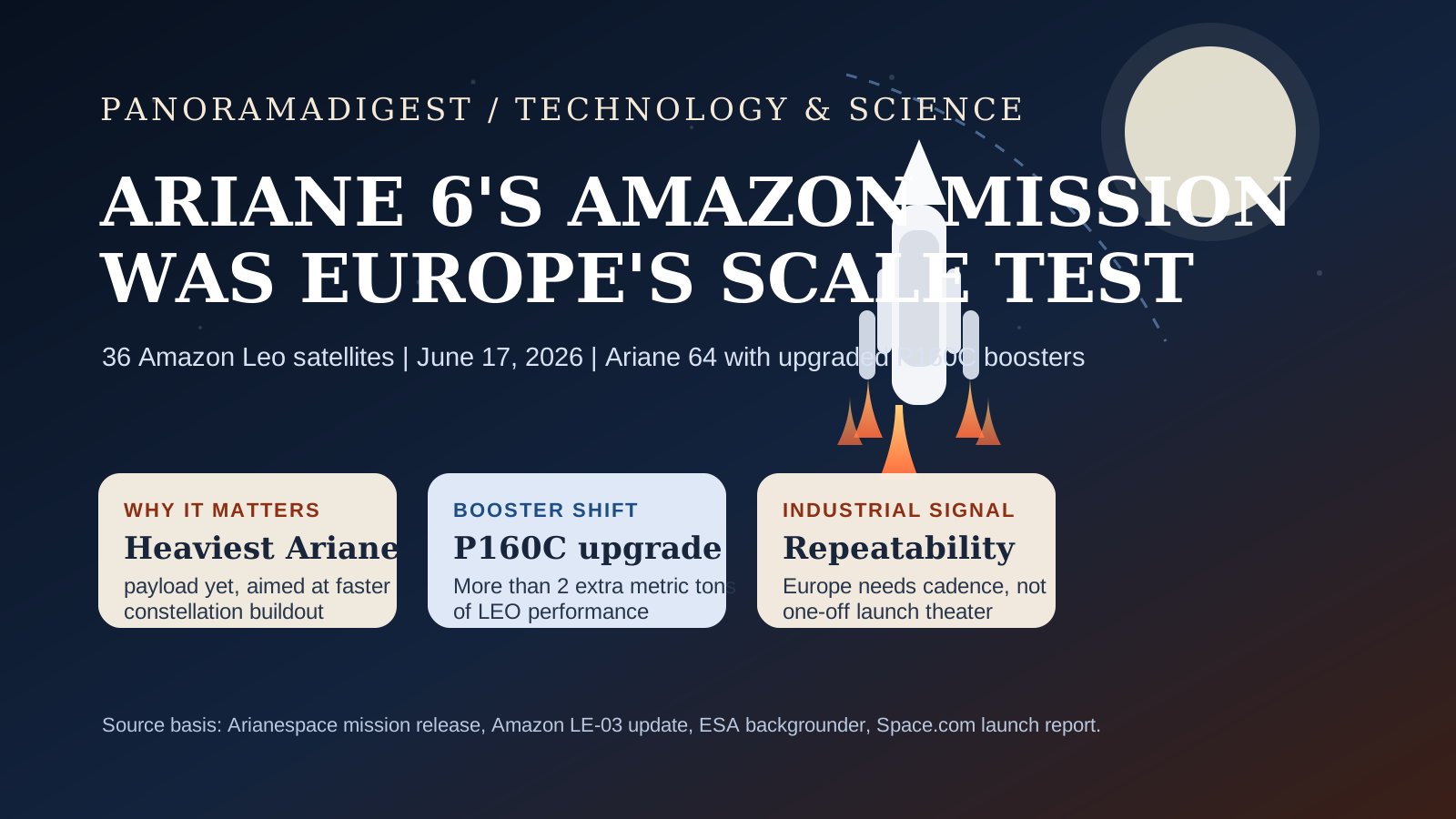
Europe's latest Ariane 6 launch on Wednesday, June 17, was easy to frame as another satellite-constellation milestone. A rocket rose from Kourou, French Guiana, carrying 36 Amazon Leo broadband satellites in what Arianespace had billed as the heaviest payload ever launched by an Ariane vehicle. That is true. It is also the less interesting part of the story.
European Space Agency — Launch of the first Ariane 6 with its most powerful boosters
ESA's official video shows the June 17 Ariane 6 launch carrying 36 Amazon Leo satellites. Use the direct YouTube link if the player does not render in your browser.
The more revealing technology signal is industrial. A continent that has spent years talking about strategic autonomy in space now has to prove it can do something less glamorous and much harder: launch heavy commercial payloads on schedule, in volume, and without treating each success as a one-off national celebration. Wednesday's mission mattered because it pushed Ariane 6 beyond symbolism and closer to routine capacity.
Arianespace said before launch that the VA269 mission would use the Ariane 64 configuration with upgraded P160C solid boosters and carry 36 Amazon Leo satellites, more than the two previous Ariane 6 missions for Amazon. Amazon's own mission update described the flight as its largest Arianespace launch yet and said the new booster configuration adds more than two metric tons of low-Earth-orbit performance. Space.com reported after liftoff that the rocket launched successfully from Europe's Spaceport with the record-breaking load aboard.
Why four extra satellites matter more than they sound
Moving from 32 Amazon Leo satellites on earlier Ariane 6 flights to 36 on this one does not look dramatic at first glance. In launch economics, it is a meaningful shift. Every extra satellite that can be lifted on the same mission changes the cadence math for a customer trying to build a global network before a dominant rival gets even further ahead.
Amazon is not chasing an abstract target here. Its Leo network is trying to catch up in a market that SpaceX's Starlink already occupies at enormous scale. That means launch providers are not being judged only on whether they can reach orbit. They are being judged on whether they can help compress deployment timelines, preserve schedule confidence, and make each mission carry enough payload to matter strategically.
The upgraded P160C boosters are part of that argument. Amazon said the change gives Ariane 6 more than two metric tons of additional low-Earth-orbit performance. That extra margin is what turned this mission into a 36-satellite launch rather than another 32-satellite repetition. In other words, the engineering upgrade was not decorative. It converted directly into commercial throughput.
| Mission feature | What the sources show | Why it matters |
|---|---|---|
| Payload size | 36 Amazon Leo satellites, the biggest stack yet for an Ariane launch | More satellites per mission improves constellation build speed and lowers schedule pressure |
| Booster configuration | Ariane 64 flew with upgraded P160C solid boosters | The extra performance expands what Europe can sell to commercial constellation customers |
| Customer relationship | Amazon remains Arianespace's largest single customer with a long launch pipeline | Reliable repeat business matters more than one headline-grabbing mission |
| Strategic signal | The mission tested whether Europe can turn launcher autonomy into industrial cadence | Commercial credibility depends on repeatability, not patriotic rhetoric |
Europe's real competition is not just Starlink
It is tempting to reduce every broadband-satellite story to Amazon versus SpaceX. That rivalry is real, but it is not the only contest in view. Europe is also competing against a deeper market expectation: that the most responsive launch ecosystems will increasingly cluster around U.S. providers, leaving everyone else to sell niche capability, political alignment or backup capacity.
Ariane 6 matters because Europe cannot afford that outcome if it wants space policy to mean anything beyond press conferences. Governments talk about sovereign launch access for good reason. Scientific missions, defense payloads, weather systems and communications infrastructure all become more vulnerable when a region cannot regularly move its own mass to orbit on competitive terms. Commercial launches help keep that industrial base alive. They are not a side business. They are part of the strategic substrate. PanoramaDigest's earlier look at Japan's H3 return-to-flight mission made a similar point from a different angle: modern launch credibility is increasingly about dependable systems, not isolated engineering triumphs.
ESA's pre-launch backgrounder stressed that VA269 would be the third Amazon Leo mission on Ariane 6 and the first to use the new P160C-based four-booster setup. That sounds like a technical milestone. It is also an institutional one. Europe needs Ariane 6 to become boring in the best possible way: frequent, dependable, scalable, and normal enough that customers treat it as infrastructure rather than a rescue project.
What this means for the communities launch rhetoric usually forgets
Launch stories often flatten into hardware awe or billionaire scorekeeping. The public-interest layer sits elsewhere. Satellite broadband is sold as a way to reach households, clinics, schools, ships and remote businesses that terrestrial networks still underserve. Whether that promise is fulfilled depends partly on spacecraft, but also on the reliability of the launch chain that gets those spacecraft into service.
That is where Wednesday's mission becomes more than a trade story. If Amazon Leo is going to become a real connectivity option rather than a perpetual future tense, it needs launch partners that can keep pace. If Ariane 6 is going to justify Europe's investment, it needs customers whose deployment pressure rewards higher performance and steadier operations. The relationship is commercial, but its downstream effects touch people who do not care which booster flew. They care whether connectivity arrives, whether it is affordable, and whether alternatives to dominant providers remain viable.
What to watch after the applause
The next question is not whether Wednesday's liftoff looked impressive. It did. The harder questions are operational. Does Arianespace keep this heavier configuration moving on a reliable cadence? Does Amazon continue to expand its European launch share rather than treating Ariane as a useful supplement? And does Europe translate successful individual launches into a tempo that changes how the market prices its launch services?
Those are the tests that matter because scale is the real product now. A launcher can survive one delayed mission or one awkward quarter. It is harder to survive the perception that each upgrade still needs to be re-proven from scratch. Wednesday's flight was a strong datapoint in Europe's favor. It did not end the argument. It moved the burden of proof to the next few launches, which is exactly where a maturing launch system should want it.
On June 17, 2026, the most useful way to read Ariane 6's Amazon mission is not as a spectacle and not as a proxy war between famous companies. It is as a test of whether Europe's space ambitions are finally learning the discipline of repetition.
Primary and official context used here: Arianespace's VA269 mission release, Amazon's LE-03 mission update, ESA's Ariane 6 backgrounder, and Space.com's launch report.
Reader Sentiment & Impact Pulse
How do you evaluate the primary outcome of this development?
Select an option to cast your perspective. Responses are anonymous and aggregated in real time.
Key Context & Frequently Asked Questions
Ariane 6 lifted 36 Amazon Leo satellites on June 17, 2026 in its heaviest mission yet. The sharper technology story is not only Amazon's constellation race, but whether Europe can turn a successful launcher into a repeatable industrial system. This analysis from PanoramaDigest examines primary documentation, operational implications, and broader institutional impacts across technology & science.
Read Next
Related Stories
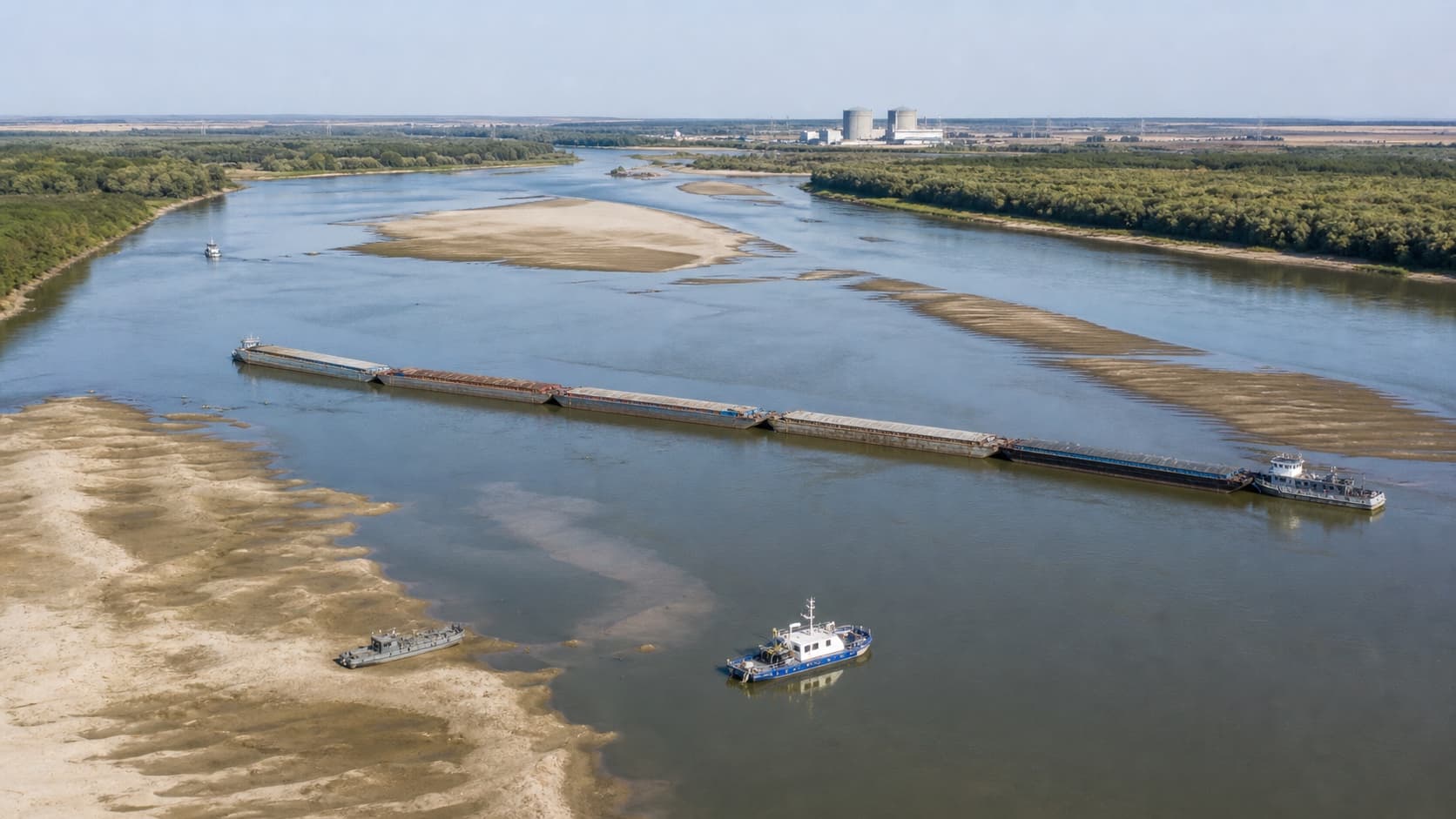
Romania Funds 7 Million Lei Danube Barge Plan to Keep Cernavoda Unit 2 Online
Romania approved a 7 million lei temporary barge intervention at the Bala-Dunarea Veche split to preserve the Danube flow needed by Cernavoda Unit 2.
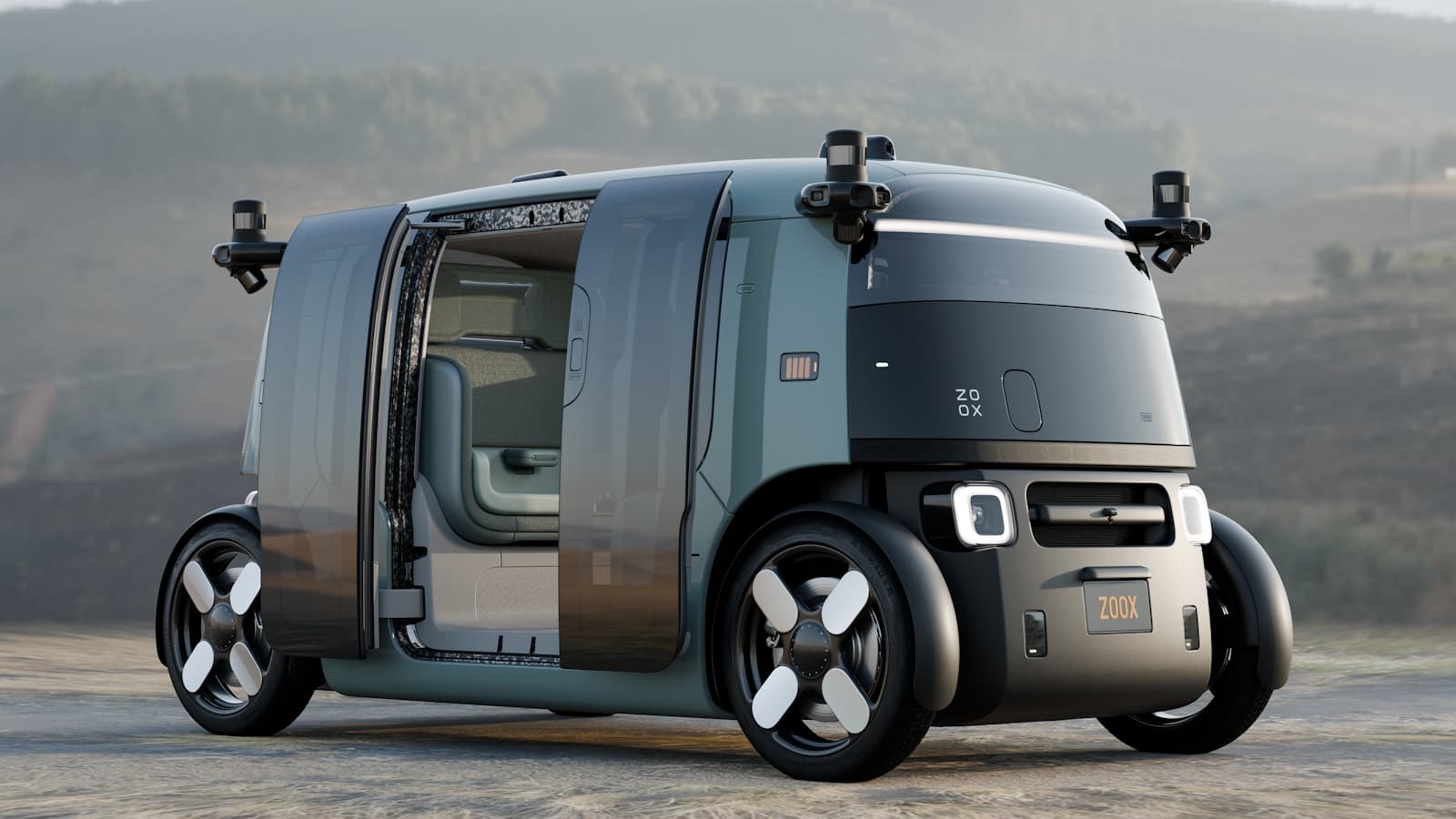
Zoox Wins Federal Approval for Paid Robotaxis, but State Permits Still Control Launches
NHTSA cleared Zoox's steering-wheel-free robotaxi for a limited paid-service path, but state and local permits still determine where fares can begin.

Kenya Footprints Show Eight Large Hominins Moving Together 1.43 Million Years Ago
A PNAS study describes tracks from eight large hominins at Kenya's Koobi Fora, while leaving open whether they were Paranthropus boisei or Homo erectus.