Amazon Dropped 'Artificial.' Hollywood Just Learned How Hard It Is to Satirize an AI Partner.
Amazon MGM says Luca Guadagnino's Sam Altman film would be better served somewhere else. The sharper entertainment story is what that move says about Hollywood's shrinking room to mock the companies financing its future.
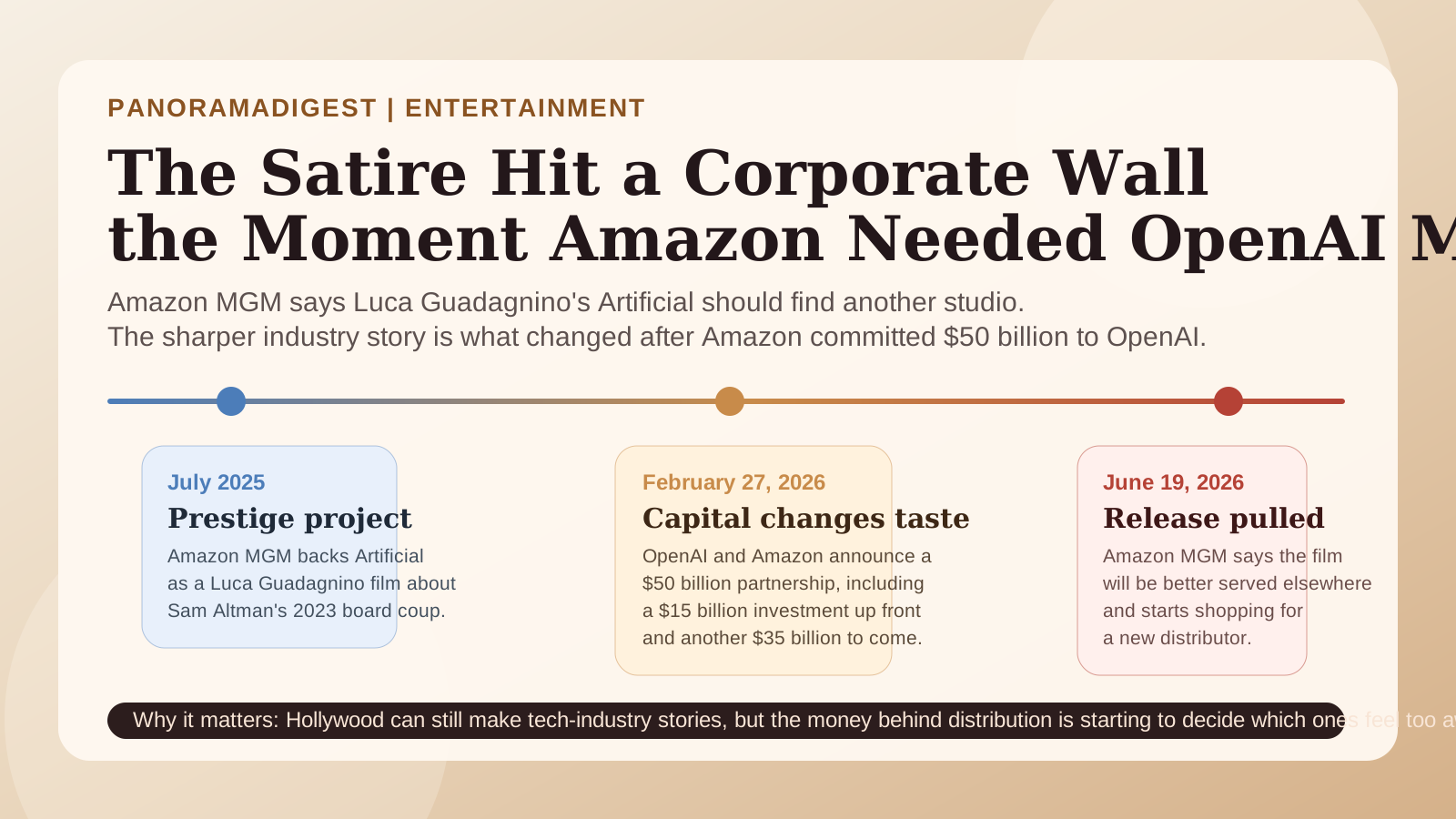
The narrow fact arrived first, and it was carefully worded. On Friday, June 19, 2026, Amazon MGM said Luca Guadagnino's Artificial, its film about Sam Altman's five-day firing and return at OpenAI in 2023, would be better served by a different studio. That sentence is polite enough to sound routine. It is not routine. It landed less than four months after OpenAI and Amazon announced a sweeping strategic partnership on February 27, 2026, with OpenAI saying Amazon would invest $50 billion, beginning with $15 billion up front. Hollywood does not need a confession to understand what that timing does to incentives.
That is why this is a stronger entertainment story than a technology story. We are not looking at proof that Amazon killed a movie because it feared criticism of OpenAI. No public evidence establishes that, and readers should resist any article that pretends it does. What is visible, and more interesting, is how quickly prestige filmmaking looks fragile when the subject of the satire becomes too strategically valuable to the owner of the distribution pipeline. The film may survive. The illusion that corporate entertainment can effortlessly critique the new AI aristocracy looks shakier already.
Amazon's statement, reported by The Guardian, stressed respect for Guadagnino and said the studio was working with the filmmakers to find the project a new home. The Verge and Variety both framed the move against Amazon's deepening relationship with OpenAI. That context matters because Artificial was not some speculative package gathering dust. The trade reporting describes a nearly finished film starring Andrew Garfield as Altman, Monica Barbaro as Mira Murati, Ike Barinholtz as Elon Musk and Yura Borisov as Ilya Sutskever. In other words, Amazon did not walk away from a mere pitch. It walked away from ownership.
- July 2025: Amazon MGM backs Artificial, with Guadagnino directing a script by Simon Rich about the OpenAI board upheaval.
- February 27, 2026: OpenAI and Amazon announce a strategic partnership that includes a planned $50 billion Amazon investment.
- Spring 2026: industry reporting suggests the film's portrayal of Altman is not especially flattering, and that Ilya Sutskever may emerge as the story's emotional center.
- June 19, 2026: Amazon MGM says the film is better served by another studio and begins trying to place it elsewhere.
This is what cultural power looks like when it becomes infrastructure power
Entertainment executives used to worry about whether a movie might anger talent, advertisers, foreign censors or a future awards jury. The AI age adds a more structural fear: what happens when the real subject of the film is not just famous, but woven into your owner's next era of computing strategy? OpenAI is no longer only a controversial company with a made-for-screen boardroom implosion. It is now part of Amazon's plan for cloud distribution, enterprise tools and customer-facing AI products. Once that happens, the movie stops being just a movie. It becomes a relationship-management problem.
That tension is not unique to this one title. PanoramaDigest has already chronicled how economic pressure is changing the entertainment business from the outside in, from tax-credit fights to production geography, in our June 16 analysis of Hollywood's production exodus. Artificial reveals a different pressure point: the industry's dependence on tech money is no longer only about streaming platforms, ad systems or cloud contracts. It now reaches into the reputational comfort level of the stories a studio is willing to stand behind.
| Before the Amazon-OpenAI deal | After the deal | Why that changes the movie's meaning |
|---|---|---|
| Amazon MGM could treat Artificial as a prestige film about a notorious tech coup. | Amazon became a major OpenAI investor and strategic partner. | The distributor now has a direct business interest in how closely it wants to be associated with the film's portrayal. |
| OpenAI was a dramatic subject. | OpenAI also became infrastructure, capital allocation and enterprise strategy. | Satire or critique starts colliding with the owner's growth agenda. |
| Award-season risk was mainly artistic and commercial. | The risk now includes corporate awkwardness and executive alignment. | The movie's problem is not only box office. It is governance by other means. |
The interesting question is not whether the film finds a new home
It probably will. Guadagnino is too prominent, the cast is too recognizable, and the underlying story is too irresistible for the project to simply evaporate. The harder question is what sort of home it finds next. A new distributor would not only be buying a film; it would be buying the right to market itself as the place willing to carry a story that Amazon suddenly preferred not to own. That creates a second layer of meaning around the release. Whatever studio takes the film can sell bravery, independence or opportunism, depending on how cynical you feel. All three readings may be true at once.
It also means the eventual release, if it happens, may be judged less on whether Andrew Garfield nails Altman's cadence than on whether the movie preserved its nerve during the handoff. That is a brutal place for a film to land. The artistic conversation risks getting swallowed by the industrial one. But that is also why the story now matters beyond cinephiles or AI obsessives. When ownership concentration and strategic tech alliances start influencing which stories look too inconvenient to distribute, culture loses some of its freedom long before anybody has to ban anything outright.
What to watch next
Watch for three signals. First, does another major studio or streamer move quickly, suggesting Amazon's discomfort was unusually specific rather than industry-wide? Second, do filmmakers or agents start treating AI-company subjects as reputational minefields rather than prestige bait? Third, does the final release campaign lean into the controversy or try to deny it ever existed? The marketing choices will reveal whether the next distributor sees this as a sharp cultural argument or just an awards-season rescue mission.
The most revealing part of Friday's move is that it was so soft in language and so loud in implication. Amazon did not need to denounce Artificial. It only needed to stop claiming it. In 2026 Hollywood, that may be the cleaner form of control. If the context graphic above does not load in your browser, the same image is available directly at PanoramaDigest's hosted image URL.
Key reporting behind this analysis includes Amazon's statement as reported by Deadline, confirmation and production details in Variety, casting and timing details in The Verge, additional context in The Guardian, and the February 27, 2026 OpenAI-Amazon partnership announcement.
Reader Sentiment & Impact Pulse
How do you evaluate the primary outcome of this development?
Select an option to cast your perspective. Responses are anonymous and aggregated in real time.
Key Context & Frequently Asked Questions
Amazon MGM says Luca Guadagnino's Sam Altman film would be better served somewhere else. The sharper entertainment story is what that move says about Hollywood's shrinking room to mock the companies financing its future. This analysis from PanoramaDigest examines primary documentation, operational implications, and broader institutional impacts across entertainment.
Read Next
Related Stories
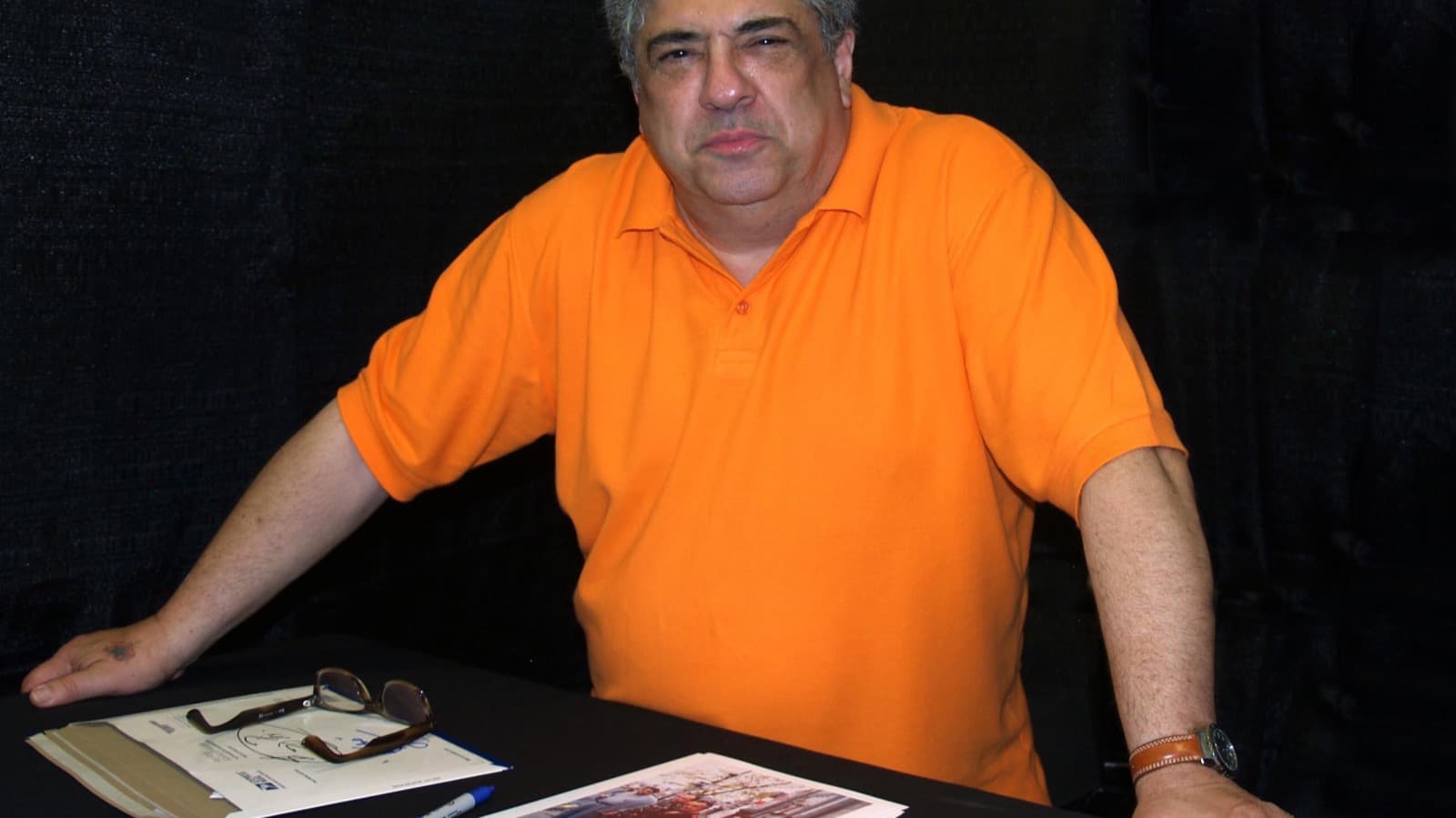
Vincent Pastore Dies at 80: The Sopranos Actor's Career Beyond Big Pussy
Vincent Pastore, who made friendship and betrayal inseparable as Big Pussy on The Sopranos, has died at 80. His manager confirmed the death to AP.

Ryan Gosling Will Play Ghost Rider in Marvel's 2028 Film Directed by Shawn Levy
Marvel confirmed Ryan Gosling as its new Ghost Rider at San Diego Comic-Con. Shawn Levy will direct the 2028 film, giving the MCU character his first standalone movie since the rights returned to Marvel.
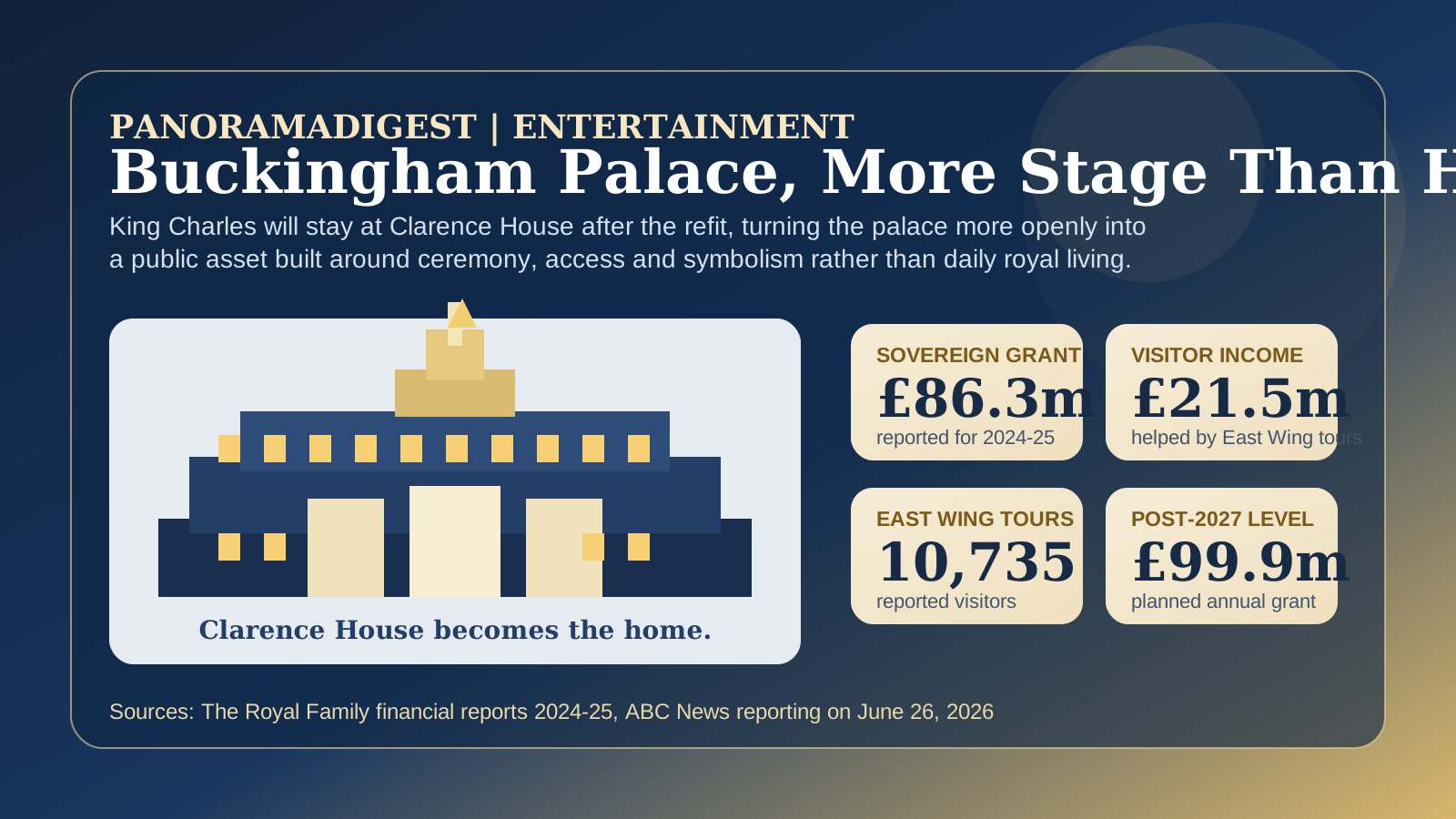
King Charles Won't Live at Buckingham Palace. That Makes the Monarchy's Biggest Symbol More Stage Than Home.
King Charles III and Queen Camilla will stay at Clarence House after Buckingham Palace's renovation. The larger cultural shift is that Britain's most famous royal address is being treated less as a private home and more as a public-facing stage set whose value must now be justified in visits, events and visible utility.