Apple WWDC 2026: Siri Expectations, AI Features and Developer Schedule
Apple's June 8 WWDC keynote is about more than new software. It is a test of whether Apple can make AI feel reliable after years of Siri expectations.
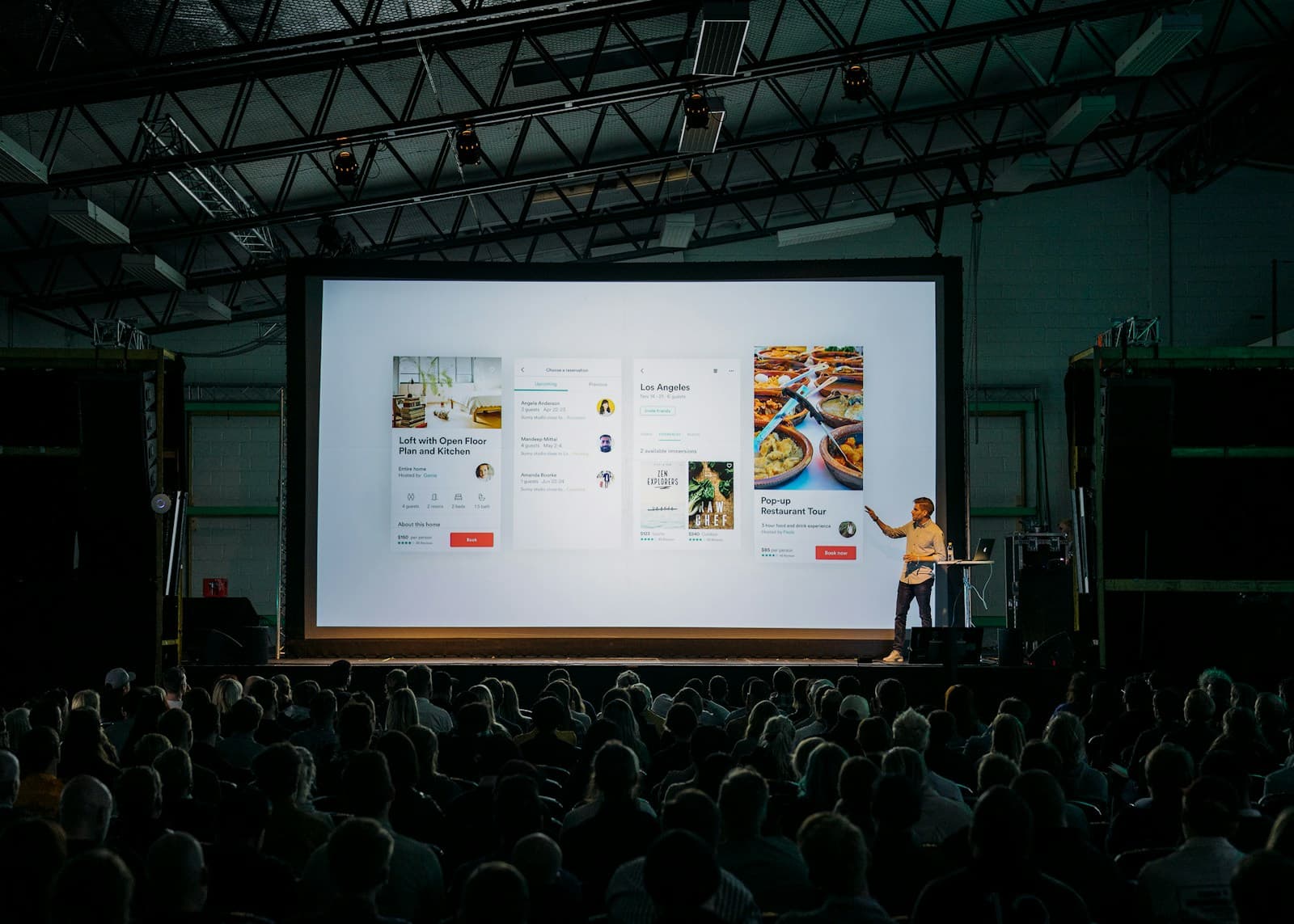
Apple does not need the loudest AI keynote at WWDC26. It needs the most believable one.
Apple — WWDC 2026 — June 8 | Apple
Apple's official WWDC26 video page, included because the article previews the keynote and Apple Intelligence expectations.
The company has already set the frame. Apple says WWDC26 begins June 8 with a keynote at 10 a.m. PDT and a Platforms State of the Union at 1 p.m. PDT. The week runs through June 12 and includes more than 100 video sessions, group labs, developer forums, and what Apple calls AI advancements across its platforms.
That official language is careful, as it should be. The risk for Apple is not that users have never heard of AI. It is that they have heard too much. By 2026, the market is full of assistants, copilots, agents, search boxes, summaries, and demos that look magical until they meet real calendars, private messages, messy photos, half-finished notes, and a user who simply wants the phone to do the thing correctly.
The Siri question is a product question
TechCrunch's WWDC preview put Siri and Apple Intelligence at the center of expectations. That is where the pressure belongs, but the question should not be whether Siri gets a more impressive demo. The question is whether Siri gets a clearer contract with the user.
A good assistant has to know its limits. It has to say when it cannot act, when it needs permission, and when the risk of getting something wrong is higher than the convenience of trying. Apple's advantage has always been integration. Its burden is that integration makes mistakes feel personal. If an AI assistant mishandles a file, a message, or a calendar, users do not experience that as an abstract model failure. They experience it as a broken promise from the device in their hand.
- Clear boundaries: Apple explains what on-device AI can and cannot do.
- Permission that feels human: Users understand when Siri is reading, acting, or only suggesting.
- Developer substance: APIs and tools matter more than keynote adjectives.
- Recoverable mistakes: AI actions should be easy to review, undo, and correct.
Developers need more than a stage promise
WWDC is not a consumer ad, even when the whole world watches the keynote. It is a developer conference, and Apple's strongest AI story would be one that gives developers useful constraints. What data stays local? Which models are available through system frameworks? How are permissions surfaced? Which tasks can apps delegate without confusing the user about who is responsible?
Apple's developer page points developers toward sessions, labs, forums, and the Developer app. That is where the real story will be after the keynote. A flashy Siri moment may make headlines Monday. A coherent developer architecture is what decides whether the platform feels better six months from now.
| Audience | What they want from WWDC26 | What Apple has to prove |
|---|---|---|
| iPhone users | Siri that completes everyday tasks reliably | Convenience without creepy opacity |
| Developers | Stable APIs and clear privacy rules | AI features that can ship, not just demo |
| Enterprise buyers | Governance, security, and auditability | AI that fits policy-bound workplaces |
| Investors | Evidence Apple is not behind | Growth story without panic copycatting |
The best AI feature may be restraint
The evidence matters more than theater, and WWDC26 deserves that standard. Apple can still surprise. It can make Siri more capable, make Apple Intelligence more useful, and give developers tools that feel native rather than pasted on.
But the strongest Apple version of AI is not the one that pretends to know everything. It is the one that behaves like good software: private where possible, explicit when necessary, useful in small repeated moments, and humble enough not to perform confidence when the answer is uncertain. If Apple gets that right on June 8, the company will not merely catch up to the AI cycle. It will remind users why trust is also a feature.
For further reporting on this subject, see our AI coverage.
Read Next
Related Stories

Kilauea Episode 55: End Time, Alert Downgrade and Remaining Hazards
Episode 55 stopped at 9:03 a.m. HST on October 17. A checked timeline separates the fountains, the later alert downgrade and hazards that remain.
MMX Launch Date and Time: Japan's Phobos Sample-Return Timeline
Japan's MMX mission targets October 20 in Japan, October 19 in Europe and America. A time-zone guide and mission timeline explain the Phobos sample-return plan.
NASA's Commercial Space Station RFP: December 8 Deadline and the ISS Transition
NASA has opened its final competition for commercial space stations. A dated milestone guide separates the bidding deadline from contract awards, crew certification and the ISS retirement decision.