Shanghai World AI Conference: Xi Pitches China's Global AI Cooperation Plan
At the World Artificial Intelligence Conference in Shanghai, Xi Jinping called for shared AI governance and announced training, weather-tool access and new cooperation initiatives for developing countries.
China used the opening of the World Artificial Intelligence Conference in Shanghai on July 17, 2026, to present AI cooperation as a global governance project rather than a contest controlled by one country. Xi Jinping said AI development should be shared internationally and announced new cooperation measures involving developing countries, while also criticizing U.S. restrictions on technology transfers.
Associated Press Television — LIVE | Xi Jinping & Global Leaders Speak at 2026 World AI Conference in Shanghai
Associated Press Television provides related event coverage from WAIC 2026. If the player fails, use the direct YouTube link.
The practical headline is that China promised access for 30 countries to a Chinese AI meteorological early-warning tool and 5,000 AI training opportunities for developing countries over the next five years. The announcements are diplomatic commitments, not evidence that a new global AI system has already been built or adopted.
The conference runs through Monday, July 20. The Associated Press reported that Chinese state media described more than 1,100 companies and 1,400 guests attending, while 29 countries signed an agreement to establish a World AI Cooperation Organization. Those figures describe the event and its political momentum; they do not by themselves prove that the proposed organization has operational powers.
PanoramaDigest has tracked the technology-policy consequences of AI through its AI topic hub, including the Apple-OpenAI trade-secrets case and the WEF analysis of the AI race moving into physical systems.
| Measure | Announced detail | What it means now |
|---|---|---|
| Weather technology | Access for 30 countries to an AI meteorological early-warning tool | A proposed cooperation offer; delivery, users and technical terms remain to be documented. |
| Training | 5,000 AI training opportunities for developing countries over five years | A capacity-building pledge rather than a measure of model performance. |
| Diplomacy | 29 countries signed an agreement to establish a World AI Cooperation Organization | A new institutional proposal whose mandate and governance still need clarification. |
| Event | WAIC 2026 runs July 17-20 in Shanghai | The forum is being used to connect product announcements with governance diplomacy. |
Why the Shanghai message matters
AI governance has become inseparable from access to computing, data, models, chips and technical talent. A country can argue for shared rules while competing to build domestic infrastructure and protect sensitive technologies. That tension explains why Xi's call for international cooperation appeared alongside criticism of U.S. controls on technology sharing.
China's proposed approach is built around several overlapping audiences. Developing countries are being offered training and access to a weather application. Regional and political groupings, including ASEAN, the League of Arab States, the African Union, CELAC, the Shanghai Cooperation Organisation and BRICS, were named as potential partners. The wider message is that AI governance should not be defined solely by the United States and its allies.
The offer also has a measurable implementation question: whether training places, software access and technical support reach users outside the conference room. A pledge can create diplomatic influence, but durable technological influence depends on deployment, maintenance, local skills, data rules and the ability of recipient countries to audit systems that affect public decisions.
How this changes the AI policy conversation
The Shanghai conference shifts attention from individual model launches toward the infrastructure and institutions around them. A meteorological early-warning system is a public-service use case: its value depends on forecast accuracy, warning speed, local communication and accountability when a warning is missed. Training programmes matter for the same reason. They can widen access to AI expertise, but the long-term result depends on what participants can build and operate after the course ends.
That makes the announced numbers useful starting points rather than final outcomes. The 30-country weather-tool offer can be checked against a future list of recipients and deployments. The 5,000 training opportunities can be checked against programme dates, participating institutions and completion records. The proposed cooperation organization can be assessed once its charter, membership rules and decision-making structure are public.
What to watch after WAIC 2026
The next evidence will be more specific than opening-ceremony language: published agreements, named institutions, delivery timetables, technical documentation and independent reporting from participating countries. Those details will show whether the Shanghai proposals become working channels for AI cooperation or remain primarily diplomatic positioning.
For companies and policymakers, the conference reinforces a practical reality. The AI race is now also a race to define who gets access to useful systems, who sets the rules and who can verify whether deployments work. China is using WAIC 2026 to argue for a broader coalition. The coalition's influence will depend on implementation after the cameras leave Shanghai.
Watch the opening coverage: Associated Press Television's live coverage of Xi Jinping and global leaders at WAIC 2026 provides related event footage. If the player does not load, use the direct YouTube link.
Read Next
Related Stories

Kilauea Episode 55: End Time, Alert Downgrade and Remaining Hazards
Episode 55 stopped at 9:03 a.m. HST on October 17. A checked timeline separates the fountains, the later alert downgrade and hazards that remain.

MMX Launch Date and Time: Japan's Phobos Sample-Return Timeline
Japan's MMX mission targets October 20 in Japan, October 19 in Europe and America. A time-zone guide and mission timeline explain the Phobos sample-return plan.
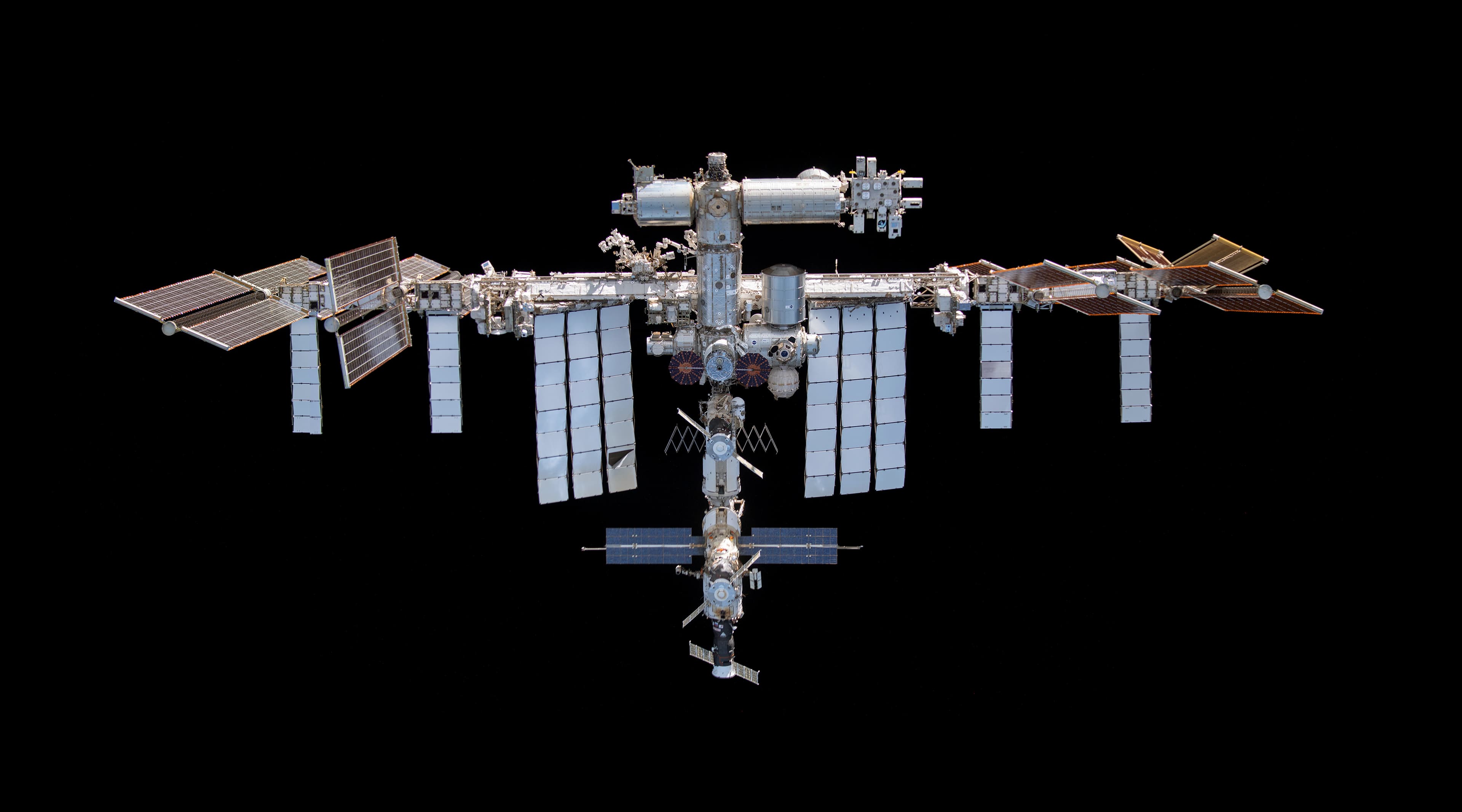
NASA's Commercial Space Station RFP: December 8 Deadline and the ISS Transition
NASA has opened its final competition for commercial space stations. A dated milestone guide separates the bidding deadline from contract awards, crew certification and the ISS retirement decision.