Pope Leo’s Spain Visit: Itinerary, Migration and Social Context
Pope Leo XIV's June 6-12 Spain visit moves from royal ceremony to migrant encounters, turning a pastoral trip into a map of Europe's political pressures.
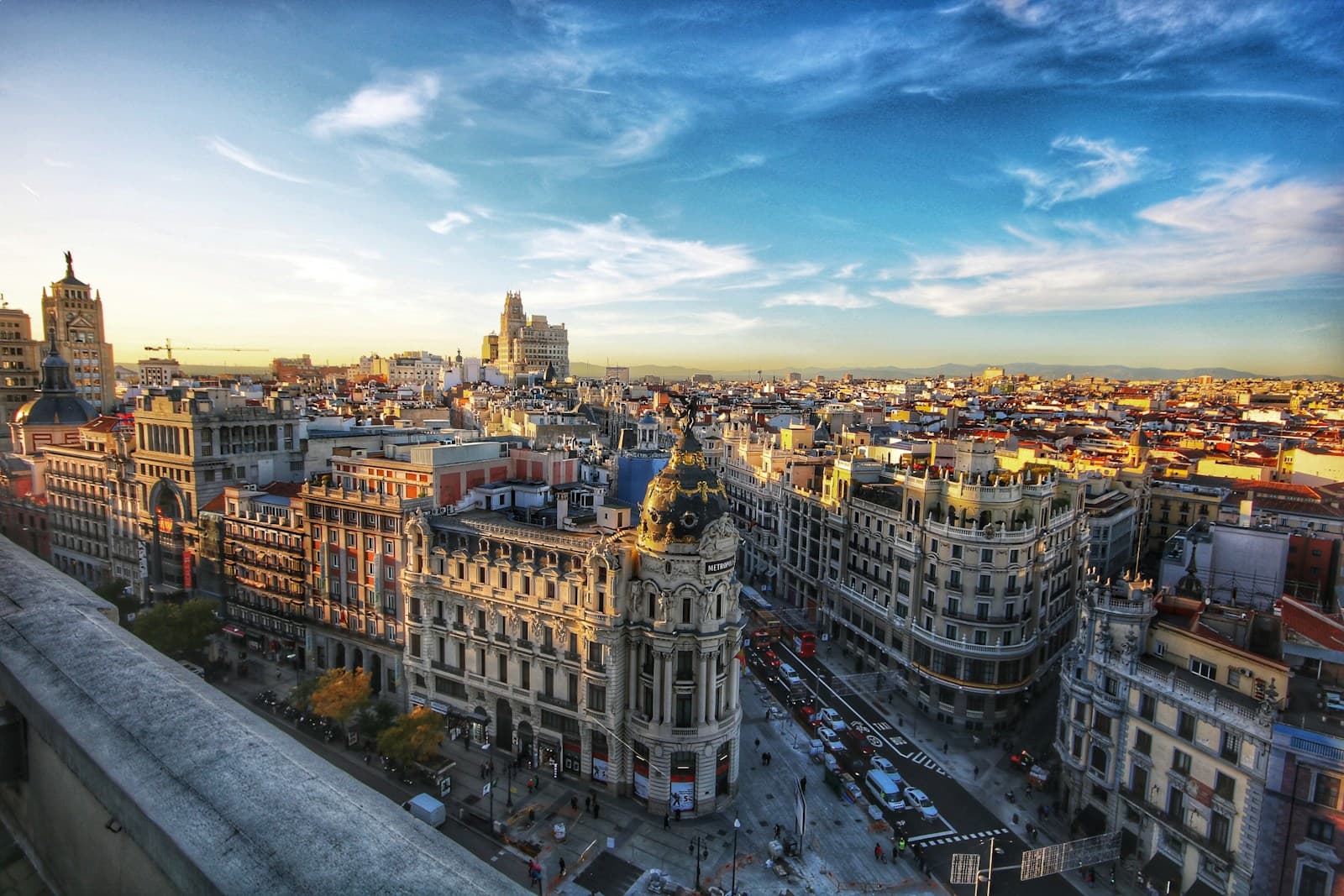
Pope Leo XIV's visit to Spain is not just a religious itinerary. It is a carefully staged walk through the arguments Europe keeps postponing: polarization, migration, youth disillusionment, secular culture, and the question of whether old institutions can still speak without sounding defensive.
Vatican News — Highlights: Pope Leo XIV visits Spain's king and queen
Official Vatican News highlights from the Madrid welcome ceremony and meeting with Spanish authorities.
The Holy See's official schedule places the journey from June 6 to 12, with stops in Madrid, Barcelona, Montserrat, Gran Canaria, and Tenerife. The trip began with royal and government meetings in Madrid, then moves through Parliament, the Sagrada Familia, prisons, diocesan communities, and migrant centers in the Canary Islands.
That geography is the argument. Madrid is state power. Barcelona is culture, architecture, regional identity, and European modernity. The Canaries are migration made visible: not an abstraction in a policy paper, but people arriving by sea at the edge of the continent.
Unity is the headline, but migration is the test
AP reported that Leo arrived in Spain urging political leaders to stop feeding polarization. The line matters because it puts the papal visit into Spain's domestic context, where migration, corruption scandals, and partisan pressure have sharpened the public mood.
But the trip's most demanding moments come later. On June 11, the Pope is scheduled to meet organizations working with migrants in the port of Arguineguin. On June 12, he is scheduled to meet migrants at the Las Raices center in Tenerife and then organizations working for integration. The sequence turns migration from a sermon topic into a route.
Spain is a symbolic choice
Vatican News described the journey as moving from institutions to the peripheries. That phrase can sound soft until the map is read closely. The trip includes a meeting with Spain's Parliament on June 8, a diocesan gathering at Santiago Bernabeu Stadium, a visit to Brians 1 penitentiary center, and a Mass at the Sagrada Familia on June 10.
The Sagrada Familia stop is especially charged. The visit coincides with the centenary year of Antoni Gaudi's death and the inauguration of the tower of Jesus Christ, according to the official itinerary. It places the Pope inside a monument that is both intensely Catholic and globally touristic, a building that belongs to devotion, architecture, economics, and national image all at once.
| Stop | Public meaning | European pressure point |
|---|---|---|
| Madrid | Royal, government, and parliamentary meetings | Polarization and institutional trust |
| Barcelona and Sagrada Familia | Faith, art, regional identity, and global culture | How religious heritage speaks in secular societies |
| Brians 1 prison | Mercy and social margins | Who gets included in civic dignity |
| Canary Islands | Encounters with migrants and integration groups | Europe's migration border as lived reality |
The careful line between moral voice and politics
Cardinal Pietro Parolin told Vatican News that the Holy See supports a compassionate and coordinated approach to migration grounded in welcoming, protecting, promoting, and integrating migrants and refugees. He also stressed that the Pope's message may have political implications without replacing the responsibilities of states.
That distinction is doing a lot of work. Leo cannot govern Spain. He can, however, make it harder for Spain and Europe to discuss migration as a logistical nuisance detached from human dignity. He can also remind polarized societies that unity is not the same as silence. Unity, at its best, is a discipline: the refusal to make a country ungovernable for applause.
By June 12, the image that may define the trip will not be the royal welcome or the stadium crowd. It may be a meeting at a migrant center, where Europe's central question is stripped of slogans. Who belongs, who is protected, and who is asked to wait outside the story?
For further reporting on this subject, see our Europe coverage.
Read Next
Related Stories
French Senate Election 2026: RN's Group Breakthrough and the 10-Member Rule
RN officials announced enough senators for a group after the September 27 election. Here is why 178 seats, a 10-member threshold and a 14-member claim mean different things.
Swiss Neutrality Vote: 70.15% Reject Stricter Rules on Sanctions and Military Cooperation
Switzerland remains neutral after voters rejected a stricter constitutional definition. The official result and the sanctions exceptions explain what stays unchanged.
Denmark's 11-Month Military Service Starts With 1,600 Volunteers Across 14 Bases
Denmark's first full 11-month military-service cohort includes about 1,600 volunteers at 14 sites. Equal conscription applies if volunteers fall short.