ISS Spacewalk November 5, 2026: Start Time and Live Coverage
NASA coverage starts at 6:45 a.m. EST, before the planned 8:10 a.m. spacewalk. Compare local times, the final solar-array task and October 29's completed work.
The next ISS solar-array spacewalk is scheduled for Thursday, November 5, 2026, at 8:10 a.m. EST (13:10 UTC). NASA's live coverage is due to begin at 6:45 a.m. EST (11:45 UTC), 85 minutes before the planned start. Anil Menon of NASA and Joshua Kutryk of the Canadian Space Agency are assigned to install the station's eighth and final roll-out solar array.
NASA Johnson — NASA preview animation: U.S. Spacewalks 100 and 101
NASA Johnson's October 20, 2026 animation previews the tasks for U.S. Spacewalks 100 and 101. This is an explanatory animation, not the November 5 live stream or evidence that its planned installation has occurred. Use the direct YouTube link if the player is blocked.
The date remains a plan, not a completed operation. In its October 29 completion report, NASA said the pair had installed the seventh array and completed preparation for the November 5 outing. Check NASA Live before watching for any schedule change.
November 5 coverage and spacewalk start times
NASA's published schedule distinguishes the broadcast from the spacewalk: 6:45 a.m. EST for coverage, 8:10 a.m. EST for the excursion. The SpacePolicyOnline event listing gives the same two times. Tuning in at the broadcast start lets viewers follow the preparations rather than joining only when the work outside is scheduled to begin.
Set your clock for Thursday, November 5
| Location | Coverage begins | Planned spacewalk start |
|---|---|---|
| U.S. Eastern (EST) | 6:45 a.m. | 8:10 a.m. |
| U.S. Central (CST) | 5:45 a.m. | 7:10 a.m. |
| U.S. Pacific (PST) | 3:45 a.m. | 5:10 a.m. |
| London (GMT) / UTC | 11:45 | 13:10 |
| Bucharest (EET) | 13:45 | 15:10 |
Do not reuse the daylight-saving offset from October's spacewalk. The October 29 outing was timed in EDT; the November 5 schedule uses EST. On November 5, Eastern time is five hours behind UTC. That is why 8:10 a.m. Eastern becomes 13:10 UTC, not 12:10 UTC.
Where to watch, and what the preview shows
Use NASA's live-program guide or the NASA+ schedule for the current stream. The NASA+ listing names the program U.S. Spacewalk 101
. Start time and coverage availability can change; the clock table above should not be treated as a guarantee that an operation will begin on the minute.
The NASA Johnson animation accompanying this article was published on October 20 to explain both installations. It is a task preview, not the November 5 live feed and not footage proving the final array has already been installed. Its direct YouTube link remains available beneath the player if embedding is blocked.
What remains after the October 29 installation
Menon and Kutryk installed and deployed the seventh ISS Roll-Out Solar Array, or IROSA, on the 2A electrical power channel on October 29. NASA assigns the eighth to the 3B channel for November 5. The distinction matters: completing one installation did not finish the eight-array upgrade.
NASA's preview announcement identifies the two electrical channels and the planned completion of the power-system upgrade. The Canadian Space Agency describes the supporting robotics work: Canadarm2 moves the rolled-up arrays from their temporary location to the installation sites, with Jessica Watkins and Luke Delaney operating the arm from inside the station and Canadian specialists supporting from the ground.
The previous spacewalk provides a useful reason not to turn a plan into a stopwatch prediction. It began at 7:57 a.m. EDT on October 29 and ended at 3:08 p.m., a duration of seven hours and 11 minutes. Those times are reported by NASA's start notice and completion report, and independently corroborated in collectSPACE's account. They are observations from October 29, not a duration or end-time promise for November 5.
The numbering also needs context. October 29 was U.S. spacewalk 100 in the series counted without a space shuttle docked at the ISS, but the 285th spacewalk supporting the station's assembly, maintenance and upgrades overall. U.S. Spacewalk 101
is the next label in that narrower series, not a claim that the station has hosted only 101 spacewalks.
For the wider setting, follow our International Space Station reporting. Our NASA coverage follows the agency's other missions and decisions.
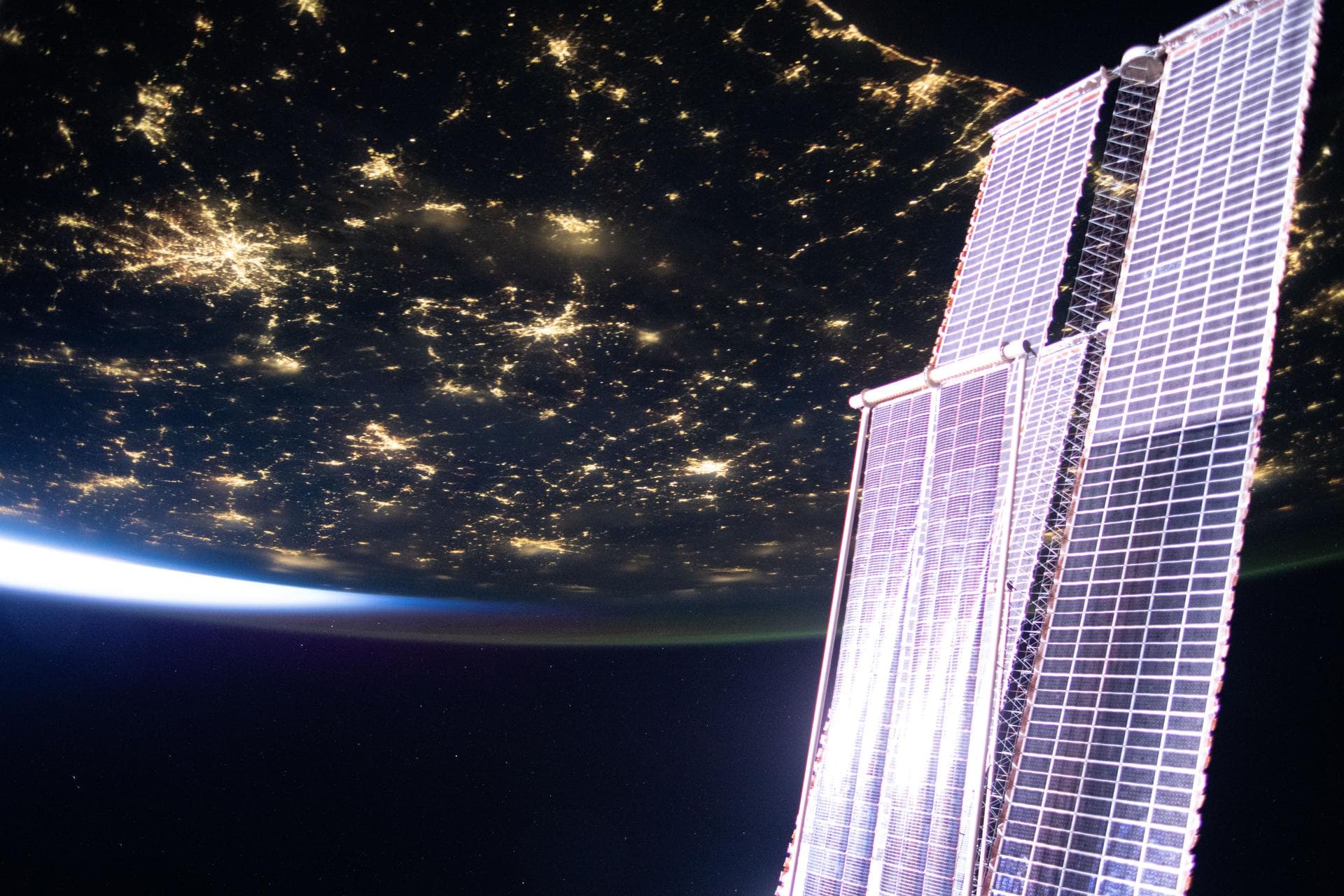
Cover: NASA file photograph of city lights over the southern United States, with the ISS's main and smaller roll-out solar arrays at right. NASA's published photograph and caption. Used for station and hardware context, not as an image of the planned November 5 operation. Credit: NASA.
Read Next
Related Stories
NASA's Commercial Space Station RFP: December 8 Deadline and the ISS Transition
NASA has opened its final competition for commercial space stations. A dated milestone guide separates the bidding deadline from contract awards, crew certification and the ISS retirement decision.
NASA Astronaut Chris Williams Returns From ISS After 241-Day Soyuz Mission
Soyuz MS-28 landed on July 26 at 6:27 a.m. EDT, not 5:27 a.m. Eastern. A corrected timeline separates actual touchdown, the advance forecast and Expedition 74's dates.
Why NASA Put ISS Astronauts in Dragon, and Why the Leak Story Is Bigger Than One Repair
NASA’s decision to move ISS astronauts into Dragon during leak work was not a panic move. It was a disciplined safety step inside a larger story about aging orbital infrastructure.