Why NASA Put ISS Astronauts in Dragon, and Why the Leak Story Is Bigger Than One Repair
NASA’s decision to move ISS astronauts into Dragon during leak work was not a panic move. It was a disciplined safety step inside a larger story about aging orbital infrastructure.
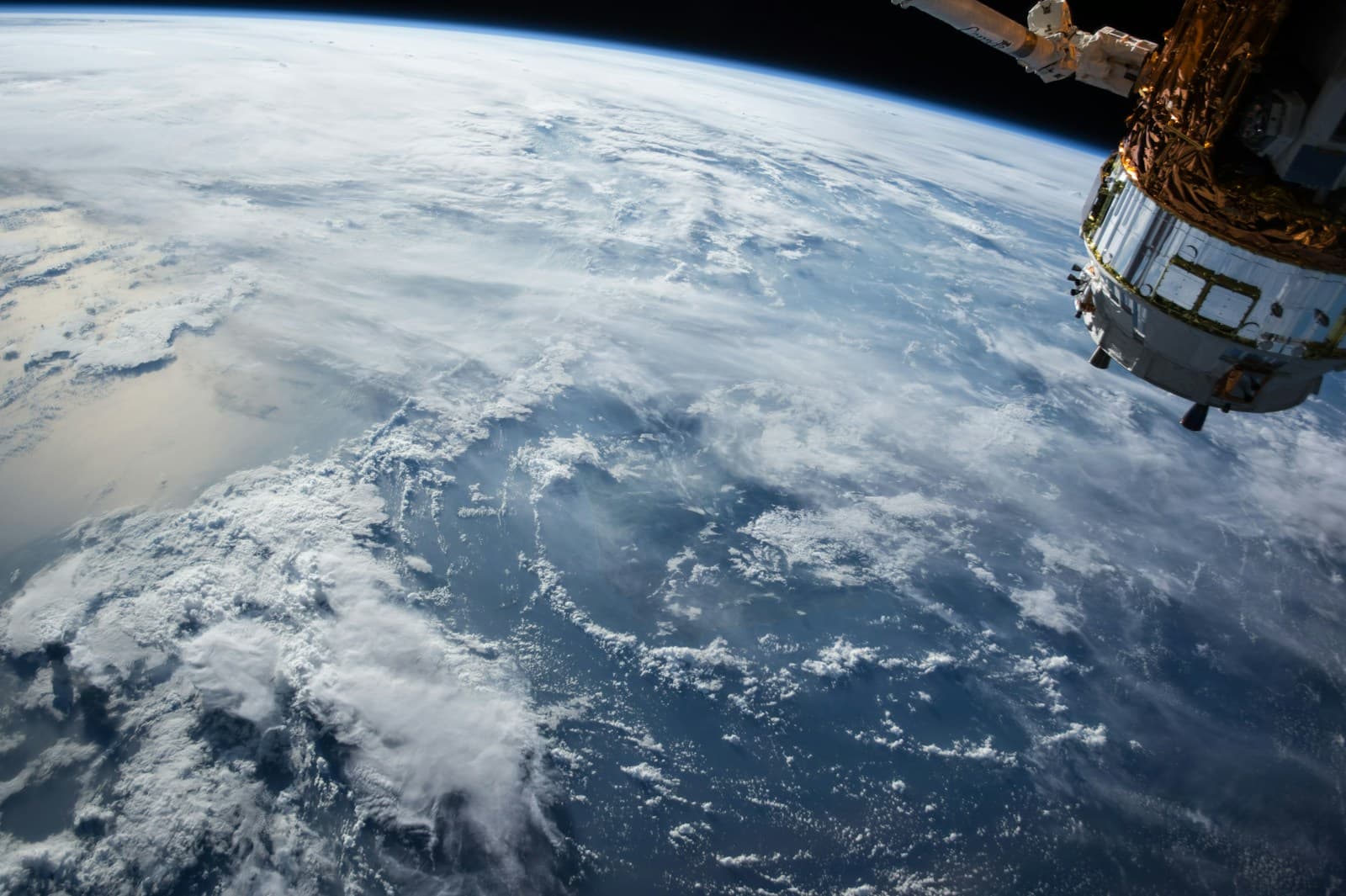
NASA's most reassuring space updates are often the ones that sound alarming at first. On June 5, the agency said crew members aboard the International Space Station moved into SpaceX's Dragon spacecraft as a safe-haven precaution while Russian specialists worked on leak repairs in the station's Zvezda service module transfer tunnel. That is the sort of sentence built for overreaction. The better reading is more technical, and more interesting: a mature safety culture made the cautious move before circumstances demanded drama.
CBS News — NASA reverses evacuation order for ISS after leak concerns
News video on NASA’s safe-haven reversal and the ISS leak concern discussed in the article.
According to NASA's update, the affected area is the PrK transfer tunnel, a passageway connecting the Zvezda service module to a docking port. The crew temporarily moved to Dragon while repair work occurred, then returned to regular operations. NASA said teams estimated the leak rate at less than two pounds of atmosphere per day and were evaluating the effectiveness of the latest work.
Safe haven is a procedure, not a panic button
Dragon is more than the ride home. When a spacecraft is docked to the station, it can also serve as a contingency refuge. Moving crew into it during certain operations limits exposure if pressure behavior changes unexpectedly. That step does not mean astronauts were abandoned by the station. It means mission controllers were using one of the station's built-in margins.
There is a useful distinction here between danger and risk management. Danger is the immediate threat. Risk management is the architecture of decisions that keeps danger from arriving uninvited. The ISS leak story sits mostly in the second category, which is why it deserves serious attention without theatrical language.
The leak has history, and that history matters
NASA has tracked leakage in the Russian segment for years. The issue has been associated with small cracks in the PrK tunnel, and the agency's public update notes continued analysis with Roscosmos. That long timeline is why the story is bigger than a single June repair. The station is aging. Its partners are aging with it. Every repair carries technical and diplomatic weight because the ISS remains a shared machine operated by countries that do not agree on much else.
Space infrastructure tends to be admired as a heroic object, but the more honest description is maintenance-intensive habitat. It needs seals, inspections, tools, spare parts, software, procedures and trust between teams. The glamour is in the photographs. The survival is in the checklist.
| Indicator | What it suggests | What it does not prove |
|---|---|---|
| Leak rate below two pounds per day | Teams had a measurable condition to monitor | That the issue can be ignored |
| Crew moved into Dragon | NASA used a conservative safety posture | That evacuation was underway |
| Repair work by Roscosmos | The affected hardware sits in the Russian segment | That only one partner is responsible for station safety |
| Return to operations | Controllers judged immediate conditions manageable | That the long-term leak problem is settled |
Why this matters beyond the ISS
The United States is trying to move from the ISS era toward commercial stations and a new lunar program. That transition depends on an uncomfortable lesson: space habitats are not one-off trophies. They are infrastructure. They require boring reliability, transparent risk standards and funding for things that do not make cinematic headlines.
The leak also sharpens a design question for future stations. How much redundancy is enough? Which modules can be isolated quickly? How visible should pressure data be to partners and the public? What does a private operator owe governments when a safety event occurs in a commercial habitat?
Those questions are not distant. The ISS is teaching them now, in real time, with humans aboard. NASA's Dragon move was the opposite of recklessness. It was the system revealing its safety grammar: isolate, shelter, repair, measure, resume. The public should not be frightened by that grammar. It should expect future space stations to speak it even more clearly.
There is a communications lesson for commercial space
NASA's update was notably specific: it named the affected tunnel, described the safe-haven step and gave a leak-rate estimate. That matters. In human spaceflight, vague reassurance can accidentally sound more frightening than measured disclosure. People do not need every engineering detail, but they do need enough concrete information to understand why a precaution was taken and what changed afterward.
Commercial station operators should study that. The next habitats may be run by companies, but they will inherit a public expectation shaped by NASA's culture of post-event explanation. If private operators want passengers, researchers and governments to trust them, they will need to explain anomalies in language that is technically honest and publicly legible.
The repair is also a geopolitical maintenance problem
The ISS remains one of the strangest diplomatic arrangements in orbit: a shared engineering project maintained by partners whose politics can be deeply strained on Earth. A leak in the Russian segment is therefore both an engineering concern and a coordination test. NASA needs transparent data. Roscosmos owns key repair responsibilities. Crew members from multiple nations live with the outcome.
That does not mean the public should turn every hardware issue into a geopolitical scandal. It means the station's continued success depends on habits of cooperation that are more durable than headlines. Pressure measurements, tool procedures and isolation plans are not glamorous diplomacy, but they are diplomacy all the same.
The long-term lesson is not that the ISS is suddenly unsafe. It is that aging space infrastructure becomes more demanding precisely when political attention wants to move on to the next big thing. A responsible transition to future stations requires funding the old machine well enough to leave it safely, and designing the new machines with enough transparency that safe-haven steps remain ordinary rather than extraordinary.
Continue reading: NASA Astronaut Chris Williams Returns From ISS After 241-Day Soyuz Mission.
Read Next
Related Stories
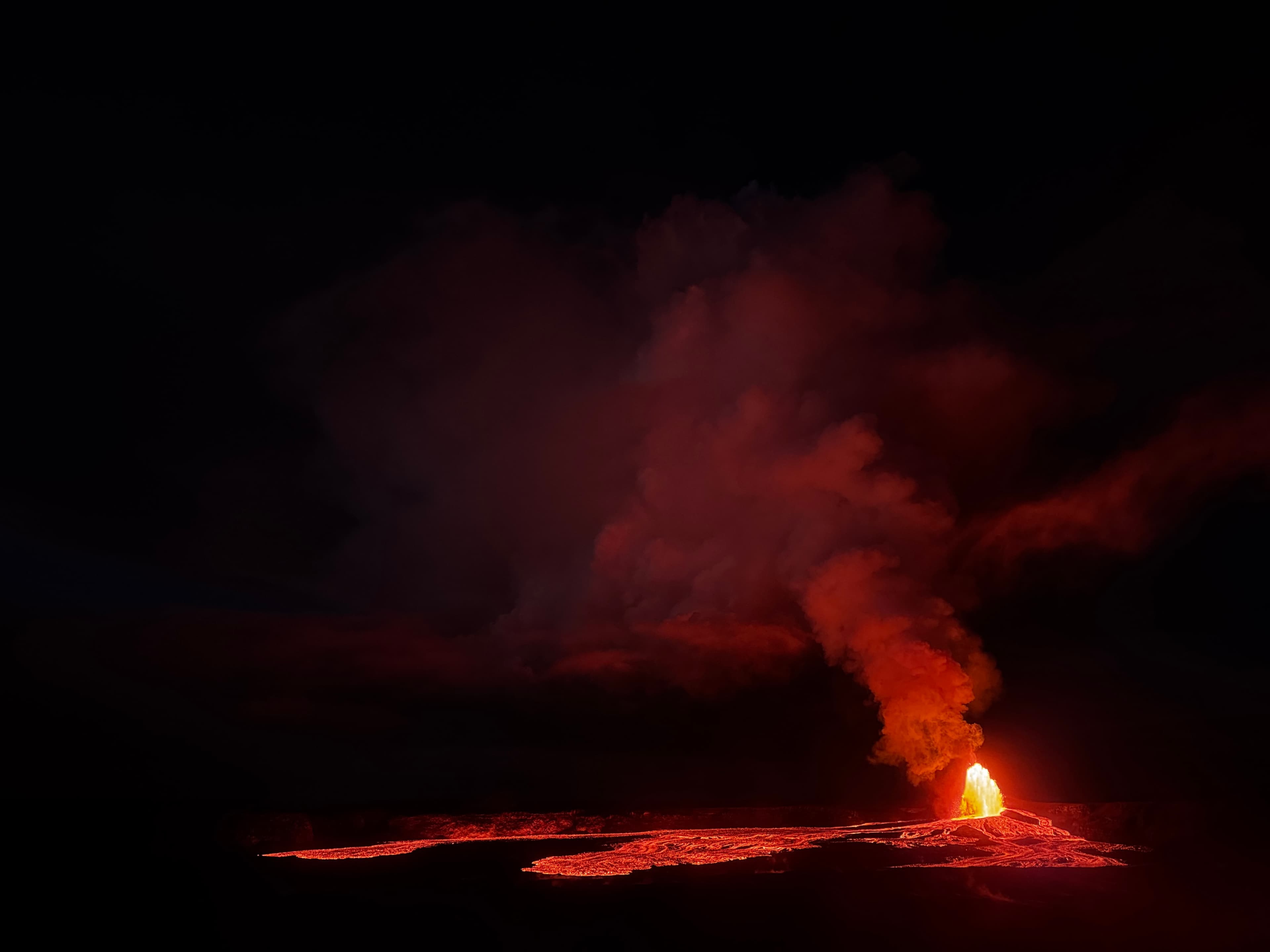
Kilauea Episode 55: End Time, Alert Downgrade and Remaining Hazards
Episode 55 stopped at 9:03 a.m. HST on October 17. A checked timeline separates the fountains, the later alert downgrade and hazards that remain.
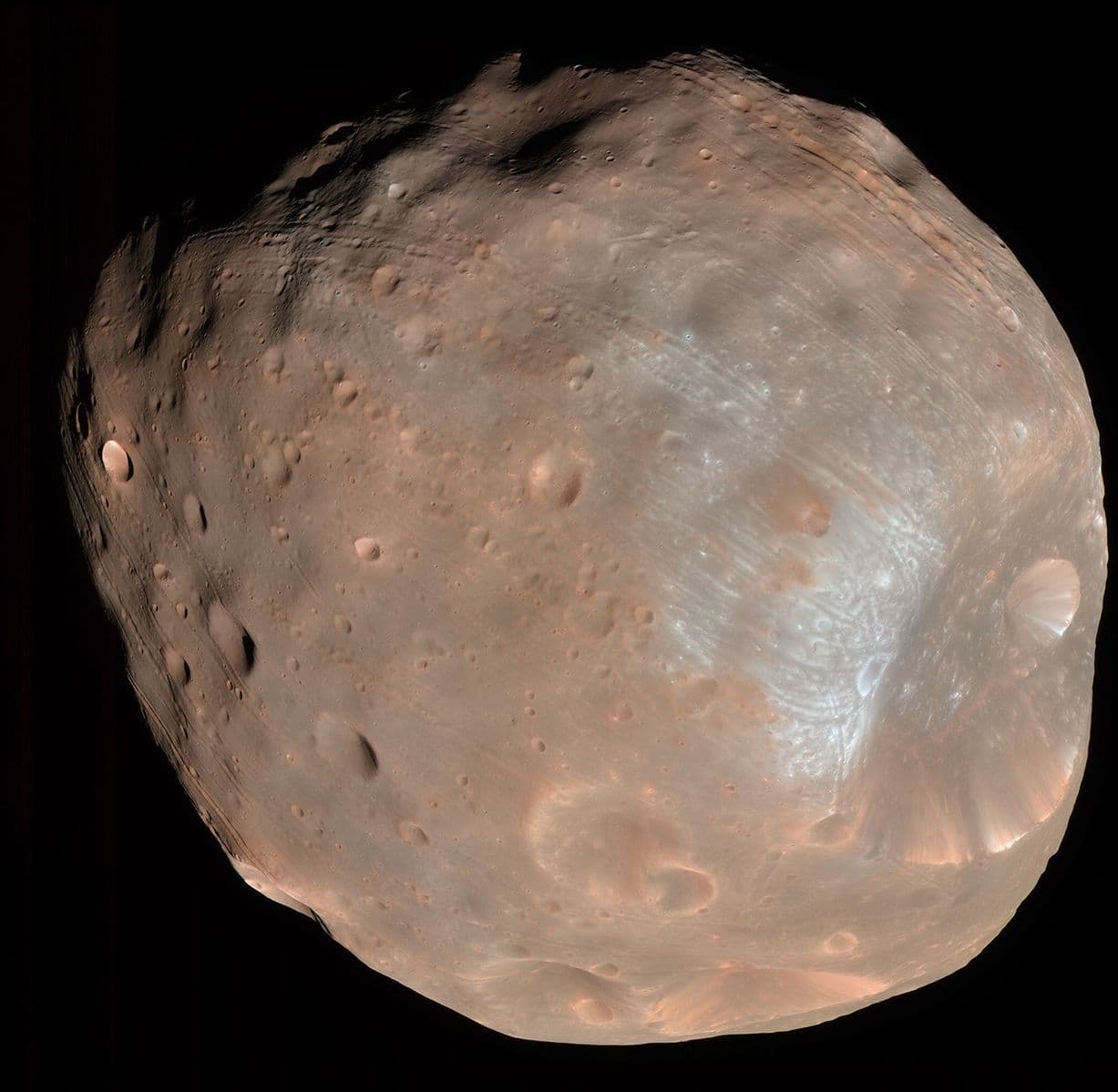
MMX Launch Date and Time: Japan's Phobos Sample-Return Timeline
Japan's MMX mission targets October 20 in Japan, October 19 in Europe and America. A time-zone guide and mission timeline explain the Phobos sample-return plan.
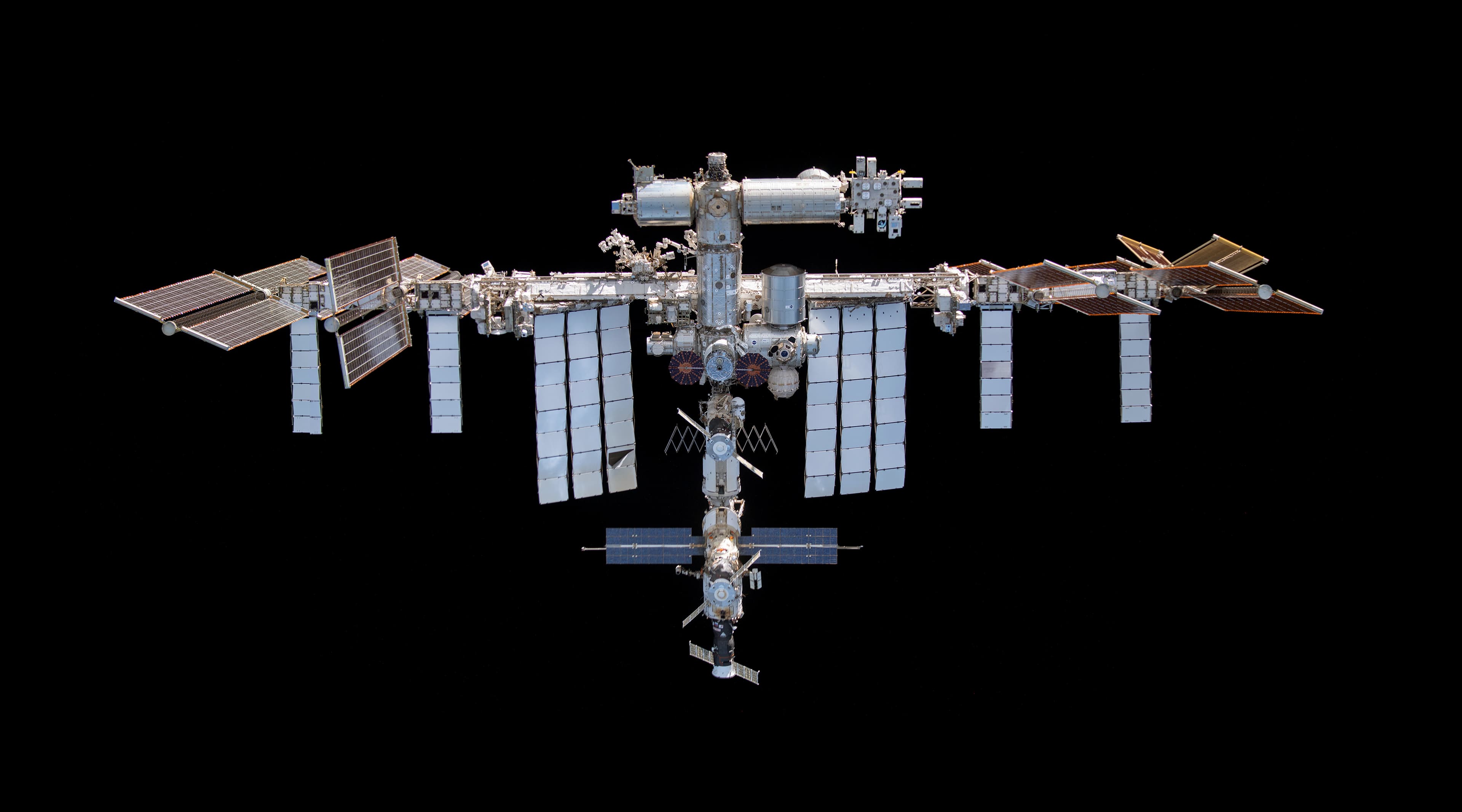
NASA's Commercial Space Station RFP: December 8 Deadline and the ISS Transition
NASA has opened its final competition for commercial space stations. A dated milestone guide separates the bidding deadline from contract awards, crew certification and the ISS retirement decision.