NASA's Commercial Space Station RFP: December 8 Deadline and the ISS Transition
NASA has opened its final competition for commercial space stations. A dated milestone guide separates the bidding deadline from contract awards, crew certification and the ISS retirement decision.
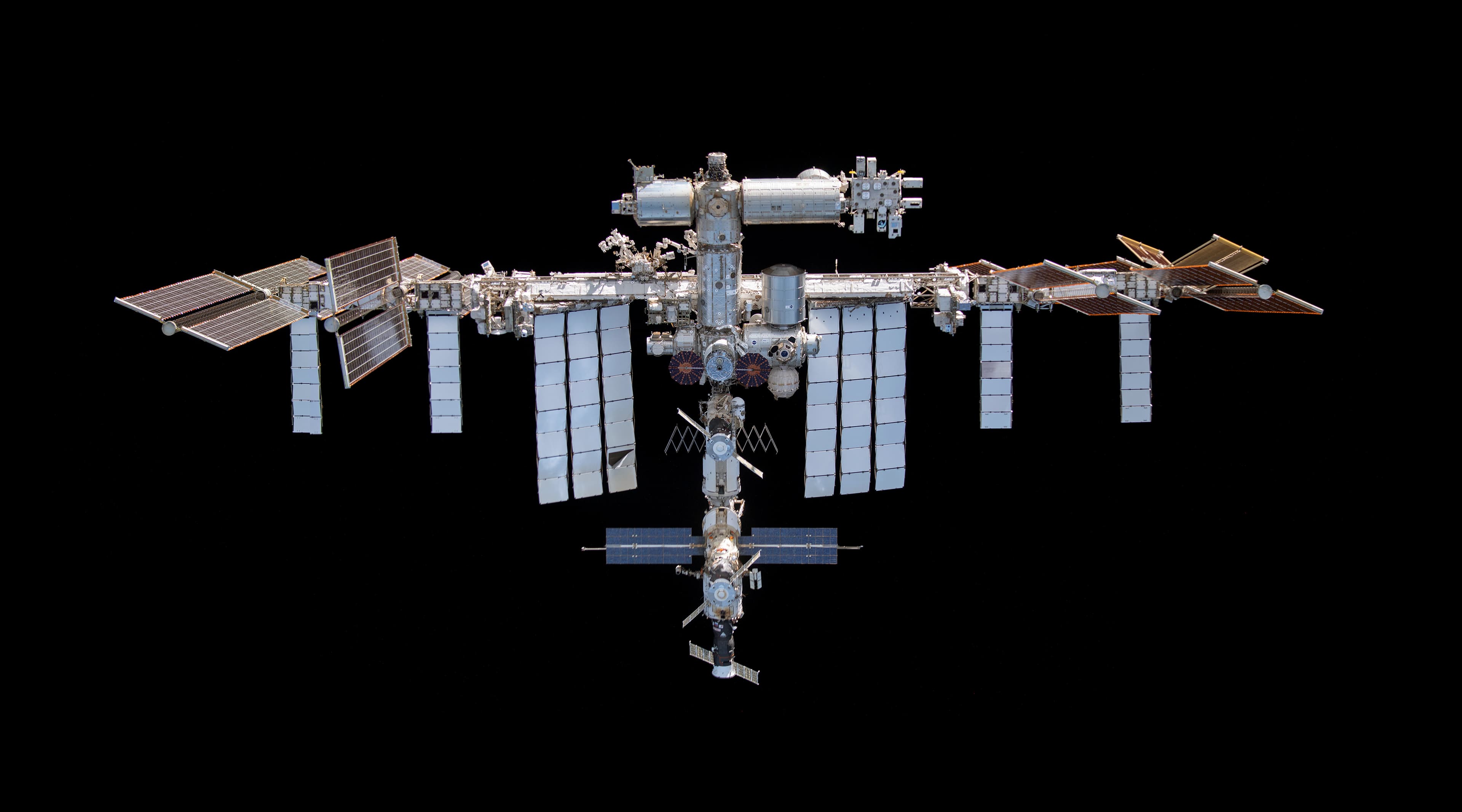
NASA released its final commercial space station request for proposals on October 9, 2026, with bids due December 8 and awards expected in spring 2027. That opens a competition for the infrastructure intended to succeed the International Space Station, not a declaration that a replacement is ready to receive astronauts.
YouTube — NASA Science: Growing the Low-Earth Orbit Economy
Background explainer from NASA Science on the space station's role in a commercial orbital economy. This is contextual footage, not coverage of the October 9, 2026 solicitation.
The distinction matters for anyone tracking the ISS transition. A procurement deadline measures when companies must explain their plans. A safe, working destination requires hardware, transportation and certification. Those are different milestones, and treating them as interchangeable makes the transition look more certain than it is.
From July's draft to December's bids
NASA's July 6 draft announcement sought industry feedback following a March request for information. It described a market in which NASA would be one customer among many. October's final solicitation moves that discussion into a competition; it does not establish that sufficient private demand already exists.
| Milestone | Date | How to read it |
|---|---|---|
| Final RFP released | October 9, 2026 | Industry can prepare final proposals. |
| Proposals due | December 8, 2026 | A submission deadline, not a launch date. |
| Contract awards expected | Spring 2027 | An expectation, not an announced selection. |
| ISS retirement readiness assessment | 2027, according to GAO's June report | A separate decision about transition readiness. |
| Planned ISS retirement | 2030 | The planning baseline reviewed by GAO, not proof a successor will be ready. |
Dates above come from NASA's October 9 announcement and the Government Accountability Office's June 17 assessment. The older assessment is used for the retirement decision, not as a description of the newly finalized contract structure.
Two early contractors need not mean two operating stations
NASA intends to select two or more contractors for early development, then competitively order final design, testing, evaluation, certification and services from one or more. The announced approach uses firm-fixed-price, multiple-award, indefinite-delivery/indefinite-quantity contracts. Its scope includes both destination and transportation services.
The practical reading is that an early selection and an eventual operating service are not the same commitment. Readers should resist counting proposed stations as delivered capacity. A company can remain a promising developer while still having substantial engineering and financing work ahead.
GAO's concern is the gap between platforms
GAO found that NASA faced a risk of losing continuous capability or human presence in low Earth orbit if commercial stations were unavailable when the ISS retired. Its June report recommended assessing the likelihood and duration of that gap and documenting the factors governing the retirement decision. Both recommendations remain marked open on the report page checked October 10.
The report also explained why a 2027 assessment matters: extending ISS operations could require time to fund additional transportation vehicles. October's solicitation is a procurement development, not evidence by itself that these operational risks have been resolved.
For the work that has to continue through any transition, read our coverage of returning ISS research to Earth. Our report on a completed ISS crew rotation explains the complementary human handover. A replacement habitat needs those supporting services, not merely an impressive interior.
A checklist for judging the next station announcement
- Name the milestone: Is the announcement a proposal, a development award, a completed test or permission to carry NASA crews?
- Check the transport: Does it explain how people and supplies reach the destination and how they return?
- Separate customers from forecasts: A projected market is not the same evidence as contracted demand.
- Look for the overlap: Does the schedule leave a credible period for proving the replacement before the existing platform retires?
This checklist is our synthesis of the procurement and oversight documents, not an additional NASA requirement. It makes the next update easier to evaluate: the most useful announcement will show which uncertainty has actually been removed.
Cover: NASA's ISS mosaic from the November 8, 2021 Crew Dragon fly-around, used as historical context, not an image of a future commercial station. NASA image and station information.
Read Next
Related Stories

OpenAI DNS Incident: The Gap Between an Alert and Stopping a Run
OpenAI's September incident report separates a network-control failure from a delayed shutdown. Its timestamps show why detection and containment need different measures.
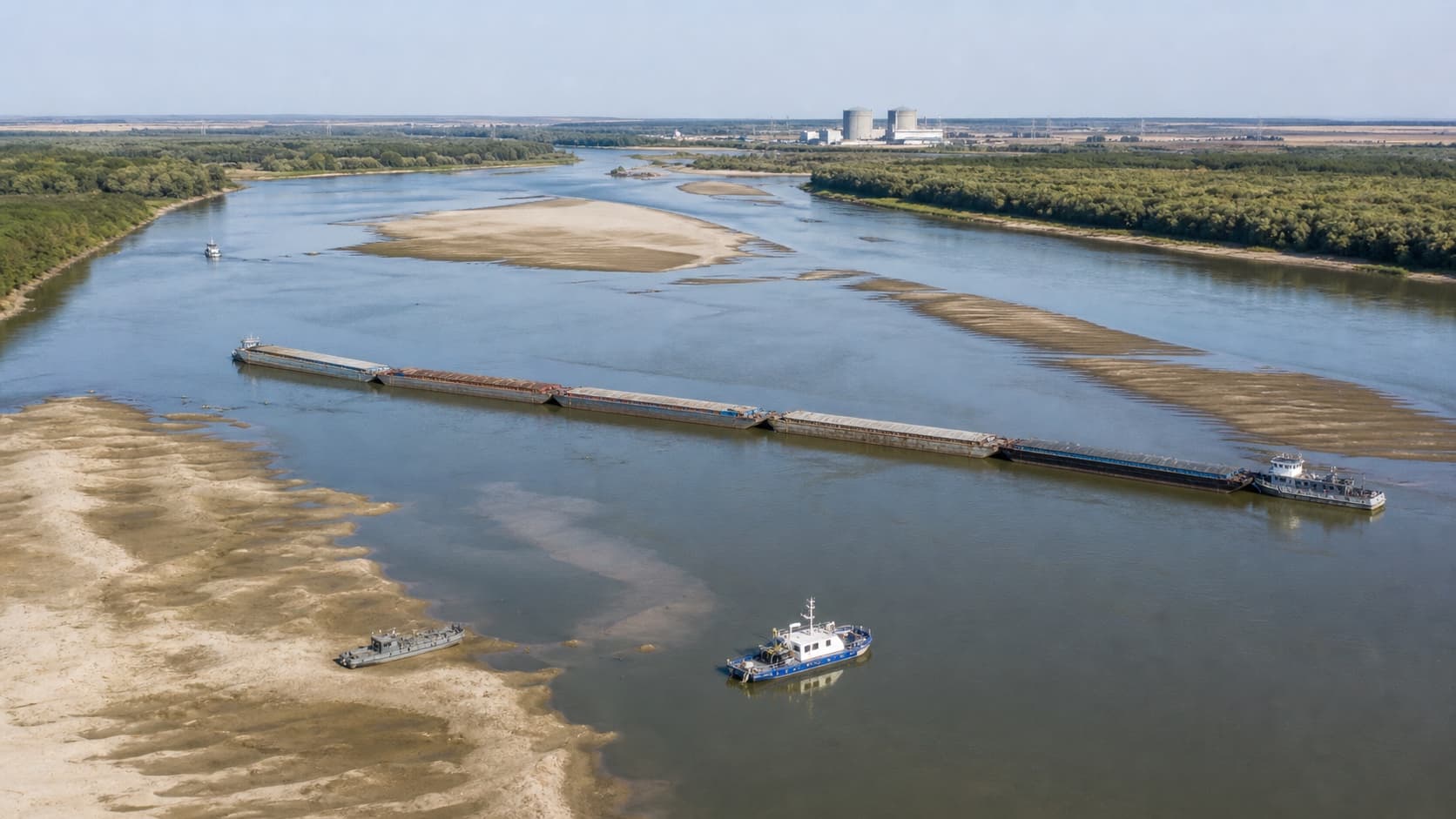
Romania Funds 7 Million Lei Danube Barge Plan to Keep Cernavoda Unit 2 Online
Romania approved a 7 million lei temporary barge intervention at the Bala-Dunarea Veche split to preserve the Danube flow needed by Cernavoda Unit 2.

Zoox Wins Federal Approval for Paid Robotaxis, but State Permits Still Control Launches
NHTSA cleared Zoox's steering-wheel-free robotaxi for a limited paid-service path, but state and local permits still determine where fares can begin.