Lebanon Strikes After Ceasefire: Regional Escalation and Diplomatic Stakes
The latest Israeli strikes in Lebanon are more than another breach report. They test whether a ceasefire can survive when the state force expected to stabilize the south is itself hit.

Ceasefires rarely collapse all at once. More often, they begin to fray in the places where paper agreements meet roads, villages, chain-of-command problems and the people asked to trust yesterday's signatures. That is why the latest Israeli airstrikes in Lebanon deserve more than a casualty count.
AP Archive — Tensions high along Israel's border with Lebanon
AP Archive video providing current visual context for the border-security environment around the ceasefire.
NPR reported that Israeli airstrikes killed nine people, including Lebanese army officers, after a ceasefire deal. Associated Press coverage described the dead among Lebanese army personnel after a strike on a road in southern Lebanon. The verified public record remains incomplete, and claims about targeting should be handled carefully. But the central danger is already visible: a ceasefire built partly around strengthening Lebanese state authority becomes harder to sustain when the state force itself is hit.
The army is not a bystander in this agreement
Southern Lebanon's problem has always been larger than one border line. The ceasefire logic depends on reducing Hezbollah's armed role and increasing the Lebanese army's practical control. That sounds clean in diplomatic language. On the ground, it requires soldiers to patrol roads, remove or monitor weapons networks, reassure civilians and avoid being treated by either side as camouflage for an enemy.
When Lebanese army officers are killed, even in circumstances still being clarified, the politics change. Lebanese officials face public pressure to defend national dignity. Israel faces renewed scrutiny over whether its strikes reinforce security or undermine the very state institution it says must control the south. Hezbollah gains an argument that the state cannot protect its own. Civilians get another reminder that agreements signed above them do not always quiet the sky.
| Layer | Immediate pressure | Longer risk |
|---|---|---|
| Southern villages | Fear of renewed strikes and displacement | Residents lose confidence in return plans |
| Lebanese army | Patrols under political and physical stress | State authority appears fragile |
| Israel | Pressure to prevent Hezbollah rearming | Operations can erode ceasefire legitimacy |
| Diplomats and monitors | Need to clarify violations quickly | Ambiguity becomes the conflict's fuel |
The dangerous middle between enforcement and escalation
Israel's security argument is familiar: it says it must prevent Hezbollah from rebuilding military capacity near the border. Lebanon's counterargument is equally potent: a ceasefire cannot become a standing permission slip for attacks that damage sovereign institutions. Neither concern is trivial. The tragedy is that both can be true enough to keep the region tense.
The most important questions now are not rhetorical. Who exactly was targeted? What evidence was used? Did monitors receive timely information? Were Lebanese army movements coordinated or known? What is the mechanism for disputing a strike before the next one? A ceasefire without a fast, trusted argument-settlement process becomes a waiting room for the next explosion.
What this means for civilians
The diplomatic discussion can sound abstract, but the human stakes are blunt. Families in southern Lebanon want to know whether roads are safe, whether schools can reopen, whether fields can be worked and whether a uniformed soldier nearby means protection or danger. Northern Israeli communities want credible assurance that armed groups will not reestablish launch positions across the border.
That is the cruel arithmetic of this front: every side claims security, and civilians are asked to live inside the gap between competing definitions of the word.
The ceasefire is not dead because one incident occurred. Ceasefires can absorb shocks if institutions move quickly, explain clearly and discipline their own actors. But this particular shock hits the agreement near its weakest joint. If the Lebanese army is supposed to be the bridge away from militia rule, it cannot also become acceptable collateral in the enforcement campaign. That is the problem diplomats now have to solve before the next incident solves it for them.
Why ambiguity is so corrosive here
In a stable environment, investigators can take time. In southern Lebanon, time itself becomes political. Each hour without a credible public account lets different actors fill the vacuum. One side emphasizes militant infrastructure. Another emphasizes sovereignty and civilian fear. Another points to the deaths of uniformed Lebanese personnel as proof that the state is being humiliated. The facts still matter, but the narrative battlefield opens before all facts are known.
That is why monitors and diplomats need more than statements of concern. They need a repeatable public process. If an alleged violation occurs, who verifies it? How quickly? What evidence can be shared without exposing intelligence sources? What happens when civilians or state soldiers are harmed? A ceasefire that cannot answer those questions becomes dependent on restraint alone, and restraint is a fragile currency in this conflict.
Hezbollah’s role sits behind every line of the story
Even when Hezbollah is not the named subject of a strike report, the group shapes the logic of the border. Israel's stated security concern is that Hezbollah can rearm, rebuild and return to positions that threaten northern communities. Lebanon's institutional challenge is that the army is expected to expand control without triggering internal rupture or appearing to act as a subcontractor for Israeli security demands.
That makes the Lebanese army's position exceptionally difficult. It must be credible to Lebanese citizens, acceptable enough to international monitors and strong enough to reduce Hezbollah's military space. If its officers are killed during the ceasefire period, the argument for state-led stabilization becomes more fragile. The army cannot become the symbol of a solution if its own presence is treated as expendable.
The next diplomatic test is therefore not simply whether the guns quiet for a few days. It is whether the ceasefire can protect the institution that is supposed to make future quiet possible.
For further reporting on this subject, see our Middle East Diplomacy coverage.
Read Next
Related Stories

French Senate Election 2026: RN's Group Breakthrough and the 10-Member Rule
RN officials announced enough senators for a group after the September 27 election. Here is why 178 seats, a 10-member threshold and a 14-member claim mean different things.

Swiss Neutrality Vote: 70.15% Reject Stricter Rules on Sanctions and Military Cooperation
Switzerland remains neutral after voters rejected a stricter constitutional definition. The official result and the sanctions exceptions explain what stays unchanged.
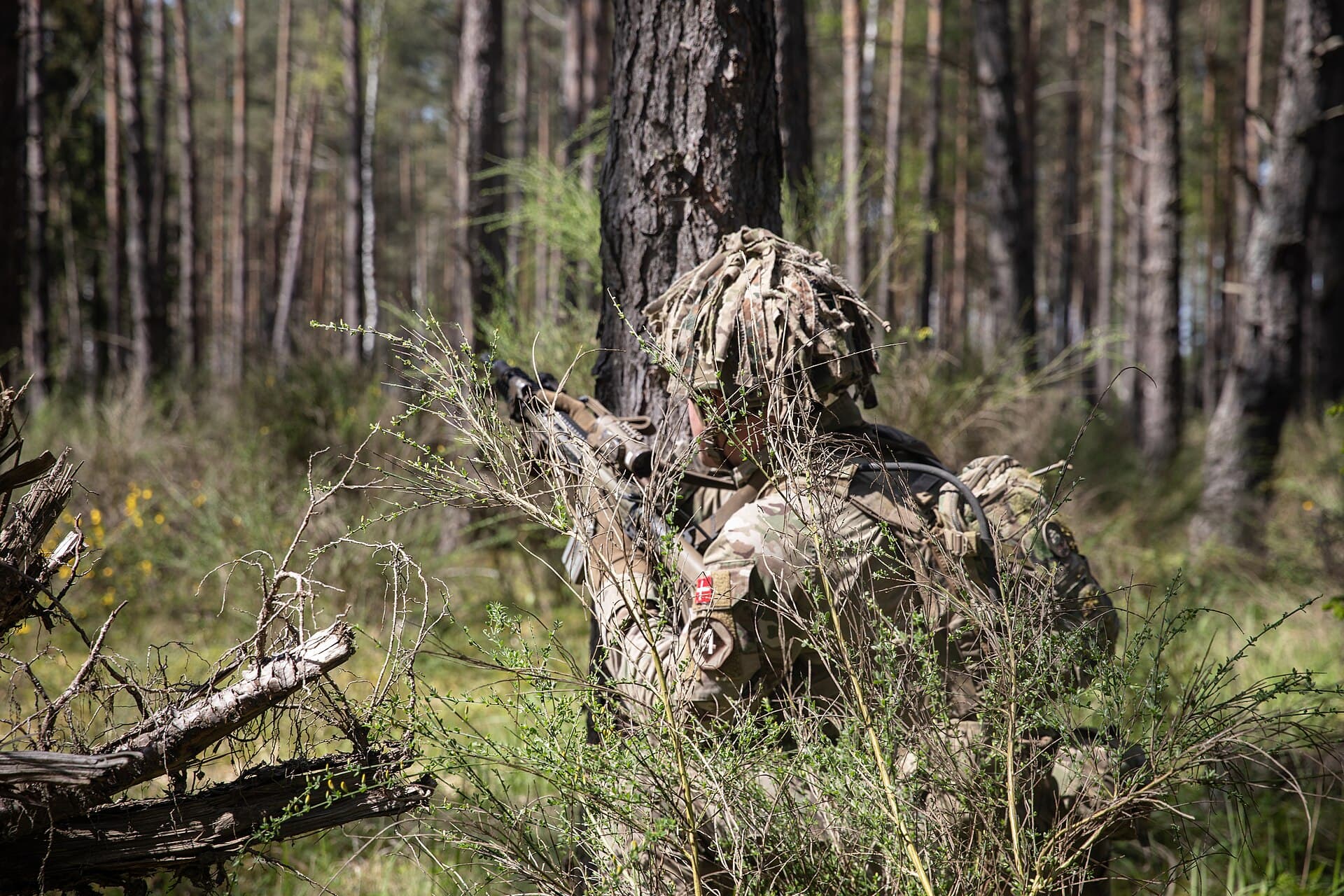
Denmark's 11-Month Military Service Starts With 1,600 Volunteers Across 14 Bases
Denmark's first full 11-month military-service cohort includes about 1,600 volunteers at 14 sites. Equal conscription applies if volunteers fall short.