Swiss Neutrality Vote: 70.15% Reject Stricter Rules on Sanctions and Military Cooperation
Switzerland remains neutral after voters rejected a stricter constitutional definition. The official result and the sanctions exceptions explain what stays unchanged.
Swiss voters rejected the neutrality initiative on September 27, 2026, by 70.15% to 29.85%, according to the Federal Statistical Office's provisional final result. Switzerland remains neutral. What failed was a proposal to restrict how the country applies neutrality, particularly when adopting sanctions against states at war or cooperating with military alliances.
YouTube — Swiss Federal Council: September 27, 2026 referendum results
Official Federal Council results press conference, September 27, 2026. The original-language recording covers the federal ballots; use the direct-watch link if the player is unavailable.
That distinction matters beyond Bern: a defeat for this initiative is not a decision to join NATO, enter a war or introduce a new sanctions package. It leaves the existing framework in place rather than adding the proposed constitutional restrictions.
The result: a nationwide rejection, not a narrow escape
The official results dashboard, updated at 4:12 p.m. Swiss time on September 27, records 1,854,767 votes against and 789,130 in favour. Turnout was 47.06%. All 26 cantons rejected the initiative; the dashboard labels the completed count a provisional final result.
| Choice | Votes | Share of valid votes |
|---|---|---|
| No | 1,854,767 | 70.15% |
| Yes | 789,130 | 29.85% |
The scale also matters geographically. Ticino recorded 51.75% against, while Basel-Stadt recorded 79.91% against. Both rejected the proposal, but their 28.16-percentage-point gap, calculated from the official figures, cautions against treating the country as politically uniform. A national majority tells us the decision; it does not tell us every voter's reason.
The restrictions voters declined to add
The proposed constitutional article, reproduced on pages 18-19 of the official voting booklet, combined several different rules. Reading those provisions separately is more useful than treating the ballot as a choice between neutrality and its opposite.
- Military alliances: Switzerland would not join a military or defence alliance. Cooperation with one would be permitted only if Switzerland were directly attacked or preparations for such an attack were under way.
- Sanctions: the text would prohibit sanctions against a belligerent state, while preserving obligations towards the United Nations and measures to prevent circumvention of sanctions imposed by other states.
- Mediation: Switzerland would use its neutrality to help prevent and resolve conflicts.
The exceptions are important. Describing the proposal as a ban on every sanction would erase both the UN provision and the anti-circumvention provision. Equally, describing Sunday's outcome as a vote for military alignment would confuse rejection of a proposed restriction with adoption of a different policy.
The campaign's competing ideas are set out in the same booklet. Supporters argued that a firmer definition would protect peace and independence against outside pressure. The Federal Council and Parliament argued that the existing system supplied necessary flexibility. Those are the opposing cases, not findings established by the vote count.
Why Russia sanctions sit at the centre of the argument
In its explanation of the initiative, the Swiss foreign ministry says the Federal Council decides case by case whether to adopt non-UN sanctions under the Embargo Act. It can adopt measures fully, partly or in adapted form. The ministry says Switzerland has largely adopted EU sanctions following Russia's invasion of Ukraine.
The ministry's pre-vote assessment was that acceptance would require lifting sanctions already in force against belligerents, while the anti-circumvention exception would need closer analysis. Rejection therefore avoids that proposed constitutional constraint. It does not mean that every future EU measure automatically becomes Swiss policy.
Nor does cooperation necessarily mean membership. The ministry distinguishes military exercises outside a wartime context from a mutual-defence commitment. That is the practical dividing line readers should keep in mind when the next argument about Swiss security cooperation arrives.
A clear result leaves a live political disagreement
SWI swissinfo's post-vote reporting records the continuing disagreement. Centre Party Senator Marianne Binder-Keller defended cooperation and sanctions as compatible with Swiss security. Pro Schweiz president Stephan Rietiker questioned whether cooperation means preparation for a possible attack or integration into NATO structures. The ballot settles this proposed amendment, not every future dispute over that boundary.
For a different example of Swiss voters being asked to set hard constitutional limits, our June preview of the population-cap initiative explains its proposed thresholds and EU links. It is background on that separate campaign, not a report of today's result. Our Europe coverage follows the wider security and institutional decisions around Switzerland.
The Federal Council's September 27 results press conference is available in the embedded player, with a direct YouTube link if the player does not load. The numerical results above come from the statistical office, not an interpretation of the video.
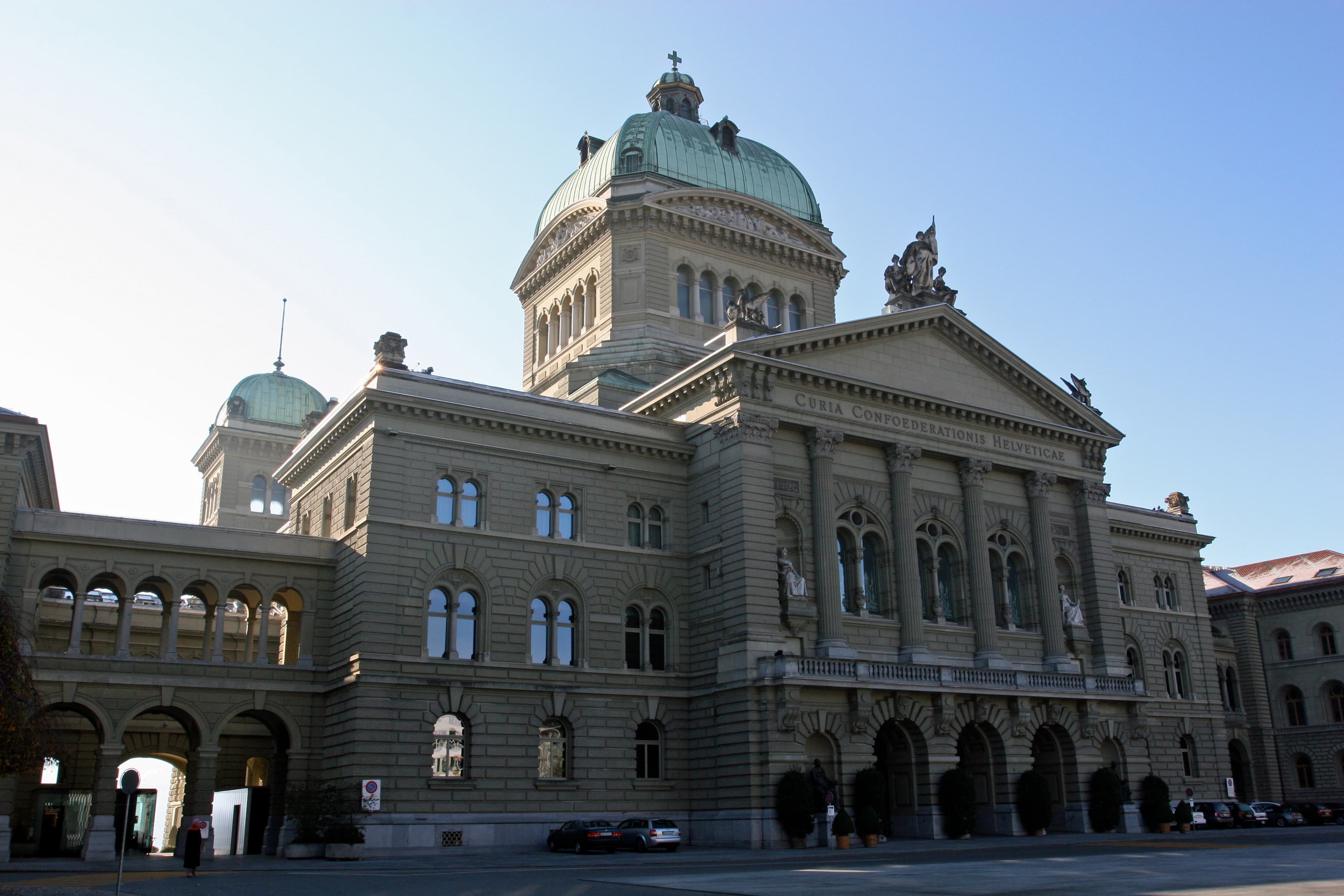
Cover photograph: Federal Palace, Bern, November 20, 2005, by Marc-Lautenbacher via Wikimedia Commons, CC BY-SA 4.0. Unaltered historical context image; not a photograph of the 2026 vote.

Read Next
Related Stories
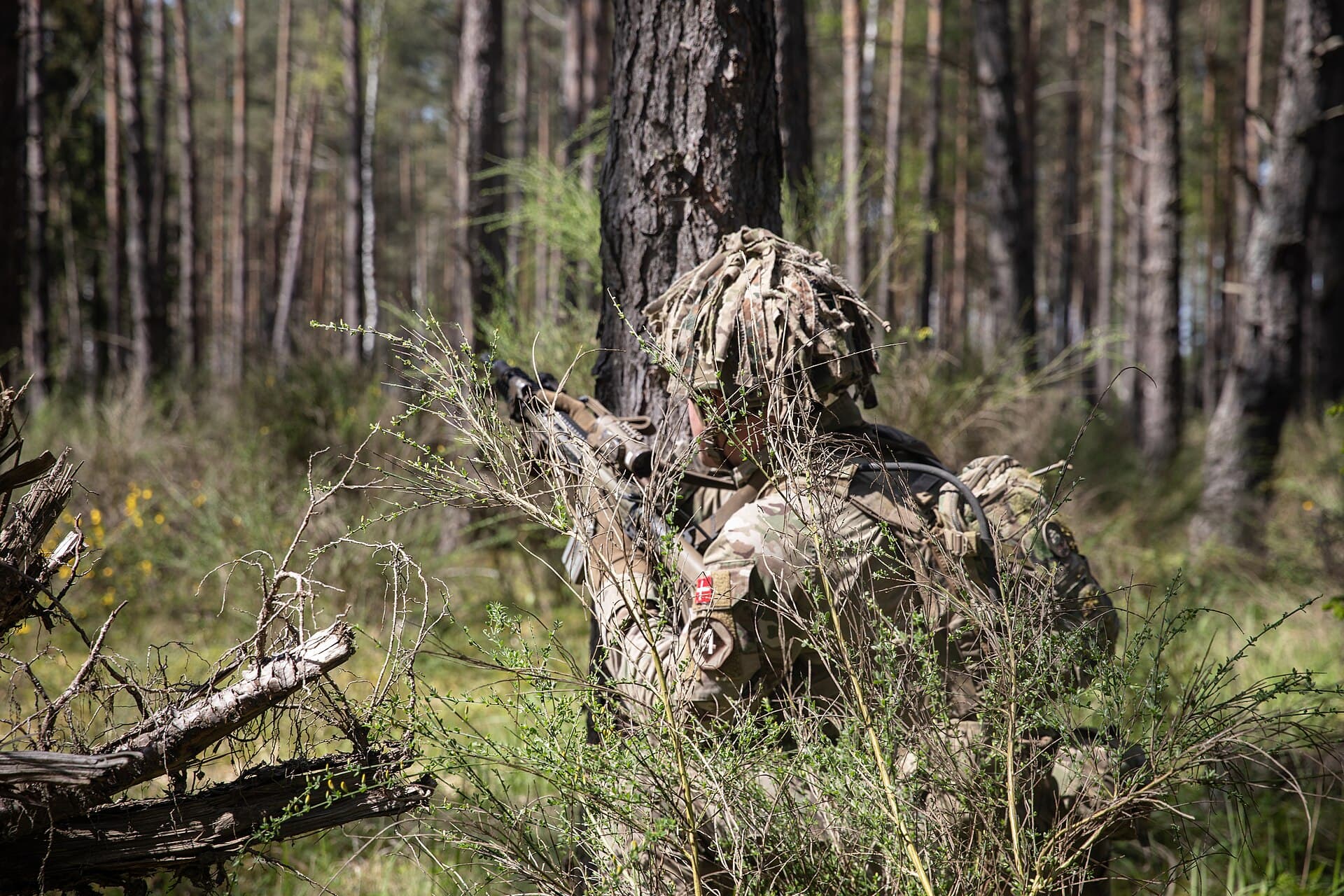
Denmark's 11-Month Military Service Starts With 1,600 Volunteers Across 14 Bases
Denmark's first full 11-month military-service cohort includes about 1,600 volunteers at 14 sites. Equal conscription applies if volunteers fall short.

Lula Wins PT Nomination for Brazil's 2026 Election With Alckmin as Running Mate
Brazil's Workers' Party formally selected Lula and Geraldo Alckmin for the 2026 presidential election. Candidate registration is due August 15.

Ceuta Migrant Crossing Death Toll Reaches 67 as Spain Adds a 500-Meter Barrier
Spain says 67 people died during the mass crossing into Ceuta and is adding a 500-meter sea-border barrier after most entrants returned to Morocco.