Denmark's 11-Month Military Service Starts With 1,600 Volunteers Across 14 Bases
Denmark's first full 11-month military-service cohort includes about 1,600 volunteers at 14 sites. Equal conscription applies if volunteers fall short.
Denmark started its first full 11-month military-service cohort on Monday, August 3, 2026, with about 1,600 young people reporting to 14 sites across the army, navy and air force. Every member of this intake volunteered, according to the Danish Defence Command's announcement.
The new model replaces Denmark's previous four-month standard service with a programme intended to produce personnel who can join operational units after their initial training. It also sits under a separate legal change: women and men are now subject to the same conscription rules. That does not mean the 1,600 people who started on August 3 were drafted.
Equal conscription applies if Denmark does not recruit enough volunteers
Denmark's equal-conscription law took effect on July 1, 2025. It changed the governing language from men to citizens and requires women who turn 18 on or after that date to attend Defence Day, receive a fitness assessment and take part in the same selection system as men. The enacted statute preserves the previous rules for women who had already turned 18 before July 1, 2025.
The practical distinction is between liability and selection. Eligible women can now be ordered to serve if Denmark cannot fill its places voluntarily, just as eligible men can. The Defence Command says all members of the August 3 cohort volunteered, so equal liability did not turn this intake into a compulsory call-up.
Volunteering was already the norm before the law changed. Danish Defence's latest published annual breakdown shows that all 4,679 people who began service in the armed forces in 2024 entered voluntarily. Women accounted for 1,103 of them, or 23.6%, according to the command's personnel statistics. Those figures predate equal liability and therefore describe women serving under the former voluntary arrangement.
The expansion is larger than a change in eligibility. Danish Defence says the planned number of military-service places rises from just under 5,000 to 6,500, while annual Defence Day call-ups are expected to increase from roughly 35,000 to as many as 70,000. The broader screening pool gives the armed forces more candidates for specialist tracks, including roles with higher medical, resilience or security-clearance requirements.
Five months of training lead into six months of operational work
The 11-month schedule is designed to keep recruits in useful assignments after basic instruction. In the navy's published model, the first five months combine basic maritime training, specialist instruction and unit preparation. The final six months place the service members alongside regular sailors in operational tasks. Initial specialties include combat information and deck-and-weapons roles, with logistics, communications, maritime force protection and technical training among the additional tracks.
This is a material change from a short introductory programme. Danish Defence says its combat-information trainees will learn to use systems and sensors for surface, air and underwater situational pictures; that work can require clearance up to NATO Secret. The service is therefore being used as both a training pipeline and a temporary staffing source for units that have struggled to retain enough young personnel.
The personnel change belongs to a wider European defence buildup. PanoramaDigest's reporting on the EU's AGILE defence innovation programme covers the technology and procurement side of that expansion, while the Europe topic hub tracks related policy shifts across the region. Denmark's programme addresses the workforce side: more people screened, longer service and a defined operational period.
The August intake is the full national start, not the first time anyone has served for 11 months. Smaller groups voluntarily extended their service earlier in 2026 so units could test parts of the model. August 3 is the clearer public milestone because all three armed-service branches began the strengthened programme together across 14 locations.
Two measures will show whether the reform works as intended. The first is whether future cohorts remain large enough to avoid compulsory selection. The second is whether five months of training produces recruits who can safely perform useful operational duties for the remaining six months. Denmark has now established the legal pool and opened the places; completion, retention and later voluntary-versus-compulsory figures will show what the larger system delivers.
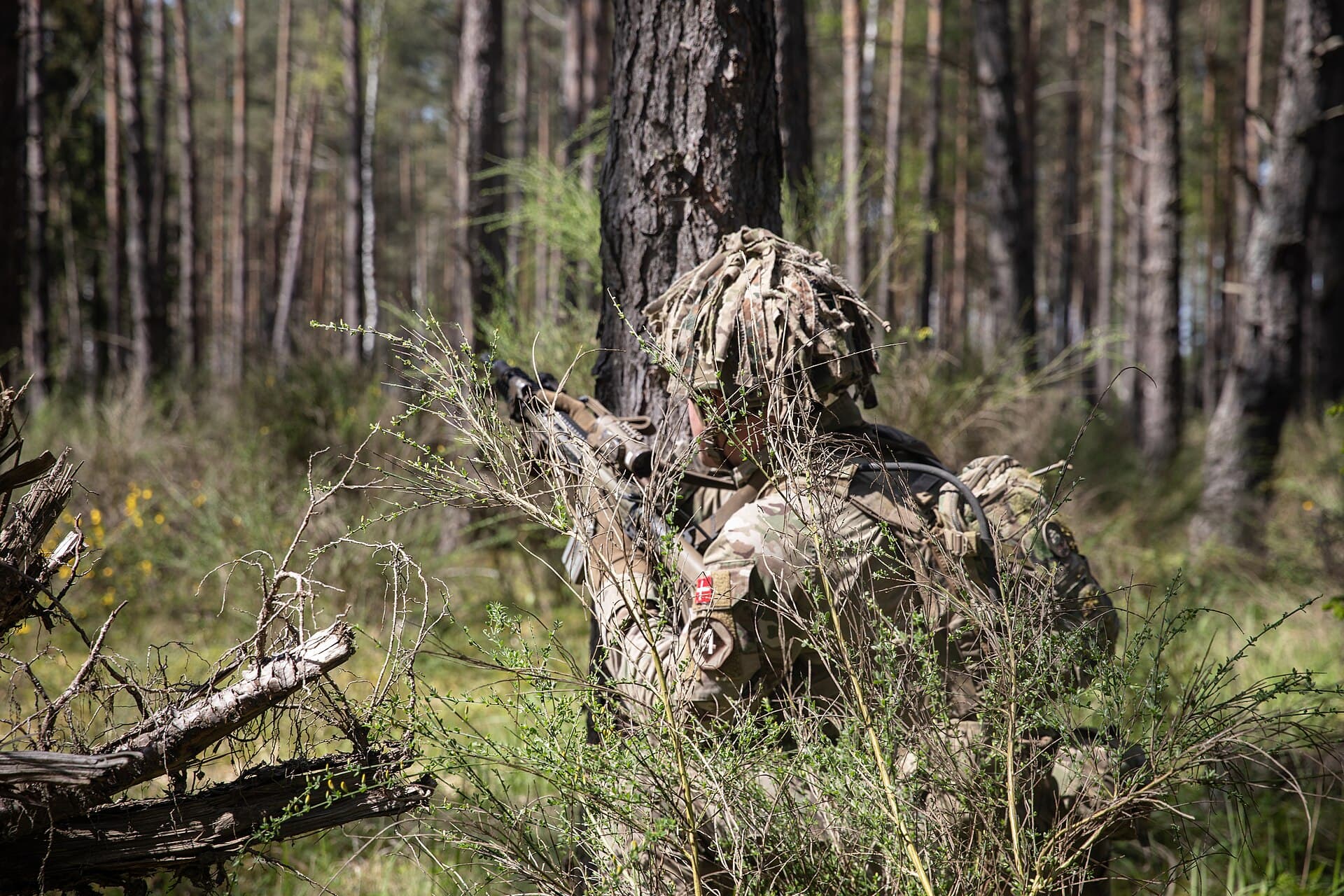
Cover photograph: Spc. Adrian Greenwood / U.S. Army via Wikimedia Commons, public domain as a work produced in official U.S. Army duties. It shows Royal Danish Army soldiers training in Germany on April 30, 2024, and is used as military-training context; it does not depict the August 3, 2026 intake.
.jpg)
Reader Sentiment & Impact Pulse
How do you evaluate the primary outcome of this development?
Select an option to cast your perspective. Responses are anonymous and aggregated in real time.
Key Context & Frequently Asked Questions
Denmark's first full 11-month military-service cohort includes about 1,600 volunteers at 14 sites. Equal conscription applies if volunteers fall short. This analysis from PanoramaDigest examines primary documentation, operational implications, and broader institutional impacts across world.
Read Next
Related Stories

Japan Surpasses 100,000 Centenarians for the First Time, Highlighting Global Demographic Pressures
Japan's centenarian population has officially breached the 100,000 threshold for the first time, signaling an unprecedented demographic milestone with profound implications for labor markets, social security, and global aging policy.

Houthi Advances Expand Iranian Leverage Over US and Saudi Arabia Amid Rising Domestic Discontent
Strategic military gains by the Houthi movement have bolstered Tehran's position in regional negotiations with Washington and Riyadh, even as severe economic strain threatens the group's domestic legitimacy within Yemen.
Saudi Arabia Alleges Houthi Drone Attack Targeting Mecca, Escalating Regional Tensions
Riyadh has accused the Iran-backed Houthi movement of launching an aerial drone targeting the holy city of Mecca, a charge the militant group has vehemently denied. The incident threatens to derail fragile diplomatic efforts across the Middle East.