Brad Lander Was Acquitted. The More Important Signal Is What the Judge Would Not Infer.
Brad Lander's June 11, 2026 acquittal in the 26 Federal Plaza protest case mattered less as a campaign talking point than as a reminder that prosecutors still have to prove intent, not just proximity to disorder.
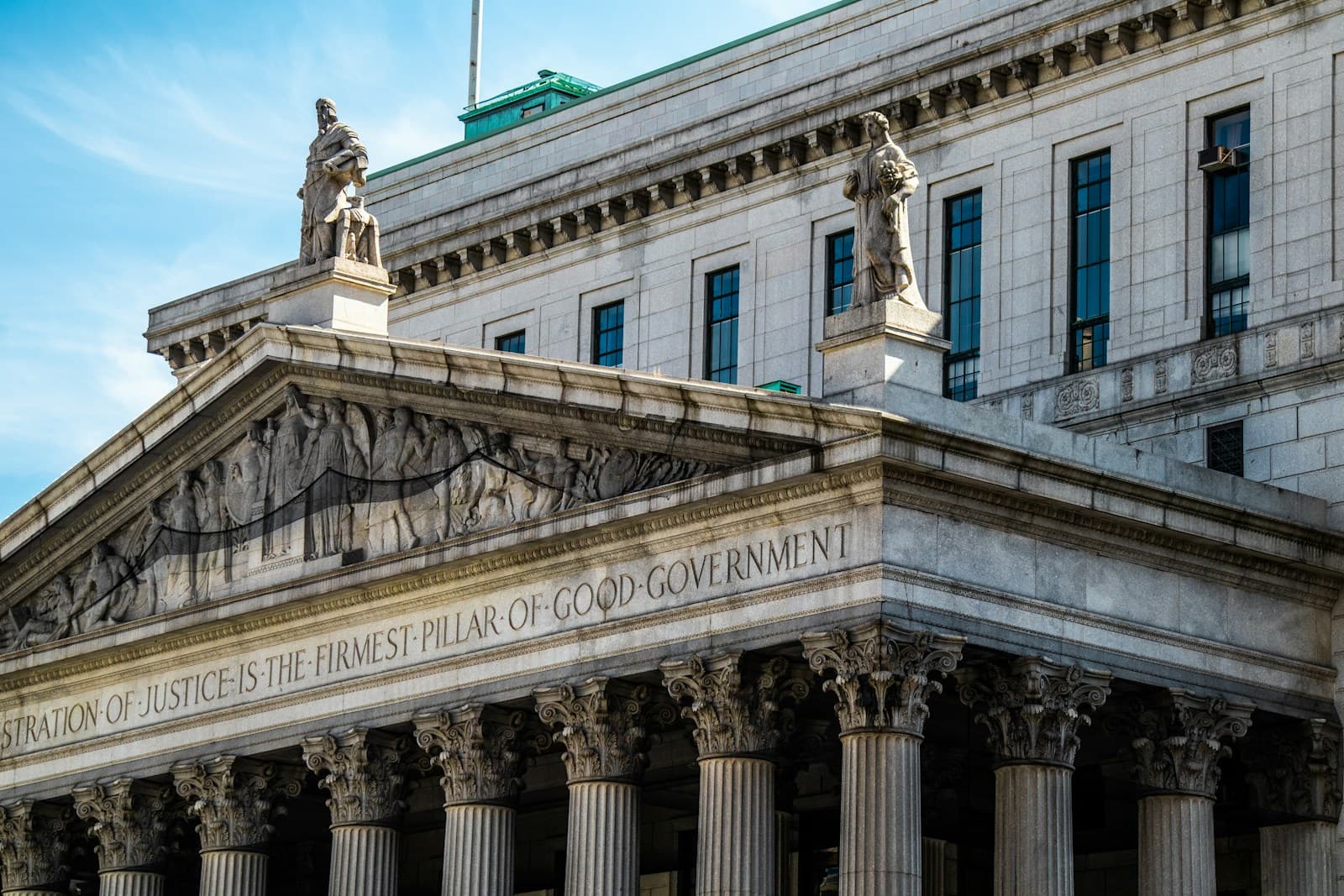
Brad Lander walked out of Manhattan federal court acquitted on Thursday, June 11, 2026. The narrow legal question was whether he intentionally obstructed an elevator bank during a September 2025 protest inside 26 Federal Plaza. The broader civic question was whether federal prosecutors could turn the mood and optics of a protest into proof of criminal intent.
Associated Press reported that U.S. Magistrate Judge Henry J. Ricardo found Lander not guilty after a one-day bench trial, concluding prosecutors had not shown that he meant to block elevator access or resist instructions. The Guardian's verdict coverage and its earlier trial report added the detail that shaped the case: Ricardo was not persuaded that sitting near the elevator bank and chanting at a protest automatically proved a willful effort to obstruct the building's ordinary function.
That distinction is why this story matters beyond one candidate, one courthouse and one New York district. Readers should see the acquittal less as a sweeping ruling on protest rights and more as a limit on prosecutorial shortcutting. A courtroom can accept that a protest was disruptive, tense and politically charged while still refusing to assume that disruption alone proves the mental state needed for a conviction.
What the judge ruled, and what he did not
The charge against Lander came from a September 18, 2025 protest after he and other elected officials tried to inspect immigrant hold rooms inside 26 Federal Plaza. The Guardian reported that the protest followed allegations of overcrowded and unsanitary detention conditions and came after a federal judge had ordered improvements. When access was denied, the officials sat on the 10th floor and protested. Prosecutors argued that Lander blocked the elevator area and ignored warnings.
Ricardo's acquittal did not amount to a declaration that every tactic used that day was protected. It was narrower. AP reported that the judge found the government had failed to prove intentional obstruction. The Guardian reported that Ricardo also rejected the prosecution's effort to treat the protest chant "we shall not move" as enough, by itself, to show an intent to physically impede elevator use.
| Question | What the current reporting supports | Why it matters |
|---|---|---|
| What charge failed? | A misdemeanor-style obstruction case tied to alleged blocking of an elevator bank at 26 Federal Plaza. | The verdict was about a specific alleged act, not a wholesale legal reset around federal-building protests. |
| Why did it fail? | The judge found prosecutors had not proved Lander intentionally obstructed access. | Intent remains the hard line between a disruptive protest and a conviction. |
| What evidence was not enough? | Current reporting says the court was not convinced by the government's reading of Lander's position and protest chants. | Courts may resist turning atmosphere and symbolism into proof of motive. |
| What larger issue stayed in the background? | The protest was tied to concerns about detention conditions and access to oversight inside a federal building. | The case touched both protest law and the accountability fight around immigration enforcement spaces. |
Why the ruling lands beyond one campaign
Lander is not just any protest defendant. AP noted that he is a Democratic congressional candidate challenging Rep. Dan Goldman. That makes it tempting to read the acquittal only as campaign oxygen. But the stronger read is institutional. The Trump-era immigration enforcement fights have repeatedly blurred the line between oversight, civil disobedience and ordinary courthouse access. Thursday's ruling suggests that judges may be less willing than prosecutors to blur that line all the way into a conviction when the evidence of intent stays thin.
That does not make Lander a universal proxy for every future protest case. Facts still matter. Warnings matter. Access needs matter. Safety needs matter. But a government that wants to punish protest inside official spaces cannot assume a court will accept theatrical inference in place of specific proof.
- September 17, 2025: A federal judge ordered improvements to immigrant hold-room conditions at 26 Federal Plaza, according to The Guardian's trial report.
- September 18, 2025: Lander and other elected officials protested after being denied access to inspect the hold rooms.
- June 10, 2026: Lander's one-day bench trial focused on whether he intentionally obstructed elevator access.
- June 11, 2026: Judge Henry J. Ricardo acquitted him, finding the government had not proved intent.
The case was small on paper and larger in practice
One reason the ruling matters is that the charge itself sounded minor. Elevator access cases do not usually carry national symbolic weight. But small charges are often how governments test the boundaries of protest policing. A low-level case can still send a high-level message: stay away, do not challenge the building, do not assume your public role changes the rules.
Thursday's verdict sent a narrower message back. Judges may tolerate the government's efforts to preserve order, but they may still insist on evidence that connects a defendant's conduct to the exact legal theory being alleged. In that sense, the acquittal was not dramatic. It was disciplined. And discipline is often what makes a courtroom outcome more durable than a viral political reaction.
What readers should watch next
The next test is not whether Lander celebrates. It is whether similar cases keep being brought with the same thin theory of intent, and whether courts continue to separate genuine access interference from symbolic political prosecution. Readers should also watch whether federal agencies become more transparent about the detention and courthouse spaces that produced the protest in the first place. When access fights keep ending in arrest fights, the public usually learns more about enforcement priorities than about public safety.
Lander's acquittal did not settle the politics around ICE, protest or federal buildings. It did settle one important legal point on June 11, 2026: if the government wants a conviction, it cannot ask a judge to infer intent simply because a protest made power uncomfortable.
Continue reading: USCIS Can Now Refer Asylum Cases to Immigration Court Without an Interview.
Read Next
Related Stories

USCIS Can Now Refer Asylum Cases to Immigration Court Without an Interview
A DHS rule effective July 28 lets USCIS send some affirmative asylum applications directly to immigration court. Referral is not a denial, but the interview is no longer guaranteed.

Old Trails Fire Damage Estimate Reaches 640 Structures in Spokane
Spokane County's preliminary estimate says the Old Trails fire destroyed 640 structures, while evacuation zones remain active across northwest Spokane.

Seattle Center Shooting Kills Three and Injures Four at Bite of Seattle Festival
Seattle police say a shooting at the Bite of Seattle festival killed three people and injured four others, including a 2-year-old boy. One suspect was arrested and police continued searching for another.