Romania Senate Passes Fuel Bill Cutting Diesel Excise by 300 Lei per 1,000 Liters
Romania's Senate adopted a six-month fuel-market bill that would cut diesel excise by 300 lei per 1,000 liters, apply 19% VAT to gasoline and diesel, cap markups and restrict diesel exports. It is not yet law.

Romania's Senate adopted a fuel-market bill on Monday, July 27, that would reduce diesel excise by 300 lei per 1,000 liters, apply a 19% value-added tax rate to gasoline and diesel, limit commercial markups and require government approval for diesel exports. The vote was an important legislative step, but it did not change pump prices on Monday night: the Chamber of Deputies must still debate and approve the proposal before it can become law.
Stirile ProTV — Stirile PRO TV - 27 Iulie 2026 | Acciza dinamica la motorina
Stirile ProTV explains the July 27 diesel-excise proposal. The final figures and vote status in this article are verified against the Romanian Senate's adopted text.
The Senate's official record for L452/2026 says the bill passed the first chamber and was sent to the Chamber of Deputies. The electronic vote was 115 in favor, none against and eight abstentions.
That procedural status is the first practical fact for drivers and businesses. The proposal is not a government order already in force, and its six-month clock has not started. The adopted text says the fuel-market crisis period would begin on the law's effective date, could be extended in blocks of up to three months, and could end early if the conditions behind it ease.
The adopted text combines tax cuts, markup limits and an oil-price levy
The Senate's final-form text sets the diesel excise at 2,504.29 lei per 1,000 liters, down from 2,804.29 lei. Dividing the 300-lei reduction by 1,000 gives a direct excise change of 0.30 lei per liter before VAT. That is an exact tax calculation, not a promise that every retail price would fall by exactly 30 bani.
A pump price also reflects the underlying fuel cost, refining and distribution, the retailer's margin and VAT. The proposal addresses several of those components at once, but companies would still make pricing decisions within the new limits. A claimed retail saving should therefore be checked against the enacted text and actual station prices after any effective date, not treated as guaranteed from the Senate vote alone.
The bill also creates a temporary solidarity contribution for companies extracting Romanian crude. It would apply only in months when the average Brent price exceeds $70 a barrel. The schedule rises from 1.5% in the $70.01–$80 band to 9.9% above $140, while one category of domestic crude sales would face a separate 60% calculation on revenue above the 70-dollar reference.
Those provisions make this more than a simple excise cut. Parliament is trying to lower taxes at the pump while limiting how much of the relief can be absorbed elsewhere in the supply chain and reclaiming part of the upside from high oil prices. That combination also creates an implementation burden: tax authorities, the Competition Council, consumer-protection officials and energy authorities would need data from operators and rules for enforcement.
The final text gives the tax agency 15 days after entry into force to establish the solidarity-contribution declaration. It also sets turnover-based fines for breaches. Exceeding the markup limit could draw a fine of 0.5% to 1% of the prior year's turnover, while certain retail compliance failures could carry penalties from 100,000 to 500,000 lei.
The household question is whether the measures would produce visible, durable savings. The business question is who bears the cost. A lower excise and VAT rate reduce state revenue from each liter, a markup ceiling constrains sellers, and the solidarity contribution shifts part of the fiscal load toward domestic oil producers when Brent is above the threshold. The balance can only be evaluated after the Chamber settles the final wording and authorities publish implementation rules.
Fuel costs also feed into freight, food distribution and service prices, which is why the proposal matters beyond drivers. PanoramaDigest's analysis of the ECB's July rate decision explains how energy shocks can keep inflation pressure alive even when central bankers pause. For the trade side of the same cost problem, our guide to new U.S. Section 301 tariff rates shows how policy changes can move through supply chains without translating one-for-one into a final consumer price.
The next verifiable milestone is a Chamber of Deputies record, not a fuel-station sign. Until the second chamber passes a text and the law is promulgated and published, the Senate's 300-lei excise reduction remains an adopted proposal rather than an active discount.
Read Next
Related Stories
ECB Holds Rates at 2.25% as Energy Shock Keeps September Hike in Play
The ECB left its three key rates unchanged on July 23, but its warning about volatile energy prices keeps the possibility of another increase on the euro-area policy agenda.
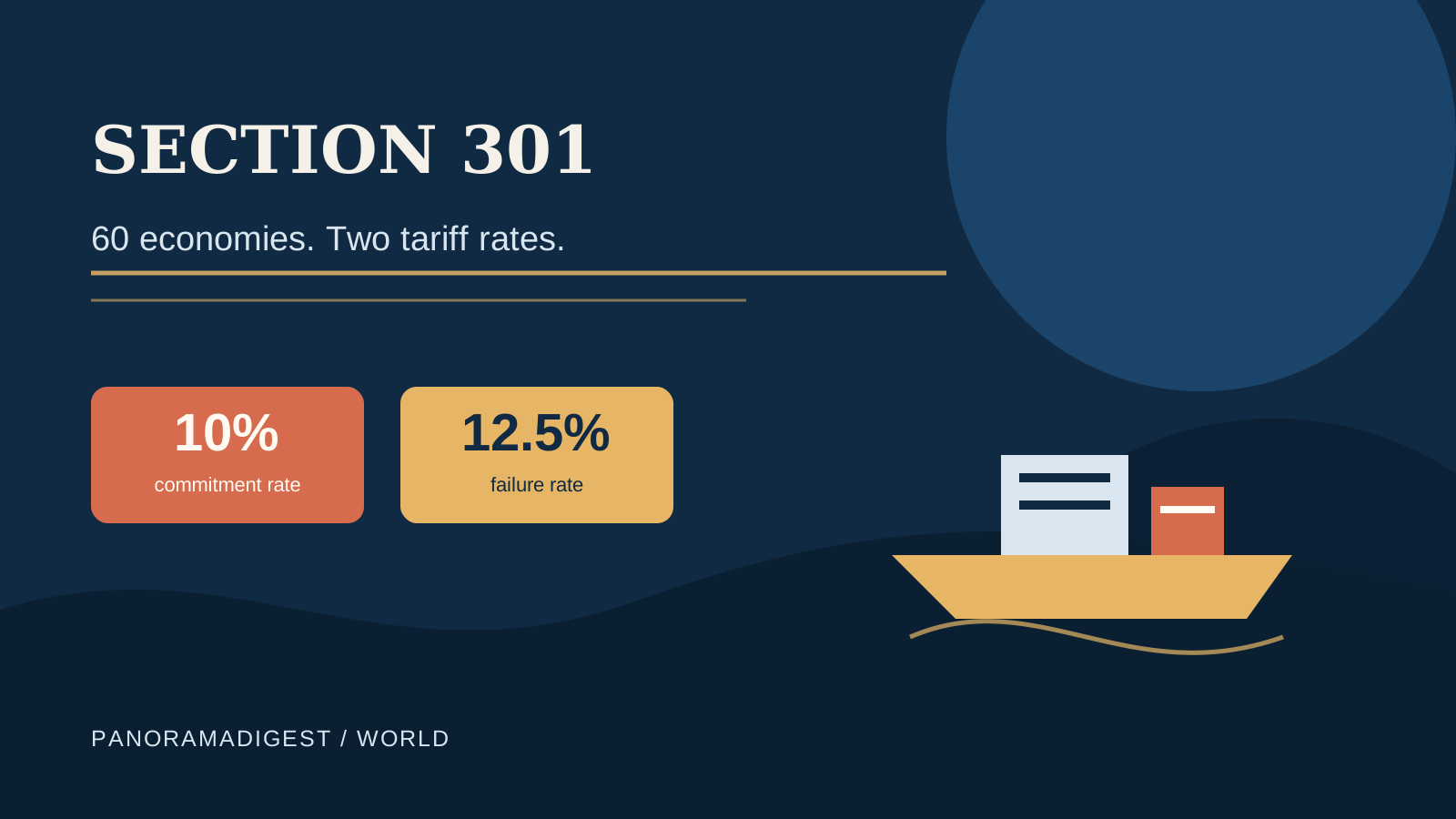
U.S. Section 301 Tariffs Set 10% and 12.5% Rates for 60 Economies
The U.S. has set new Section 301 tariff rates for 60 economies, with a 10% rate for governments making specified forced-labor enforcement commitments and 12.5% for those the administration says failed to do so.
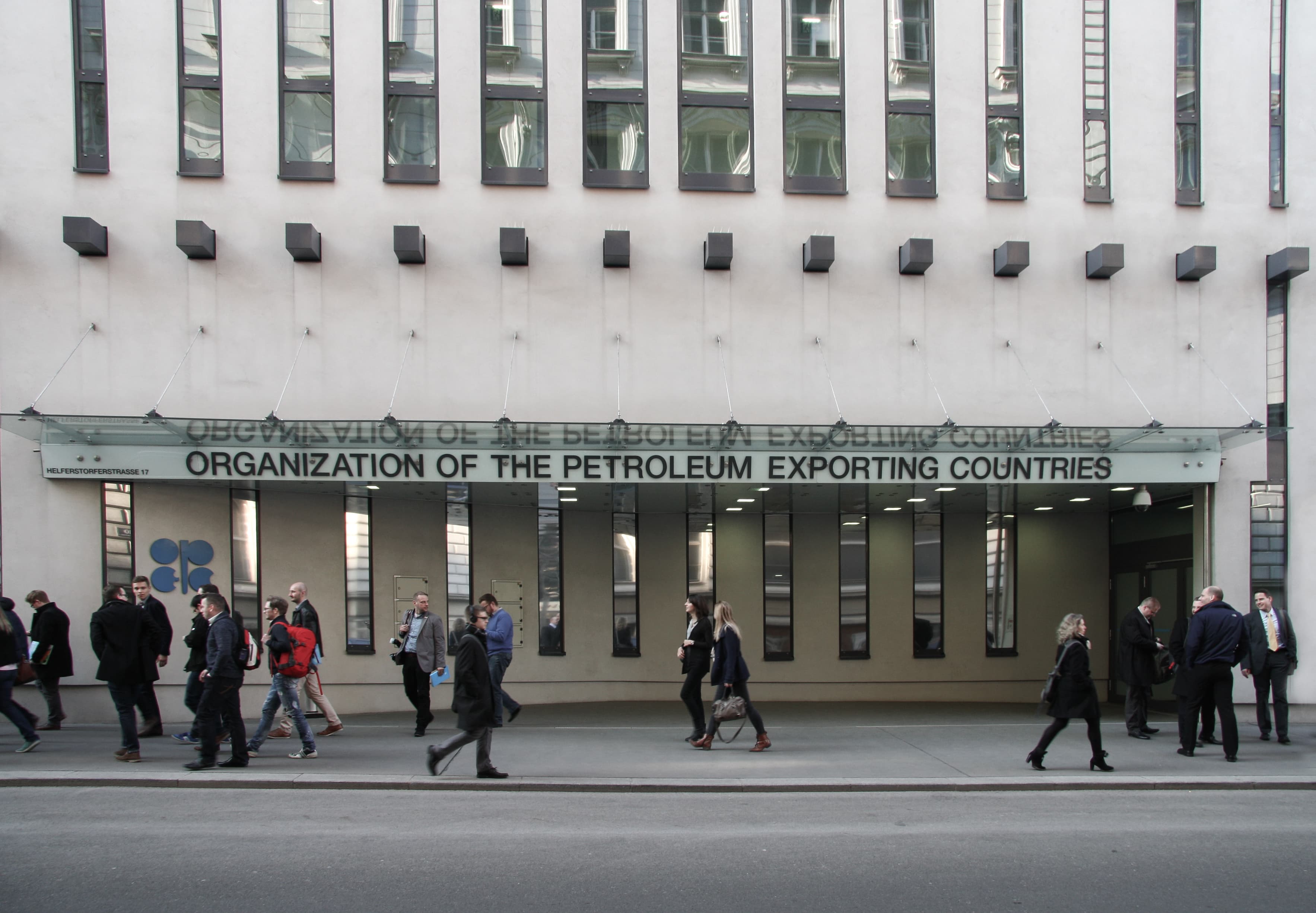
OPEC+ Raises September Oil Production Target by 188,000 Barrels a Day
Seven OPEC+ countries raised their combined September production target by 188,000 barrels a day, bringing the published required total to 31.01 million.