Small Businesses Challenge New Section 301 Tariffs in U.S. Trade Court
Burlap & Barrel and Collective Horology asked the U.S. Court of International Trade to block new tariffs covering 60 economies and preserve claims for refunds.

Two small U.S. importers have asked the U.S. Court of International Trade to set aside the Trump administration’s new Section 301 tariffs on goods from 60 economies. The complaint filed July 24, 2026 by spice seller Burlap & Barrel and watch retailer Collective Horology says the Office of the U.S. Trade Representative did not make the country-specific findings or explain the remedy-to-practice connection that Section 301 requires.
The lawsuit is Burlap and Barrel, Inc. et al. v. Greer, case 1:26-cv-03345. It seeks a declaration that the tariffs are unlawful, an injunction against enforcement and preservation of complete relief for the two companies and a proposed class, including refunds with interest for duties already paid. Those are requests in a complaint, not findings by the court; the government has not yet filed a merits response.
USTR’s July action applies additional duties of 10% or 12.5% to most imports from the covered economies, with a different calculation for the European Union, Taiwan, Japan, South Korea and Switzerland. USTR says the measures respond to failures by trading partners to prohibit or effectively enforce bans on imports made with forced labor. The agency’s official fact sheet says the 60 economies account for 99.4% of U.S. imports and lists exemptions including goods already subject to Section 232 tariffs and selected products whose inclusion could disrupt domestic supply.
The complaint’s geographic calculation is broader than the headline count. It says USTR’s “60 economies” comprise 57 sovereign countries, Taiwan, Hong Kong and the European Union as one economy. Counting the EU’s 27 member states separately, the measures reach imports from at least 84 countries, plus Taiwan and Hong Kong. That is the plaintiffs’ description of scope; USTR continues to use the 60-economy formulation.
Burlap & Barrel says it imports single-origin spices from 22 countries, while Collective Horology imports work from independent watchmakers and small workshops in Europe and elsewhere. Because U.S. importers pay duties when goods enter the country, the companies say they must absorb the cost, raise prices or reduce inventory and investment. The complaint does not quantify a total industry-wide loss from the new tariffs.
The legal dispute follows two earlier tariff fights. The Supreme Court held in February that the International Emergency Economic Powers Act did not authorize the previous tariff programme. The Court of International Trade later ruled against temporary Section 122 tariffs, a decision now on appeal. The new complaint argues that switching to Section 301 does not remove the statutory limits on executive action.
That history does not predetermine this case. Section 301 expressly authorizes trade responses when USTR finds that a foreign act, policy or practice is unreasonable or discriminatory and burdens U.S. commerce. The central dispute is whether the agency’s 60 investigations and final notice supplied the particularized findings and reasoned connection that the statute demands.
PanoramaDigest’s guide to the 10% and 12.5% Section 301 rates explains which economies and product groups are covered. Follow the broader Trump administration topic for the policy sequence and the transatlantic trade hub for effects on European commerce.
The next useful evidence will be the government’s response, any request for preliminary relief and the court’s treatment of the administrative record. Until then, the tariffs remain in effect and the complaint remains an allegation-driven opening document rather than a ruling.
Read Next
Related Stories
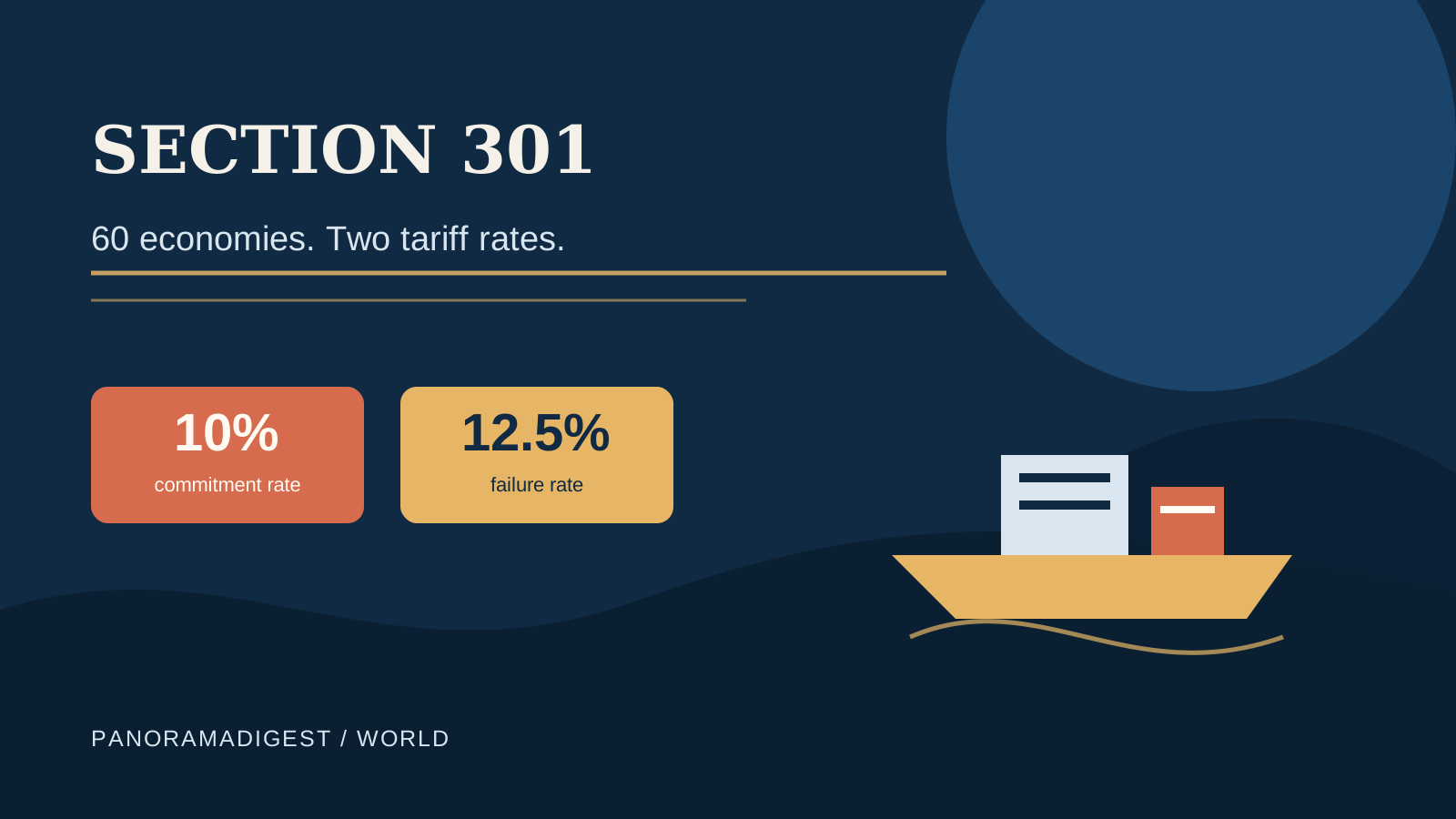
U.S. Section 301 Tariffs Set 10% and 12.5% Rates for 60 Economies
The U.S. has set new Section 301 tariff rates for 60 economies, with a 10% rate for governments making specified forced-labor enforcement commitments and 12.5% for those the administration says failed to do so.
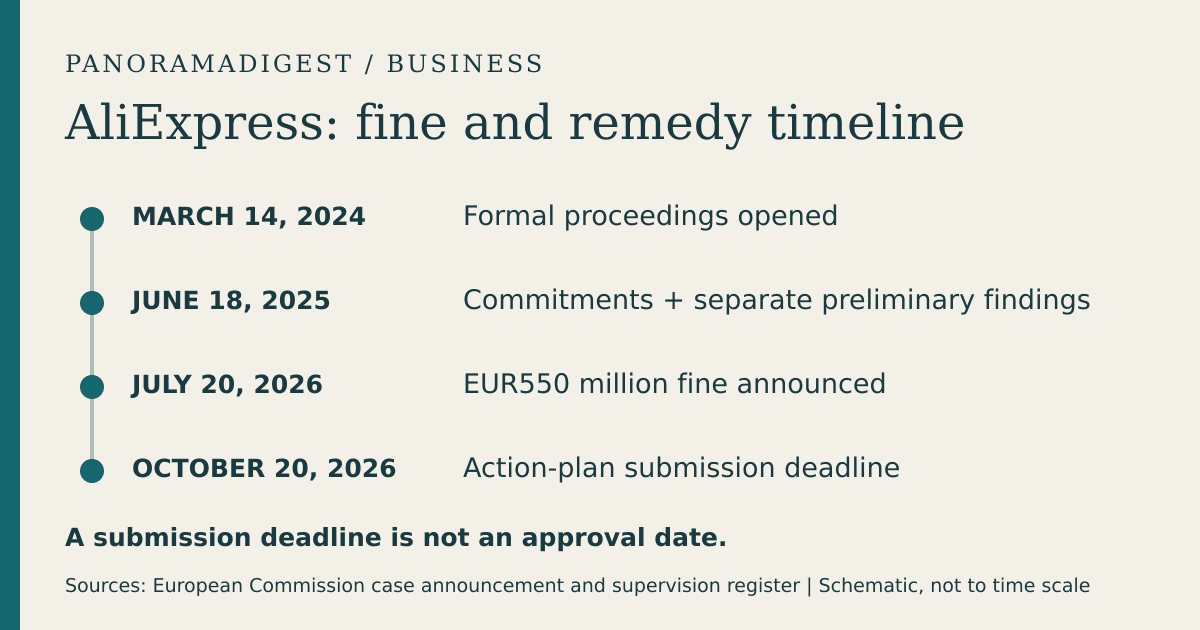
AliExpress EU Fine: €550 Million and the Action-Plan Deadline
The fine is established, but the action-plan deadline is not an approval date. Follow the legal stages, the company's response and product-level consumer checks.
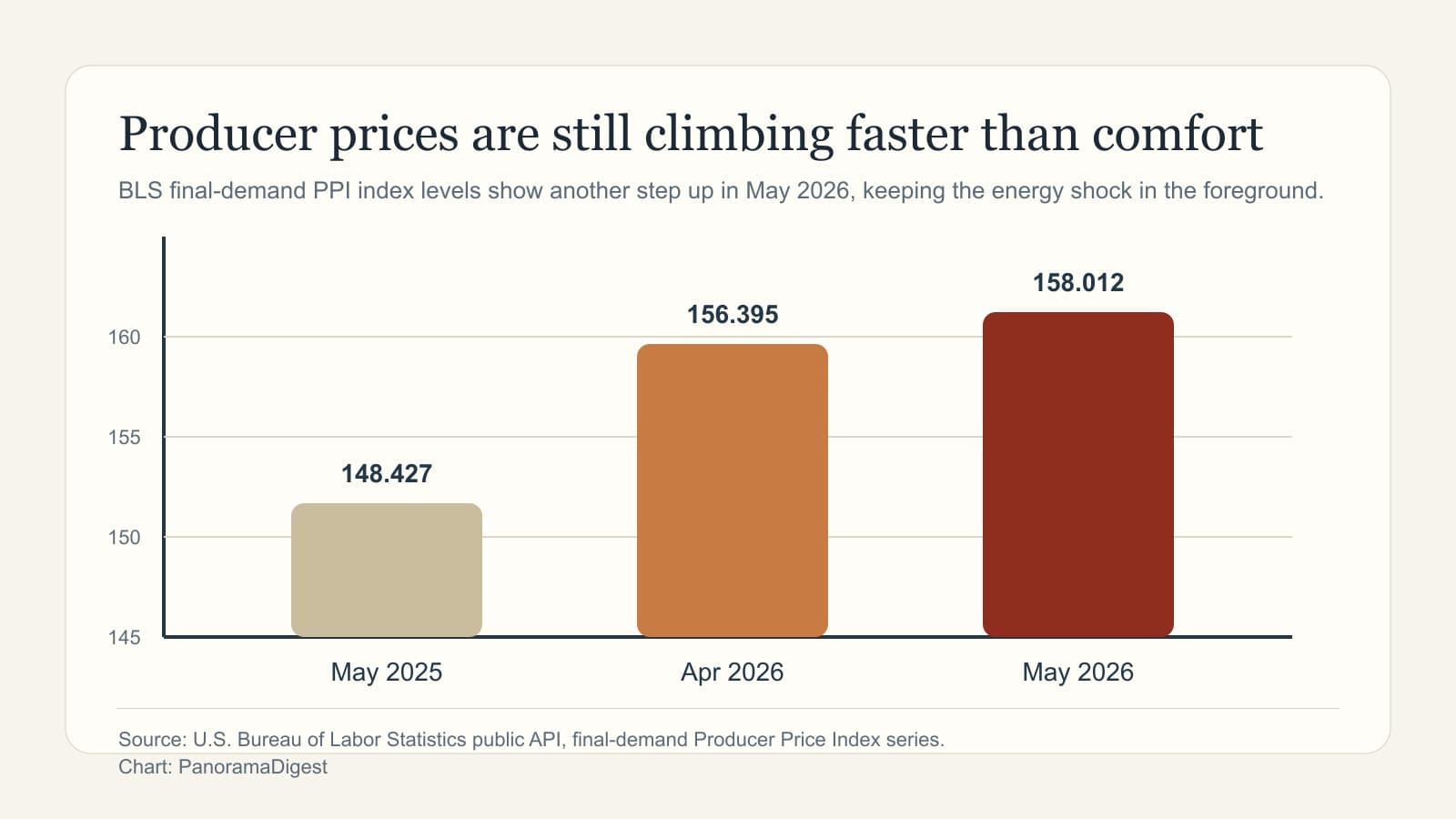
Producer Prices Jumped Again in May. The Harder Problem Is What Energy Is Starting to Touch.
May's producer-price report was not just another inflation print. It showed an energy shock that is still climbing through the business pipeline even as investors try to convince themselves consumer demand will absorb the hit.