Rimrock Lake F/A-18 Crash: Wildfire Response and Investigation
Saturday's Marine Corps F-18 crash near Rimrock Lake was not only an aviation investigation. It immediately became a public-safety problem in steep, wooded terrain where firefighters had to protect cabins, clear campers and preserve a crash site at the same time.
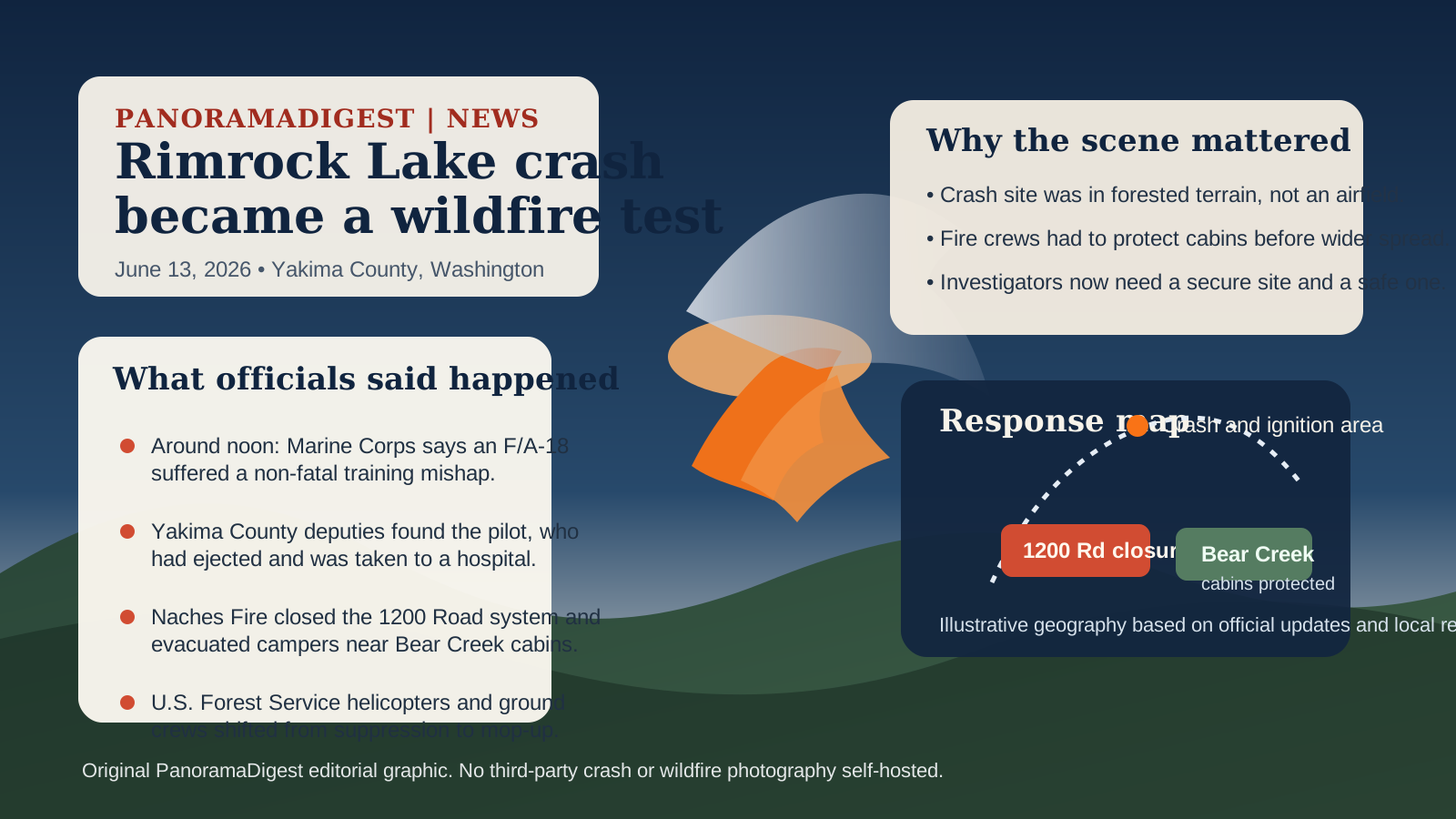
On Saturday, June 13, 2026, the first important fact out of Yakima County was not why a Marine Corps F/A-18 went down near Rimrock Lake. It was what the crash location forced everyone else to do next. A training mishap in remote terrain does not stay an aviation story for long when it lands in dry forest and throws a fire into the same command picture.
Video Link
Official incident update on the Rimrock Lake military-aircraft crash
This provider does not render reliably inside PanoramaDigest. Open it directly on Yakima County Sheriff's Office.
Watch on Yakima County Sheriff's OfficeYakima County Sheriff's Office — Official incident update on the Rimrock Lake military-aircraft crash
Yakima County deputies confirmed the initial call time, the pilot's safe ejection and hospital transport. If this card does not render in your browser, use the direct Facebook link.
Video Link
KIRO 7 Seattle update on the Rimrock Lake crash and wildfire
This provider does not render reliably inside PanoramaDigest. Open it directly on KIRO 7 Seattle.
Watch on KIRO 7 SeattleKIRO 7 Seattle — KIRO 7 Seattle update on the Rimrock Lake crash and wildfire
KIRO 7's local update captures the early public-facing reporting trail on the crash and fire response. Open the post directly if the provider blocks in-page rendering.
The Yakima County Sheriff's Office said deputies began receiving calls around 12:15 p.m. local time about a military plane that had crashed into a mountain in the Rimrock Lake area. The sheriff's office said the pilot had ejected safely and was transported to a local hospital. By Saturday evening, reporting from Task & Purpose and NBC 7 San Diego had tied the aircraft to Marine Aircraft Group 11, 3rd Marine Aircraft Wing at Marine Corps Air Station Miramar and quoted the Marine Corps describing the event as a non-fatal mishap during routine training.
That framing matters because it explains why the story moved in two directions at once. The Marine Corps had a crash to investigate. Local responders had a fire to stop, a pilot to recover, and a recreation area to clear. KOMO reported, citing Naches Fire, that the 1200 Road system on the south side of Rimrock was closed, campers were evacuated and U.S. Forest Service helicopters joined ground crews after the crash ignited a wildfire near the Bear Creek cabins.
- Around noon local time: The Marine Corps says the F/A-18 suffered a non-fatal mishap during routine training.
- About 12:15 p.m.: Yakima County deputies begin receiving calls and locate the pilot after ejection.
- Late afternoon: Naches Fire closes the 1200 Road system and evacuates campers from the south side of Rimrock Lake.
- Saturday evening into Sunday: Forest Service air resources and local crews shift from immediate suppression to mop-up and site protection.
Why this stopped being a simple crash brief
Readers often treat a military-aircraft accident as a sealed investigation story: something happened in the air, the service takes over, and the rest waits for the report. That is not how this one landed. Because the jet came down in forested country, every unanswered question about the aircraft was immediately paired with a practical question on the ground. How fast can responders get in? Which cabins are at risk first? Which roads have to close? How do you keep firefighters, deputies and investigators from interfering with one another when they all need access to the same narrow landscape?
That is the part worth paying attention to if you care about public safety rather than just aircraft type. The most revealing detail in the local reporting was not a technical clue about the Hornet. It was the structure-protection work near Bear Creek. That tells you the response was not abstract. The fire was close enough to built spaces that crews had to think in terms of defense and evacuation, not only containment lines on a map.
| Responder | Confirmed role | Why it mattered |
|---|---|---|
| Yakima County Sheriff's Office | Received initial calls, located the pilot and confirmed transport to a hospital. | That moved the story quickly from unknown survival status to a ground-management problem. |
| Marine Corps / 3rd Marine Aircraft Wing | Identified the aircraft as an F/A-18 from Miramar and said the mishap happened during routine training. | That established both the service branch and the limits of what would be released early. |
| Naches Fire Department | Closed the 1200 Road system, evacuated campers and protected nearby structures. | It showed the wildfire was affecting civilian access and property risk immediately. |
| U.S. Forest Service crews | Sent helicopters and at least one engine into suppression work. | Remote-terrain fires get more dangerous when access is thin and daylight is finite. |
What remains unknown, and why that is normal
The cause of the crash remains under investigation, and that should not be treated as evasiveness. Military aviation mishap inquiries take time because the first job is to secure the scene and the second is to resist the temptation to turn an early clue into a final explanation. The public knows the essentials already: the pilot survived, the fire spread from the crash area, campers had to leave, and crews expect mop-up work to continue.
What the public does not know yet is also the part most likely to change over the next day or two: how large the burn footprint became, how long access restrictions will stay in place, whether the fire reached full containment quickly, and what mechanical or operational chain led the aircraft into the hillside. That is the right balance for now: take the public-safety facts seriously and leave the cause to the investigators.
For the moment, the clearer lesson is geographic. When an aircraft goes down in mountain forest near recreation corridors, the incident belongs to more than one system at once. PanoramaDigest has seen the same operational logic before in the Tracy warehouse fire, where the visible blaze quickly became a systems story about access, protection and cascading risk. Saturday's crash near Rimrock Lake fits that same pattern. It was an aviation mishap. It was also a wildfire response, an evacuation story and a reminder that in the American West, one emergency often arrives carrying another inside it.
Official updates: If the social cards below do not render cleanly in your browser, use the direct links from the Yakima County Sheriff's Office and KIRO 7 Seattle.
Read Next
Related Stories
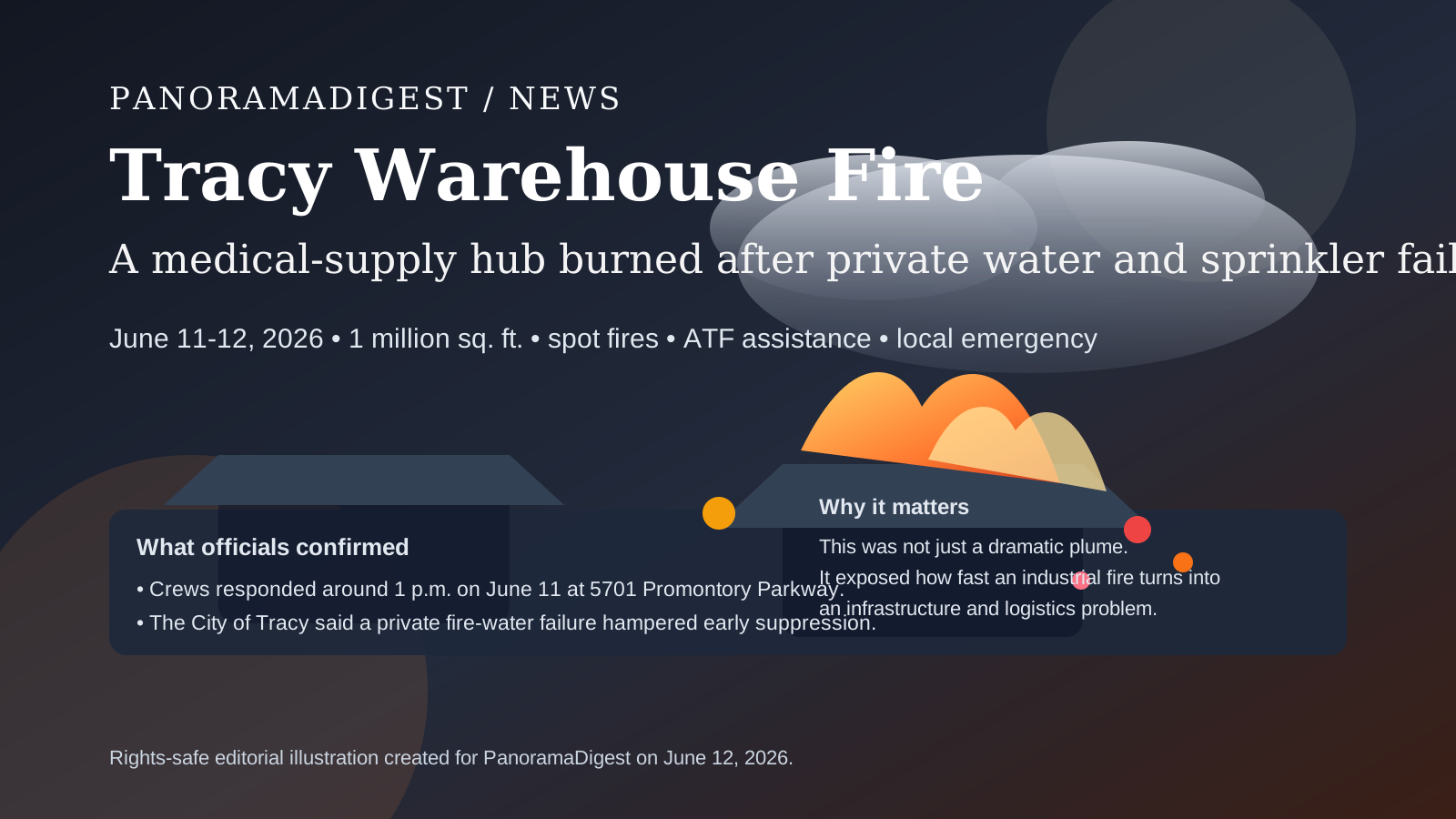
The Tracy Warehouse Fire Burned Through a Medical-Supply Hub. The Bigger Failure Started Before the Flames.
A massive blaze at Tracy's Medline warehouse became more than a dramatic plume once officials said the private fire-water and sprinkler system failed at the start of the response.
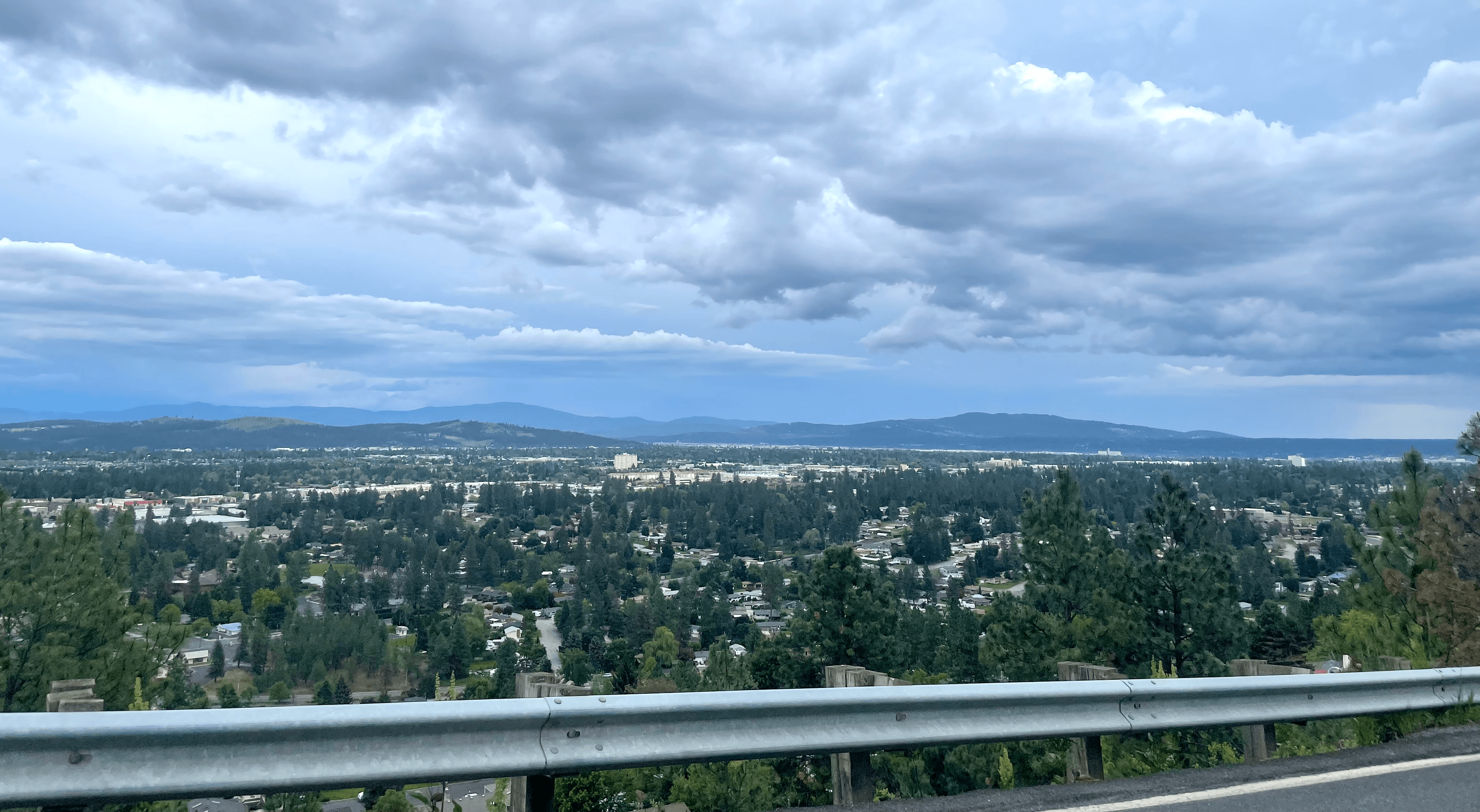
Old Trails Fire Damage Estimate Reaches 640 Structures in Spokane
Spokane County's preliminary estimate says the Old Trails fire destroyed 640 structures, while evacuation zones remain active across northwest Spokane.

USCIS Can Now Refer Asylum Cases to Immigration Court Without an Interview
A DHS rule effective July 28 lets USCIS send some affirmative asylum applications directly to immigration court. Referral is not a denial, but the interview is no longer guaranteed.