The Supreme Court Stopped Alabama's Nitrogen-Gas Execution. The Broader Fight Is Just Beginning.
The justices left in place lower-court rulings blocking Alabama from using nitrogen gas on Jeffery Lee, but they did not settle the future of the method or of Lee's death sentence.
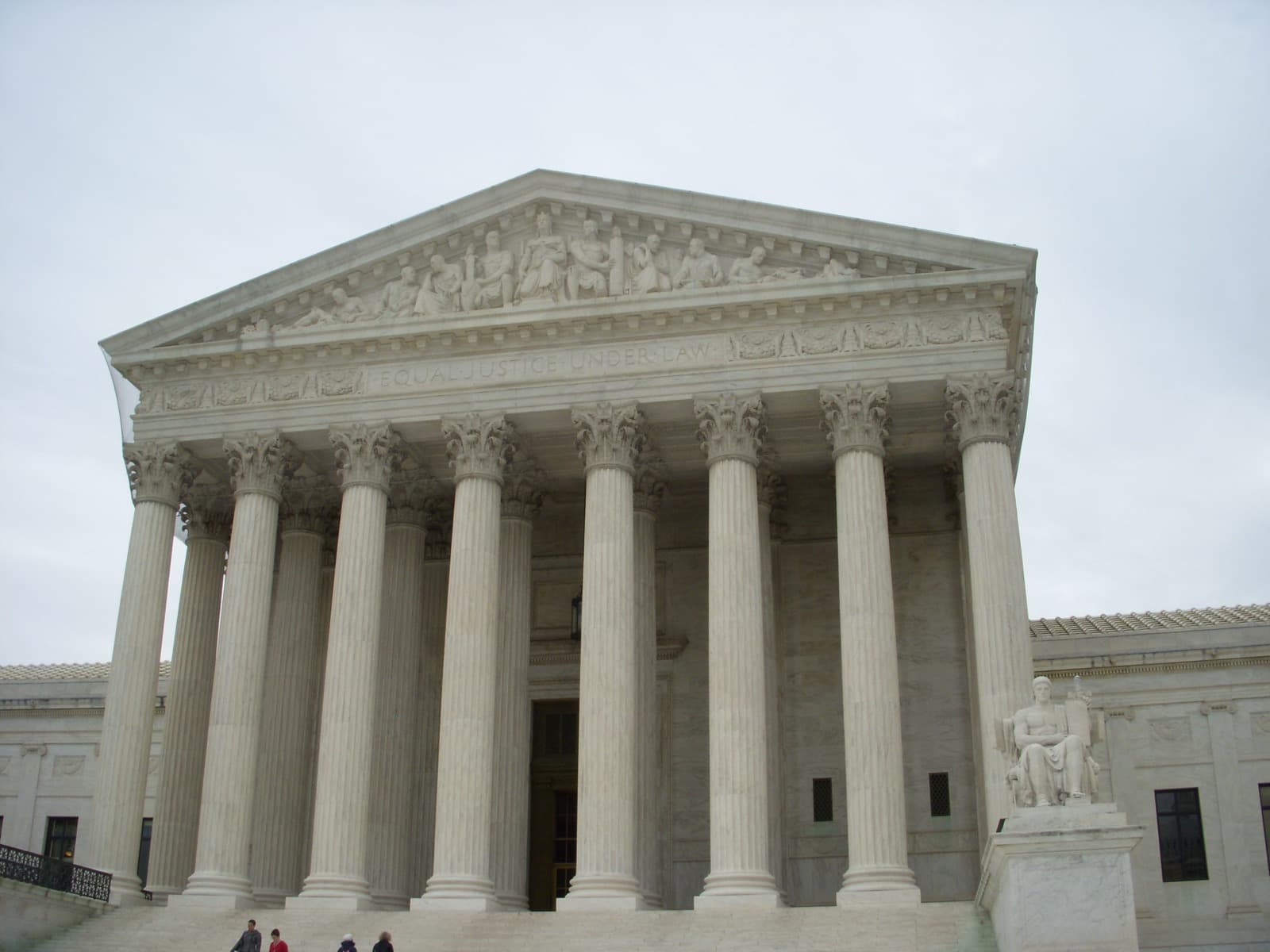
The U.S. Supreme Court shut down Alabama's late bid to carry out Jeffery Lee's execution by nitrogen gas on Thursday, June 11, 2026. The immediate result was simple: Lee was not executed that night under the state's nitrogen-hypoxia protocol. The more important result was procedural. The Court left intact a fast chain of lower-court rulings that had turned Alabama's once-confident defense of the method into a much narrower legal position than state officials were arguing just two weeks earlier.
WVTM13 — Supreme Court rejects Alabama's request to carry out nitrogen-gas execution
Local Alabama coverage of the Supreme Court's June 11 denial, included for readers who want the immediate on-the-ground framing as the execution bid collapsed.
The Supreme Court's order was only a few lines long. It said Alabama's application for a stay or vacatur was denied and noted that Justices Clarence Thomas, Samuel Alito and Neil Gorsuch would have granted it. Associated Press reported that the denial left in place a lower-court injunction blocking the state from using nitrogen gas on Lee. The public Supreme Court docket confirms the same sequence from the Court's own filings page.
“The application for stay or vacatur presented to Justice Thomas and by him referred to the Court is denied.”
U.S. Supreme Court order, June 11, 2026
That kind of order can look smaller than it is. Readers should not mistake it for a sweeping constitutional ruling against the death penalty or even against nitrogen hypoxia in every case. But it was still a sharp signal that Alabama could not muscle past the lower courts on an emergency timetable after they had grown increasingly skeptical of the method's legality in Lee's case.
What the Supreme Court actually did
The cleanest way to read Thursday night's order is as a refusal to rescue Alabama from the position it had reached in the lower courts. SCOTUSblog's report described the denial as the final emergency step in a rapid-fire appeal after Alabama asked the justices to wipe away the injunction. The Court did not issue a full opinion explaining the denial. It did not declare nitrogen hypoxia unconstitutional nationwide. It simply declined to let Alabama proceed against Lee on the schedule the state wanted.
That distinction matters because emergency orders often do real work without answering every underlying legal question. For Alabama, the practical loss was immediate. For everyone tracking execution law, the larger message was that the state's argument no longer looked like an easy continuation of old precedent. By Thursday night, Alabama was asking the Supreme Court to override a district judge, an appeals court panel and a still-live factual record that had moved against the protocol.
- May 28, 2026: U.S. District Judge Emily C. Marks initially upheld Alabama's nitrogen-hypoxia protocol in Lee's case.
- June 8, 2026: The Eleventh Circuit reversed on the key Eighth Amendment harm question and sent the case back for the alternative-method analysis.
- June 9, 2026: Marks entered judgment for Lee and permanently barred Alabama from executing him by nitrogen gas.
- June 11, 2026: The Supreme Court denied Alabama's emergency application, leaving the injunction in place for Lee's scheduled execution night.
Why the lower courts became harder for Alabama to dismiss
The legal trouble for Alabama was not only that a district judge changed the result on remand. It was that the case developed a record the state could not easily wave away as speculative. The Supreme Court docket materials and the lower-court history summarized there show how quickly the analysis shifted after the Eleventh Circuit reviewed the evidence. In the appendix Alabama itself filed with the justices, the appeals court is described as concluding that the suffering likely to occur under the protocol for one to three minutes was constitutionally “intolerable.”
The Guardian's report added the practical consequence: the state was no longer just defending a controversial method in the abstract. It was trying to preserve a same-week execution plan after federal judges had concluded Lee had shown a safer available alternative in firing-squad terms and a meaningful constitutional problem with nitrogen hypoxia as Alabama currently uses it.
| Court level | What happened | Why readers should care |
|---|---|---|
| District court, May 28 | Marks initially ruled for Alabama on the nitrogen protocol. | The state entered June believing the method had survived its first full factual test. |
| Eleventh Circuit, June 8 | The appeals court said the likely suffering described in the record amounted to a substantial risk of serious harm. | That is what destabilized Alabama's assumption that nitrogen hypoxia would keep clearing courts unchanged. |
| District court, June 9 | Marks entered judgment for Lee and barred nitrogen gas in his execution. | The case became an injunction fight, not just a policy debate. |
| Supreme Court, June 11 | The justices refused to lift the injunction on emergency review. | Alabama lost the immediate execution window and with it the claim that the lower courts had obviously overreached. |
Why this case is larger than one execution night
Lee's case also carries baggage Alabama would rather treat as separate. AP and other coverage note that Lee was sentenced to death after a judge overrode a jury recommendation for life without parole, a practice Alabama later abolished for future cases. That does not decide the execution-method question by itself. But it helps explain why this case has been harder to contain politically and morally. The state was not merely defending a new execution technology; it was defending it in a case already shadowed by an older controversy about capital sentencing.
NPR's report via WFAE noted that Alabama has been the main state driving nitrogen-gas executions in practice. That makes Lee's case more than a one-off pause. If courts continue to focus on the evidence of air hunger, distress and execution duration in the way the Eleventh Circuit did here, Alabama may find that the selling point of nitrogen hypoxia as a supposedly cleaner alternative keeps colliding with a record that says otherwise.
None of that means the method is dead everywhere. It means Alabama's legal margin has narrowed. A method once sold as novel but manageable is now being litigated through increasingly specific descriptions of what the condemned person may actually experience and how long that experience may last. That is a worse posture for the state than broad abstractions about protocol and deference.
What happens next
The next steps are less dramatic than the headlines but more important than they look. Alabama can still pursue execution by another authorized method, and Thursday's order did not erase the sentence. What readers should watch now is whether the state tries to reframe the fight around another method for Lee specifically, whether broader challenges to nitrogen hypoxia accelerate in other cases, and whether the Supreme Court is eventually forced to say more than it said here.
For now, the justices did not settle the philosophical fight over capital punishment. They settled a narrower question on a deadline: whether Alabama had shown enough to break through an injunction and use nitrogen gas on June 11. The answer was no. For a state that has spent two years trying to normalize the method, that is not a technical hiccup. It is a warning that emergency momentum is not the same thing as durable legal footing.
For further reporting on this subject, see our rule of law coverage.
Read Next
Related Stories
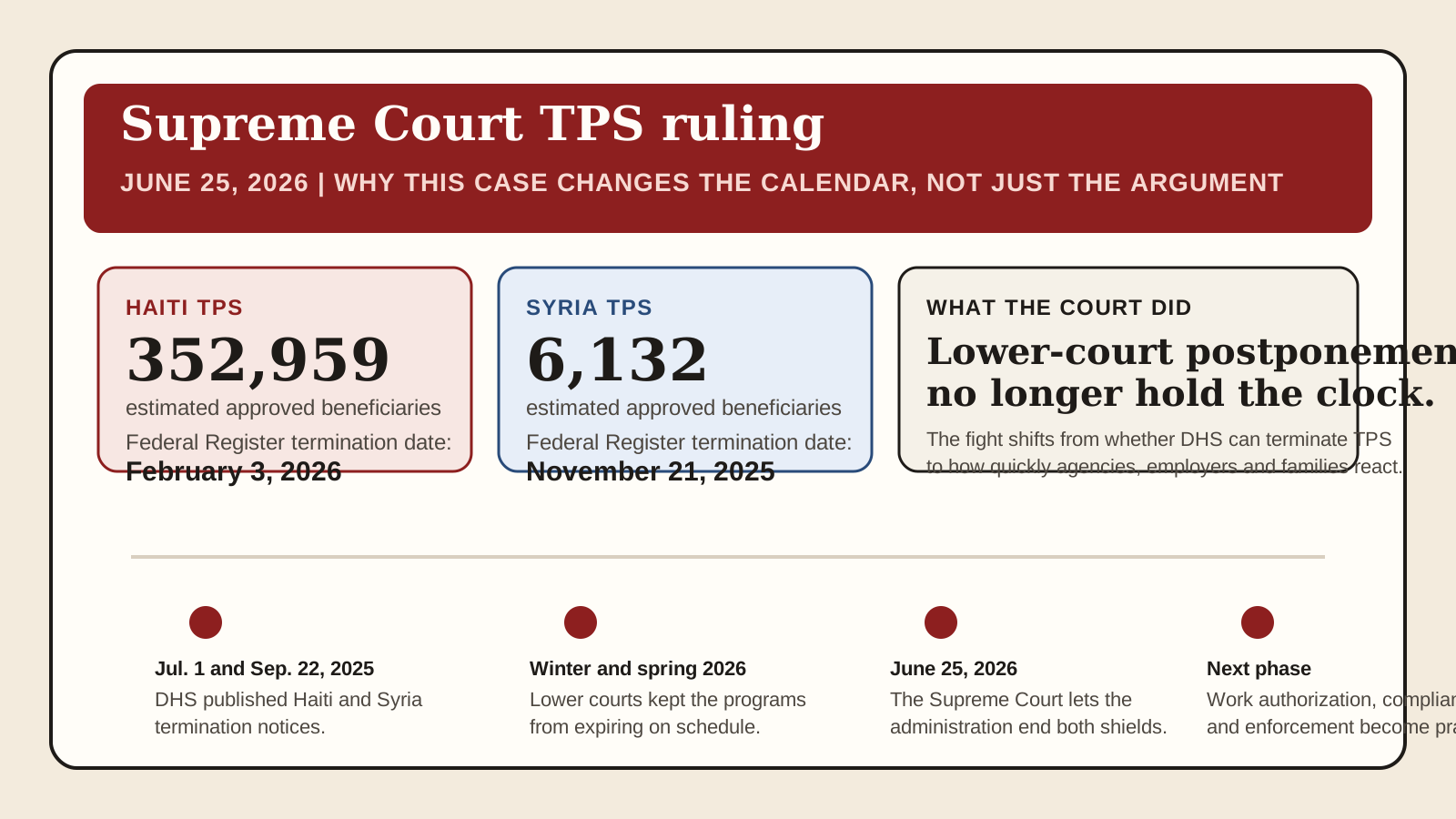
The Supreme Court's TPS Ruling Turned Two Protection Programs Into an Immediate Countdown
The Supreme Court's June 25, 2026 decision did not just resolve a jurisdiction fight over Temporary Protected Status. It turned Haiti's and Syria's court-preserved protections into an immediate compliance question for families, employers and federal agencies.

Old Trails Fire Damage Estimate Reaches 640 Structures in Spokane
Spokane County's preliminary estimate says the Old Trails fire destroyed 640 structures, while evacuation zones remain active across northwest Spokane.

USCIS Can Now Refer Asylum Cases to Immigration Court Without an Interview
A DHS rule effective July 28 lets USCIS send some affirmative asylum applications directly to immigration court. Referral is not a denial, but the interview is no longer guaranteed.