Kennedy Center Appeals Naming Ruling: Congressional Authority and Compliance
The Kennedy Center's board asked on June 11 to pause a court order stripping Donald Trump's name from the building, turning a branding fight into a sharper test of who really controls a national arts institution.
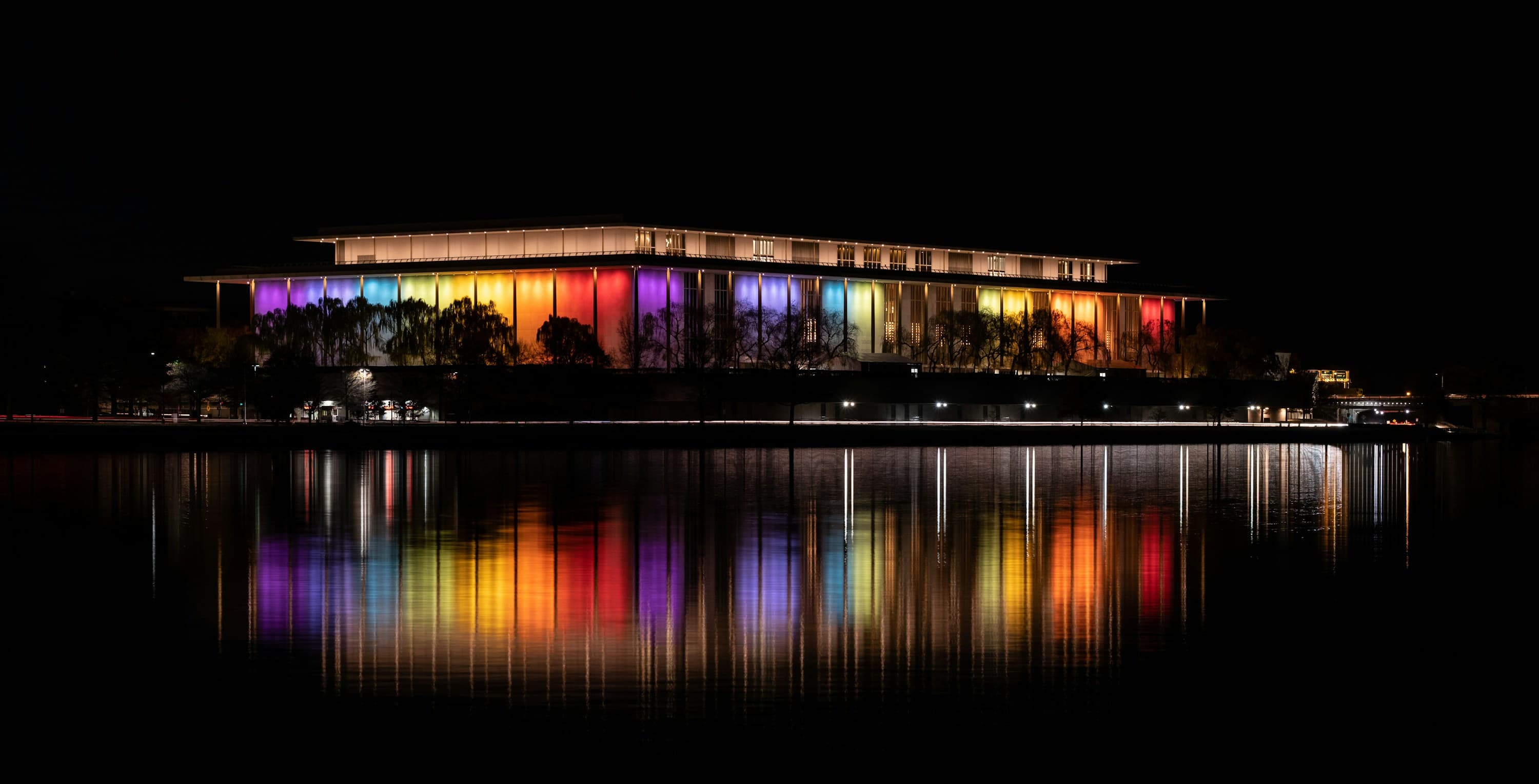
The Kennedy Center spent the first half of June looking as if it had accepted a blunt legal reality. Staff removed Trump branding after a federal judge ruled on May 29 that only Congress, not the center's board, could rename the institution. Then late on Thursday, June 11, that posture shifted. AP reported that the board sought a pause before Friday's deadline, asking the courts to keep President Donald Trump's name on the facade while it appeals. Axios described the move as a last-minute reversal after the center had already begun complying in public.
Video Link
Kennedy Center to remove Trump name after court decision
This provider does not render reliably inside PanoramaDigest. Open it directly on Reuters.
Watch on ReutersReuters — Kennedy Center to remove Trump name after court decision
Reuters' post captures the underlying removal-order moment that the June 11 appeal is now trying to slow. If the card does not render here, use the direct X link.
That is why the newest Kennedy Center turn matters as more than another Trump-era naming quarrel. The practical question is not whether a sign stays up for another news cycle. It is whether a national arts institution can reassure artists, donors and audiences that compliance with a court order means something stable. A board that complies on Tuesday and asks for more time on Thursday is signaling that the real fight is over leverage, not lettering.
What changed between the ruling and the appeal
The legal baseline has been unusually clear. In the underlying May 29 decision, summarized by AP's earlier coverage, U.S. District Judge Christopher Cooper said the board overstepped when it added Trump's name to the building and official materials. The statutory point behind that ruling is public, not mystical. The institution's name is set in federal law as the John F. Kennedy Center for the Performing Arts. That matters because the board is not being asked to swallow an ambiguous cultural preference. It is being told that the naming power it claimed does not belong to it.
Congress gave the Kennedy Center its name, and only Congress can change it.
Judge Christopher Cooper, as quoted by AP on May 29, 2026
Once that principle is established, an appeal is no longer just a procedural step. It becomes a statement about institutional appetite. The board is effectively saying that even after public compliance began, it still wanted room to preserve Trump's imprint if a higher court would let it. That choice keeps the legal argument alive, but it also reopens the trust problem the court order had briefly started to calm.
| Moment | What happened | Why readers should care |
|---|---|---|
| May 29, 2026 | A federal judge ruled the board could not lawfully rename the Kennedy Center and ordered Trump's name removed. | The court framed the dispute as a statutory limit, not merely a branding disagreement. |
| Early June 2026 | The center began removing Trump branding from its website and materials. | That looked like real compliance and hinted that the institution might be stabilizing. |
| June 11, 2026 | The board sought a stay and moved to appeal before the Friday deadline. | The center signaled that legal compliance and political allegiance were still competing inside the same building. |
The deeper story is not signage. It is credibility.
Entertainment institutions do not live on legal authority alone. They live on confidence: artists agreeing to appear, donors believing their gifts support a durable mission, audiences trusting that programming decisions are not merely factional spoils. The Kennedy Center has already spent months showing how quickly that confidence can fray when governance turns theatrical. The board's late appeal extends that instability. Even readers who do not care much about Trump's name on the facade should care about the message sent when a national arts venue appears unable to decide whether it is complying with a court order or contesting the spirit of it.
This is also why the story belongs in culture coverage, not only politics coverage. The legal issue is clean enough for the courts to parse. The reputational issue is murkier and probably more durable. Every additional procedural twist tells performers and patrons that the center remains a stage for political possession fights. That does not merely affect headlines. It affects bookings, partnerships and the basic ability to persuade people that the institution's identity is larger than whoever most recently captured its board.
The board may win time and still lose the room
A stay request can be rational in narrow legal terms. Boards appeal adverse rulings all the time. But cultural institutions do not get judged only by whether they can make one more filing before a deadline. They get judged by whether they understand the cost of prolonging a fight whose symbolism has already outrun its administrative value. Keeping the Trump name alive for a little longer could matter politically to the board. It may matter much less to the musicians, producers and audiences who have spent the past year measuring whether the Kennedy Center still behaves like a national civic venue instead of a factional trophy.
That is the real tension in the June 11 move. The board is trying to preserve authority in court while risking more erosion outside court. If the goal was to show steadiness after a bruising month, the appeal does the opposite. It tells the public that compliance was provisional, not settled, and that the center's governing instinct is still to test how much of the Trump branding project can survive.
What to watch next
The short-term question is procedural: whether the courts grant any pause beyond the Friday, June 12 deadline. The more important question is cultural. Watch whether the center can stop this case from metastasizing into another season of donor jitters, artist withdrawals and governance-by-provocation. If it cannot, the Kennedy Center's public problem will no longer be whether Trump's name appears on a wall. It will be whether the institution can persuade anyone that its wall, stage and mission belong to the same place again.
Source link: If the social card below does not render in your browser, use the direct Reuters post at x.com/Reuters/status/2062724859650601321.
Continue reading: Trump's Name Came Off the Kennedy Center. The Harder Problem Is What the Venue Looks Like Next..
Read Next
Related Stories

Trump's Name Came Off the Kennedy Center. The Harder Problem Is What the Venue Looks Like Next.
Workers removed Donald Trump's name from the Kennedy Center on June 13, 2026 after courts refused to pause the order. That settles the lettering question, but not the larger credibility crisis hanging over one of Washington's signature cultural venues.

Lula Wins PT Nomination for Brazil's 2026 Election With Alckmin as Running Mate
Brazil's Workers' Party formally selected Lula and Geraldo Alckmin for the 2026 presidential election. Candidate registration is due August 15.
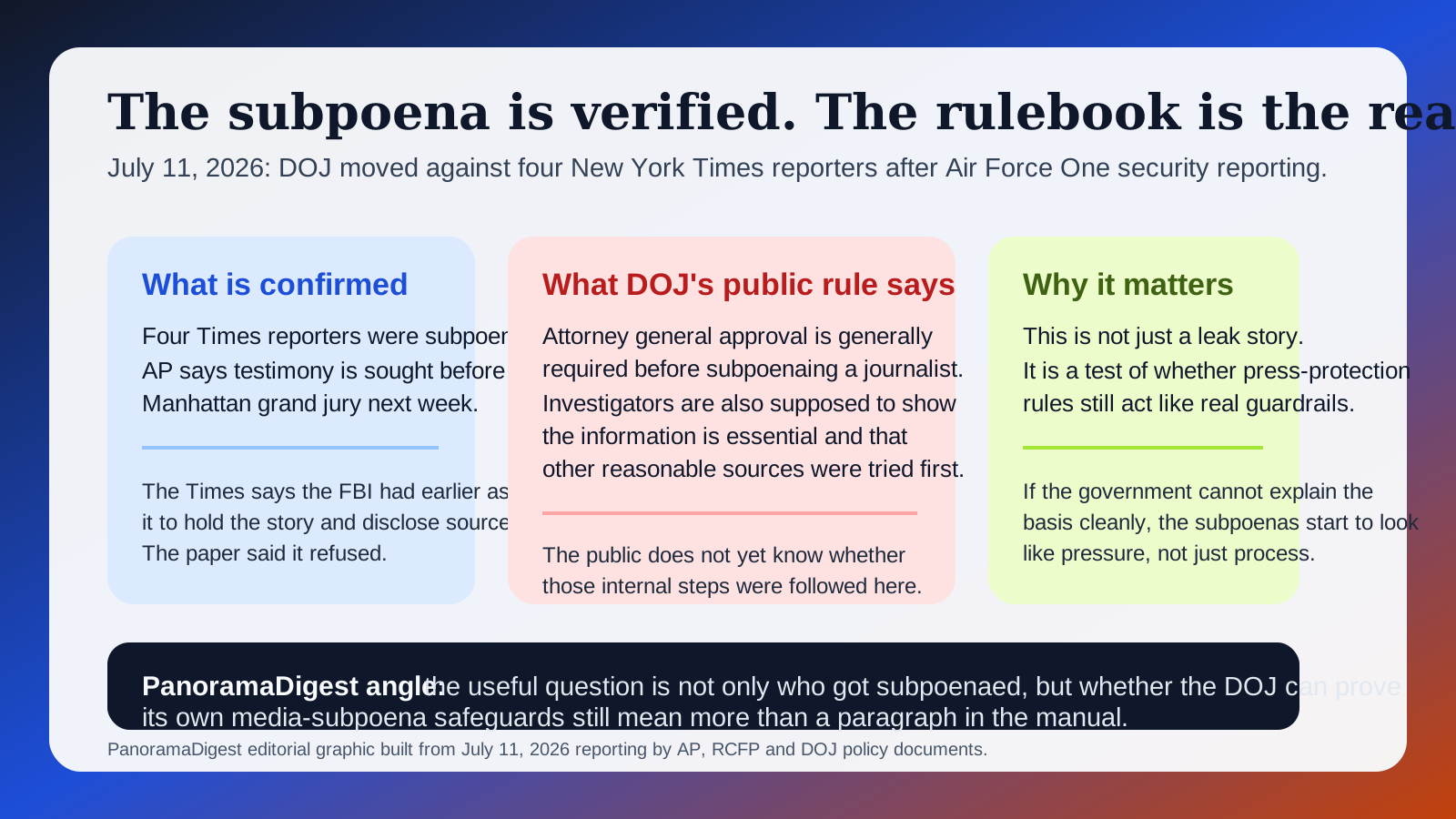
Justice Department Subpoenas New York Times Reporters Over Air Force One Story
The Justice Department has subpoenaed four New York Times reporters over Air Force One security reporting. The more useful question now is what the department's own media-subpoena rules require before prosecutors can force journalists to testify.