FIFA Drops $20 Billion World Cup Equity Plan as UEFA Withdraws Confidence in Infantino
FIFA withdrew its $20 billion World Cup equity plan after opposition across three confederations. UEFA's no-confidence statement now shifts the dispute to Infantino's 2027 election.
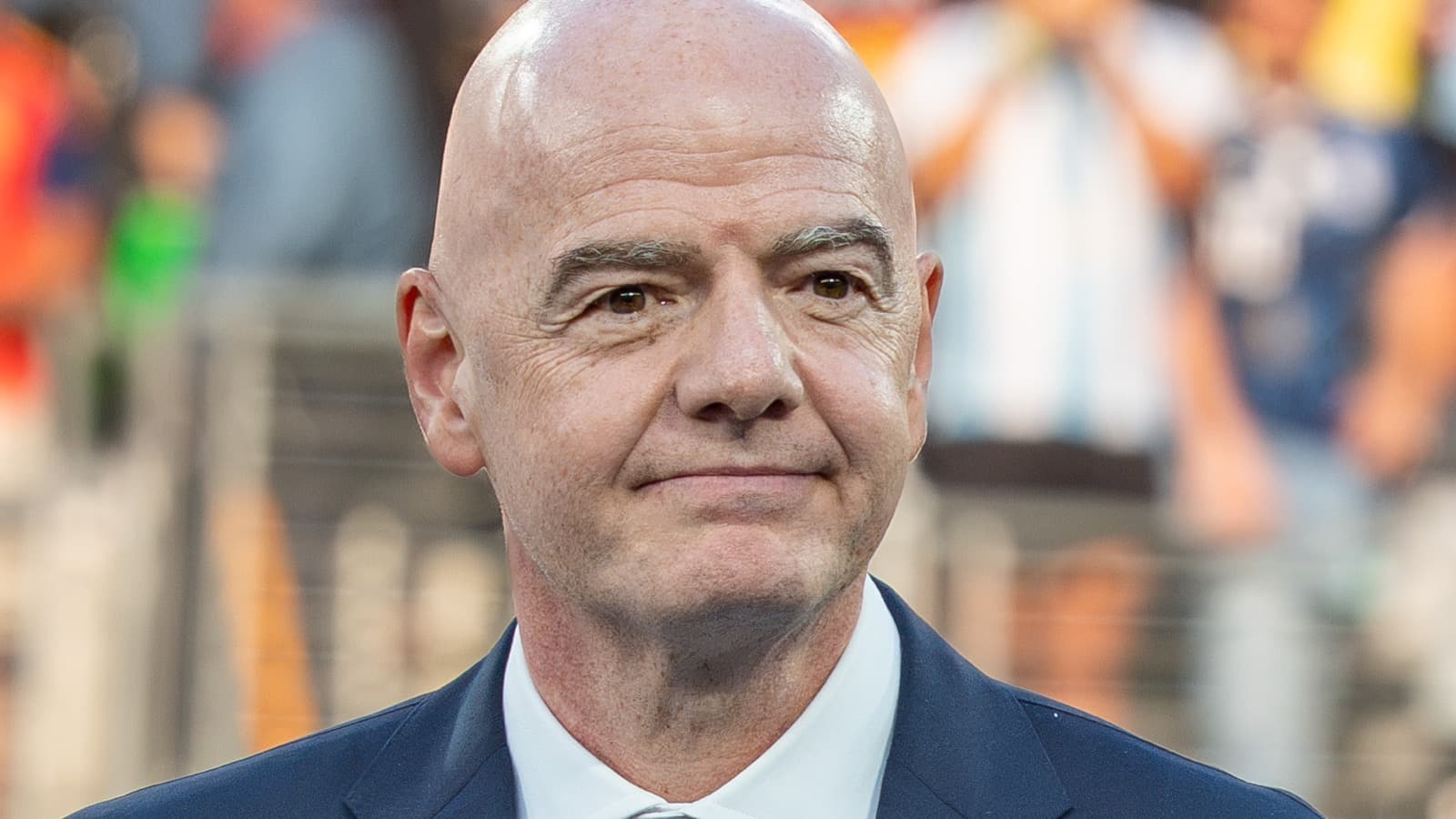
FIFA withdrew its proposal to sell a 20% stake in a new $20 billion World Cup company to private investors early Saturday, August 1, 2026, after opposition spread across three continental confederations. UEFA then said FIFA's current leadership had lost its confidence and called for an accountability review, turning a commercial retreat into a governance crisis for President Gianni Infantino.
The reversal came four days after FIFA presented the plan to its 211 member associations. The proposal would have placed World Cup commercial rights in a separately valued company and used a planned $4.2 billion capital raise to increase member funding. PanoramaDigest's first report on the $20 billion FIFA Enterprise proposal explains that original funding case. What changed is that the confederations did not accept the price of bringing private owners into FIFA's central tournament business.
Associated Press reported that UEFA's 55 associations had agreed to boycott FIFA competitions while the proposal remained in place. Concacaf, representing North and Central America and the Caribbean, and the Asian Football Confederation also opposed it. That made the plan operationally untenable: a World Cup commercial vehicle cannot credibly be separated from the associations whose national teams supply the competition.
- July 28: FIFA presented the private-equity structure and its proposed $4.2 billion capital raise to member associations.
- July 30: resistance widened beyond UEFA as Concacaf and the Asian confederation opposed the plan.
- July 31: senior adviser Carlos Cordeiro resigned and FIFA chief operating officer Kevin Lamour publicly criticized how the proposal had been developed.
- August 1: FIFA withdrew the plan; UEFA followed with a statement that the current leadership had lost its confidence.
The internal criticism was unusually direct. AP reported that Lamour told staff they had been deceived and described the proposal as the project of one person. Cordeiro, a former U.S. Soccer president who had advised Infantino, resigned. Those departures and comments matter because the dispute was not only about valuation. It was also about who had authority to redesign FIFA's commercial structure and when the people responsible for implementing it were consulted.
UEFA's wording does not remove Infantino. FIFA's president is elected by the member associations, not appointed by UEFA, and a no-confidence statement from one confederation is not itself a constitutional dismissal mechanism. It does, however, signal that Europe's 55 votes may no longer be available to him as a bloc and invites other confederations to demand a formal review.
The electoral calendar gives that pressure a deadline. FIFA confirmed on May 1 that Infantino intends to stand for re-election in 2027 and that the vote will take place at the FIFA Congress in Rabat on March 18, 2027. FIFA's statutes require a presidential candidacy to be filed at least four months before Congress and supported by at least five member associations. With 211 members, 106 votes constitute a majority if every association votes.
That arithmetic explains why the next phase will be measured in endorsements, not statements alone. UEFA cannot choose FIFA's president, but a coordinated European opposition can make a contested election viable. The durable question is whether Concacaf and the Asian confederation treat the withdrawn equity plan as a closed commercial mistake or join UEFA in demanding governance changes.
Readers tracking the tournament's commercial scale can continue with PanoramaDigest's FIFA World Cup 2026 reporting hub. The site's analysis of nine million fan-festival visits shows why rights attached to the World Cup can support a multibillion-dollar valuation even when the proposed ownership structure fails.
The cover photograph shows Infantino at the Argentina-Spain World Cup final on July 19, 2026. Bryan Berlin photographed the image and published it on Wikimedia Commons under CC BY-SA 4.0; PanoramaDigest made a landscape crop. The original file and license remain available on Commons.
Source card: The withdrawal, confederation positions, boycott decision, resignations and UEFA confidence statement come from two August 1 Associated Press reports. FIFA's May 1 Congress release confirms Infantino's re-election plan and the March 18, 2027 vote in Rabat. FIFA's statutes establish the four-month filing rule and five-association support requirement. Google News was used only to discover the development.
Read Next
Related Stories
Nirmal Purja Dies in Broad Peak Avalanche: His Verified Climbing Records
Elite Exped has confirmed that Nirmal Purja died after the Broad Peak avalanche. Here is the verified rescue timeline and the record evidence behind his climbing legacy.

FIFA Proposes $20 Billion Commercial Company to Raise $4.2 Billion for Member Funding
FIFA wants to place commercial rights and tournament operations in a new company valued initially at $20 billion, then sell minority stakes to finance expanded member-association funding.

2026 World Cup Fan Festivals Drew 9.017 Million Visits Across 13 Cities
FIFA recorded 9.017 million visits to 13 World Cup fan festivals in 2026. PanoramaDigest calculates how Mexico City, the busiest day and stadium attendance compare.