Commodore's Callback 8020 Wants to Block the Browser. That's the Real Product.
Commodore's new Callback 8020 flip phone is being sold as nostalgia hardware, but the sharper idea is architectural: keep maps, calls and WhatsApp, then remove the browser that usually smuggles the whole attention economy back in.

Commodore's new phone is easiest to misunderstand if you treat it as a retro toy. The Callback 8020, announced on Tuesday, June 16, 2026, certainly borrows the early-2000s visual language on purpose: a clamshell body, colored shells, T9-style typing, and the faint thrill of pretending the smartphone era can be edited down to something smaller. But the actual argument inside the device is harsher and much more current. Commodore's official product page does not merely say social apps are blocked. It says web browsers are blocked too, because the browser is the back door. That is the real product idea.
YouTube / Retro Recipes x Commodore — Commodore: The Next Chapter Unfolds | Official Reveal Video
Commodore's official reveal video shows how the company is framing Callback as a browser-blocking alternative to the modern smartphone loop. Use the direct YouTube link in the story if the player does not render.
The Verge's same-day report fills in the hardware: a 3.25-inch internal screen, a MediaTek Helio G81 chip, 4GB of RAM, 64GB of storage, a 48-megapixel camera, a headphone jack, and a starting price of $499. It also describes the broader company pitch as a second phone for nights, weekends and deliberate escape. The official page adds the philosophical line Commodore most wants readers to hear: the phone keeps essentials such as SMS, WhatsApp, maps, music and notes, but refuses to leave the infinite-scroll door cracked open through a browser tab. Commodore's June 2 transcript from CEO Christian Simpson helps explain why the company landed here. Simpson said the revived brand could not live on nostalgia alone and had to move from "retro" toward what he called "retro-futurism," a version of technology that serves users instead of mining their attention.
That is why Callback matters as more than a weird gadget launch. The device is really a bet that the next phase of digital-minimalism hardware will not be sold by removing all modern features. It will be sold by removing just enough of the architecture to make self-control less fictional.
The browser ban is not a quirk. It is the whole thesis.
Many devices marketed as calmer alternatives still leave a familiar loophole behind. Maybe the app store is smaller, maybe notifications are quieter, maybe the screen turns grayscale after 10 p.m. The Callback pitch is more radical because it targets the part of the stack that most companies still pretend is neutral. Commodore's own FAQ says blocking apps is not enough if a user can still open a browser and find the same feeds, search spirals, videos and work messages a few taps later. That is a stronger diagnosis than the usual wellness-device language, and it is probably the part that gives the product a fighting chance to feel different in real life.
The company is still not making a purity machine. The official page says WhatsApp ships preinstalled, Pure Maps is included, and compatible Android apps can still run through Sailfish OS with a curated allow-list and sideloading path. That matters because it reveals what Callback is trying to be: not an anti-technology sermon, but a narrower software constitution. Commodore is choosing which functions count as infrastructure and which count as traps. Readers may disagree with the line, but at least there is a line.
| What Callback keeps | What Callback restricts | Why that distinction matters |
|---|---|---|
| Calls, SMS and WhatsApp | Social-media apps | Commodore wants communication to survive while feed-based habit loops do not. |
| Maps, weather, notes and podcasts | Web browsers | The company is betting the browser is the hidden route by which every other distraction returns. |
| Compatible Android apps through Sailfish and Commostore | Google Play Services and the default Play Store | That makes the phone feel curated rather than fully open, with convenience traded for control. |
| Music, FM radio and a microSD path | Always-on work and feed culture | The device is pitched less as a productivity upgrade than as a boundary-setting device. |
This is a more expensive version of restraint than most people imagine
The hard commercial question is not whether some people are tired of their phones. That part is obvious enough. The hard question is whether they are tired enough to pay flagship-adjacent money for a device designed around subtraction. The Verge notes the $499 base model, the higher translucent-blue edition, and an even pricier Founders version. That pricing tells you Callback is not chasing the pure budget-feature-phone market. It is selling discipline as a premium experience, wrapped in nostalgia and a niche identity.
That creates a tension readers should take seriously. A cheaper flip phone can already give people fewer distractions, at least in a rough sense. Callback is asking buyers to pay more for a better theory of what should be removed and what should remain. The pitch only works if users believe the browser block, curated app lane, and de-Googled setup create a form of relief that ordinary minimalist settings cannot hold for long.
That is also where the product becomes more interesting than its spec sheet. No one buying this phone is buying raw computing power. They are buying trust in the rules. Commodore is effectively saying the most valuable feature in some parts of consumer electronics may now be a credible limitation.
- 2025: Christian Simpson acquired the remains of the Commodore brand and began turning the revival into a nostalgia hardware business.
- June 2, 2026: Simpson's public update said Commodore could not survive on retro products alone and had to walk toward a "future" category.
- June 16, 2026: Callback 8020 launched with a striking claim: the browser itself had to go if the attention problem was going to be treated seriously.
- What comes next: The product will succeed or fail on whether users find the rules liberating enough to justify carrying a second phone or replacing their primary one.
The phone says something uncomfortable about the rest of the industry
Callback is not important because it will necessarily sell in giant volumes. It is important because its existence flatters a suspicion that the mainstream smartphone market increasingly tries to manage distraction cosmetically while monetizing it structurally. App timers, focus modes and notification bundles all matter, but they still operate inside systems built to keep the portal open. Commodore's answer is clumsy, niche and maybe too expensive, but it is at least honest about where it thinks the problem lives.
That honesty arrives at a useful moment. PanoramaDigest argued in its June 15 analysis of Britain's under-16 social media ban that the real technology debate is moving away from slogans about safety and toward enforcement architecture. Callback belongs to the same shift at gadget scale. The company is not promising that better intentions will save users. It is redesigning the default environment and charging for the privilege.
Whether that is enough is another matter. Plenty of users will decide they do not want a second device, a curated store, or a de-Googled setup that may make some payment and banking workflows messier. Others will see the contradictions immediately: a phone that still runs many Android apps while preaching escape from modern digital habits. Those objections are real. But they also reveal what makes the launch sharper than the average nostalgia stunt. Callback is not claiming to abolish compromise. It is claiming to choose the compromises more deliberately.
What to watch now
Three things matter from here. First, does the allow-list philosophy stay coherent once customers begin asking for the very apps that tend to drag work, shopping, feeds and urgency back into daily life? Second, does the phone ship on time and in stable numbers, given that the revived Commodore business is still young and is asking buyers for a leap of trust? Third, can a product built around fewer temptations become culturally desirable rather than merely admirable?
The launch makes one point clearly already. In 2026, the clever consumer-tech move may not be adding another layer of intelligence or another promise of personalization. It may be deciding which doorway to close and then being stubborn enough to keep it closed.
If the official video card below does not render in your browser, use the direct Commodore reveal video on YouTube.
Read Next
Related Stories

Romania Funds 7 Million Lei Danube Barge Plan to Keep Cernavoda Unit 2 Online
Romania approved a 7 million lei temporary barge intervention at the Bala-Dunarea Veche split to preserve the Danube flow needed by Cernavoda Unit 2.
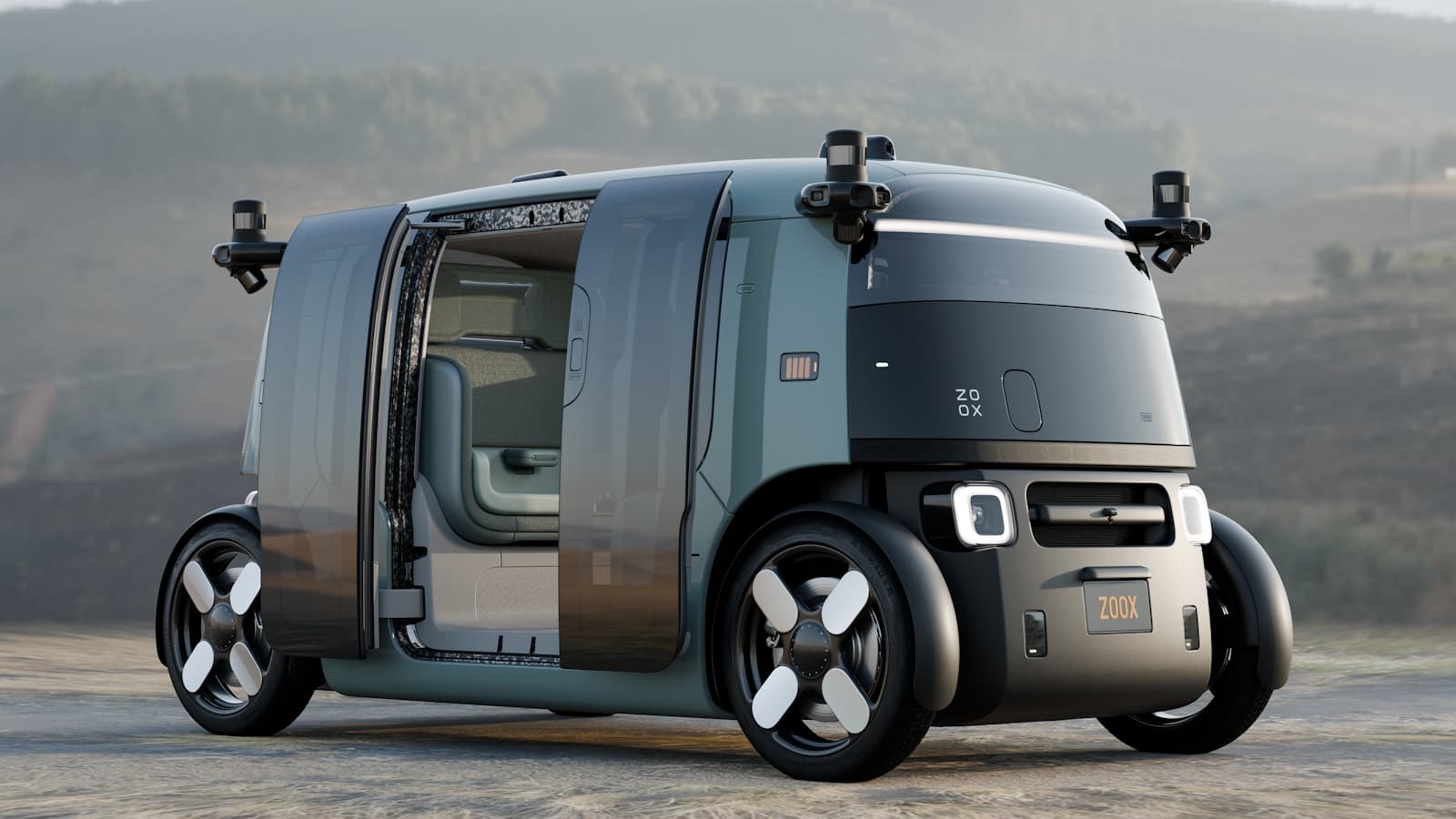
Zoox Wins Federal Approval for Paid Robotaxis, but State Permits Still Control Launches
NHTSA cleared Zoox's steering-wheel-free robotaxi for a limited paid-service path, but state and local permits still determine where fares can begin.

Kenya Footprints Show Eight Large Hominins Moving Together 1.43 Million Years Ago
A PNAS study describes tracks from eight large hominins at Kenya's Koobi Fora, while leaving open whether they were Paranthropus boisei or Homo erectus.