Snap's SPECS Are Not Replacing the Smartphone Yet. They're Pricing the Next Bet.
Snap's new $2,195 SPECS glasses look like a future-device launch, but the sharper signal is commercial: this is an expensive early-adopter bridge between phone-bound computing and something more ambient.
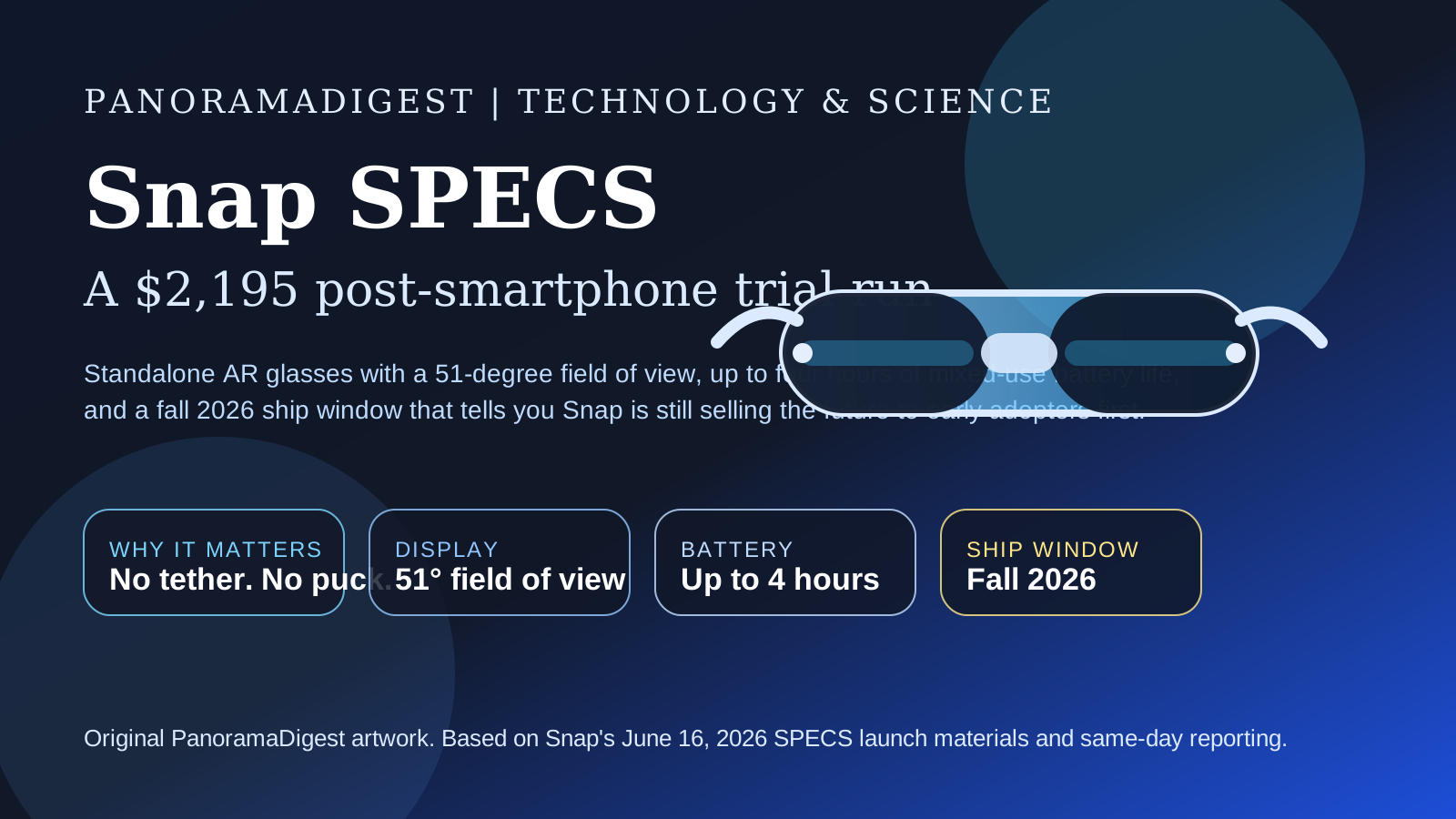
Snap's new SPECS are easy to overread if you treat Tuesday's launch as the moment the smartphone finally met its successor. Snap's official newsroom post and its same-day investor release describe the glasses in language designed for a platform shift: fully standalone, no puck, no tether, two Snapdragon processors, a 51-degree field of view, electrochromic lenses, and enough compute to make AI assistance and spatial apps feel native instead of bolted on. The launch is real. The ambition is real. But the most honest fact in the entire package is the price. At $2,195 with preorders opening now, SPECS are not a mass-market replacement for the phone in your pocket. They are a costly trial run for people willing to pay to live slightly ahead of the rest of the market.
That matters because the product tells you what Snap thinks the next hardware battle actually is. The company is not trying to win by making glasses cheap enough to behave like another accessory. It is trying to prove that a face-worn computer can become credible before it becomes affordable. Axios' launch-day report captured the business tension around that bet: investors still want Snap to focus on its advertising engine, while leadership is still spending political and financial capital on the argument that augmented reality, not the smartphone, is where ambient computing eventually settles. SPECS do not resolve that argument. They make it impossible to ignore.
The hardware says Snap wants to skip the companion-device phase
Some of the launch details are more consequential than they look. Snap says SPECS are fully standalone, come in two sizes weighing 132 grams and 136 grams, and can run for up to four hours of mixed use with a charging case that extends total use to about 20 hours. Those are not just spec-sheet brag lines. They are Snap's way of telling buyers it does not want this product understood as a toy that only works when borrowed from a phone. It wants SPECS read as a self-contained computer that happens to sit on your face.
That is the deeper distinction. Smart glasses become strategically interesting only when they stop behaving like a peripheral. Meta's camera-forward eyewear and the broader wave of assistant-first wearables have shown there is demand for something lighter than a headset. Snap is pushing further by trying to make spatial computing useful without asking users to tolerate the social isolation or bulk that still follows heavier mixed-reality devices. The official launch materials even frame the display as comparable to a desktop monitor for work or a home-cinema screen for video, which is a reminder that Snap is not pitching SPECS as a camera novelty. It is pitching them as an interface claim.
| Launch fact | What Snap says | Why it matters |
|---|---|---|
| Standalone design | No puck, no tether, two onboard processors. | Snap is trying to prove glasses can feel like a primary device, not a dependent accessory. |
| Display and optics | 51-degree field of view, 16 million colors, electrochromic lenses. | The company is signaling that visual immersion has to be good enough for work and media, not just lightweight notifications. |
| Battery and case | Up to four hours mixed use, about 20 total hours with the charging case. | This is usable, but it still reads like a first serious bridge product rather than an all-day replacement for a phone or laptop. |
| Preorder terms | $2,195 with a refundable deposit; shipping this fall in the U.S., U.K., and France. | Snap is choosing an early-adopter lane on purpose and keeping the initial rollout controlled. |
The harder story is not what SPECS can do. It is who this product is really for.
That is where the launch becomes more revealing than the keynote. A lot of companies talk about the future in democratic language, as if the next interface is about to arrive for everyone at once. SPECS do the opposite. The price, the shipping window, and the still-conspicuous frame design all tell you Snap is building for people who actively want to tolerate friction in exchange for proximity to the next platform. That is not failure. It is just a more adult market truth than a lot of launch events are willing to admit.
It also means the most important comparison is not between SPECS and today's phones. It is between SPECS and the categories that already failed to escape niche status. Headsets were too bulky. lightweight smart glasses have often been too limited. If Snap succeeds, it will be because it found a middle ground where users can do enough that the hardware feels like a real computer, while still wearing something they can imagine leaving the house with. If it fails, it will fail for the same reason many ambitious wearable products do: the future sounded elegant on stage but remained too expensive, too visible, or too inconvenient in ordinary life.
That tension is what makes SPECS more interesting than a simple gadget launch. PanoramaDigest made a related argument earlier this week in its analysis of Commodore's Callback 8020: the next meaningful consumer-tech products may be the ones that change the architecture of attention, not just the spec race. Snap is making the inverse bet. Instead of subtracting the portal, it is trying to relocate it from a palm-sized screen into the user's field of view. Both approaches are really arguments about where computing should sit in everyday life.
- June 10, 2025: Snap publicly said the first consumer-ready SPECS would arrive in 2026, turning a long-running AR project into a public commercial promise.
- May 2026: Snap's earnings materials and outside reporting showed investor pressure had not gone away, even as the company kept backing its AR division.
- June 16, 2026: SPECS officially launched with a premium price, fall ship window, and a clear insistence that the glasses are a real computer rather than a phone add-on.
- What matters next: The market will test whether enough people want ambient computing before the hardware becomes lighter, cheaper and less socially awkward.
What readers should actually watch now
Three things matter from here. First, whether reviewers and early buyers think the glasses feel useful for long enough stretches to justify the battery tradeoff. Four hours of mixed use can sound respectable on a stage and restrictive in a workday. Second, whether the software experiences feel like reasons to wear the device rather than demonstrations built to justify the hardware. Snap's release talks confidently about AI assistance, work tools and shared experiences, but new platforms only matter when users keep finding one more thing worth doing with them. Third, whether privacy and comfort concerns harden into the same consumer ceiling that has constrained other wearable bets. Visible cameras and unusual frames may be survivable in an enthusiast phase and much tougher in a mainstream one.
The result is a launch that deserves more respect than mockery and more skepticism than hype. Snap did not unveil a smartphone killer on June 16, 2026. It unveiled a serious, expensive attempt to price the post-smartphone future before that future is ready to be cheap. That is a credible technology story even if the category still has a long way to go.
Reader note: For the official launch materials, use Snap's newsroom announcement, the investor release, and the official product page.
Read Next
Related Stories

Romania Funds 7 Million Lei Danube Barge Plan to Keep Cernavoda Unit 2 Online
Romania approved a 7 million lei temporary barge intervention at the Bala-Dunarea Veche split to preserve the Danube flow needed by Cernavoda Unit 2.
Zoox Wins Federal Approval for Paid Robotaxis, but State Permits Still Control Launches
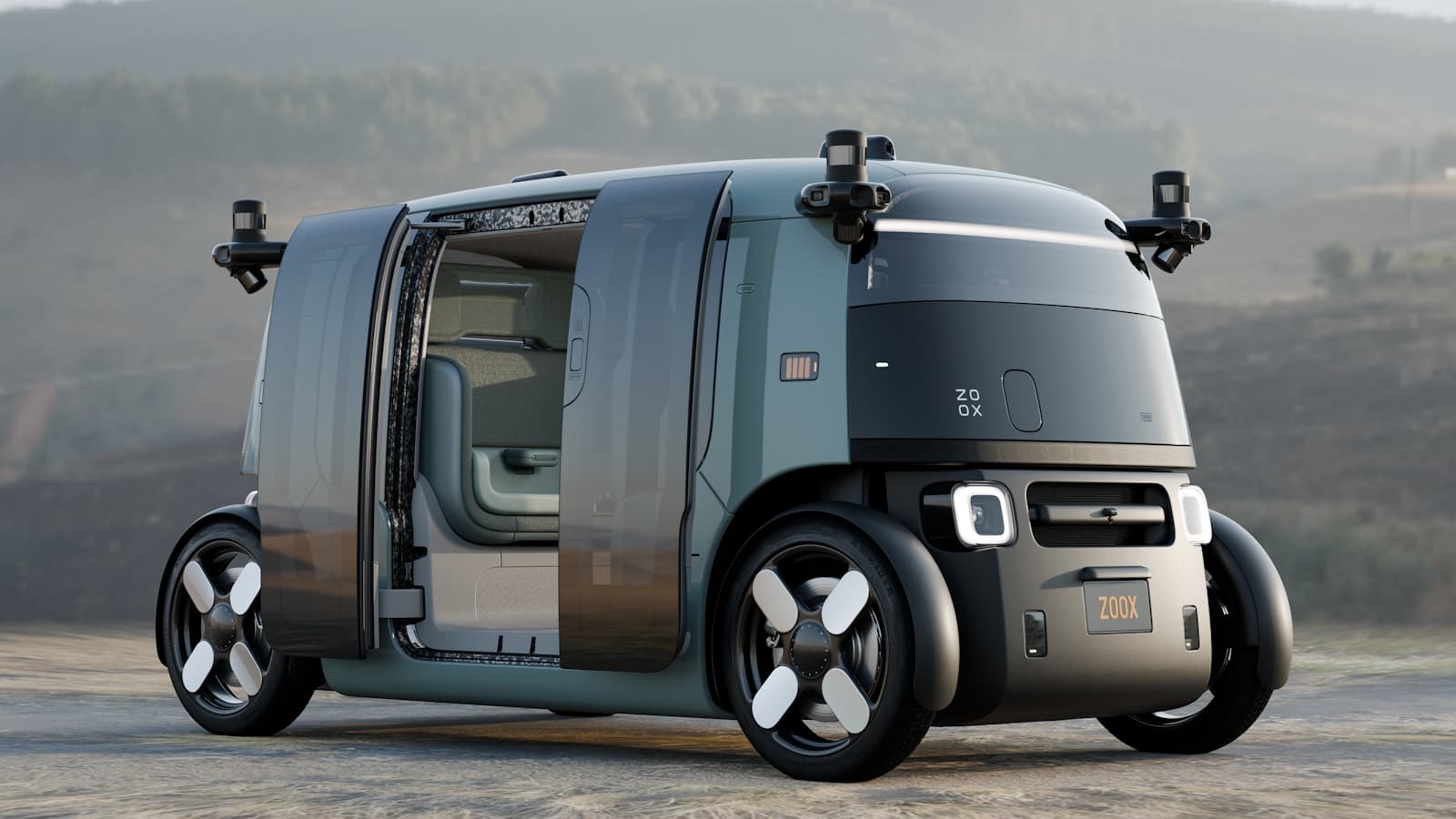
NHTSA cleared Zoox's steering-wheel-free robotaxi for a limited paid-service path, but state and local permits still determine where fares can begin.

Kenya Footprints Show Eight Large Hominins Moving Together 1.43 Million Years Ago
A PNAS study describes tracks from eight large hominins at Kenya's Koobi Fora, while leaving open whether they were Paranthropus boisei or Homo erectus.