Zoox Wins Federal Approval for Paid Robotaxis, but State Permits Still Control Launches
NHTSA cleared Zoox's steering-wheel-free robotaxi for a limited paid-service path, but state and local permits still determine where fares can begin.
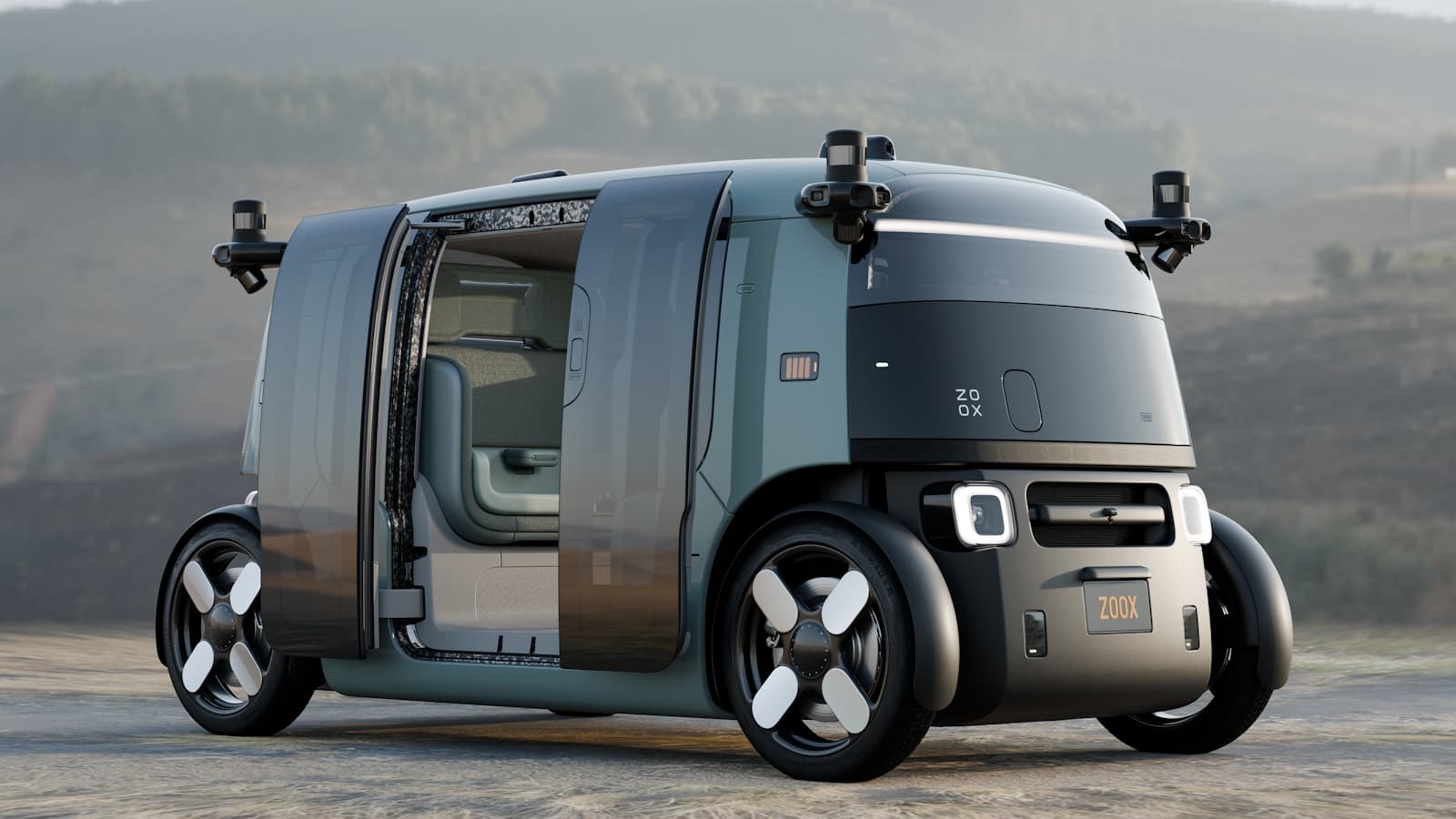
Zoox can now move toward charging for rides in its purpose-built robotaxis without adding a steering wheel, but the federal decision announced on July 30, 2026 does not switch on paid service nationwide. The National Highway Traffic Safety Administration approval addresses federal vehicle-safety requirements. Zoox must still secure the state and local operating authority required in each market.
CNBC — Amazon Just Launched Its Zoox Robotaxis in Las Vegas and We Took a Ride
CNBC's September 10, 2025 report shows the Zoox passenger cabin and Las Vegas service before the company received the federal paid-service exemption. Watch directly on YouTube if the player is unavailable: https://www.youtube.com/watch?v=lIRW8bfy4kE
That distinction is easy to lose in a headline about "paid robotaxi approval." The Associated Press reported that the temporary exemption clears Zoox to charge customers once those other approvals are in place. AP said the initial federal grant permits deployment of as many as 2,500 steering-wheel-free vehicles over two years. The public notice describing NHTSA's review had not yet been replaced by a final-action notice in the Federal Register when this article was prepared.
- What NHTSA approved
- A temporary exemption from specified federal motor-vehicle safety requirements for Zoox's purpose-built robotaxi
- Initial deployment limit reported by AP
- Up to 2,500 vehicles over two years
- What the decision does not supply
- State and local permission to operate a paid passenger service in every city
- Vehicle layout
- Four inward-facing seats, with no conventional steering wheel or driver controls
- Existing public service
- Free rides have already operated in Las Vegas and San Francisco
The result is a regulatory handoff rather than a national commercial launch. Federal regulators have accepted a path for the vehicle itself; transportation regulators closer to each service area still decide where, when and under what passenger-service rules it may carry paying riders.
Federal approval removes one barrier, not three
NHTSA administers the Federal Motor Vehicle Safety Standards, or FMVSS. Many of those standards were written around a human driver and equipment such as mirrors, windshield systems and manual controls. Zoox instead built a bidirectional vehicle around an automated driving system and a passenger cabin in which riders face one another.
The company applied under 49 U.S.C. 30113 and 49 CFR Part 555. That process allows NHTSA to exempt a limited number of vehicles when the agency finds an equivalent overall level of safety and determines that an exemption is in the public interest. NHTSA's general Part 555 guidance says the statutory process can cover up to 2,500 noncompliant vehicles per year, although an individual grant can impose a narrower limit and additional reporting or operating conditions.
Federal vehicle approval is only the first layer. A state motor-vehicle agency can separately govern autonomous testing or deployment on public roads. A public-utilities or transportation commission can then regulate passenger service and whether fares may be collected. Cities and airports may add location-specific rules, pickup restrictions or permits. A company can therefore hold a federal exemption while still lacking authority to sell a ride in a particular place.
This layered system resembles the accountability gap in PanoramaDigest's review of the UN road-safety declaration: a high-level rule establishes the framework, but implementation depends on named agencies, measurable conditions and enforcement. It also explains why vehicle capability and driver-facing claims must remain separate, as shown by the Katy Tesla driver-assist case.
California still separates testing from paid deployment
California's public records show why the wording matters. The Department of Motor Vehicles permit table lists Zoox for driverless testing in Foster City and San Francisco, but not among the companies holding a statewide autonomous-vehicle deployment permit. The California Public Utilities Commission table likewise lists Zoox under its driverless pilot program rather than driverless deployment, the category used for fare-charging passenger service.
Those tables can change, and they should be checked again before any California paid-service launch. For now, they show that the July 30 federal action is necessary but not sufficient for collecting fares there. Las Vegas has a different state and local framework, so its launch sequence may not match San Francisco's.
Zoox's own safety page says the vehicle operates under a NHTSA exemption because it omits equipment designed for human-driven cars. The company says its design includes more than 100 safety innovations. That is a company claim, not a substitute for public operating data. NHTSA retains recall and defect authority, and state regulators can impose reporting, geographic and weather limits or suspend permits.
The commercially important change is therefore precise: Zoox has crossed the federal vehicle-design gate that prevented its unconventional robotaxi from being used as a paid product. It has not received one blanket license for every street. The next proof points are the final federal grant and its conditions, followed by state passenger-service approvals that name the operating areas where a rider can actually be charged.
Read Next
Related Stories
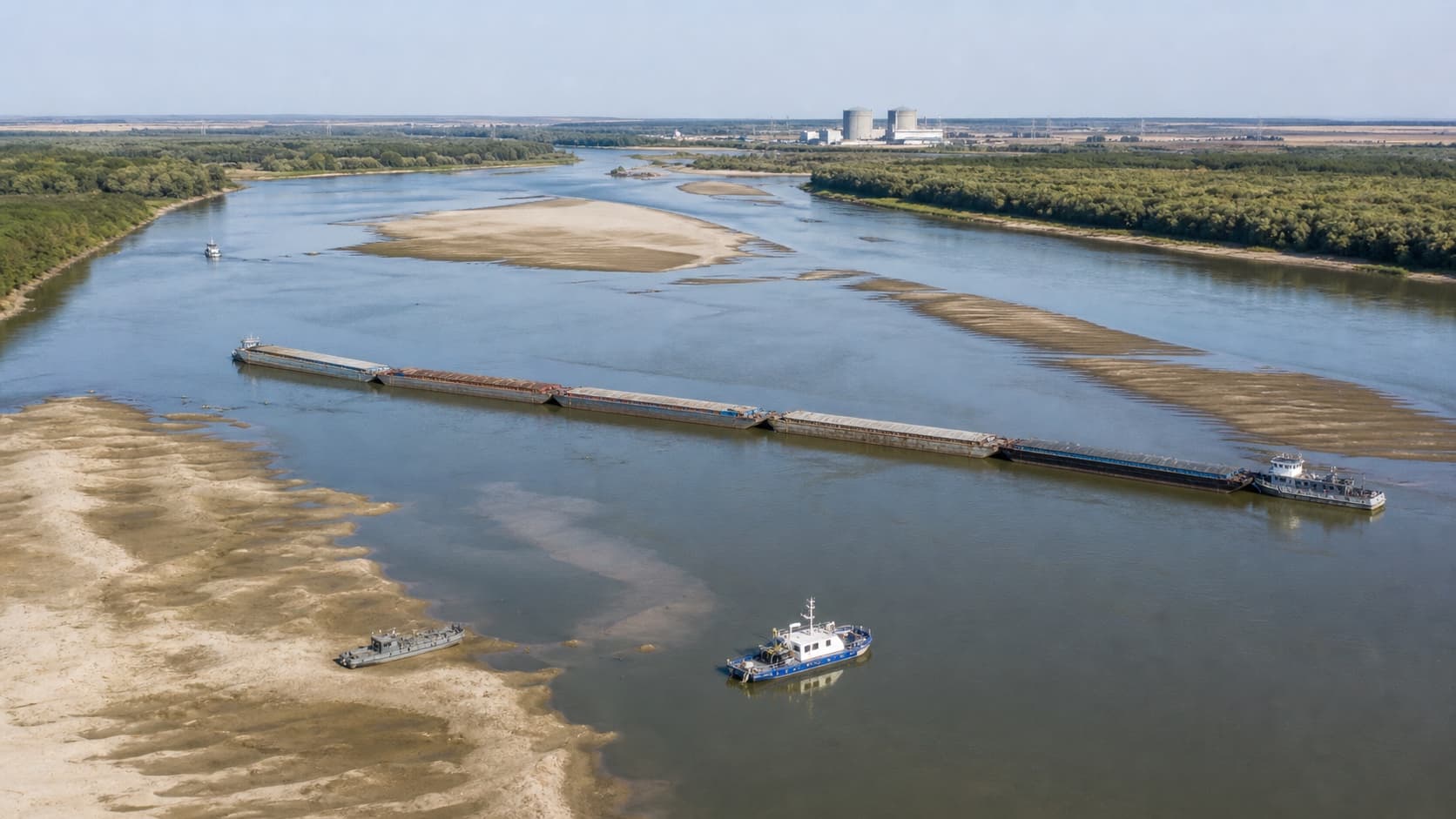
Romania Funds 7 Million Lei Danube Barge Plan to Keep Cernavoda Unit 2 Online
Romania approved a 7 million lei temporary barge intervention at the Bala-Dunarea Veche split to preserve the Danube flow needed by Cernavoda Unit 2.

Kenya Footprints Show Eight Large Hominins Moving Together 1.43 Million Years Ago
A PNAS study describes tracks from eight large hominins at Kenya's Koobi Fora, while leaving open whether they were Paranthropus boisei or Homo erectus.

Cernavoda Unit 1 Shuts Down as Danube Drought Cuts Cooling-Water Margin
Romania disconnected Cernavoda Unit 1 on July 28 after unprecedentedly low Danube water levels reduced its operating margin. The shutdown is preventive, not a nuclear incident.