Anthony Head Made Authority Feel Tender. That Is Why Buffy Fans Are Grieving So Personally
The tributes to Anthony Head are not just nostalgia. They reveal how his performance as Giles made genre television feel protective, adult and emotionally durable.
The death of an actor known for a beloved genre role can produce a peculiar kind of grief: intimate, collective and a little embarrassing to explain to anyone who was not there. Anthony Head's tributes have that quality. Fans are not simply remembering a performer. They are mourning the emotional function he served.
E! News — Sarah Michelle Gellar Pays Tribute to Late Buffy Costar Anthony Head
Entertainment-news video covering Sarah Michelle Gellar’s tribute to Anthony Head.
Head, reported dead at 72 by The Associated Press, built a wide screen and stage career. But for a generation of viewers, he will always be Rupert Giles, the librarian-watchman of Buffy the Vampire Slayer: tweed, dry wit, wounded dignity and the rare adult on television who knew the young heroine was extraordinary without treating her like a machine.
Giles worked because he did not compete with Buffy
The easiest mentor role is a lecture machine. Head made Giles something subtler: a man whose authority came from restraint. He could be funny without winking away the danger. He could be stern without becoming cruel. He could love Buffy without making the show about his sacrifice. That balance is harder than it looks, which is why so many television mentors feel ornamental and Giles still feels inhabited.
In the architecture of Buffy, Giles was a safe room with bookshelves. The show threw adolescence, death, desire, violence and responsibility into the same supernatural blender. Head's performance gave the chaos an ethical center. He made learning feel urgent and care feel adult.
The character actor as cultural infrastructure
Modern entertainment coverage often treats stardom as a measurement problem: awards, box office, streaming numbers, franchise value. Head's legacy is a reminder that durability often lives elsewhere. Character actors make fictional worlds trustworthy. They turn exposition into relationship. They make the ridiculous sound emotionally possible.
Head kept doing that after Buffy, including roles in Merlin, Ted Lasso and stage work that reminded audiences he was not a single-character monument. But Giles remains the role where his gifts were most perfectly arranged. He made intelligence warm. He made repression funny. He made grief look private until the script finally let it crack.
| Lane | What he brought | Why it endured |
|---|---|---|
| Genre television | Authority with vulnerability | Made supernatural stakes emotionally credible |
| Comedy and wit | Precision timing without mugging | Kept heavy scenes human |
| Ensemble work | Supportive presence without shrinking | Let younger leads shine while deepening the world |
Tributes are also a measure of television's memory
It is fashionable to say that television moves too quickly now for shared memory. The response to Head suggests otherwise. Viewers still know which performances helped them become themselves. They remember the characters who made fear legible. They remember the adults they wished existed in their own rooms.
That is why the tributes from co-stars and fans have landed with such force. The grief is not only for a career, though the career was generous. It is for a tone of care that Head played without sentimentality. He gave genre television a father figure who could apologize, fail, learn and still show up.
In an industry that keeps trying to manufacture resonance through intellectual property, Head's legacy offers a quieter lesson. Audiences do not return to a show only because the mythology is clever. They return because someone inside it made the world feel survivable. For many Buffy fans, that someone wore glasses, carried books and knew when silence was the most loving line in the scene.
Why genre television needed him
Buffy arrived from a premise that could have collapsed into camp: a teenage girl fights monsters after school. The show survived because its best performers treated the emotional stakes as real. Head was central to that alchemy. He could stand in a library surrounded by occult research and make the scene feel less like mythology and more like responsibility.
That is a rare skill. Genre television asks actors to sell impossible circumstances without flattening ordinary feeling. Head understood that the monster was often not the point. The point was fear, guilt, friendship, betrayal, duty and the embarrassment of needing help. His Giles gave the show permission to be funny and wounded in the same hour.
The tenderness was disciplined, not soft
What made the performance linger was its refusal to make care look easy. Giles could be controlling. He could be wrong. He could retreat behind rules because feeling too much was dangerous. That complexity kept the character from becoming a poster of perfect mentorship. He was not ideal because he never failed. He mattered because he kept trying to behave decently after failure.
For viewers who grew up with the show, that distinction matters. Television has plenty of heroic speeches. It has fewer examples of adults who apologize without surrendering their authority, who protect without owning, who understand that love sometimes means stepping back from the frame. Head played those beats with a delicacy that still reads as modern.
The industry will remember his credits. Fans will remember the room he created around them. That is the strange afterlife of a great supporting performance: it becomes part of how people describe safety, intelligence and grief long after the series finale fades from the schedule.
That is why the response has felt less like fandom performing nostalgia and more like an audience returning a debt. Head helped make a strange television world emotionally habitable, and habitable worlds are the ones viewers keep carrying.
Continue reading: David Hockney Dies at 88 With His London Show Still Teaching People How to Look.
Read Next
Related Stories

Netflix Cuts 2026 Ad Revenue Forecast to $2.7 Billion: The 10% Change Explained
Netflix lowered its annual ad outlook, not last year's sales. A calculation table separates the 10% revision, its revenue share and the company's quarterly results.
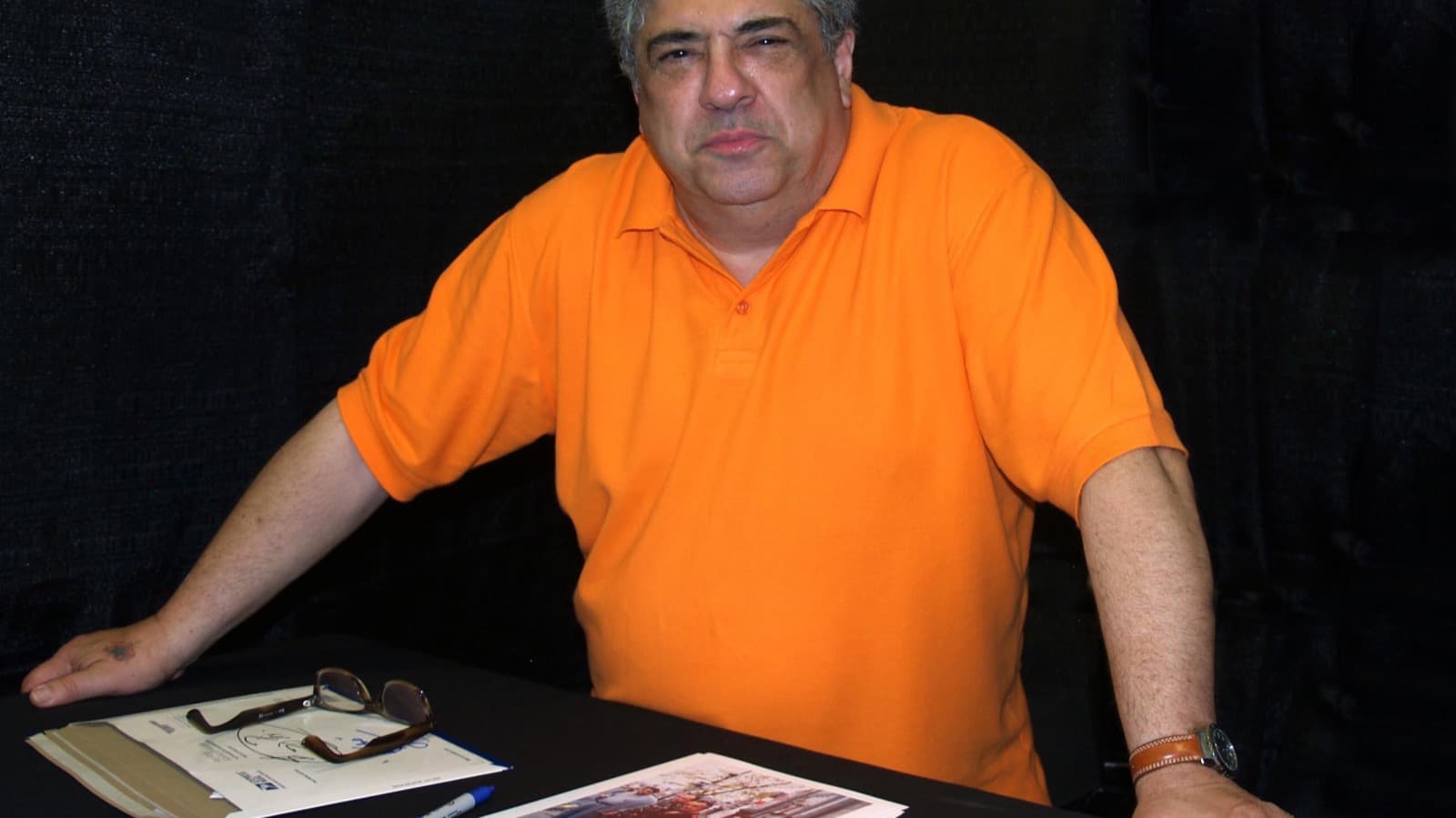
Vincent Pastore Dies at 80: The Sopranos Actor's Career Beyond Big Pussy
Vincent Pastore, who made friendship and betrayal inseparable as Big Pussy on The Sopranos, has died at 80. His manager confirmed the death to AP.

Ryan Gosling Will Play Ghost Rider in Marvel's 2028 Film Directed by Shawn Levy
Marvel confirmed Ryan Gosling as its new Ghost Rider at San Diego Comic-Con. Shawn Levy will direct the 2028 film, giving the MCU character his first standalone movie since the rights returned to Marvel.