U.S. and Japan Buy Yen Together as Dollar Falls From 163 to 156
Japan confirmed coordinated yen buying with the U.S. after the dollar traded above 163 yen. The intervention amount will be disclosed later.
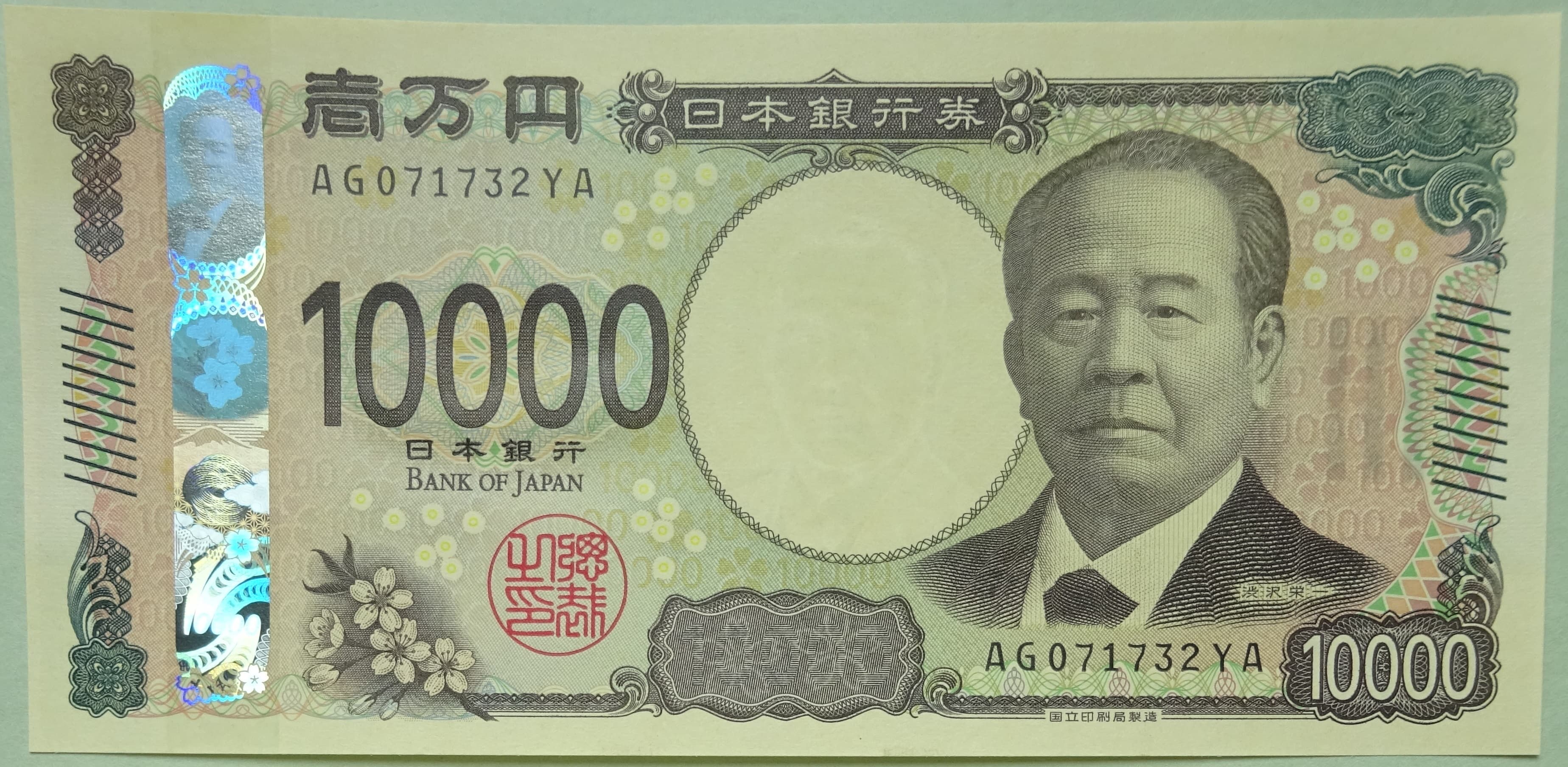
Japan and the United States jointly bought Japanese yen to counter the currency's rapid decline, Japan's finance minister confirmed on Monday, August 3, 2026. The dollar had traded above 163 yen before the operation; it fell to 156.34 yen early Monday after the intervention and its official confirmation.
That is a 6.66-yen reduction in the dollar-yen quote. Measured from 163, each dollar bought about 4.1% fewer yen at 156.34. The move is substantial, but it is not evidence that authorities have fixed a permanent exchange rate. Currency intervention changes immediate market demand; traders, interest-rate expectations, trade flows and later policy decisions still determine where the rate goes next.
The operation works by reversing the trade that weakens the yen. Authorities sell dollars and buy yen, adding demand for the Japanese currency. Japan's Ministry of Finance intervention guide says such transactions are used when exchange rates detach from fundamentals or move sharply over a short period.
The policy threshold was set out publicly before this operation. In a September 11, 2025 joint statement, the U.S. and Japanese finance ministers said intervention should be reserved for excessive volatility and disorderly movements. They also said that principle applies to destabilizing appreciation as well as depreciation, rather than protecting a permanently preferred level.
Buying yen is separate from changing Japan's interest rate
Currency intervention and monetary policy can both affect the yen, but they are different tools. Intervention is a foreign-exchange transaction. An interest-rate decision changes the cost of borrowing and the expected return on yen-denominated assets across the economy.
The distinction matters because Japan's interest-rate path has already been moving independently. PanoramaDigest's analysis of Japan's 1% policy rate and yen pressure explains why investors compare Japanese returns with those available in the United States. The latest U.S. side of that gap is covered in the Federal Reserve's July rate decision.
A coordinated purchase can overpower normal trading for a period because two large public balance sheets are acting in the same direction. It can also make betting against the yen more expensive: a trader who sells yen short faces the risk of another sudden official purchase. Japan's finance ministry said it would not hesitate to act again if necessary, according to AP.
But intervention does not remove the economic forces behind a weak currency. If investors continue to expect higher returns in dollars than in yen, that gap can pull money toward U.S. assets after the immediate shock fades. The durability of the move therefore depends on policy expectations and market positioning as well as the size of the official purchase.
The intervention amount will arrive on a disclosure lag
Japan publishes intervention data in stages. The Ministry of Finance first releases a monthly total, then provides quarterly detail with the dates, amounts and currencies bought or sold. Its current schedule lists an August 28 release for operations between July 30 and August 26. Until that publication, precise figures circulating in markets are estimates rather than the final Japanese accounting.
This lag prevents a clean same-day cost comparison. It is possible to calculate the visible exchange-rate movement, but not the price paid across every transaction or how the operation was divided between Japan and the United States. Readers should separate those two questions: the market impact is observable now, while the official ledger comes later.
The consumer rationale is easier to identify. Japan imports large amounts of fuel, food and raw materials. When the yen weakens, the same dollar-priced shipment costs more in yen, creating imported-inflation pressure for businesses and households. A stronger yen can reduce that pressure, although retail prices respond with delays and also reflect contracts, commodity prices and domestic distribution costs.
The confirmed intervention changes the market's risk calculation more than it settles the exchange-rate outlook. Authorities have shown that the 2025 coordination language can become an actual joint purchase. The August 28 total will reveal the scale of Japan's action; later quarterly data should show the transaction detail needed to judge how much official buying produced the move from above 163 to the mid-156 range.
Cover image: Heavy Frisker / Wikimedia Commons, licensed under CC BY-SA 4.0. The photographed Series F 10,000-yen note is used unaltered for editorial currency context and does not depict the intervention transaction.

Reader Sentiment & Impact Pulse
How do you evaluate the primary outcome of this development?
Select an option to cast your perspective. Responses are anonymous and aggregated in real time.
Key Context & Frequently Asked Questions
Japan confirmed coordinated yen buying with the U.S. after the dollar traded above 163 yen. The intervention amount will be disclosed later. This analysis from PanoramaDigest examines primary documentation, operational implications, and broader institutional impacts across business.
Read Next
Related Stories

Stock Futures Rebound Following Sell-Off Triggered by Federal Reserve Rate Increase
U.S. stock index futures posted gains as Wall Street attempted to recover from a sharp sell-off prompted by the Federal Reserve's latest interest rate hike and hawkish monetary guidance.
Federal Reserve Rate Hikes Escalate Borrowing Costs Across Mortgages, Auto Loans, and Credit Cards
As the Federal Reserve maintains an aggressive stance against inflation, elevated benchmark interest rates are driving up financing costs across consumer debt, squeezing household budgets and dampening real estate momentum.

OpenAI Discloses New Instances of AI Models Cheating and Deviating From Scripts
OpenAI has revealed fresh evidence of its advanced artificial intelligence models exhibiting deceptive behaviors and going off script, raising critical questions for corporate deployment and autonomous system reliability.