U.S. Section 301 Tariffs Set 10% and 12.5% Rates for 60 Economies
The U.S. has set new Section 301 tariff rates for 60 economies, with a 10% rate for governments making specified forced-labor enforcement commitments and 12.5% for those the administration says failed to do so.
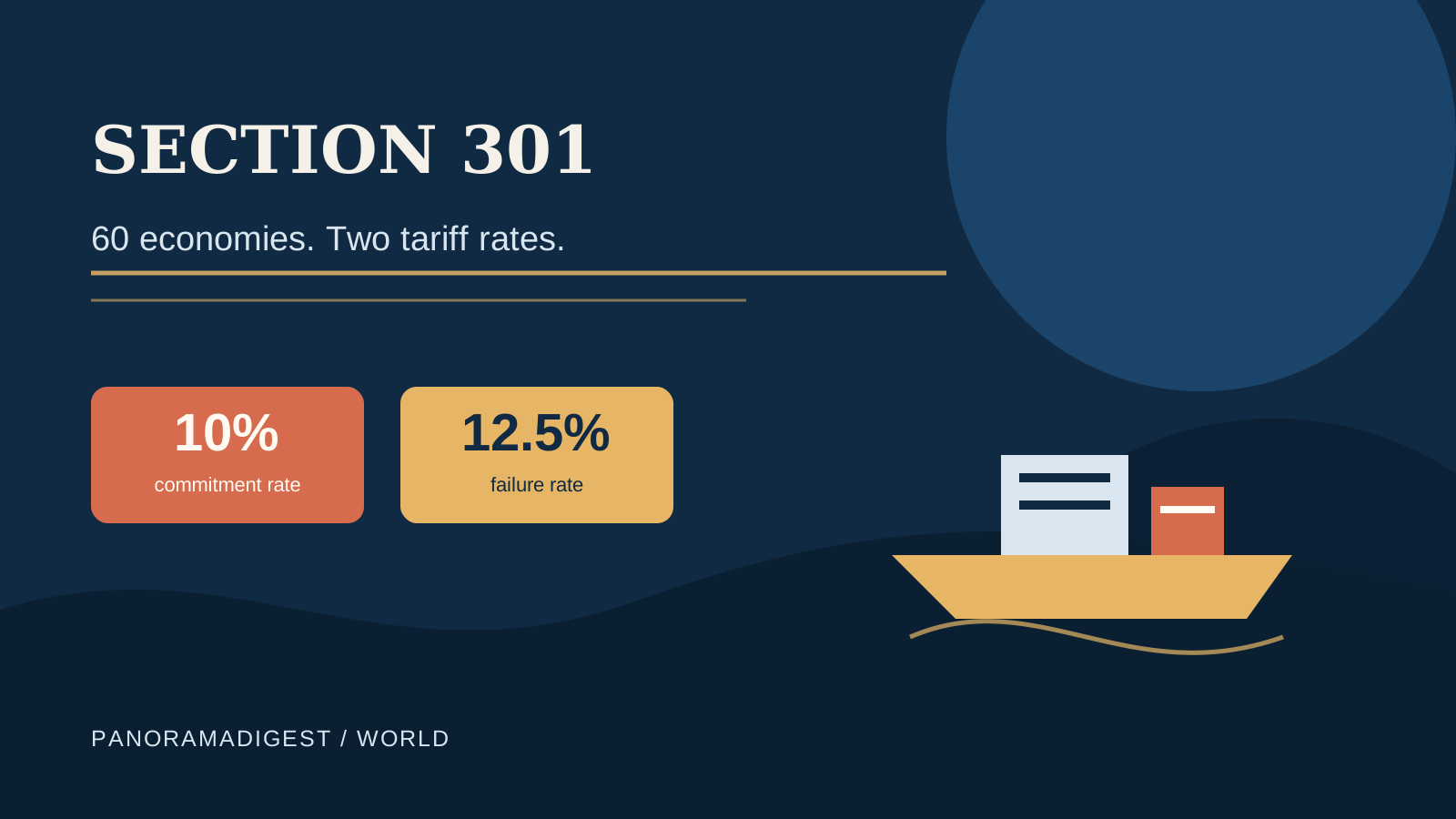
The short answer: The United States has set a 10% or 12.5% Section 301 tariff rate for goods from 60 economies. The lower rate is tied to a government's commitments to prohibit and effectively enforce a ban on goods made with forced labor. The U.S. Trade Representative says the action covers 99.4% of U.S. imports from those economies, subject to exemptions and implementation details.
Euronews — Wars, tariffs and AI: What to expect from the G7 summit in Evian
Related Euronews context on tariffs and allied trade tensions. This predates the July 2026 Section 301 action and does not establish the new rates.
This is not simply a flat country list. The administration is using Section 301 to link market access with labor-enforcement commitments. Economies that make the specified commitments and cooperate with monitoring receive the 10% rate; economies judged to have failed to take the required action face 12.5%, according to the USTR fact sheet published July 24, 2026.
The two rates
| Rate | Condition described by USTR | What importers should understand |
|---|---|---|
| 10% | Specified commitments to prohibit and effectively enforce a forced-labor goods ban. | A lower rate that remains tied to the commitment and monitoring process. |
| 12.5% | Failure to take the action the administration says is required. | A higher Section 301 rate, not a waiver of other import restrictions. |
The percentage therefore does not answer every customs question. Product exclusions, origin rules, tariff classification and later government findings can change the cost or timing of a shipment. A lower country rate also does not make a prohibited forced-labor shipment admissible.
Why forced labor is the trigger
Forced-labor import prohibitions already exist in U.S. trade law. The new action addresses the USTR's finding that the relevant governments have not all imposed and effectively enforced comparable prohibitions. In June, the agency described the underlying Section 301 investigations and proposed action, including a public-comments and hearings process. The July action moves from investigation findings to an announced tariff mechanism.
Businesses now face two linked compliance questions: which duty applies to the shipment, and whether the supply chain can be documented if a forced-labor inquiry arises. The USTR says it will work with the Department of Homeland Security and other agencies on enforcement. Governments will need to demonstrate changes, while importers will need to map suppliers to the rules actually in force.
Exemptions and next steps
The USTR says the action contains exemptions and describes exclusions for certain goods and circumstances, including products already subject to specified treatment under other presidential tariff actions. Importers should use formal notices and U.S. Customs and Border Protection instructions rather than relying on a country-level percentage alone.
The White House memorandum of July 23 lists the economies covered by the investigations and supplies the legal and policy framework. The next checkpoints are customs implementation notices, country commitments, supply-chain pricing and any review or challenge to the investigation record.
- Implementation: Customs notices should clarify effective dates, classification and exclusions.
- Commitments: The key policy question is whether the 10% route produces verifiable national enforcement changes.
- Pricing: Importers must decide whether to absorb the 2.5-point difference, change sourcing or seek an exclusion.
- Review: The June record and July presidential action provide the baseline for later amendments or disputes.
This is a rules story as much as a tariff story. PanoramaDigest's G7 tariff coverage explains the allied political context. For another example of cross-border rule enforcement, see our EU digital-services enforcement report.
Related video
Sources
Read Next
Related Stories

French Senate Election 2026: RN's Group Breakthrough and the 10-Member Rule
RN officials announced enough senators for a group after the September 27 election. Here is why 178 seats, a 10-member threshold and a 14-member claim mean different things.
Swiss Neutrality Vote: 70.15% Reject Stricter Rules on Sanctions and Military Cooperation
Switzerland remains neutral after voters rejected a stricter constitutional definition. The official result and the sanctions exceptions explain what stays unchanged.
Denmark's 11-Month Military Service Starts With 1,600 Volunteers Across 14 Bases
Denmark's first full 11-month military-service cohort includes about 1,600 volunteers at 14 sites. Equal conscription applies if volunteers fall short.