Federal Reserve Raises Interest Rates Amid Resurgent Inflation, Defying Political Pressure
In a decisive move to tame persistent price pressures, the Federal Reserve executed its first interest rate hike since 2023, signaling institutional independence despite mounting political friction.

The Federal Reserve raised its benchmark interest rate on Wednesday for the first time since July 2023, delivering a clear signal that combating persistent inflation remains its top priority despite escalating political opposition from Donald Trump. According to primary reporting from NBC News, central bank officials voted to increase the target federal funds rate following a series of economic indicators pointing to stubborn price increases across consumer goods, services, and industrial inputs. The decision highlights the Fed's commitment to its dual mandate of price stability and maximum employment, asserting its monetary policy independence during a politically charged economic climate.
According to preliminary reporting reviewed by NBC News, key authorities are coordinating response frameworks and tracking institutional developments as formal determinations emerge.
Financial markets reacted swiftly to the monetary tightening, with benchmark 10-year Treasury yields surging and major equity indexes experiencing heightened volatility. Borrowing costs across credit markets adjusted immediately, placing fresh pressure on corporate capital expenditures and compressing business margins in highly leveraged sectors. Real estate financing faced immediate headwinds as mortgage rates spiked, while institutional investors recalibrated portfolio allocations to account for prolonged elevated interest rates and potential shifts in corporate earnings forecasts.
Central bank independence is essential for maintaining long-term price stability. When inflation pressures resurface, monetary policy must act decisively based on economic data rather than political cycles.PanoramaDigest Financial Policy Analysis
Strategic Implications & Regulatory Oversight
The move follows a prolonged period during which monetary policy had remained on hold after the aggressive tightening campaign executed between 2022 and 2023. While economic growth remained remarkably resilient throughout recent quarters, underlying structural factors—including labor market tightness, supply chain adjustments, and energy costs—prevented inflation from returning sustainably to the Fed's 2% target. Central bank history underscores that failure to address entrenched inflation early risks destabilizing long-term growth, forcing policymakers to act despite broader macroeconomic uncertainty.
For ongoing context, explore the PanoramaDigest Business section and follow continuous updates on our dedicated Inflation archive.
Reactions across Washington and Wall Street underscored the significant stakes surrounding the decision. Political figures criticized the central bank's stance, arguing that higher borrowing costs could stifle economic expansion and place undue burdens on middle-class consumers. Conversely, institutional analysts and macro economists commended the Fed for maintaining its structural autonomy, noting that unanchored inflation expectations would ultimately cause far greater systemic damage to business investments and household purchasing power.
Looking ahead, market participants will closely scrutinize upcoming economic releases, including personal consumption expenditures data, consumer price index updates, and labor market metrics, to gauge whether additional rate hikes will be necessary. Analysts note that the path forward remains highly data-dependent, as policymakers balance persistent price pressure against tightened credit conditions. As the Federal Reserve navigates this challenging economic landscape, its willingness to withstand political scrutiny will remain a central anchor for international markets and domestic business planning.
Reader Sentiment & Impact Pulse
How do you evaluate the primary outcome of this development?
Select an option to cast your perspective. Responses are anonymous and aggregated in real time.
Key Context & Frequently Asked Questions
In a decisive move to tame persistent price pressures, the Federal Reserve executed its first interest rate hike since 2023, signaling institutional independence despite mounting political friction. This analysis from PanoramaDigest examines primary documentation, operational implications, and broader institutional impacts across business.
Read Next
Related Stories

Forbes Ranks San Antonio Titans Among Nation's Richest as Regional Wealth Multiplies
Forbes’ latest wealth evaluation spotlights San Antonio’s expanding economic clout, placing two prominent local figures among the country's wealthiest individuals. The rankings underscore the enduring profitability of regional retail enterprise and strategic capital deployment in South Texas.
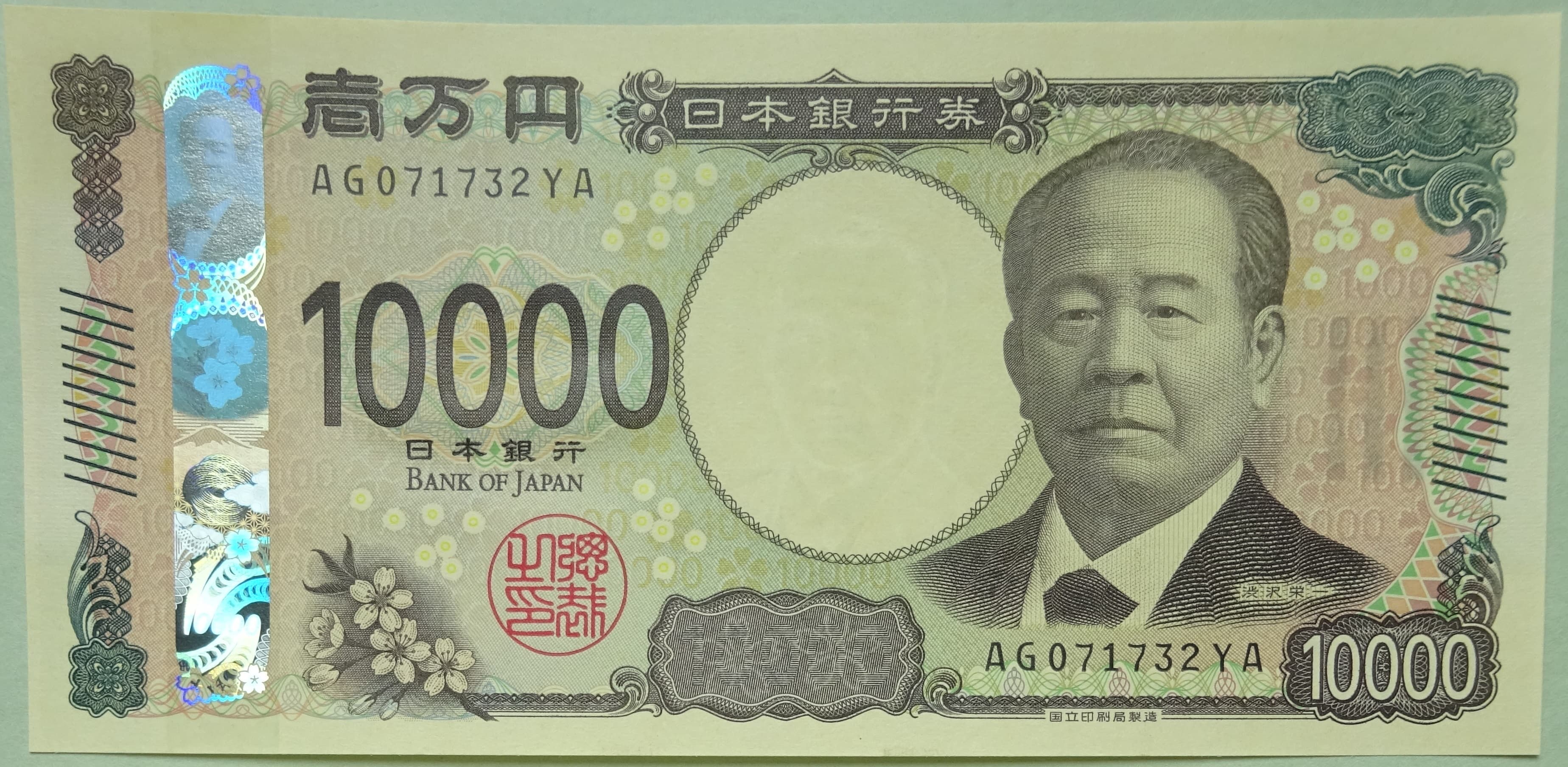
U.S. and Japan Buy Yen Together as Dollar Falls From 163 to 156
Japan confirmed coordinated yen buying with the U.S. after the dollar traded above 163 yen. The intervention amount will be disclosed later.
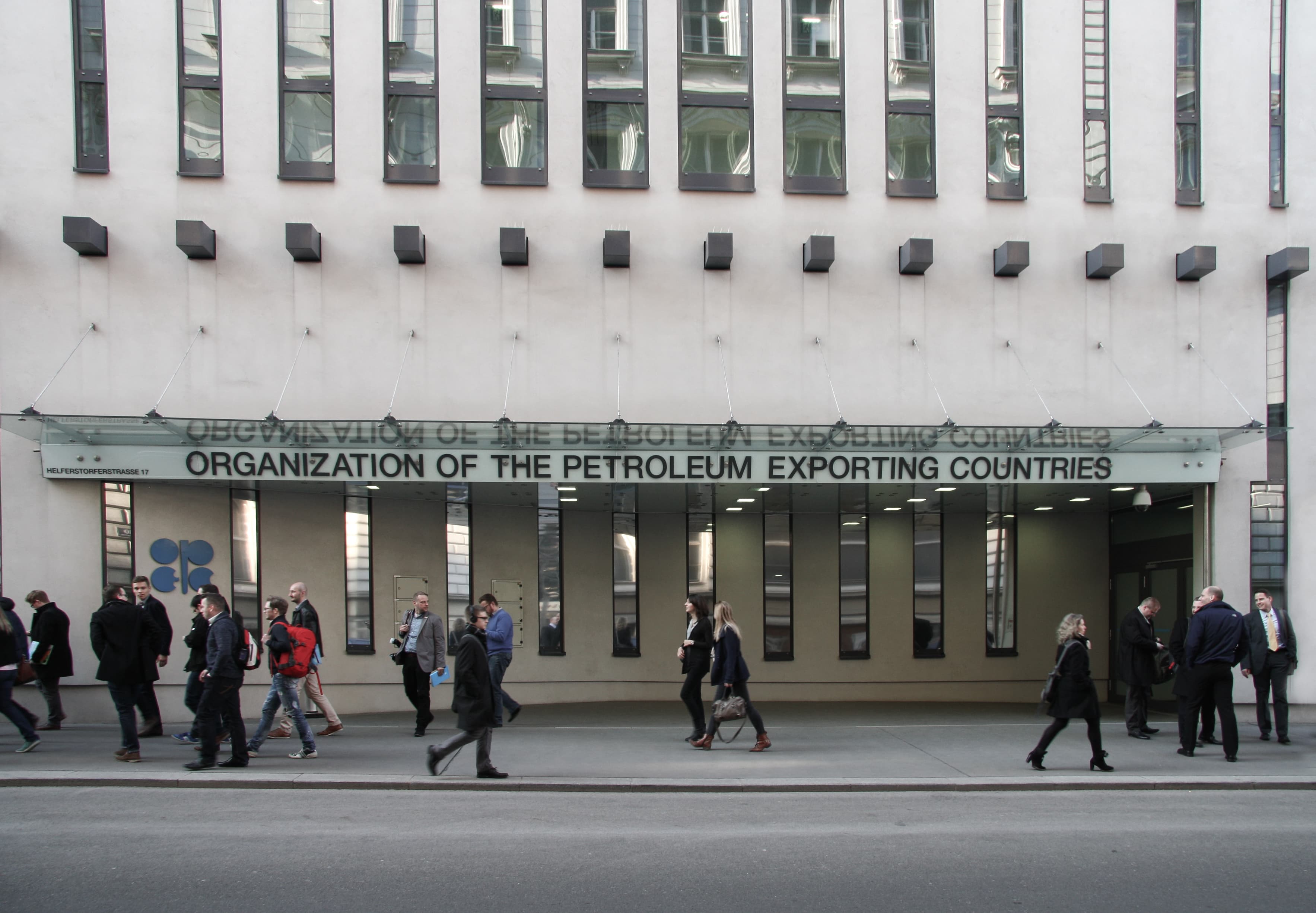
OPEC+ Raises September Oil Production Target by 188,000 Barrels a Day
Seven OPEC+ countries raised their combined September production target by 188,000 barrels a day, bringing the published required total to 31.01 million.