
Business
China Q3 GDP Growth Rebounds to 4.5%: Retail and Investment Still Lag
China's Q3 GDP rose 4.5%, but September retail sales and nine-month investment show an uneven recovery. A guide to the figures, periods and price bases.
Editor
Caroline Mercer directs Business coverage, specializing in markets, companies, personal finance, labor, entrepreneurship, regulation, retail, real estate, and the forces changing how people work and spend. She has a sharp eye for earnings reports, policy changes, consumer data, and executive strategy, but her stories always come back to practical consequences for households, workers, founders, and investors. Her section values plain-English financial explanation, skepticism toward hype, and useful context around economic uncertainty.
Coverage focus
Business
Editorial standard
Articles are reviewed for sourcing, context, public relevance, and clear separation between verified facts and analysis.
Accountability
Editorial standards and corrections are public for reader review.
Business
China's Q3 GDP rose 4.5%, but September retail sales and nine-month investment show an uneven recovery. A guide to the figures, periods and price bases.
Business
The 2027 Social Security COLA is 3.6%. Our worked examples separate the gross increase from the bank deposit, with the official calculation and payment timing.

Business
A practical guide to the EU rules applying from September 27: environmental claims, certification labels, GARAN guarantees and the limits of old-stock flexibility.
Business
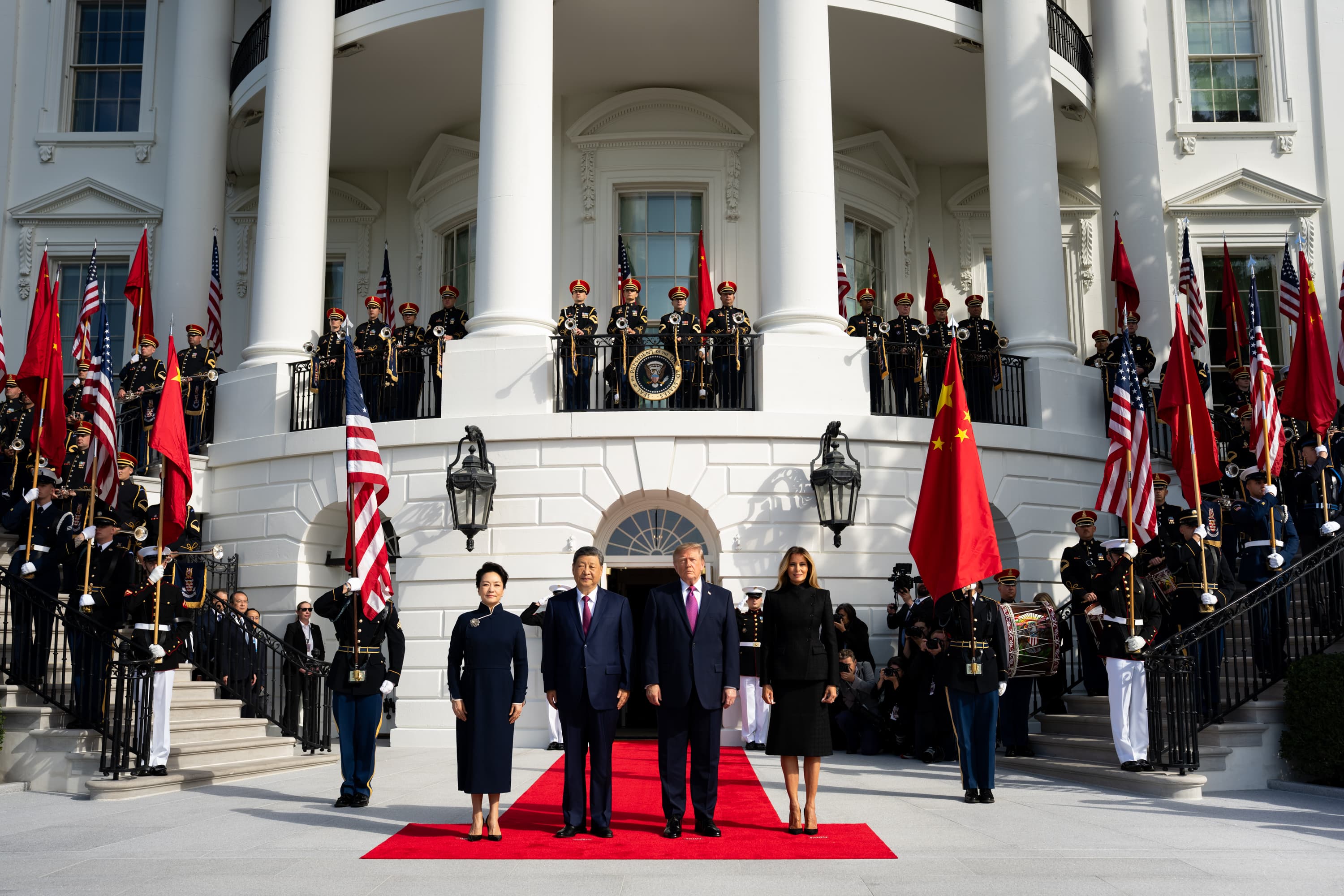
The White House names goods worth $30 billion in each direction. Neither government's summit summary supplies the product codes, new duty rates or start date needed to calculate shipment-level savings.
Business
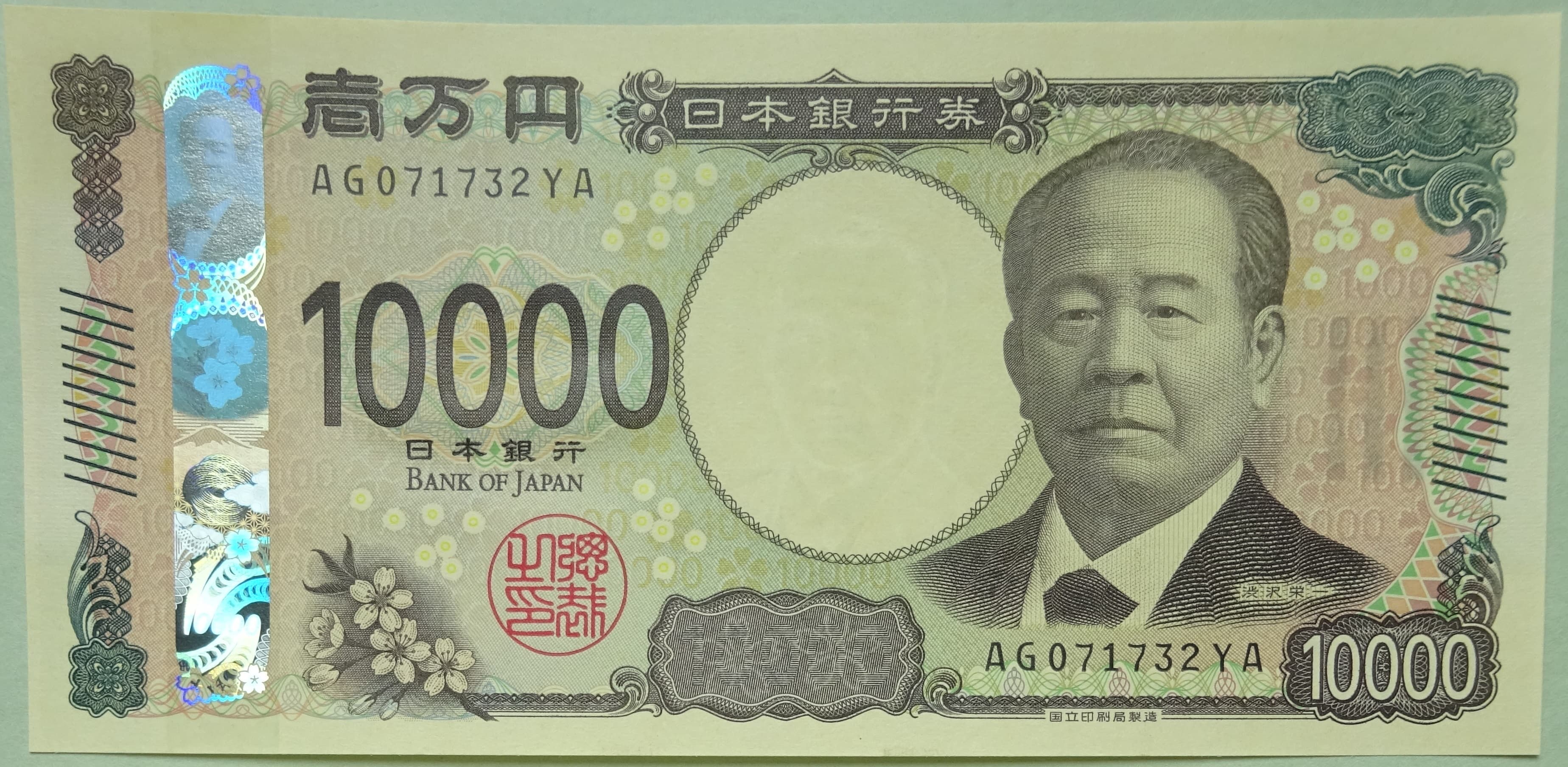
Japan confirmed coordinated yen buying with the U.S. after the dollar traded above 163 yen. The intervention amount will be disclosed later.
Business
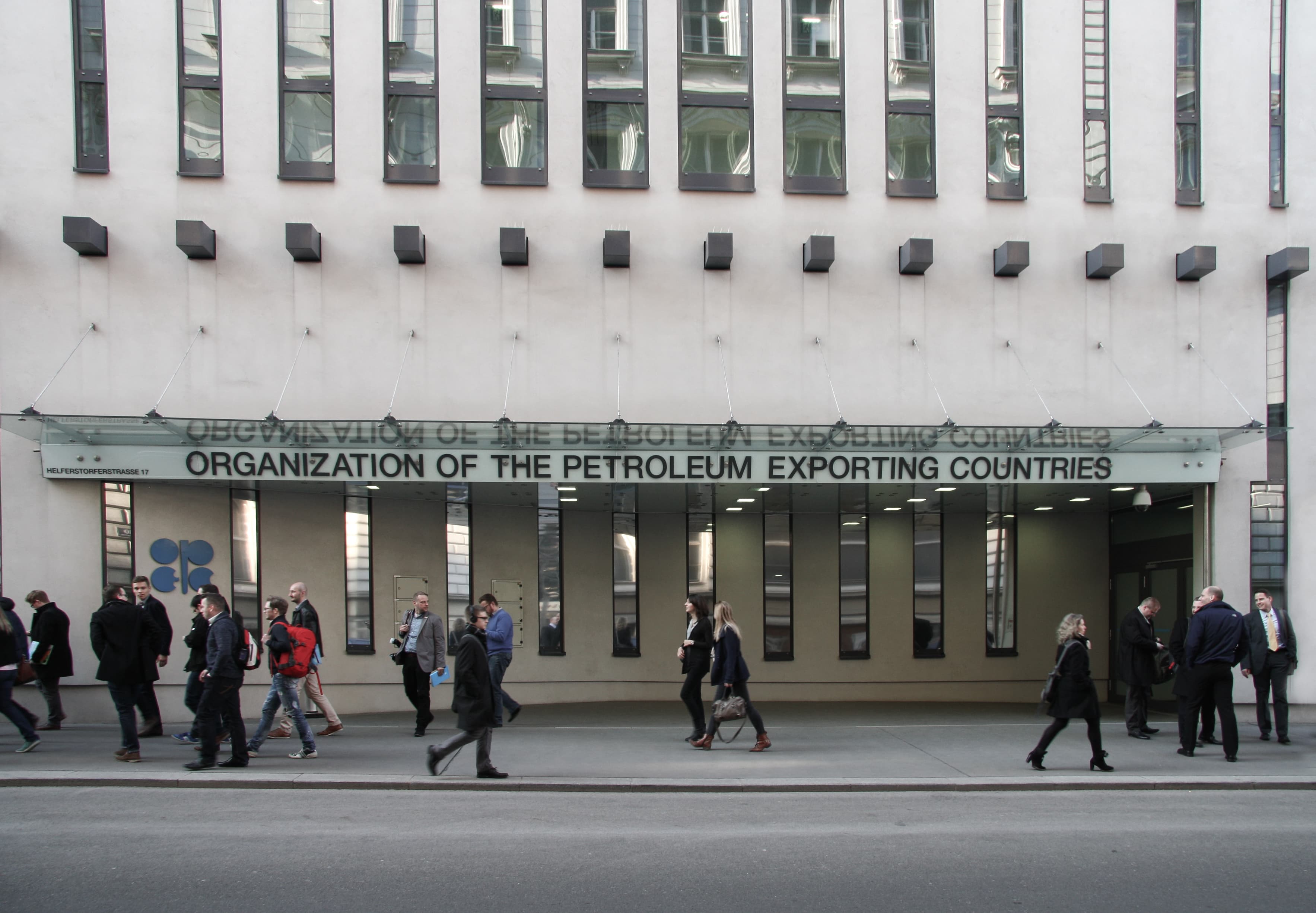
Seven OPEC+ countries raised their combined September production target by 188,000 barrels a day, bringing the published required total to 31.01 million.

Business
Burlap & Barrel and Collective Horology asked the U.S. Court of International Trade to block new tariffs covering 60 economies and preserve claims for refunds.

Business
Romania's Senate adopted a six-month fuel-market bill that would cut diesel excise by 300 lei per 1,000 liters, apply 19% VAT to gasoline and diesel, cap markups and restrict diesel exports. It is not yet law.

News
Seattle police say a shooting at the Bite of Seattle festival killed three people and injured four others, including a 2-year-old boy. One suspect was arrested and police continued searching for another.

News
Berlin authorities say one woman was killed and 29 people injured after a vehicle struck people near Christopher Street Day. The suspect died during a police operation, and victim-support and witness-reporting channels remain open.

Business
The European Commission’s July 17 banking communication proposes a more integrated single market while the ECB argues that simplification must preserve resilience.
News
The European Commission's 2026 Rule of Law Report covers justice, corruption, media freedom and institutional checks across the EU, with 47% of last year's recommendations fully or partly followed up.

News
EU countries agreed to extend temporary protection for people displaced from Ukraine until March 4, 2028, while adding a new military-obligation condition for future applicants.

Business
The EU has adopted targeted measures to help farmers absorb higher fertiliser costs, but the package is a liquidity and supply response rather than an instant cut in grocery prices.
Business
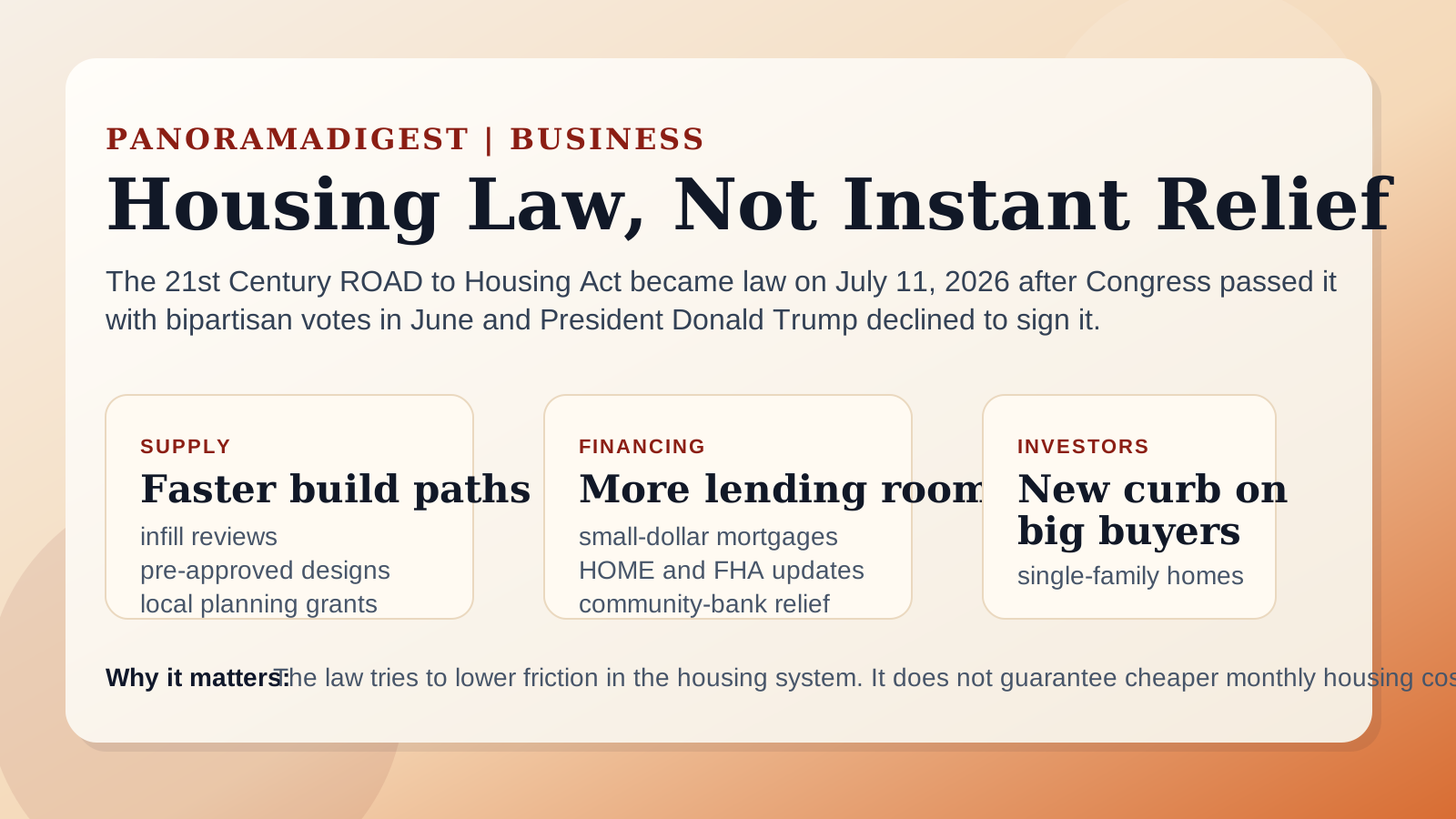
The 21st Century ROAD to Housing Act became law on July 11, 2026, after President Donald Trump declined to sign it. The package is broad and consequential, but it is designed to speed supply, expand financing and limit some investor competition, not to cut monthly housing costs overnight.
Health
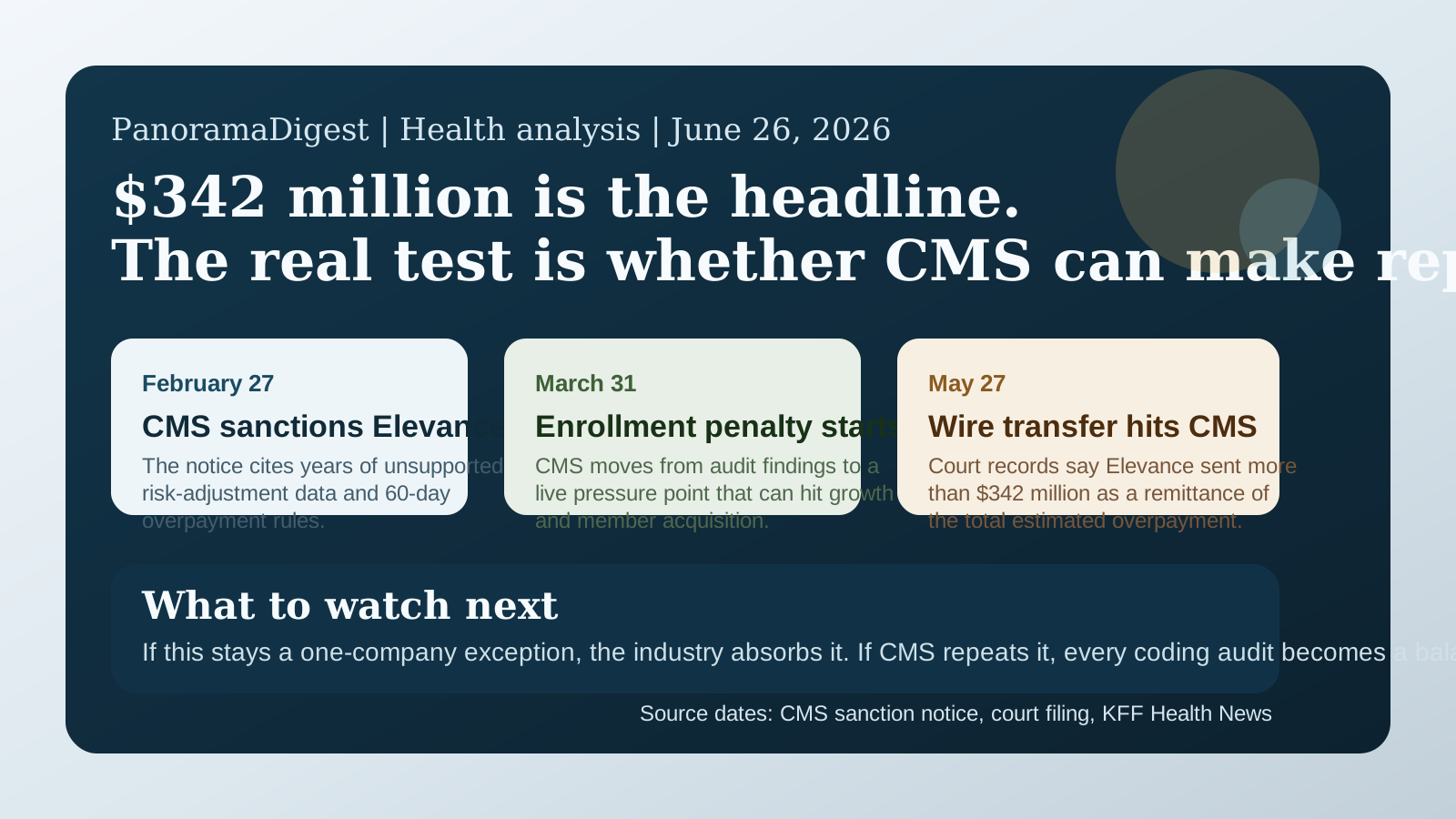
Elevance's $342 million repayment matters less as a headline penalty than as a test of whether CMS can finally make Medicare Advantage overbilling expensive in real time.
Business
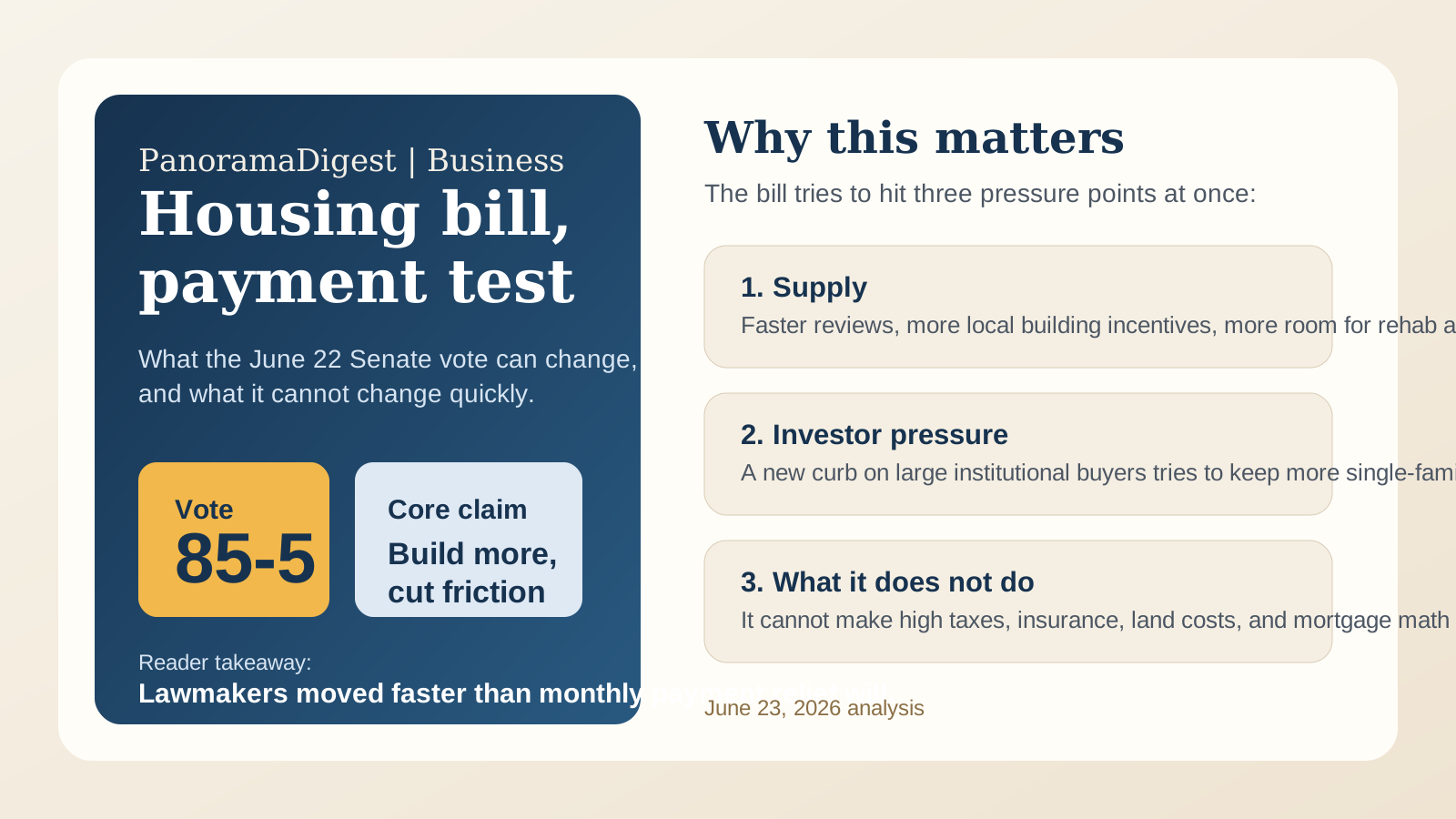
The Senate's 85-5 housing vote is being sold as a breakthrough on affordability. The sharper business read is that Congress is finally treating housing as a supply-and-investor problem, but monthly payment pain will still judge the bill faster than lawmakers can.
Business
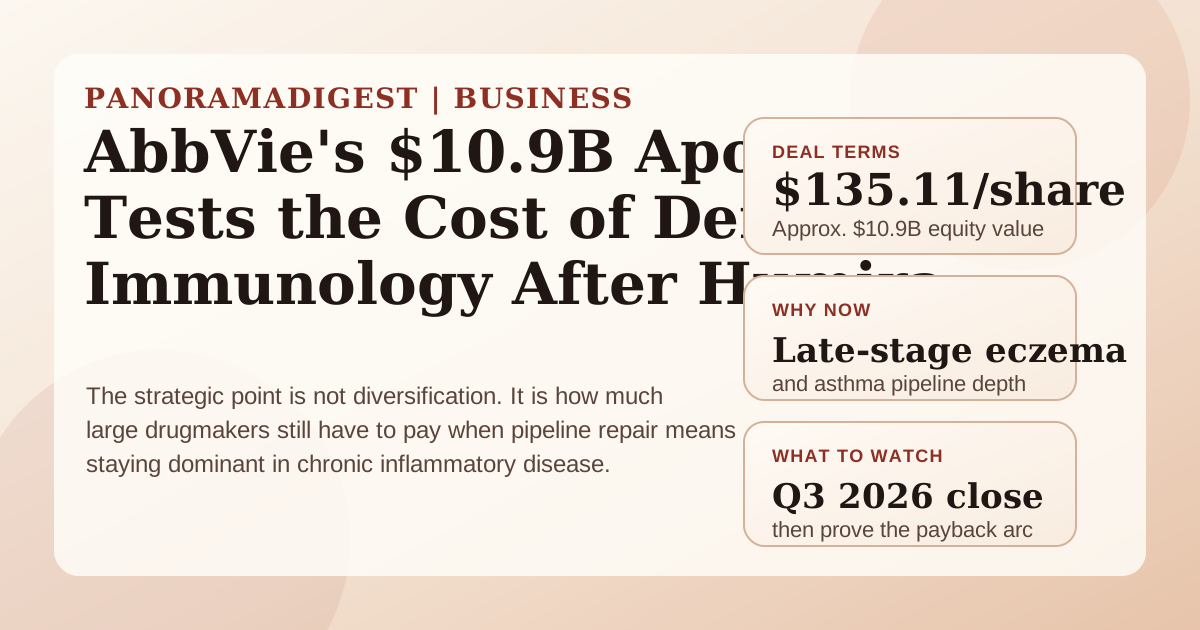
AbbVie's June 22, 2026 agreement to buy Apogee Therapeutics for $10.9 billion looks like one more biotech takeover. The sharper business read is that big pharma still has to pay dearly when a patent-cliff repair job depends on keeping its grip on immunology.
Business
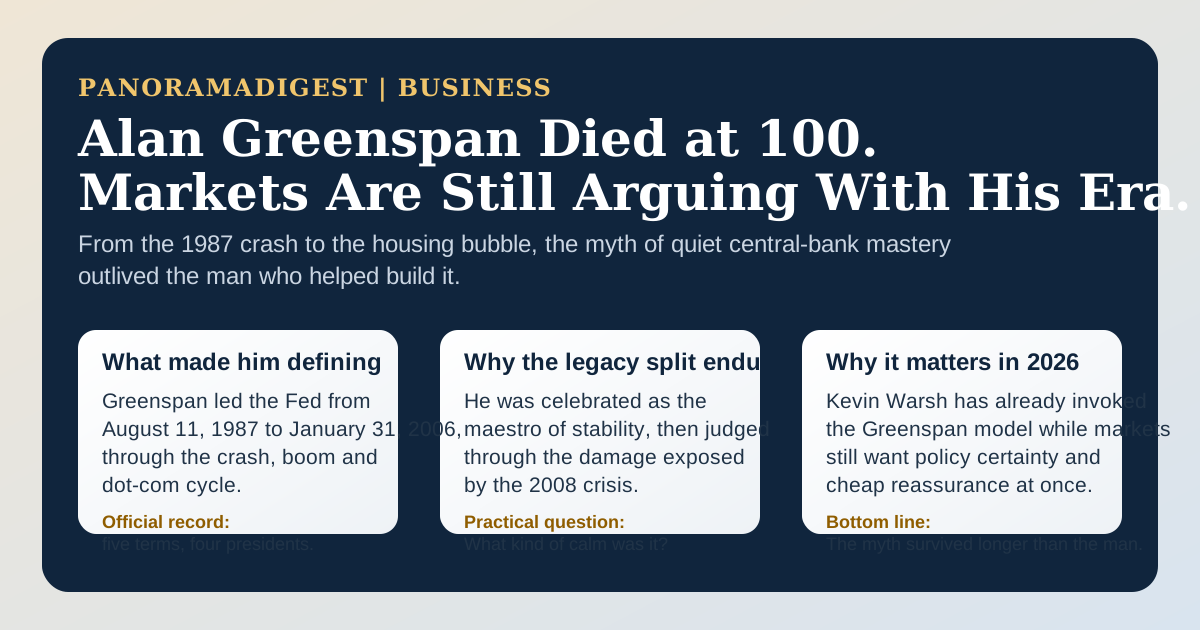
Alan Greenspan's death on June 22, 2026 closes a long central-banking chapter. The more useful business question now is not whether he was once the maestro, but why markets still keep chasing a version of stability his era never really delivered for free.
Business
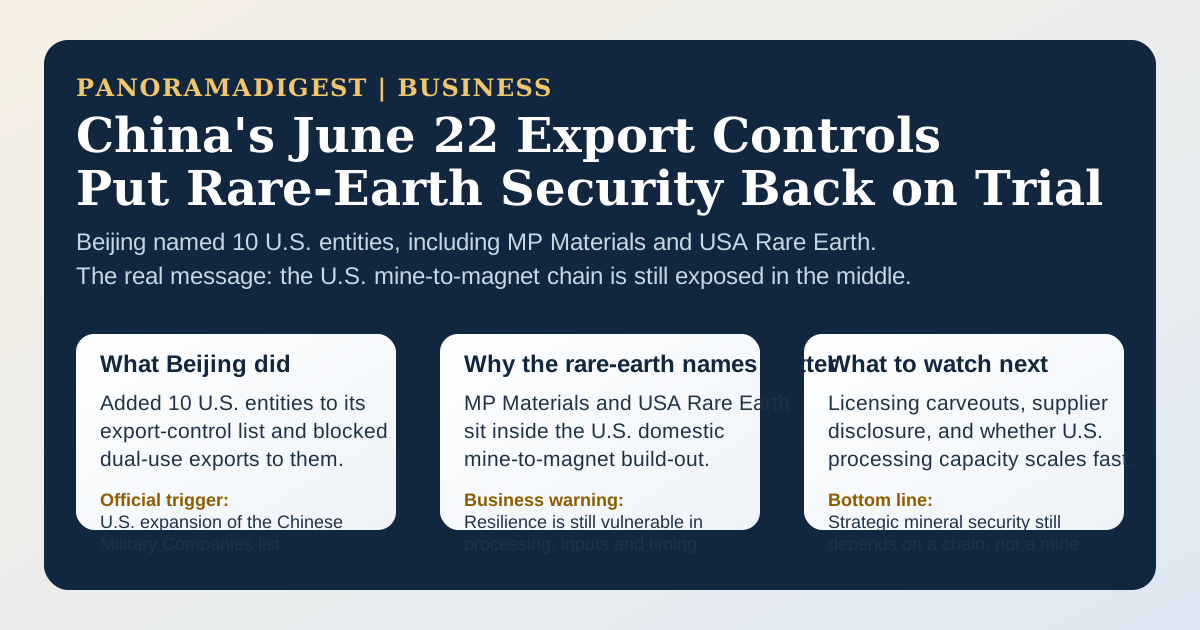
China's June 22, 2026 decision to block dual-use exports to 10 U.S. military-linked entities matters less as headline retaliation than as a reminder that rare-earth security is still a supply-chain problem, not a slogan.
Business
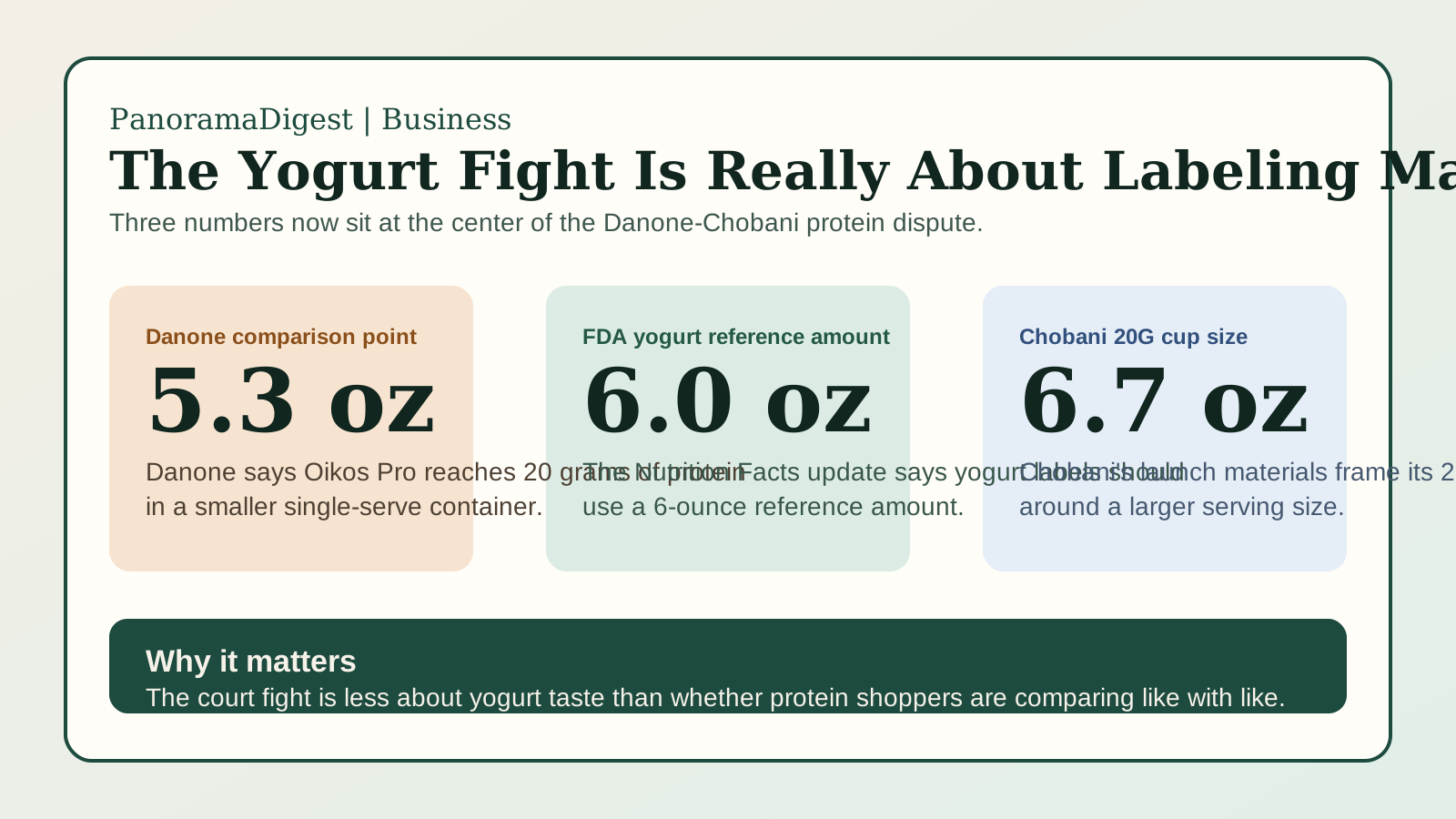
Danone's lawsuit against Chobani over 20-gram protein claims is nominally about yogurt tubs. The sharper business story is that the American protein boom has become so competitive that serving-size math now functions like shelf-space strategy.
Business
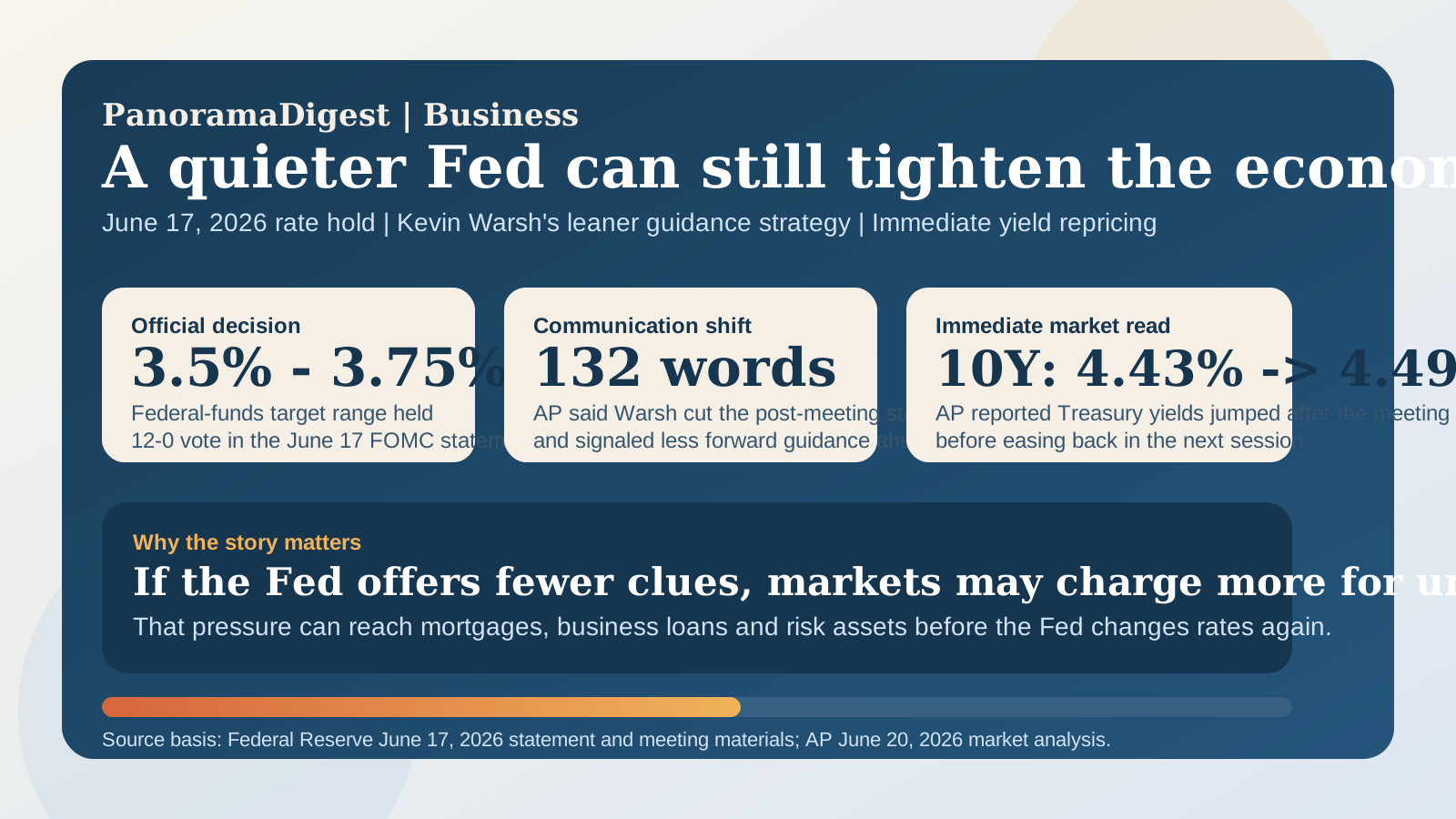
The Federal Reserve did not change rates on June 17, 2026. What changed was the cost of reading the Fed. Kevin Warsh's push for less forward guidance risks making markets, mortgages and corporate borrowing more jumpy before inflation is any lower.
Business
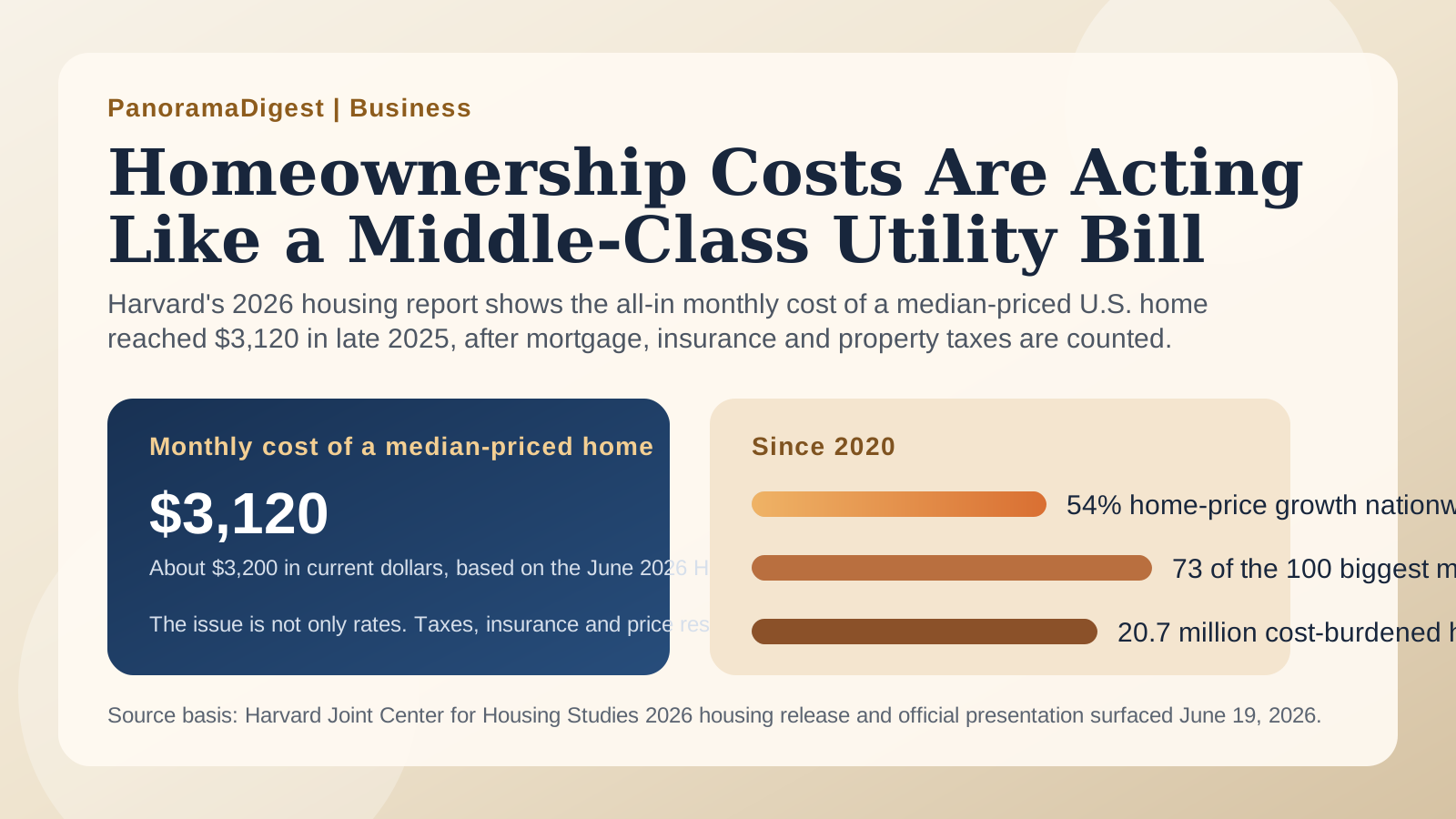
Harvard's latest national housing report says the monthly cost of a median-priced U.S. home reached $3,120 in late 2025, or roughly $3,200 in today's dollars. The sharper business takeaway is that this is no longer just a mortgage-rate story. Ownership itself is becoming harder for middle-income households to model, absorb and trust.
Business
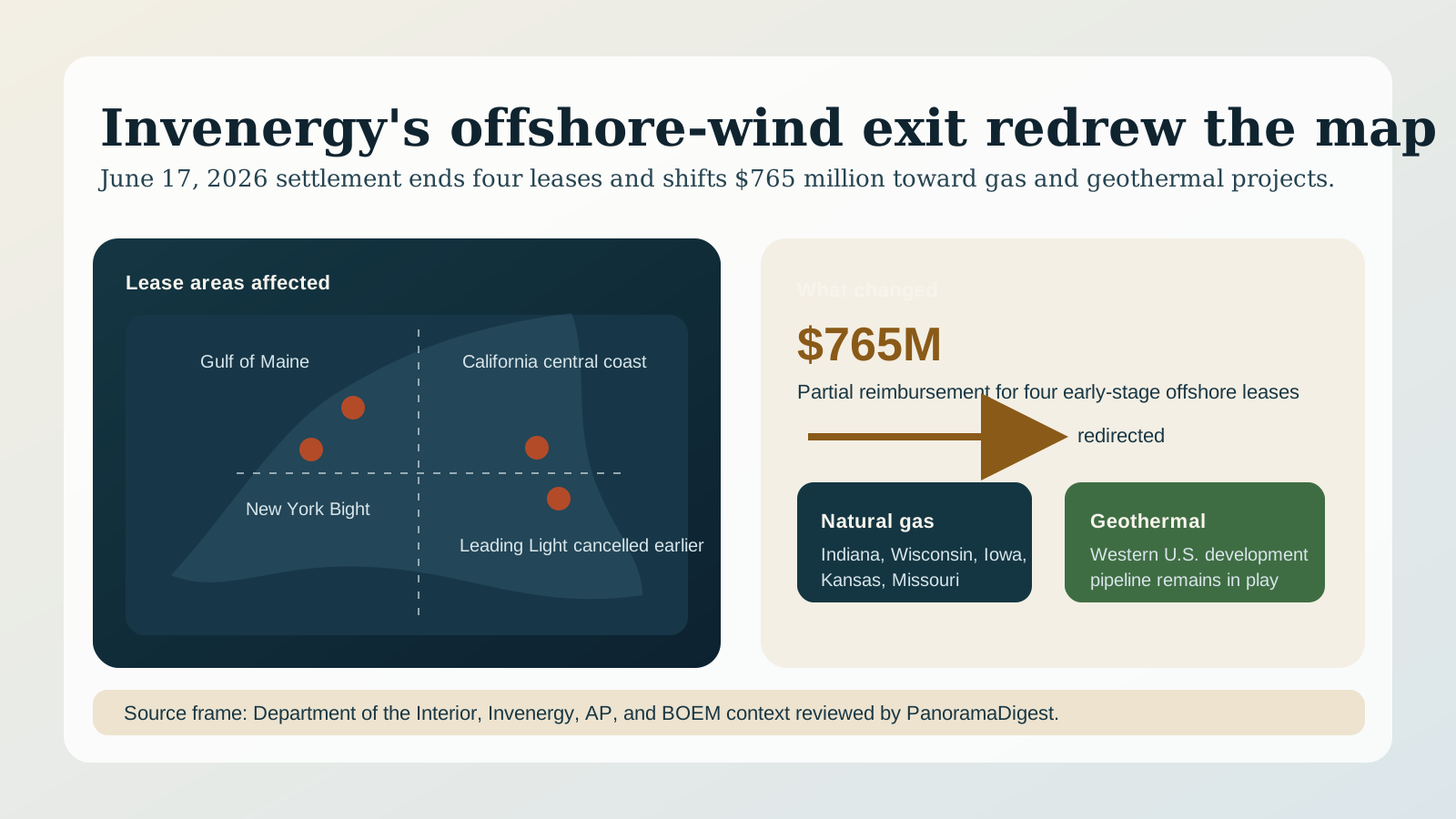
On June 17, 2026, the Trump administration and Invenergy agreed to terminate four offshore wind leases in the New York Bight, Gulf of Maine and off California's central coast. The $765 million reimbursement is not just another energy headline. It is a vivid sign that federal policy is moving capital away from coastal clean-power plans and toward gas and geothermal projects that can be built on a faster commercial clock.
Business
The Federal Reserve left its benchmark range at 3.5% to 3.75% on June 17, 2026, but officials quietly moved their median rate path higher through 2028. For borrowers and investors, the bigger message was not patience. It was that relief still looks farther away than it did in March.
Business
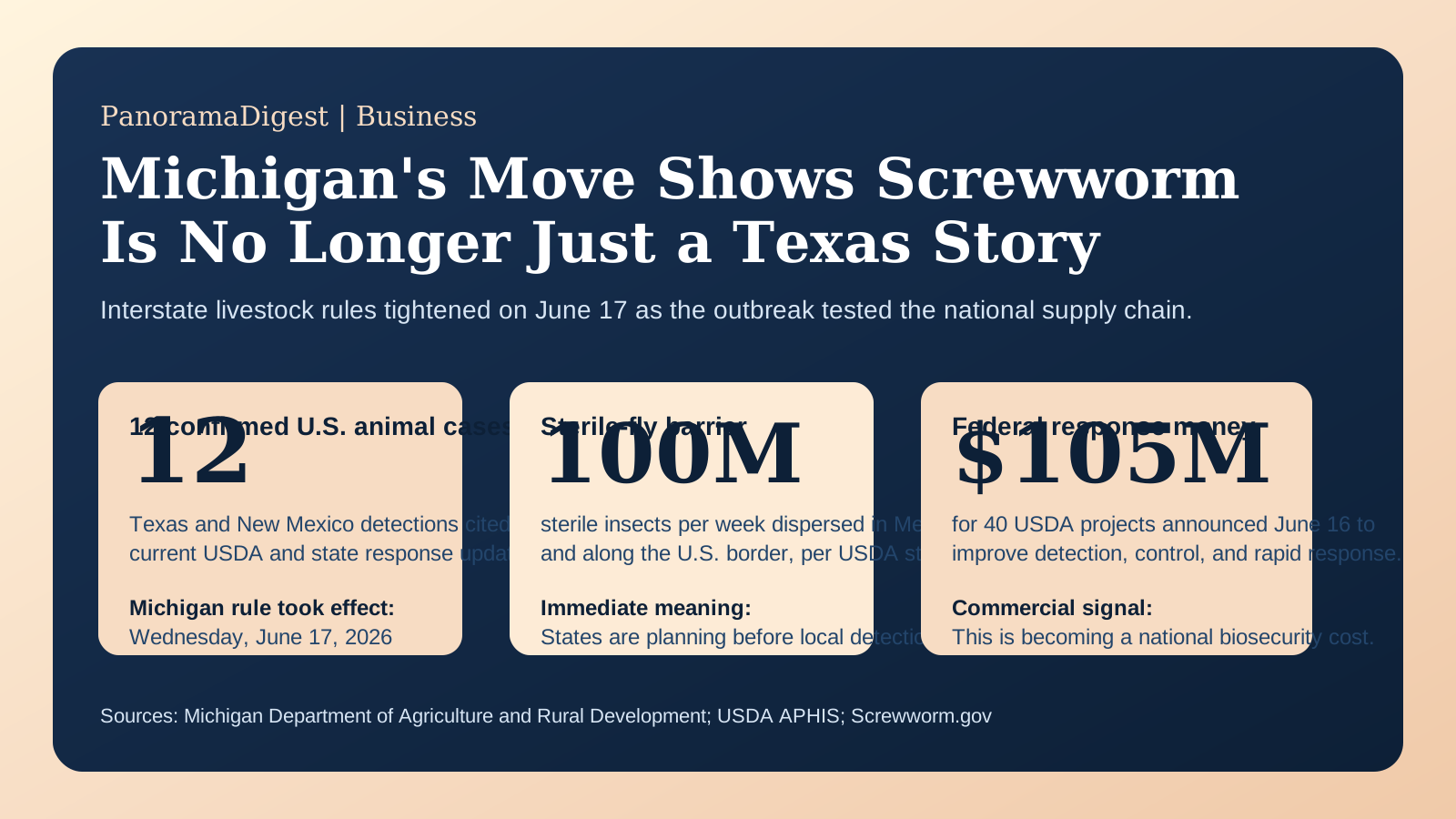
Michigan's new animal-entry rules took effect on June 17 with no local cases on the ground. That is the clearest sign yet that the screwworm problem has become a supply-chain and biosecurity story, not a regional oddity.

Health
The G7's June 16 Ebola statement was less about sympathy than timing. With Bundibugyo cases climbing in Congo and Uganda, rich-country coordination now matters only if it accelerates tracing, border readiness and trust before the outbreak hardens into something even bigger.
Business
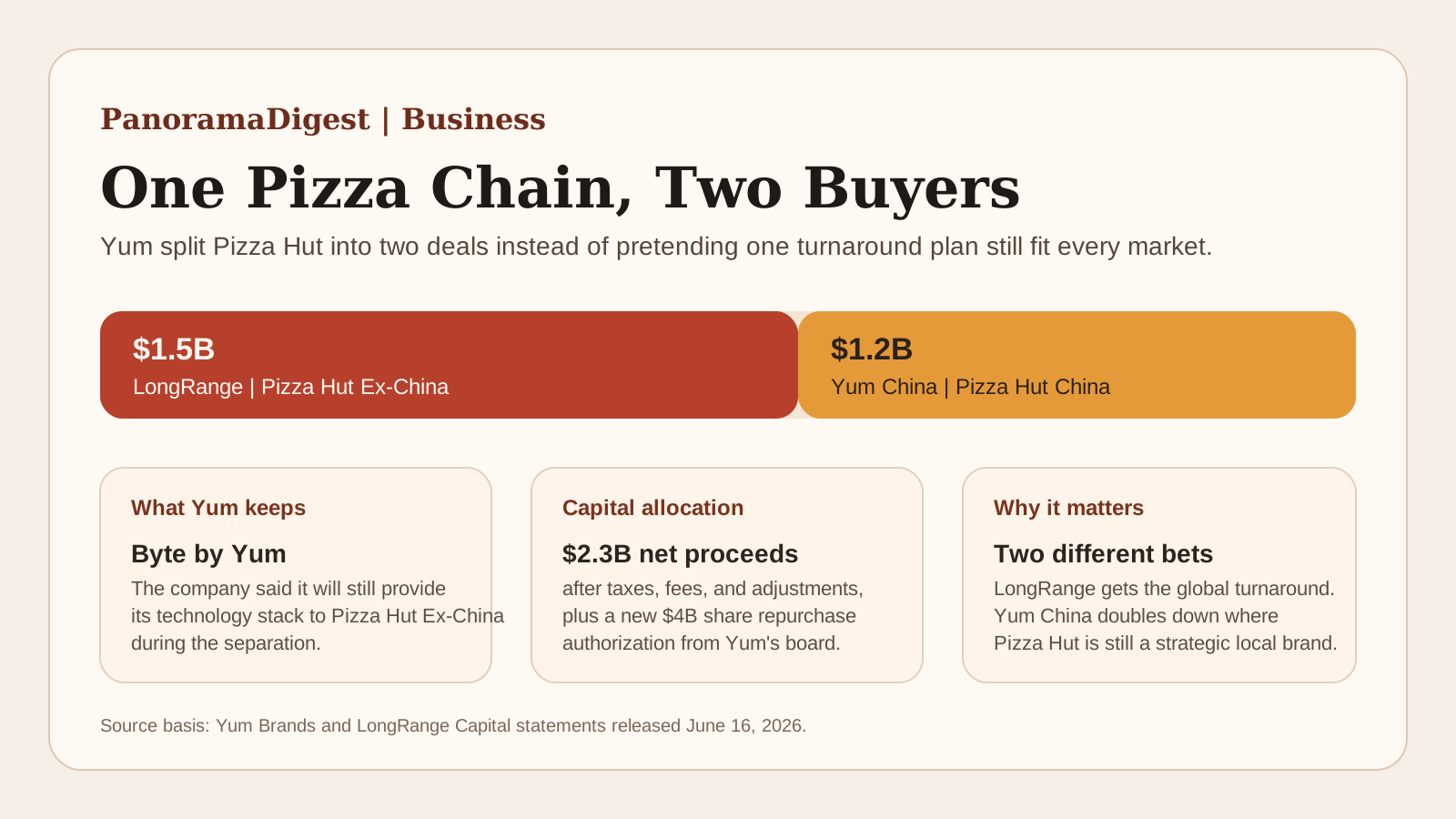
Yum did not just unload Pizza Hut for $2.7 billion. It admitted the chain now needs two different owners, two different playbooks, and a cleaner line between the business that still scales in China and the one that has to be remade almost everywhere else.
Business
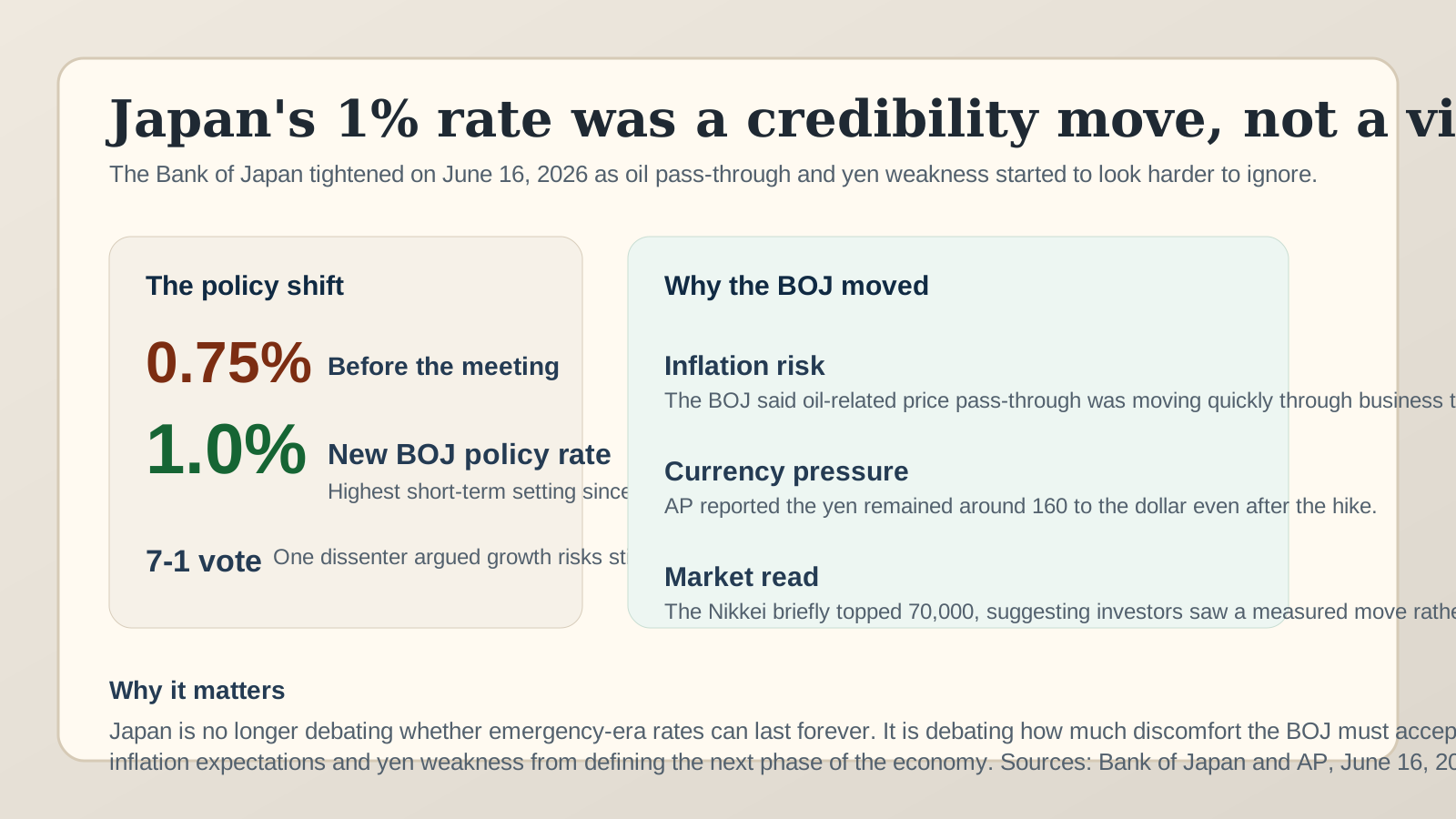
The Bank of Japan's June 16 move to 1% was a milestone, but not a victory lap. It was a credibility decision meant to show Tokyo can respond to oil-driven inflation and yen weakness before both become harder to control.
Business
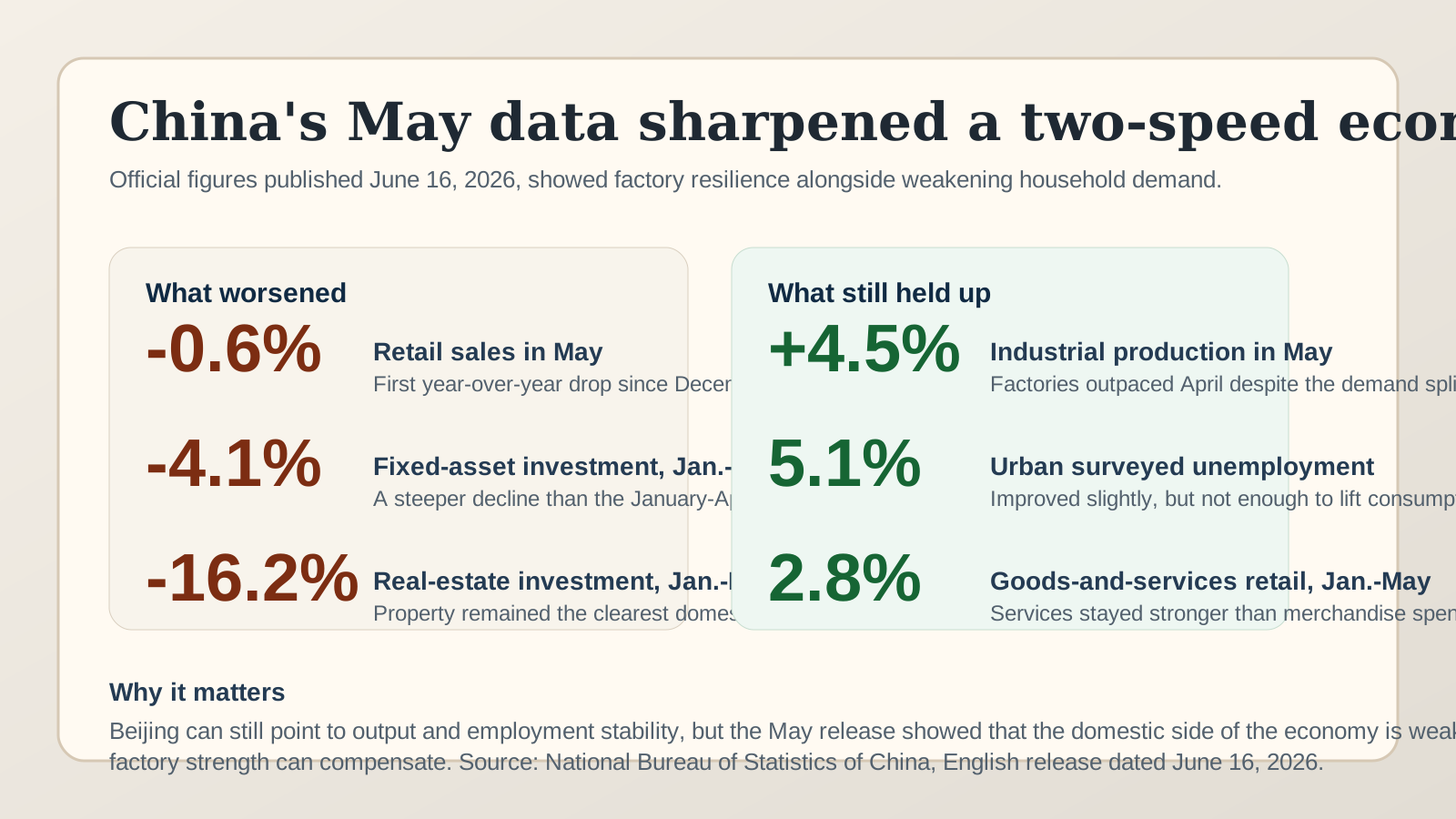
China's May numbers did not show a collapse. They showed something trickier for Beijing: factories still moving while households and property keep slipping backward.
Business
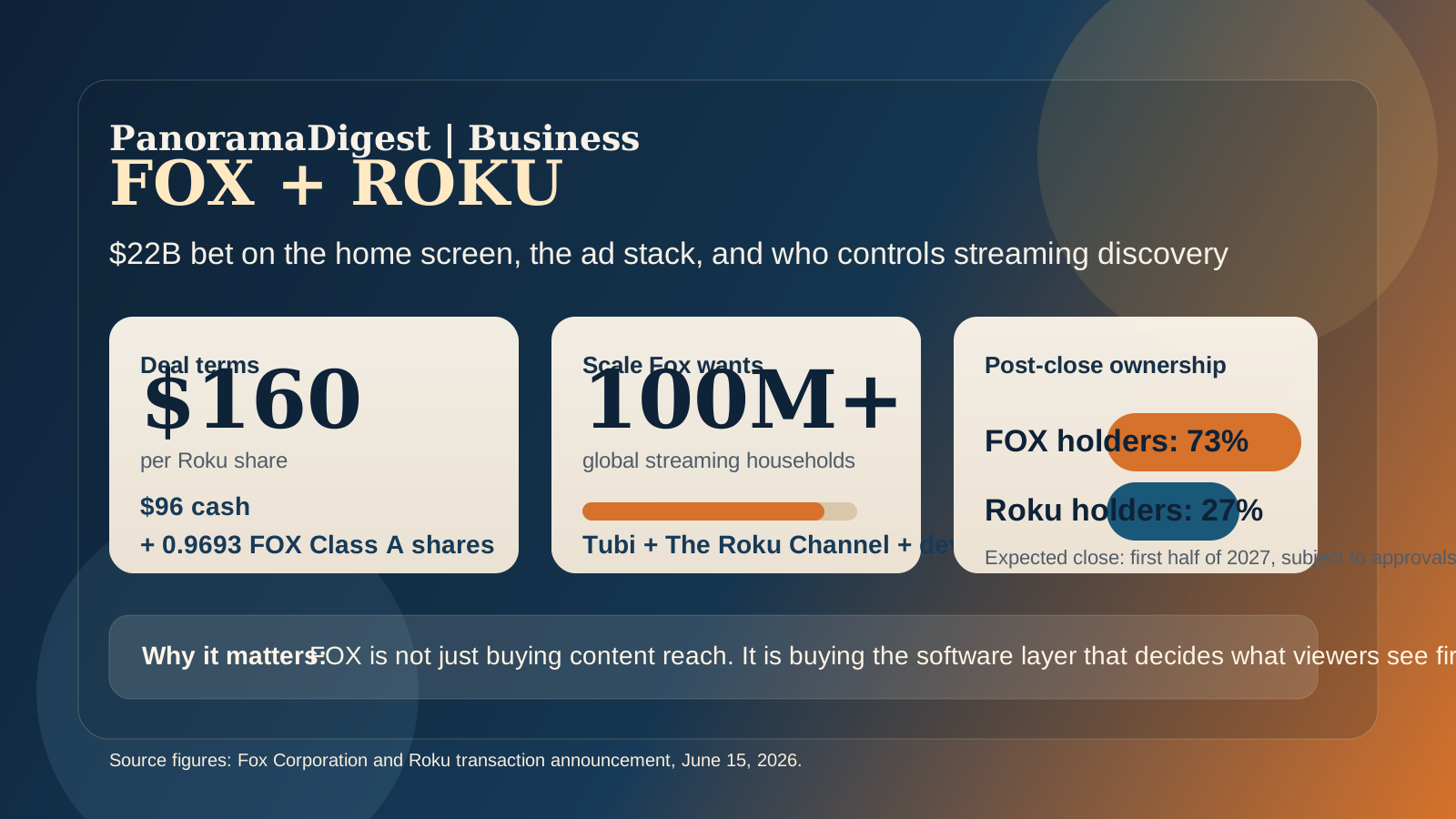
Fox's proposed Roku takeover is less about adding another streamer and more about controlling the screen, ad data, and distribution layer that still shapes what television means.
Business
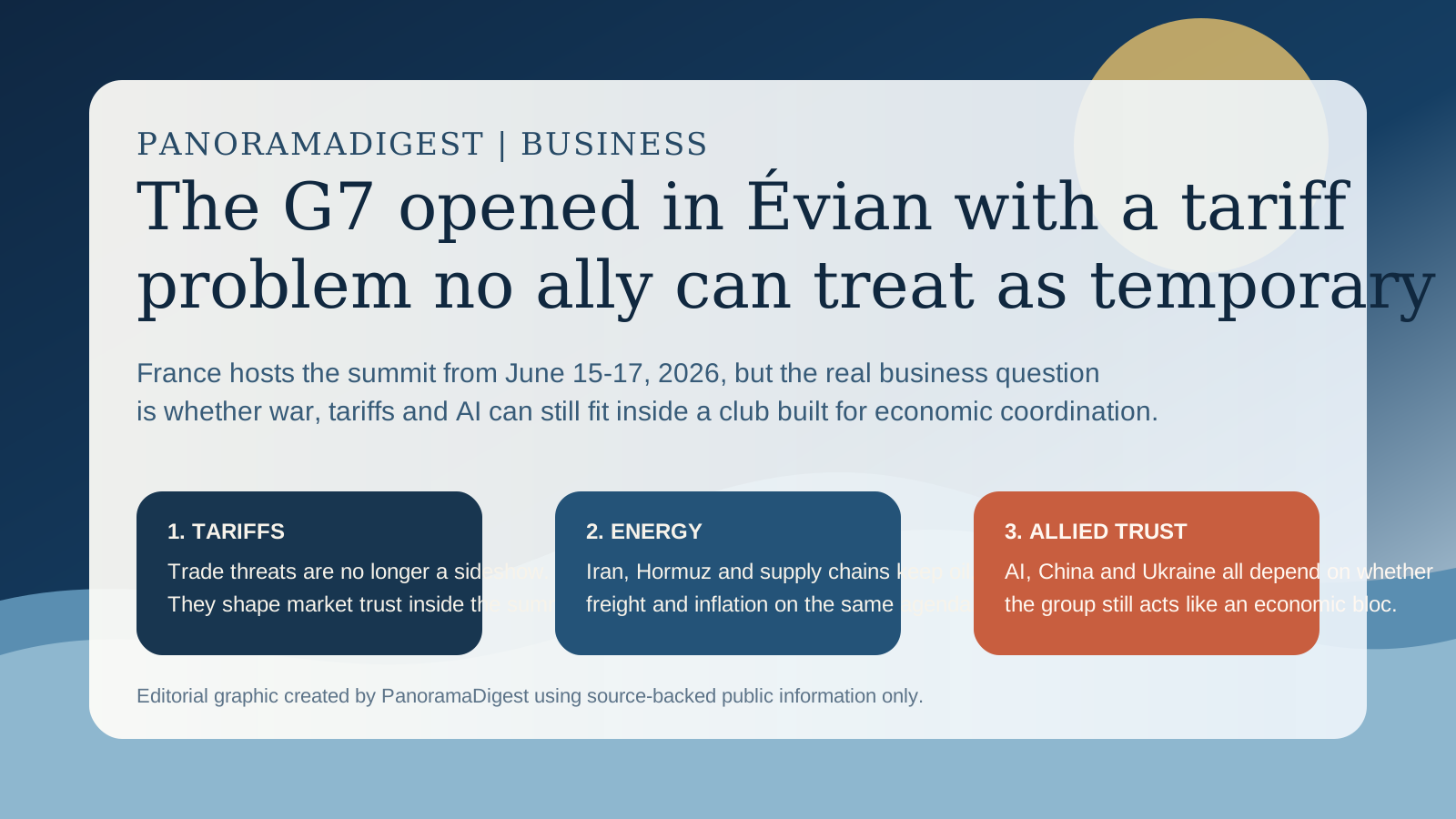
The June 15, 2026 opening of the G7 summit in Evian is nominally about coordination, but the harder business story is whether tariffs, war risk and AI competition have already bent the club away from its original economic purpose.
Business
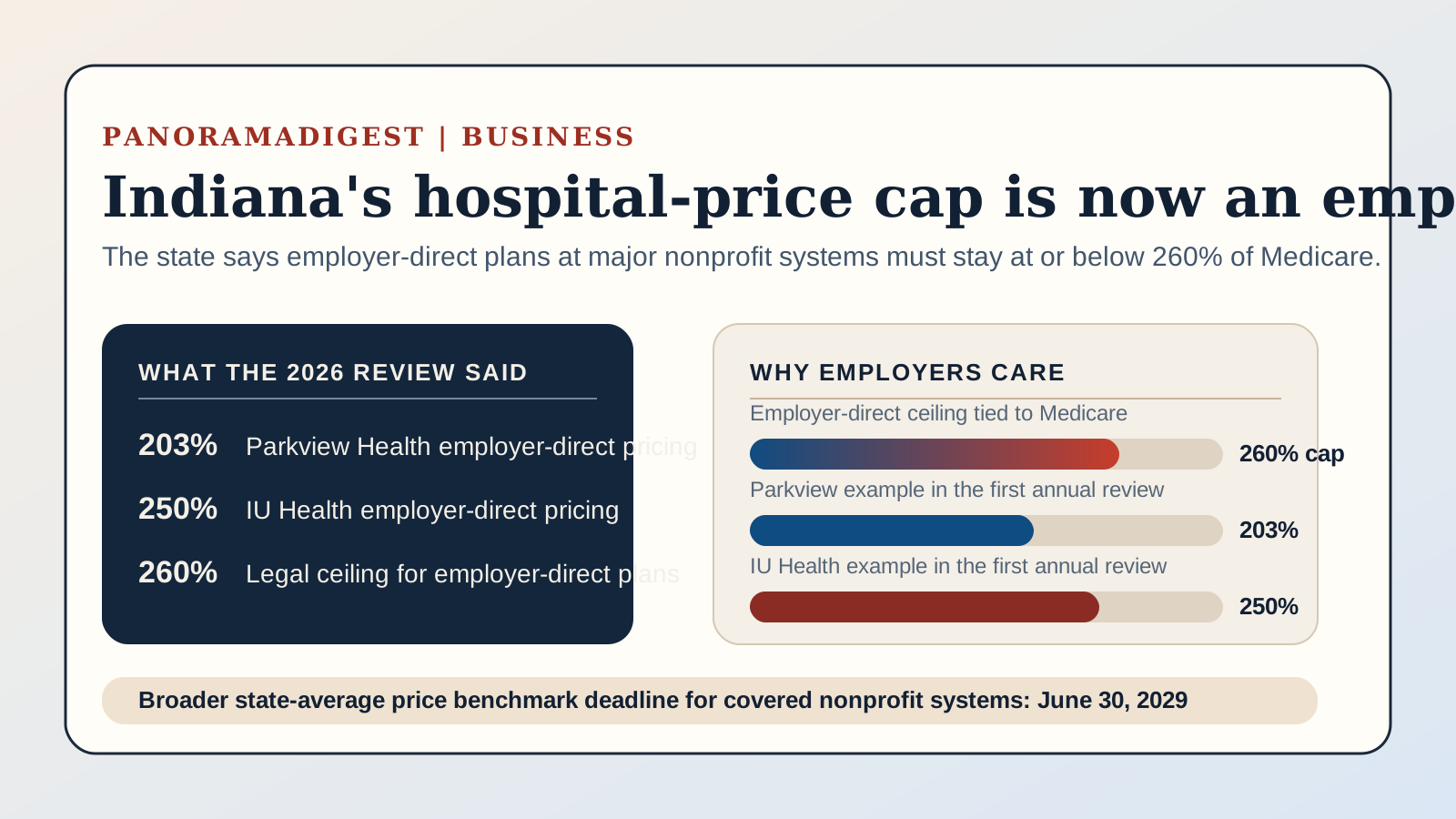
Indiana's first hospital-price-cap review gave employers a concrete benchmark, but the real test is whether a 260% of Medicare ceiling changes bargaining power before the broader 2029 deadline arrives.
Business
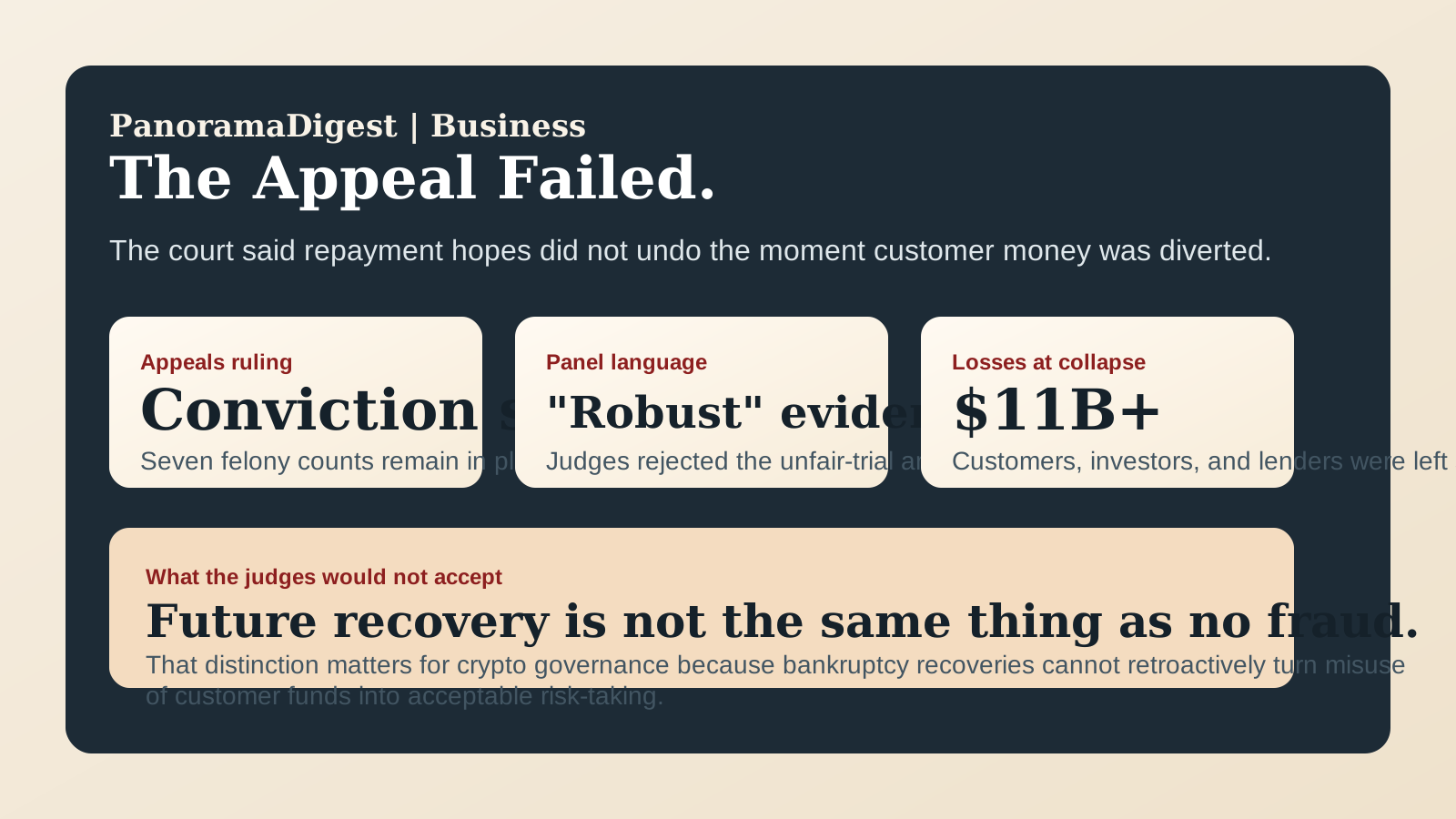
The appeals ruling against Sam Bankman-Fried did more than keep a 25-year sentence in place. It cut into one of crypto's favorite fallback arguments: that eventual recovery can erase the original abuse of customer money.
Business
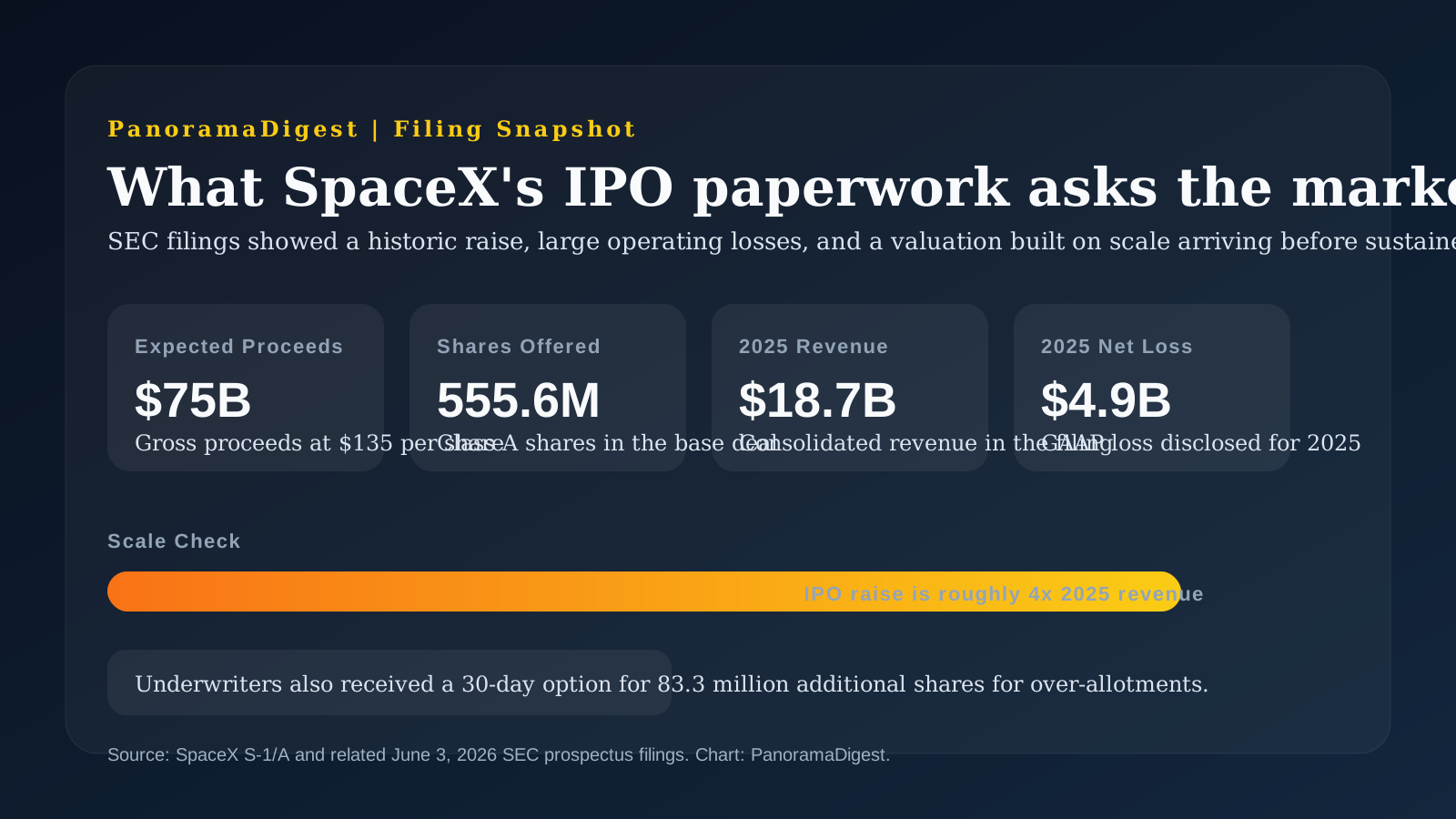
SpaceX's Nasdaq debut turned a giant IPO into a referendum on how much investors will pay for scale, scarcity, and AI ambition before a company proves it can hold onto consistent profits in public view.

Business
The delay around the Gordie Howe International Bridge matters less as a one-day political embarrassment than as a test of whether North America's busiest trade corridor can stop treating border infrastructure as ceremonial theater.
Business
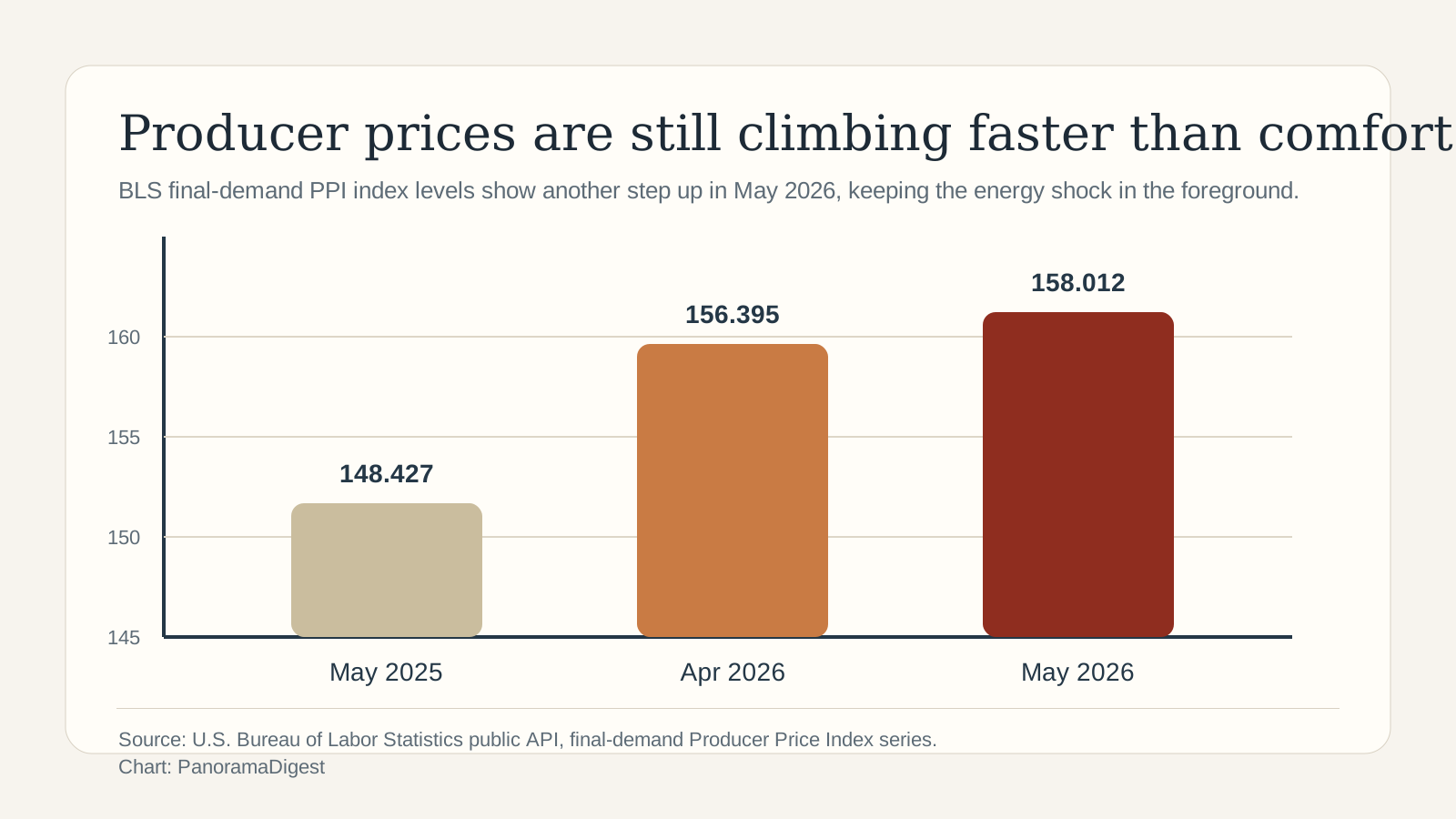
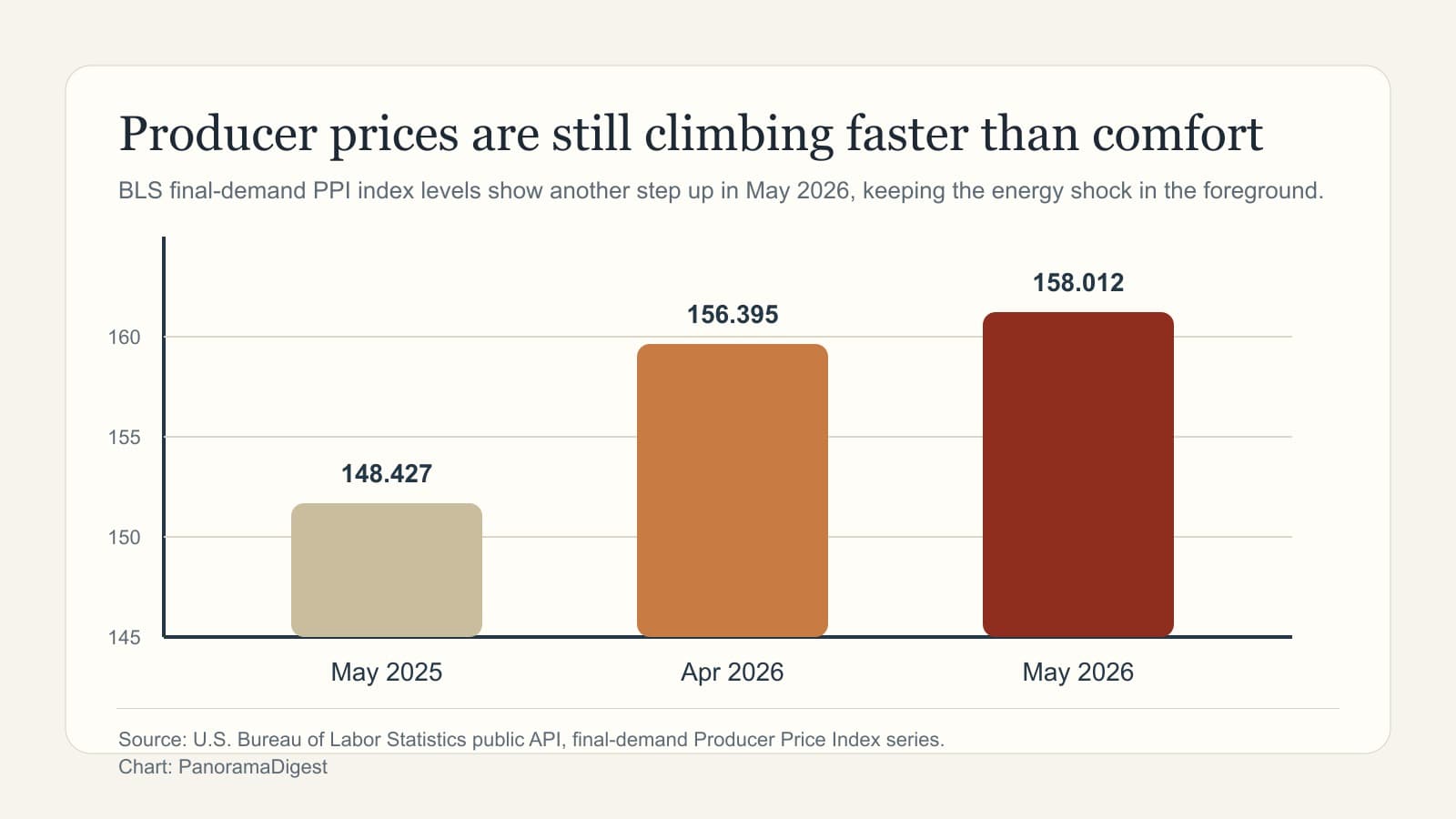
May's producer-price report was not just another inflation print. It showed an energy shock that is still climbing through the business pipeline even as investors try to convince themselves consumer demand will absorb the hit.
Business
Oracle's June 10 earnings release delivered strong cloud growth and a massive backlog. The harder message for investors was how much cash, financing, and execution risk the next AI build-out phase will demand.

Business
The Seoul announcements were not just another chip-company victory lap. They showed how the AI race is shifting from model headlines to power, memory, cloud capacity and national control.

Business
Trump, Bernie Sanders and Sam Altman are now circling the same question: if AI creates trillion-dollar companies, should the public own part of the upside?
Business
Target’s voluntary baby-wipes recall is not just a parent checklist. It is a reminder that private-label retail trust depends on clear, fast product-safety execution.

Business
Employers added 172,000 jobs in May and unemployment held at 4.3%, BLS said. The details show a labor market still hiring, but leaning harder on services, government and health care.

Business
The U.S. added 172,000 jobs in May, beating forecasts, but the report is less a simple boom signal than a new complication for interest rates, wages and white-collar hiring.