Producer Prices Jumped Again in May. The Harder Problem Is What Energy Is Starting to Touch.
May's producer-price report was not just another inflation print. It showed an energy shock that is still climbing through the business pipeline even as investors try to convince themselves consumer demand will absorb the hit.
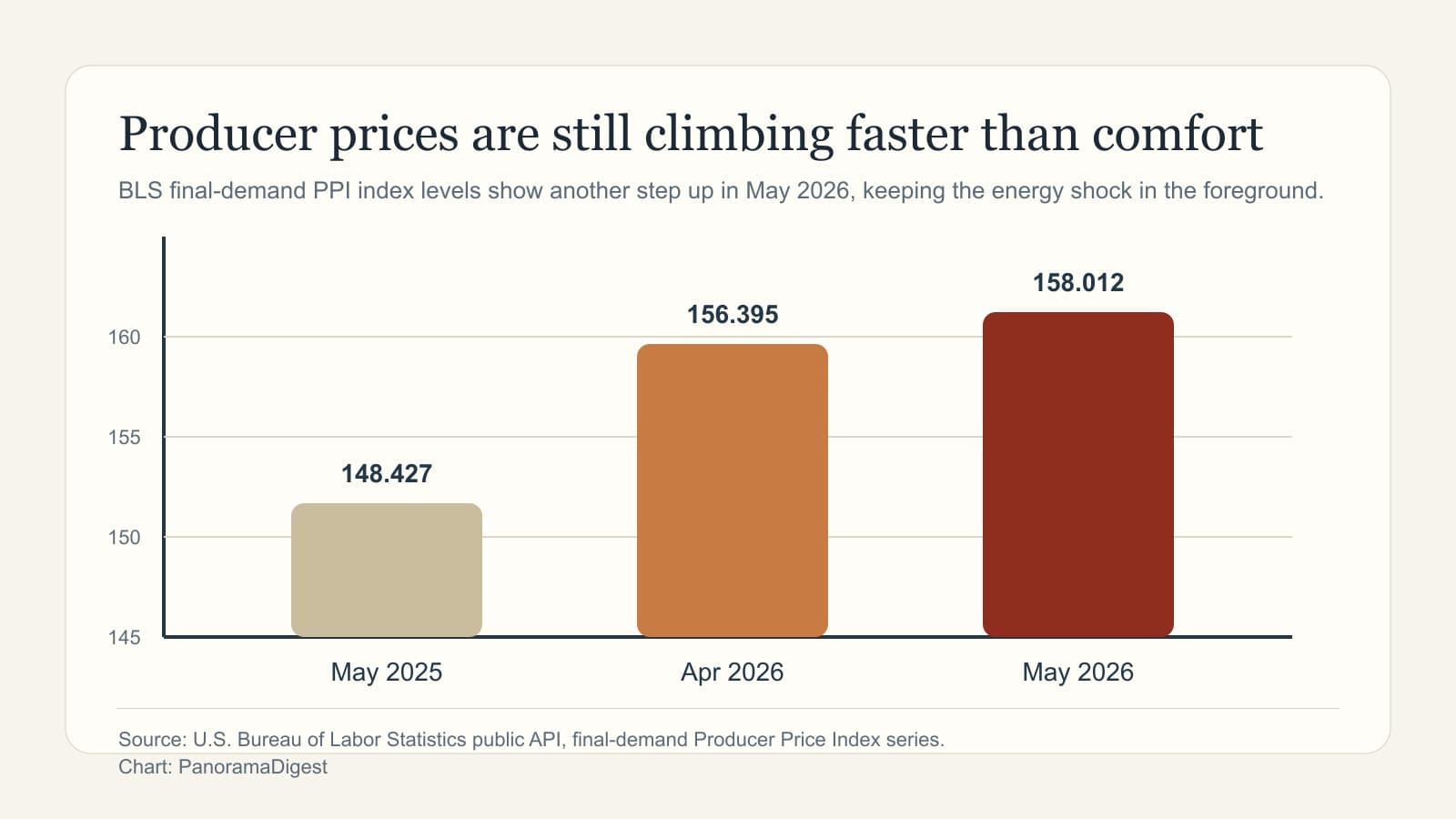
The Bureau of Labor Statistics' producer-price program delivered the kind of report markets were hoping to avoid on Thursday, June 11, 2026: another wholesale inflation surge strong enough to keep the Federal Reserve, retailers, manufacturers and transport-heavy businesses on the same uncomfortable page. AP reported that producer prices rose 1.1% in May and 6.5% from a year earlier, the fastest annual increase since November 2022. MarketWatch's early read captured the second-order concern: businesses have resisted passing every new cost through to customers, but that restraint becomes harder to maintain when energy stops behaving like a brief spike and starts acting like a tax on everything that moves.
This is why the May report matters more than the usual inflation-calendar ritual. Wednesday's consumer-price data already told investors that households were paying more. Thursday's producer-price print said the squeeze farther up the chain is not finished. When producer inflation and consumer inflation both stay hot, the reassuring story that companies can simply eat the damage for a quarter or two begins to look thin.
The report was not broad panic. It was concentrated pain with broad consequences.
The cleanest way to read the release is to separate the trigger from the risk. The trigger was energy. AP said wholesale gasoline prices jumped more than 23% in May and were nearly 70% higher than a year earlier. That is the dramatic part of the report, and it helps explain why the annual number accelerated so quickly. But the risk for investors is not the gasoline line by itself. The risk is what happens when businesses that ship, cool, package, travel or rely on petroleum-linked inputs decide that margin protection matters more than price restraint.
That is why producer inflation remains more than a market footnote. It is the place where cost pressure becomes a management problem before it becomes a consumer headline. Executives can delay price increases, absorb freight shocks, squeeze suppliers or trim marketing budgets for a while. They cannot do that indefinitely if energy, chemicals and transport keep pushing the baseline higher.
| What the May data said | Why businesses care | What markets should watch next |
|---|---|---|
| Producer prices rose 1.1% in May and 6.5% from a year earlier. | Wholesale costs are still rising quickly enough to pressure margins even before every increase reaches consumers. | Whether June and July show the same persistence or a genuine cooling in the pipeline. |
| The energy complex, especially gasoline, drove much of the move. | Fuel costs spill into freight, delivery, travel, agriculture and input pricing faster than many service businesses can hedge them away. | How transport, retail and industrial companies talk about pass-through on their next calls. |
| Consumer inflation was already running hot a day earlier. | The overlap between producer and consumer pressure narrows the room for businesses to absorb costs quietly. | Whether the Fed treats the inflation sequence as persistence rather than noise. |
Why the market message is harsher than the headline
One temptation after reports like this is to treat wholesale inflation as yesterday's problem and consumer inflation as the only number that matters. That is too neat. Producer prices are not destiny, but they are an early warning about how hard companies will need to work to keep shelves stocked, airline seats filled and customers from revolting at the register. If the producer side stays this hot, somebody eventually pays: shareholders through thinner margins, customers through higher prices, or workers through slower hiring and tighter spending plans.
The business significance is less about one month's arithmetic than about the direction of leverage. For much of the past year, companies could still argue that cost pressure was episodic and manageable. A second consecutive month of outsized producer inflation makes that position harder to defend. It suggests the energy shock is not just loud; it is sticky enough to reshape decision-making.
What to watch before the next policy meeting
Three questions now matter more than the headline surprise. First, will large consumer-facing companies start talking more openly about selective price increases instead of temporary pressure? Second, do transportation and industrial names signal that contracts written before the spring energy spike now need repricing? Third, does the Fed treat the May producer-price report as confirmation that inflation psychology is broadening again?
The most important answer may come from corporate language rather than economic releases. When executives stop promising that cost pressure is transitory and start calling it embedded, markets tend to re-rate quickly. Thursday's producer-price report did not prove that shift has fully arrived. It did show why investors can no longer assume the energy shock will stay politely contained inside commodities charts. It is already looking for a way into everything else.
For further reporting on this subject, see our Inflation coverage.
Read Next
Related Stories
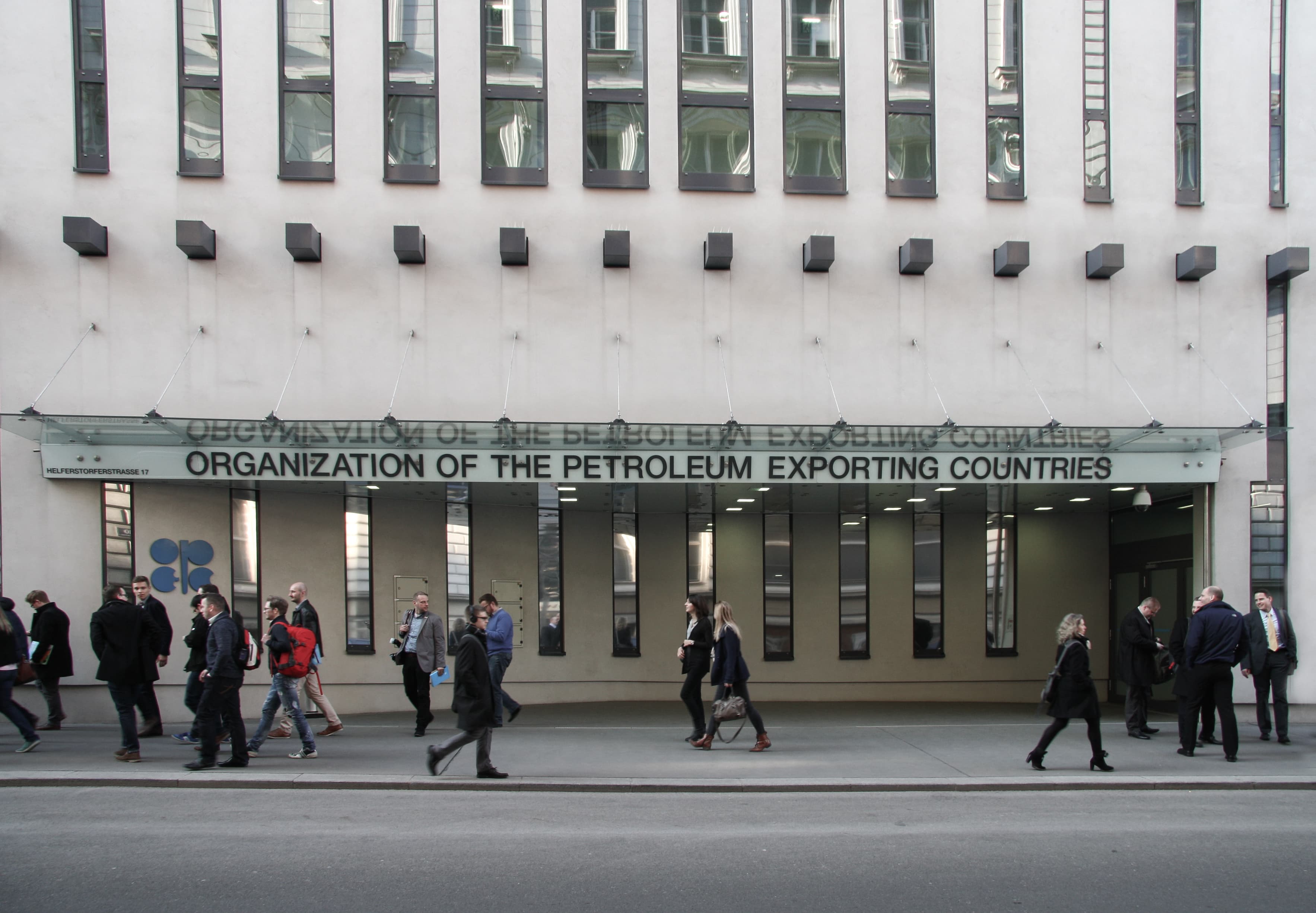
OPEC+ Raises September Oil Production Target by 188,000 Barrels a Day
Seven OPEC+ countries raised their combined September production target by 188,000 barrels a day, bringing the published required total to 31.01 million.

Romania Senate Passes Fuel Bill Cutting Diesel Excise by 300 Lei per 1,000 Liters
Romania's Senate adopted a six-month fuel-market bill that would cut diesel excise by 300 lei per 1,000 liters, apply 19% VAT to gasoline and diesel, cap markups and restrict diesel exports. It is not yet law.

2027 Social Security COLA: The 3.6% Increase in Dollars and Payment Dates
The 2027 Social Security COLA is 3.6%. Our worked examples separate the gross increase from the bank deposit, with the official calculation and payment timing.