The Gordie Howe Bridge Delay Is a Freight-Timing Story Disguised as a Ribbon-Cutting Drama
The delay around the Gordie Howe International Bridge matters less as a one-day political embarrassment than as a test of whether North America's busiest trade corridor can stop treating border infrastructure as ceremonial theater.
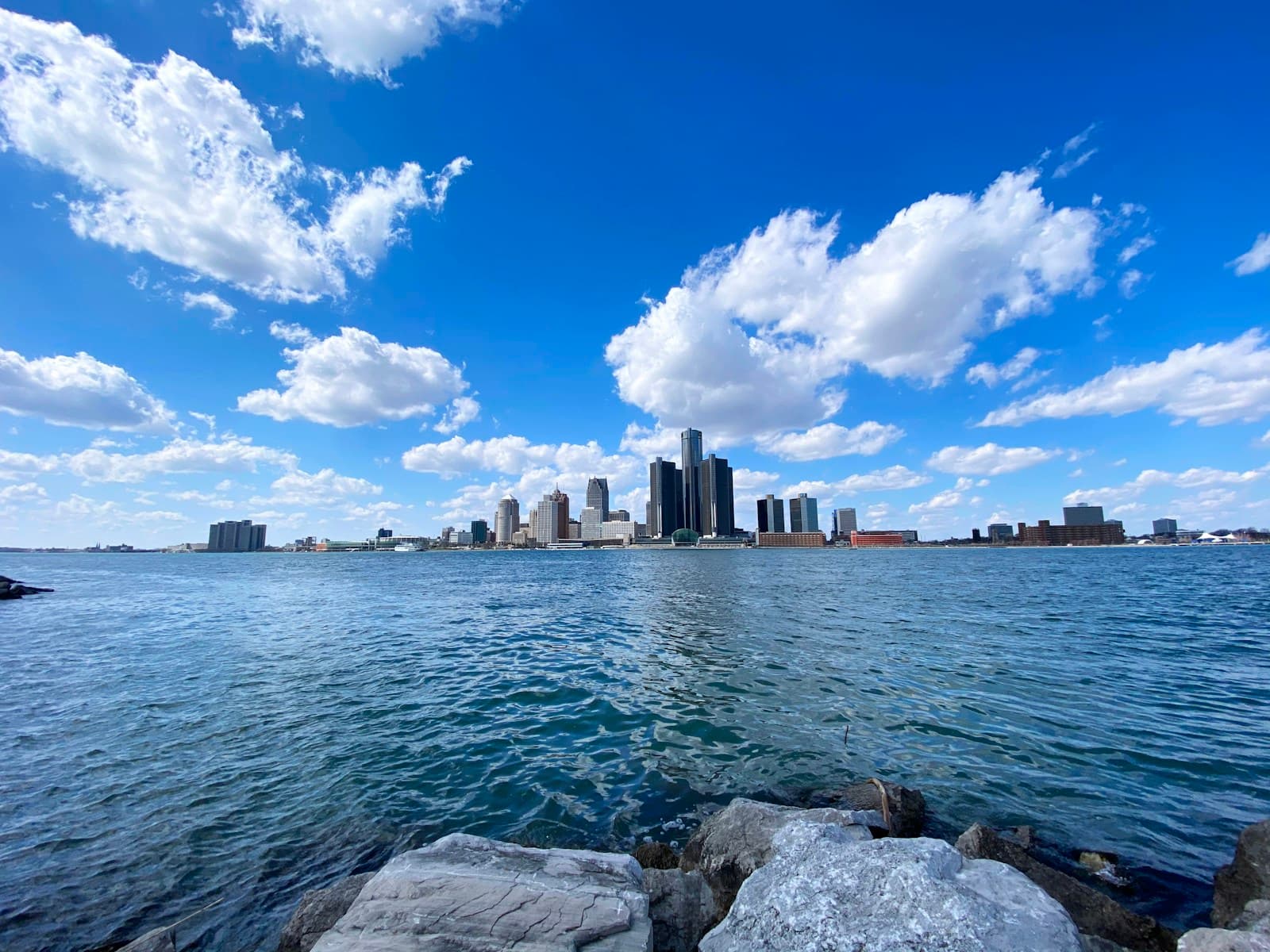
The awkward part of the Gordie Howe International Bridge delay is not that a long-awaited ribbon-cutting suddenly feels less triumphant. It is that one of North America's most symbolically loaded trade projects has reached the stage where the concrete problem is no longer concrete. On Thursday, June 11, 2026, AP reported that the bridge's opening had been delayed over unresolved issues even as officials kept signaling that the crossing was close. A separate AP dispatch from Prime Minister Mark Carney's remarks framed the holdup more softly: not a collapse, but something that may take a little longer.
That distinction is the whole story. Once a bridge is physically built, delay stops being an engineering headline and becomes a systems headline. Readers should think about commissioning, customs readiness, traffic sequencing, political leverage and freight planning, not just the optics of who gets embarrassed at the podium. The Gordie Howe bridge was supposed to represent a smoother Detroit-Windsor future. The late-stage uncertainty is a reminder that cross-border infrastructure can be structurally complete and still not be operationally finished.
For readers who want the visual context without the production mythology, the best official background remains the project's photo gallery and video gallery, which show how far the crossing has already moved from heavy construction into the last operational stretch.
What changed, and what did not
The bridge itself did not suddenly become a failed project. The useful way to read Thursday's reporting is narrower. What changed was the confidence around the opening sequence. AP said unresolved issues had pushed the expected opening beyond the previously signaled late-June window. What did not change is the larger importance of the crossing: Canada still built the bridge, Michigan still co-owns it, and the route is still expected to give trucks and passenger traffic a more direct freeway connection than the older crossings nearby.
That means the stakes are not mainly emotional. They are logistical. Border infrastructure has a habit of looking finished to the public before it is ready for real-world flow. Testing, inspection systems, staffing, traffic routing, border-agency coordination and political sign-off all belong to the opening process even after the structure itself appears ready. The project's own official galleries underscore that the bridge has been moving through a long testing-and-commissioning phase rather than waiting for one final ceremonial switch.
| Question | What the current reporting supports | Why business readers should care |
|---|---|---|
| What is delayed? | The traffic opening timeline, not the existence of the bridge itself. | Freight planners care about the first day trucks can reliably move, not the fact that the bridge already looks complete. |
| What remains unclear? | Officials have not publicly detailed every unresolved issue behind the slip. | That uncertainty keeps carriers, customs-linked operators and nearby businesses from planning with full confidence. |
| Why is the corridor important? | The crossing is meant to improve Detroit-Windsor trade flow and reduce dependence on older routes. | Even a modest delay matters because this is not a symbolic span; it is a throughput asset. |
| What does the political noise do? | It turns an operational sequence into a test of U.S.-Canada coordination and domestic credibility. | Investors and supply-chain operators notice when final-stage execution looks more political than procedural. |
The real risk is not embarrassment. It is hesitation.
Markets and businesses can handle a short delay better than they can handle fuzzy signals. If the opening date slips but officials explain the sequence clearly, the disruption is manageable. If the message remains vague, the bridge starts to symbolize something less flattering: a continent that can finance major infrastructure, complete the headline construction, and still stumble at the moment of operational handoff.
That is why this story belongs in the business file more than the ceremonial one. The Gordie Howe bridge has always been larger than Windsor and Detroit. It sits at the junction of manufacturing supply chains, cross-border politics, customs management and the argument over who gets to control strategic infrastructure. The earlier political pressure around ownership and terms made the bridge a diplomatic object. Thursday's delay turned it back into what it always was underneath: a timing machine for trade.
A short timeline of how the bridge reached this point
- 2018: Construction began on the publicly backed bridge project connecting Windsor, Ontario, and Detroit, Michigan.
- 2024 and 2025: Major structural milestones were completed, with the bridge moving from visible construction to commissioning and opening-phase preparation.
- February 2026: The project was pulled into a political fight after President Donald Trump threatened to block the opening unless Canada agreed to new terms, according to prior reporting cited by AP.
- June 11, 2026: AP reported that unresolved issues had delayed the expected opening even as officials continued to frame the hold-up as manageable and likely temporary.
What to watch next
The next useful signal will not be another patriotic statement about long-term friendship. It will be a concrete operating timeline that explains what exactly is left to finish and who has to sign off. Readers should watch for three things: whether Canadian and Michigan officials provide a more specific opening window, whether customs and traffic-readiness language becomes more precise, and whether the White House keeps treating the bridge as leverage instead of infrastructure.
If those answers arrive quickly, this episode will look like a late-stage administrative drag on a project that is still strategically sound. If they do not, the delay becomes more revealing. It suggests that North America remains better at celebrating corridor infrastructure than at making the final mile of coordination look routine. For a bridge meant to make cross-border commerce feel smoother, that is the one message officials can least afford to send.
Continue reading: Gordie Howe International Bridge Will Open July 27. What Changes for Trade, Trucks and Border Traffic..
Read Next
Related Stories
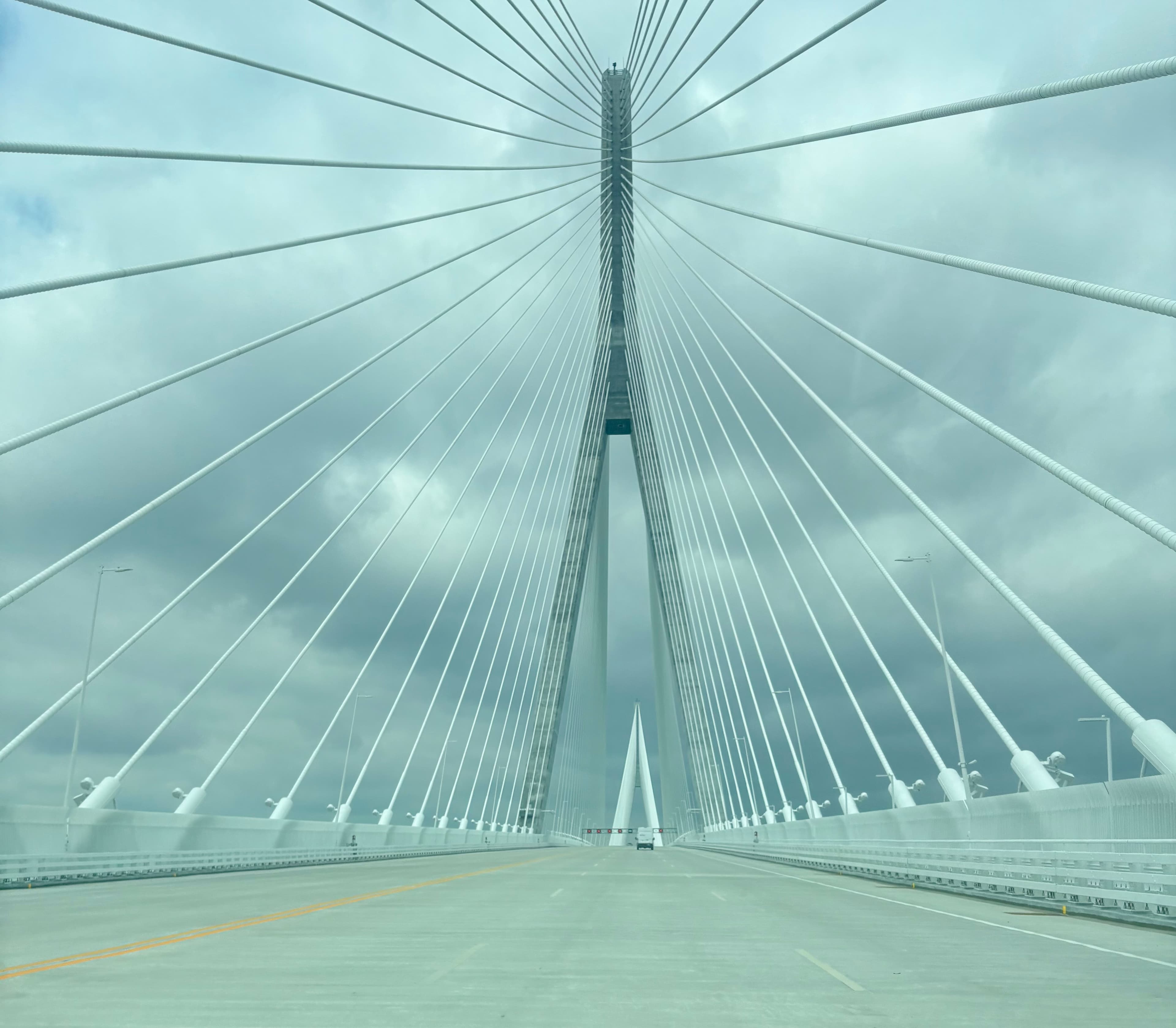
Gordie Howe Bridge Is Open: Tolls, Hours and Breakaway Savings
The Detroit-Windsor crossing opened July 27. Compare current CAD tolls, checked Breakaway savings, payment lanes and the walking path's shorter winter hours.
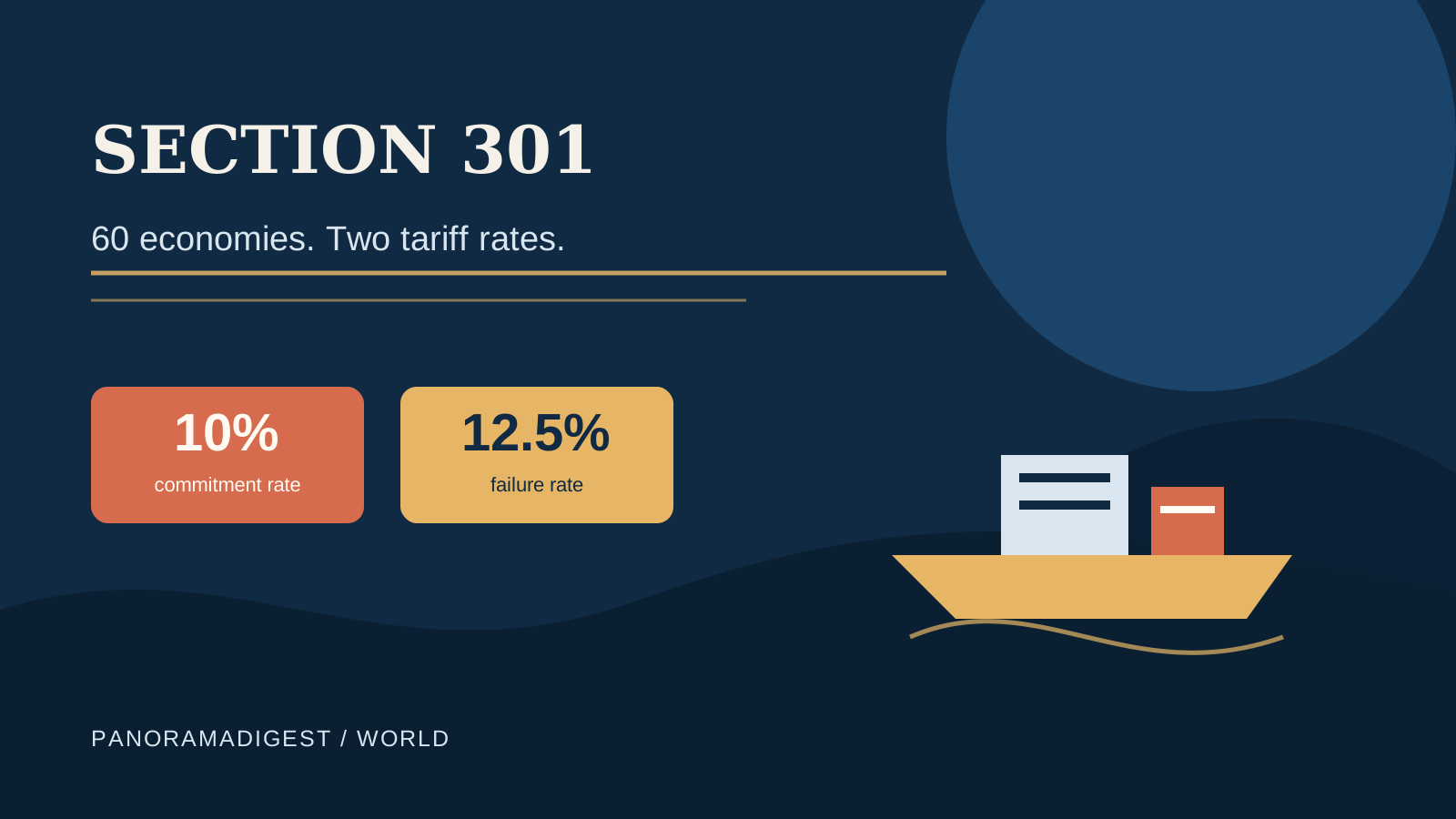
U.S. Section 301 Tariffs Set 10% and 12.5% Rates for 60 Economies
The U.S. has set new Section 301 tariff rates for 60 economies, with a 10% rate for governments making specified forced-labor enforcement commitments and 12.5% for those the administration says failed to do so.
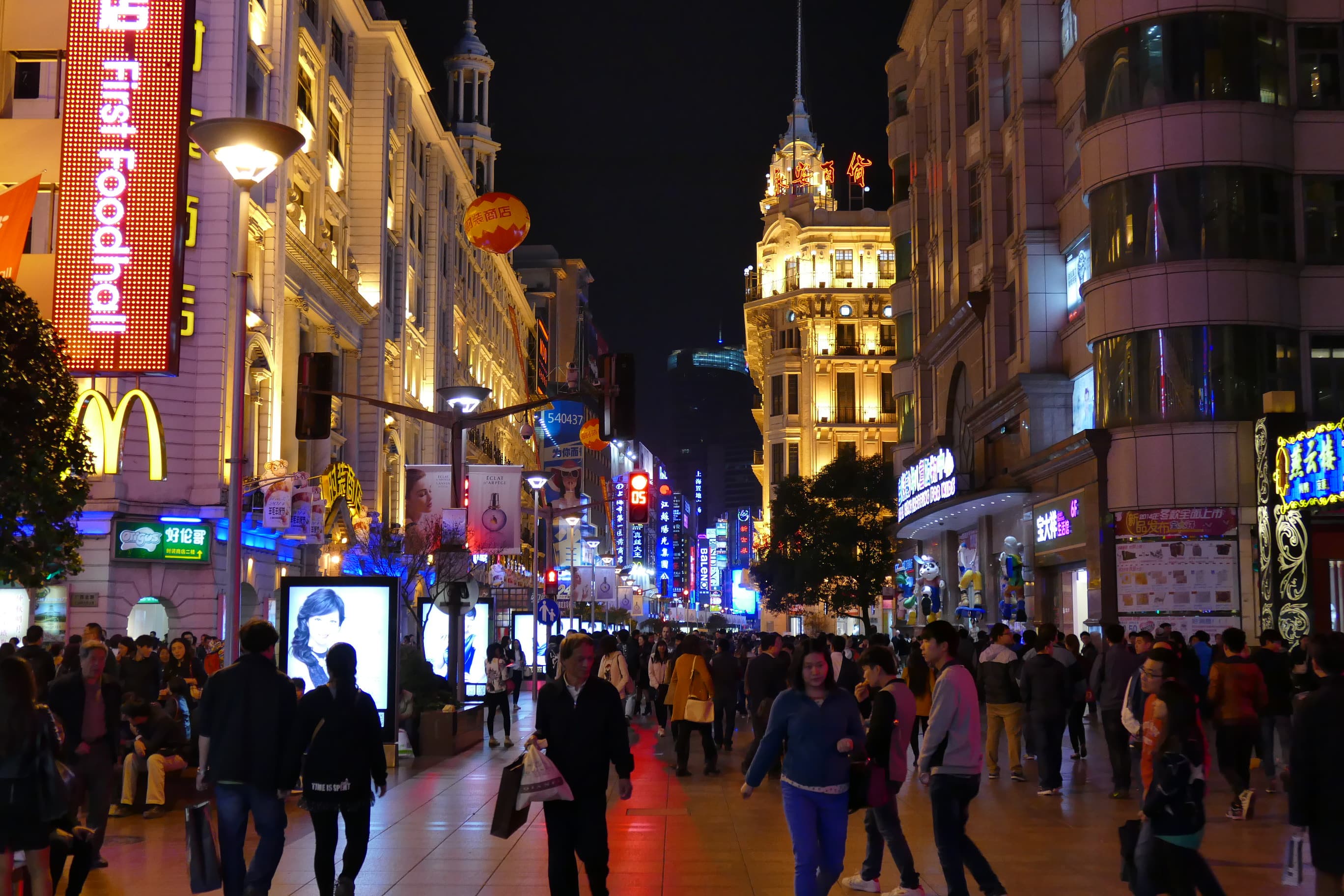
China Q3 GDP Growth Rebounds to 4.5%: Retail and Investment Still Lag
China's Q3 GDP rose 4.5%, but September retail sales and nine-month investment show an uneven recovery. A guide to the figures, periods and price bases.