Yum's Pizza Hut Split Is Really a Bet That One Turnaround Plan Could Never Fit Two Markets
Yum did not just unload Pizza Hut for $2.7 billion. It admitted the chain now needs two different owners, two different playbooks, and a cleaner line between the business that still scales in China and the one that has to be remade almost everywhere else.
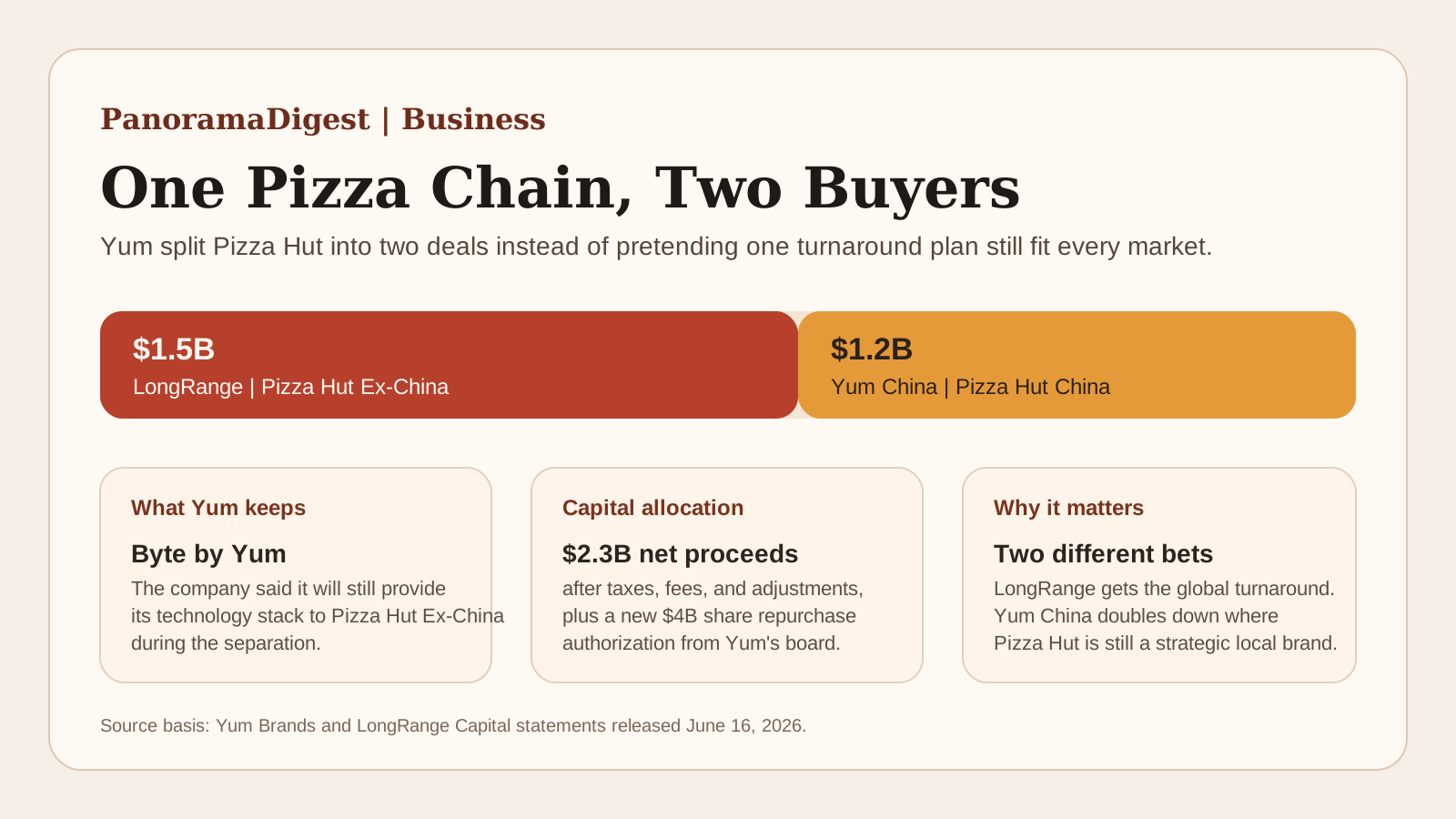
Yum on Tuesday, June 16, did more than announce a $2.7 billion sale of Pizza Hut. It admitted, in effect, that one of the most recognizable restaurant brands in the world had reached a point where a single ownership story no longer made sense. Yum said Pizza Hut outside mainland China will go to LongRange Capital for about $1.5 billion, while Pizza Hut in mainland China will be sold separately to Yum China for roughly $1.2 billion. That is not a tidy divestiture. It is a corporate map of where the brand still behaves like a growth asset and where it now looks more like a turnaround assignment.
YouTube — Yum Brands to sell struggling Pizza Hut chain for $2.7 billion
Reuters summarizes the Pizza Hut sale and buyer split. If the player does not load, use the direct YouTube link.
Yum's own release makes the financial logic plain enough. The company expects about $2.3 billion in net proceeds after taxes, closing adjustments, and transaction-linked fees, excluding a possible earn-out, and its board paired the deal with an additional $4 billion share repurchase authorization. But the strategic logic matters more. A company does not split one chain between two buyers because everything is fine. It does it because the operating realities have diverged too far to keep pretending the same playbook still travels.
One brand, two very different ownership bets
LongRange described Pizza Hut ex-China as a business with more than 15,500 restaurants in 108 countries and around $10 billion in annual system-wide sales. Those are not small numbers. They are the kind of numbers that usually support the idea of scale, network power, and durable consumer memory. Yet LongRange's statement also read like the opening language of a rebuild. Founder Bob Berlin said the firm wants to work with Pizza Hut's team and franchise partners on the brand's next growth phase, which is private-equity language for a chain that still has recognition but needs sharper execution.
The China side is different. Yum decided not to sell Pizza Hut China into the same turnaround bucket. It sent that business to Yum China, the operator already closest to the market. That choice is revealing even before the paperwork closes. It says Yum believes Pizza Hut in China is better understood as a market-specific operating asset than as just another piece of a global brand portfolio.
| Deal component | Buyer | Price | What it signals |
|---|---|---|---|
| Pizza Hut Ex-China | LongRange Capital | About $1.5 billion | The global business outside mainland China now looks like a brand that needs operational repair and a more focused owner. |
| Pizza Hut China | Yum China | About $1.2 billion | China is being treated as a distinct market where local control and local strategy matter more than portfolio neatness. |
| Expected net proceeds to Yum | Yum Brands | About $2.3 billion | Yum gets balance-sheet room and more freedom to concentrate on capital allocation and its remaining portfolio. |
| Board action | Yum Brands | $4 billion repurchase authorization | The company wants investors to read the sale not just as exit, but as a refocusing move with immediate financial consequences. |
This is what portfolio discipline looks like when nostalgia stops helping
Pizza Hut still has enormous name recognition. That is precisely why the split matters. Iconic brands often survive on memory longer than they survive on momentum. Yum's statement said the strategic review began in November 2025, and the conclusion it reached was not that Pizza Hut needed another slogan or another menu flourish. The conclusion was that the chain needed ownership tailored to its distinct markets, competitive strengths, and long-term priorities.
That is a careful corporate sentence, but the underlying message is harsher. If Pizza Hut's geography were moving in one direction, Yum would not have separated it this way. The company is effectively saying that the brand's strongest next step in China is not the same as its strongest next step elsewhere. That is what makes this more than an asset sale. It is an acknowledgment that global restaurant brands can keep their logos while losing the luxury of one-size-fits-all management.
Yum is not walking away from every part of the machine
The deal also shows where Yum still thinks the durable value sits. The company said it will continue to provide Byte by Yum, its proprietary technology platform, to Pizza Hut ex-China, and it will provide certain corporate services during the transition. That matters because it separates the operating shell from the digital and systems layer Yum still believes it can monetize or leverage. In plain English, Yum is selling the chain but keeping part of the infrastructure story.
That is the sort of detail investors notice because it turns a sale into something more disciplined than a retreat. A similar ownership-versus-distribution tension showed up in PanoramaDigest's June 15 analysis of Fox's Roku interface deal: in both cases, the real asset question is less about the consumer brand alone than about who controls the system sitting underneath it. Yum is shrinking its direct exposure to Pizza Hut while preserving a relationship to the tools that help run it. It also said Yum and Yum China will keep working together on incentives tied to KFC China system sales growth and on Taco Bell's long-term China plans. The broader message is that Yum wants to look less like a conglomerate defending every legacy asset and more like a company choosing where scale still works best.
What to watch after the press release fades
The first test is whether LongRange treats Pizza Hut ex-China as a cost story or an operating story. Private equity can mean ruthless trimming, but it can also mean a sharper owner willing to make changes a public parent delayed. The second test is whether Yum China can turn deeper control of Pizza Hut China into something more strategically coherent than a licensing relationship. The third is whether Yum uses the proceeds to strengthen what already works rather than simply rewarding shareholders for leaving a difficult problem behind.
That is why this deal is worth more than a nostalgia headline about a famous pizza brand changing hands. Yum has drawn a line through Pizza Hut's geography and, in doing so, shown investors where it still sees strategic density and where it sees repair work. Readers should take the company at its word on one point: this is about focus. The harder question is whether Pizza Hut's two new futures will prove that focus came late or exactly on time.
Watch the Reuters video summary: if the embedded player below does not load, use the direct YouTube link at youtube.com/watch?v=0TVuG2cFlGc.
Read Next
Related Stories
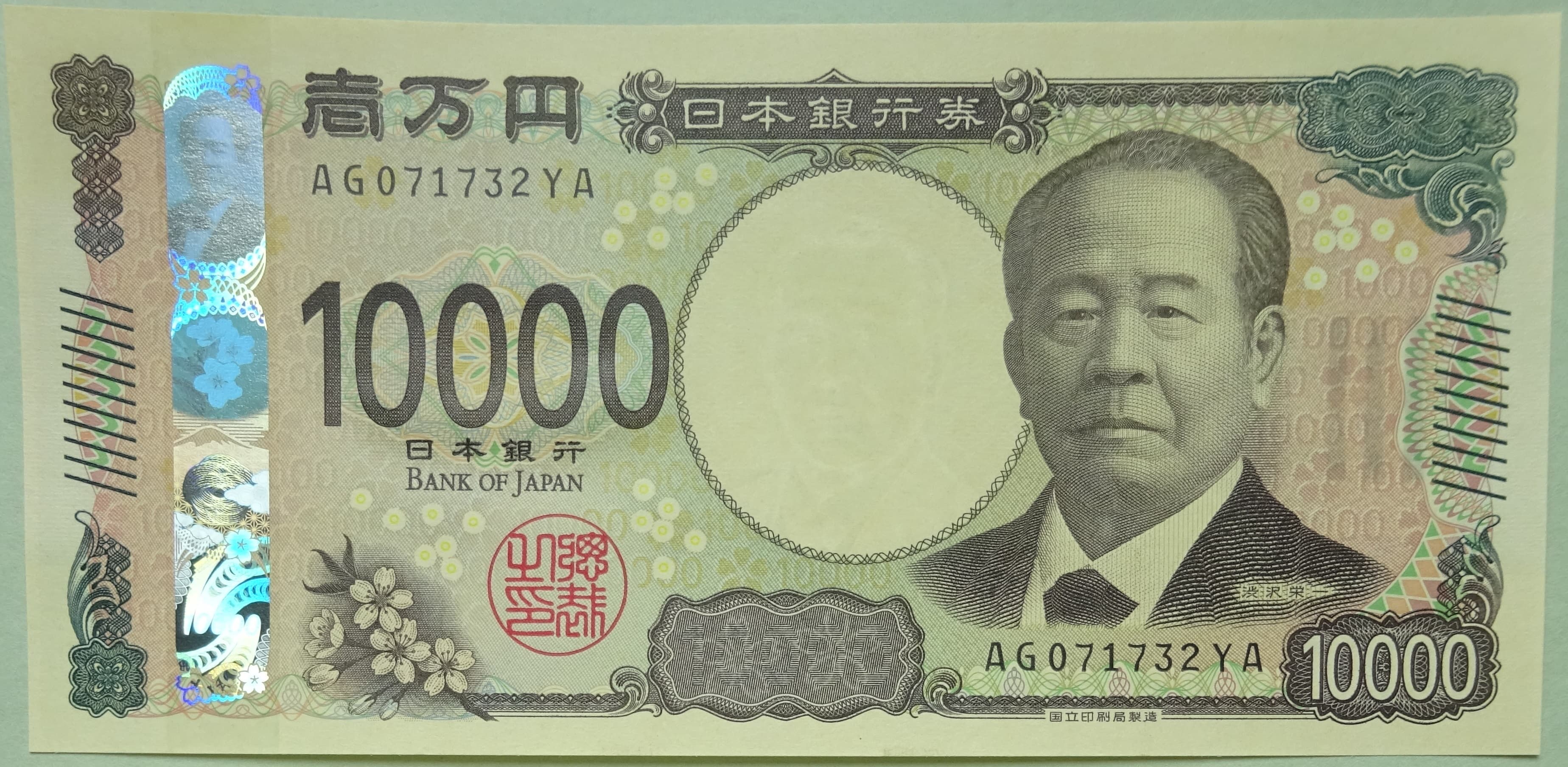
U.S. and Japan Buy Yen Together as Dollar Falls From 163 to 156
Japan confirmed coordinated yen buying with the U.S. after the dollar traded above 163 yen. The intervention amount will be disclosed later.
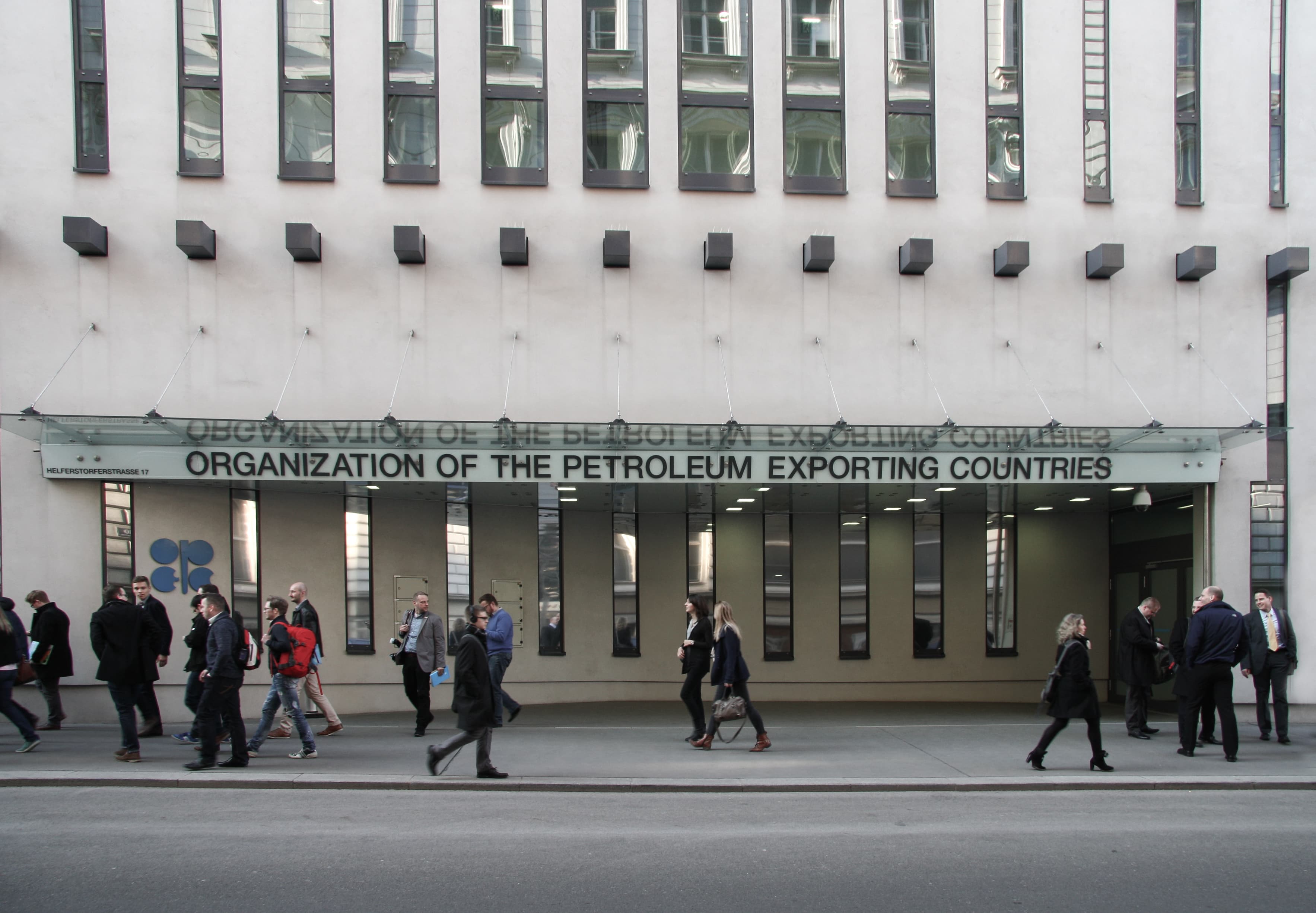
OPEC+ Raises September Oil Production Target by 188,000 Barrels a Day
Seven OPEC+ countries raised their combined September production target by 188,000 barrels a day, bringing the published required total to 31.01 million.

Microsoft Azure Revenue Passes $100 Billion as Cloud Sales Rise 27%
Microsoft said Azure passed $100 billion in annual revenue for the first time, while quarterly Microsoft Cloud sales reached $59.3 billion.