Fed Holds Rates at 3.5%-3.75% as Three Officials Vote for a Hike
The Federal Reserve kept its target range at 3.5%-3.75% on July 29, but a 9-3 vote exposed a larger faction that wanted a quarter-point increase.
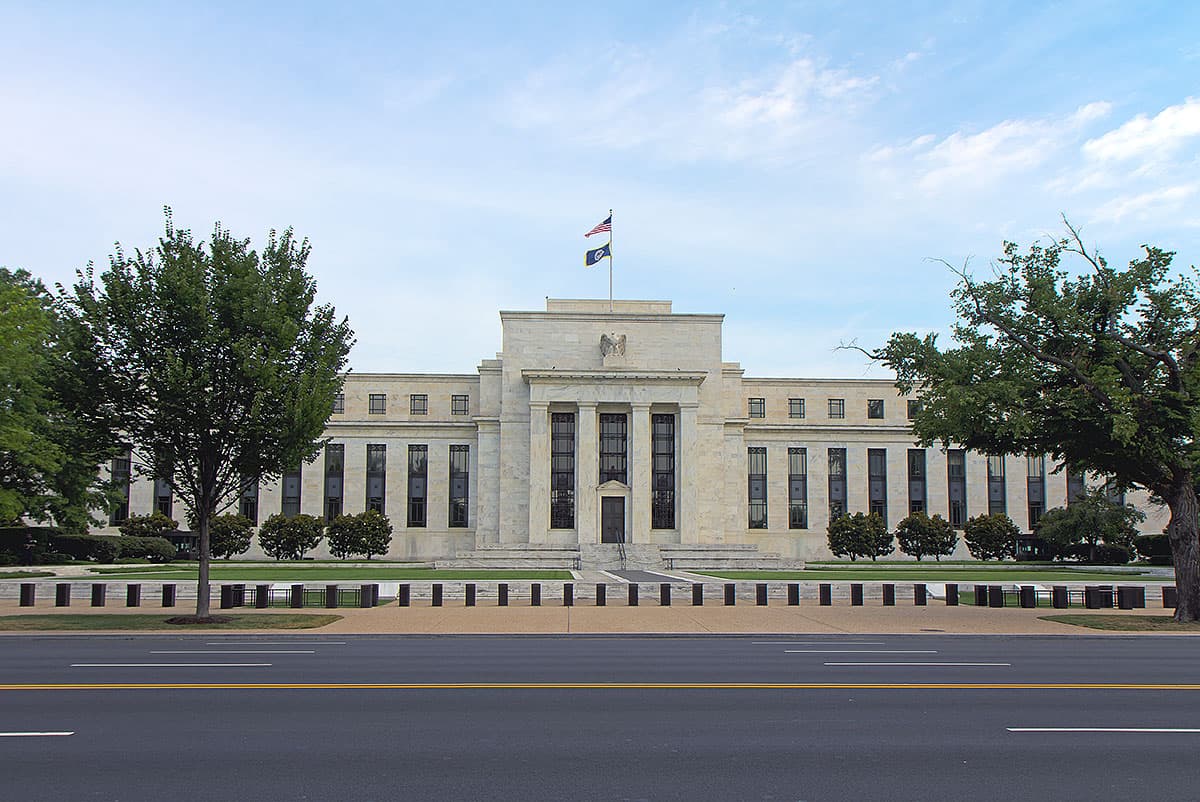
The Federal Reserve held the federal funds target range at 3.5% to 3.75% on July 29, 2026, but the decision was not a routine pause. Three members voted to raise rates by a quarter point, producing a 9-3 split and making the dissent the clearest signal in the announcement.
Beth Hammack, Neel Kashkari and Lorie Logan preferred a 0.25-percentage-point increase, according to the Federal Open Market Committee statement. Their preferred range would have been 3.75% to 4.00%. The majority instead left borrowing conditions unchanged while repeating that inflation remains above the Fed's 2% goal.
- Federal funds target range
- 3.5% to 3.75%, unchanged
- Vote
- 9 members for the decision, 3 against
- Dissenters
- Beth Hammack, Neel Kashkari and Lorie Logan
- Dissenters' preference
- A quarter-point increase to 3.75% to 4.00%
The hold means the policy rate itself does not change for households or businesses. It does not mean consumer rates are frozen. Mortgage, credit-card, auto-loan and savings rates also reflect Treasury yields, bank funding costs, credit risk and market expectations about where the Fed goes next.
The statement describes an economy expanding at a solid pace, with strong productivity growth and capital investment, job gains keeping pace with the workforce, and little change in unemployment. It also says uncertainty remains elevated partly because of conflict in the Middle East and identifies supply shocks, including energy, as a contributor to inflation.
“Inflation remains elevated relative to the Committee's 2 percent goal.”
That sentence is why the three dissents matter. A rate hold is usually interpreted as patience. A quarter of the 12-person vote preferring an increase shows that patience is no longer unanimous and that the argument has shifted from whether inflation is still a problem to how quickly policy should respond.
Three votes for 4% change the September calculation
The Fed did not publish a promise about its next move. The July decision nevertheless gives readers a concrete way to frame the September 15-16 meeting: the committee already contains three votes for a higher range, so one additional voter changing position would still not create a majority, while three additional switches would.
That is arithmetic, not a forecast. The membership voting at the next meeting could face different data, different energy prices and a different assessment of the economic cost of tighter credit. The value of the 9-3 record is that it reveals the starting balance before those facts arrive.
The next major evidence begins arriving immediately. The Commerce Department is due to release its first estimate of second-quarter economic growth and the June personal consumption expenditures price index on July 30. The PCE measure is central to the Fed's inflation assessment. A stronger inflation reading would support the dissenters' case; softer inflation or weaker activity would strengthen the argument for waiting.
Labor conditions remain the other side of the decision. PanoramaDigest's earlier breakdown of the May jobs report found payroll growth alongside a narrower sector mix and rising long-term unemployment. The Fed's July statement offers a more compressed judgment: job gains are keeping pace with the workforce and unemployment has changed little. Those statements can coexist, but they imply that the labor market has not weakened enough to settle the inflation argument on its own.
Why unchanged rates can still tighten financial conditions
Markets price the future, not only the target range announced today. Three hike votes can push investors to assign greater probability to higher rates later, which can lift bond yields and borrowing costs even when the Fed takes no immediate action. The signal is especially relevant to businesses refinancing debt, banks pricing loans and households considering rate-sensitive purchases.
The international comparison is also useful. PanoramaDigest's July 23 analysis of the European Central Bank's 2.25% hold found a similar collision between energy-driven inflation risk and the cost of acting too soon. The policy levels differ, but both decisions show how an external energy shock can make a hold look less like comfort and more like a temporary refusal to choose between inflation protection and growth risk.
The Fed's implementation note confirms that the operating framework remains aligned with the unchanged 3.5%-3.75% target range. Readers tracking the next decision can use PanoramaDigest's Interest Rates topic hub for the policy and inflation releases that will determine whether July's three dissenters become a majority or remain a warning inside another hold.
For now, the answer is precise: the Fed did not raise rates on July 29. It did reveal that three policymakers were ready to do so.
Read Next
Related Stories

U.S. and Japan Buy Yen Together as Dollar Falls From 163 to 156
Japan confirmed coordinated yen buying with the U.S. after the dollar traded above 163 yen. The intervention amount will be disclosed later.
OPEC+ Raises September Oil Production Target by 188,000 Barrels a Day
Seven OPEC+ countries raised their combined September production target by 188,000 barrels a day, bringing the published required total to 31.01 million.

Microsoft Azure Revenue Passes $100 Billion as Cloud Sales Rise 27%
Microsoft said Azure passed $100 billion in annual revenue for the first time, while quarterly Microsoft Cloud sales reached $59.3 billion.