The House Failed to Extend Section 702. The Real Breakdown Was Political, Not Technical.
The House vote on June 11, 2026 did more than stall a surveillance extension. It showed how fast a national-security coalition can collapse when lawmakers no longer trust who will control the tool.
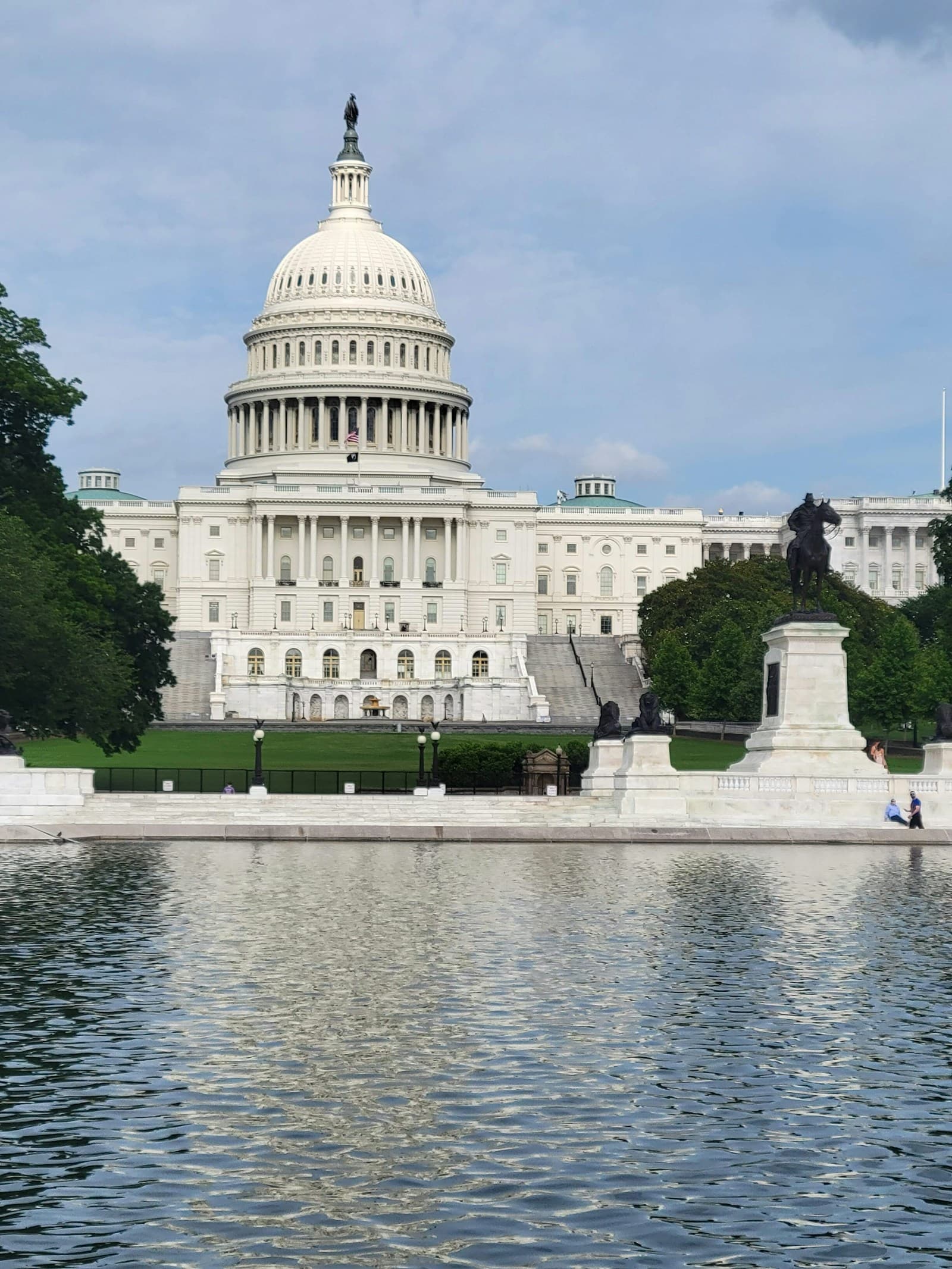
The House vote that failed on Thursday, June 11, 2026 was not only about whether Section 702 of the Foreign Intelligence Surveillance Act survives another few weeks. It was a test of whether Congress still believes the executive branch can be trusted to handle one of the federal government's most powerful surveillance authorities without turning the fight into a loyalty contest.
Associated Press reported that the House rejected a short-term extension by a 198-218 vote, while Axios reported that Democrats and some Republicans let the measure fall apart after President Donald Trump's choice of Bill Pulte as acting director of national intelligence broke what had been a fragile bipartisan path toward reauthorization. The Guardian's earlier reporting captured the shape of the standoff before the vote: Republicans were trying to buy time with a stopgap to July 2, but Democratic leaders had already decided they would not do that without bigger reforms and a different intelligence-chain signal from the White House.
That distinction matters. Readers hear the word lapse and assume an immediate operational blackout. The reporting points to something narrower and more politically revealing. Current court certification still allows collection tied to Section 702 procedures to continue for now, which means Thursday's failure was less a midnight lights-out event than a public declaration that the coalition behind this authority no longer trusts the same guardrails.
What actually failed on June 11
The failed House measure was a short extension, not a full redesign of surveillance law. Republicans wanted a narrow bridge to July 2. Democrats refused to provide it, saying the problem was not just timing. It was control.
| Question | What the reporting shows | Why it matters |
|---|---|---|
| What failed? | A short-term House extension of Section 702, rejected 198-218 on June 11, 2026. | The breakdown happened on the emergency bridge bill, not after a full bipartisan settlement. |
| Why did it fail? | Democrats tied their opposition to Bill Pulte's acting DNI appointment and to unresolved reform demands, while some Republicans still had civil-liberties concerns. | The vote became a trust referendum, not only a security vote. |
| Does the intelligence system stop immediately? | No. Current court certification still allows collection to continue for now, according to current reporting. | The immediate operational cliff is softer than the political rhetoric suggests. |
| What changed most? | The reauthorization coalition became harder to rebuild quickly. | Congress now has less room to solve the issue quietly. |
The Bill Pulte dispute turned an intelligence debate into a legitimacy debate
Section 702 has always produced two arguments at once. Intelligence officials describe it as a core foreign-surveillance tool. Civil-liberties critics counter that Americans' communications can still be swept in indirectly and later searched in ways that deserve stricter limits. Those arguments are not new. What is new is that the procedural bridge itself failed because lawmakers no longer wanted to hand the White House even a temporary win without changing who sits atop the intelligence structure.
That is why this story should not be reduced to a routine Capitol Hill miss. When a short extension cannot pass, the message is that lawmakers are no longer separating the instrument from the person they fear may control it. That makes future compromise harder, because any next-step deal now has to answer two questions at once: what reforms Section 702 needs, and who Congress is willing to trust with the authority in the first place.
A short timeline of how the coalition unraveled
- June 5, 2026: Senate efforts to move a broader Section 702 extension stalled amid objections tied to both privacy concerns and the administration's intelligence leadership choices.
- Morning of June 11, 2026: Democratic House leaders said they would oppose the short-term extension unless meaningful reforms were included and the administration changed course.
- June 11, 2026 vote: The House rejected the stopgap extension 198-218, leaving the statute on course to lapse while current court authorization still cushions the immediate operational shock.
What to watch next
The next question is whether Senate leaders try another narrow fix or whether both parties decide that a short bridge is no longer politically worth the effort. The second question is whether the White House treats Thursday's result as leverage for pressure politics or as evidence that it needs a more credible nominee and a more durable bargain. The third is the one readers should watch most closely: whether the public discussion stays focused on genuine privacy and national-security tradeoffs, or slips into a simpler factional fight over who gets to wield the database first.
Congress has spent years arguing over Section 702 in theory. Thursday's failed vote turned that theory into a credibility problem. That is the development to keep in view. The immediate legal path may still be cushioned by existing court approval, but the political permission structure around the surveillance power just got much weaker, and that usually matters before the statutory calendar does.
Continue reading: Jay Clayton's DNI Nomination Is Really About How Trump Tried to Close a Political Leak.
Read Next
Related Stories

Jay Clayton's DNI Nomination Is Really About How Trump Tried to Close a Political Leak
Trump's choice of Jay Clayton for director of national intelligence was less a clean personnel story than a rapid attempt to steady a surveillance and credibility problem of the White House's own making.

Old Trails Fire Damage Estimate Reaches 640 Structures in Spokane
Spokane County's preliminary estimate says the Old Trails fire destroyed 640 structures, while evacuation zones remain active across northwest Spokane.

USCIS Can Now Refer Asylum Cases to Immigration Court Without an Interview
A DHS rule effective July 28 lets USCIS send some affirmative asylum applications directly to immigration court. Referral is not a denial, but the interview is no longer guaranteed.