A Judge Ordered National Parks to Restore Removed History. The Hard Part Starts Now.
A federal judge ordered the Interior Department to restore removed signs and exhibits about slavery, climate change, and civil rights across the national park system within 21 days.

A federal judge on Friday ordered the Trump administration to restore signs, exhibits, and other interpretive materials that were removed from national parks under a broader campaign to scrub what officials called negative or partisan depictions of American history. The order matters because it treats those removals not as a cosmetic messaging choice, but as a systemwide administrative action that has to answer to law, evidence, and public mission.
CBS News / YouTube — Removing stories of America's past from our national parks
Background context on the national-parks censorship dispute that led to Friday's injunction. Direct watch link is included in the article body.
Judge Angel Kelley of the U.S. District Court in Massachusetts granted a preliminary injunction in the June 12 order, requiring the Department of the Interior and the National Park Service to restore covered materials within 21 calendar days and barring further alterations under the same directive while the case proceeds. The plaintiffs, led by the National Parks Conservation Association and allied history and ranger groups, argued that the removals reached far beyond one disputed display in Philadelphia and into a broader attempt to sanitize how parks explain slavery, civil rights, Indigenous dispossession, immigration, and climate science.
What changed on June 12, 2026, is the scale of the court's response. Earlier fights centered on individual exhibits, especially the President's House site in Philadelphia. Friday's order turns that narrower conflict into a nationwide compliance problem for the administration. In practical terms, it means officials now have to identify what was changed across the park system, restore those materials to their prior state, and report back to the court on what they have actually fixed.
Why this matters: The ruling says public history inside federal parks cannot be quietly rewritten site by site and then defended as ordinary housekeeping. Once the government changes the story across hundreds of public-facing locations, courts may treat the effort as a policy choice that requires a lawful basis.
The order is about authority, not just wording
The administration's underlying push traces to President Donald Trump's March 2025 executive order on American history and to Interior Secretary Doug Burgum's May 20, 2025 order implementing it at National Park Service sites. According to the court order and subsequent reporting from The Guardian and The Washington Post, the removals and edits touched subjects that conservative critics had long targeted: slavery exhibits, climate-change interpretation, Japanese American incarceration history, Indigenous history, civil-rights material, and references to LGBTQ+ history.
Kelley's opinion is striking because it does not frame the dispute as a casual disagreement over tone. It frames it as an attempt to use federal power to impose a partial story on public institutions whose mission is educational as much as commemorative. In one of the order's sharpest lines, the judge wrote that the challenged policy appeared to "rewrite the Nation's history with a white-out pen." That phrase is memorable, but the larger point is more important: the court found enough evidence of arbitrary decision-making and likely legal defects to freeze the effort before the case is fully resolved.
A short timeline of how the parks fight grew
| Date | Development | Why it changed the story |
|---|---|---|
| March 2025 | Trump issued an executive order aimed at removing what it cast as ideological distortions in public history. | The conflict moved from rhetorical grievance to formal federal policy. |
| May 20, 2025 | Interior Secretary Doug Burgum issued an order applying that agenda inside the National Park Service. | Park-level edits and removals became an operational mandate, not an abstract signal. |
| February 17, 2026 | History, ranger, and conservation groups sued in Massachusetts federal court. | The challenge expanded beyond one site and argued systemwide harm. |
| June 4, 2026 | The court denied the government's motion to dismiss, according to the June 12 injunction order. | The case survived the first major procedural test and moved toward substantive relief. |
| June 12, 2026 | Judge Kelley ordered restoration within 21 days and barred further changes under the disputed order. | The administration now has a concrete compliance deadline across the park system. |
Why Philadelphia still sits at the center of the case
Even though Friday's order is national in reach, Philadelphia remains the clearest symbol of what this fight is about. The President's House Site is built around the contradiction that the early republic's seat of executive power also depended on enslaved labor. That is precisely the kind of story that collapses if a park system is told to preserve patriotic uplift while minimizing the coercion that helped build it.
That local history is why this case has always been stronger than a culture-war headline. Visitors do not go to a park site merely to admire a building or a plaque. They go to understand what happened there, what was hidden for years, and why the public version of the past keeps changing. Once the state starts deciding that some facts are too negative for display, the argument is no longer about design. It is about whether a national memory institution is being asked to flatter power instead of informing the public.
The broader legal signal for Saturday's Washington fights
The park ruling also fits a wider pattern in this week's federal-court clashes with the administration. PanoramaDigest reported earlier Saturday on a separate order that forced the administration to make sworn representations about Trump's stalled anti-weaponization fund. These cases are different on substance, but they share a judicial message: symbolic moves still count as government action when they affect institutions, public records, or legal obligations.
That is why Friday's injunction is more consequential than the park signs themselves. The administration can still appeal, and it may yet win on some claims. But it now has to defend the policy as policy. It cannot rely on the softer argument that officials were merely adjusting presentation choices inside agencies they control.
What to watch over the next three weeks
The compliance reports may matter almost as much as the injunction itself. They should reveal whether the government interprets the order narrowly, restoring only the most visible disputed materials, or broadly, rebuilding a larger set of climate, slavery, immigration, and civil-rights interpretation that had been altered across multiple parks. If the reports show selective restoration or delay, the case could shift quickly from a censorship fight into a contempt-and-compliance fight.
For readers, the simplest test is not ideological. It is institutional. National parks are trusted because they convert place into evidence. If a court concludes that those places were being edited to fit a political script, the issue is not whether every sign was perfect. The issue is whether the country's most visible public-history network can still be trusted to tell visitors the parts of the story that hurt as well as the parts that inspire.
Read Next
Related Stories
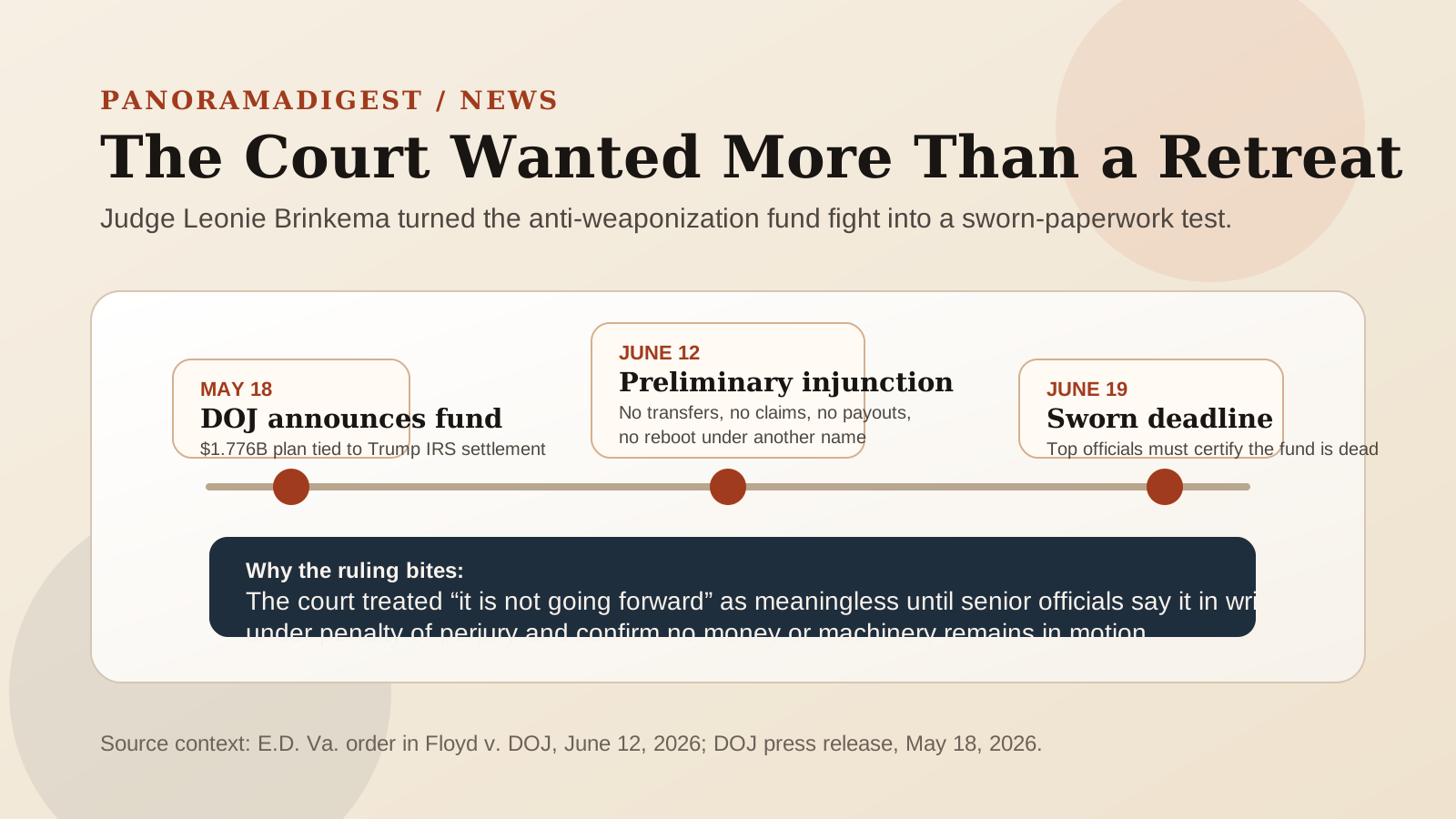
The Court Did Not Kill Trump's $1.8 Billion Fund. It Forced the Administration to Say So Under Oath.
Judge Leonie Brinkema's June 12 order did more than freeze Trump's anti-weaponization fund. It turned the real issue into a sworn-paperwork test: if the administration says the program is dead, it now has to prove that in writing and reverse any hidden setup work.
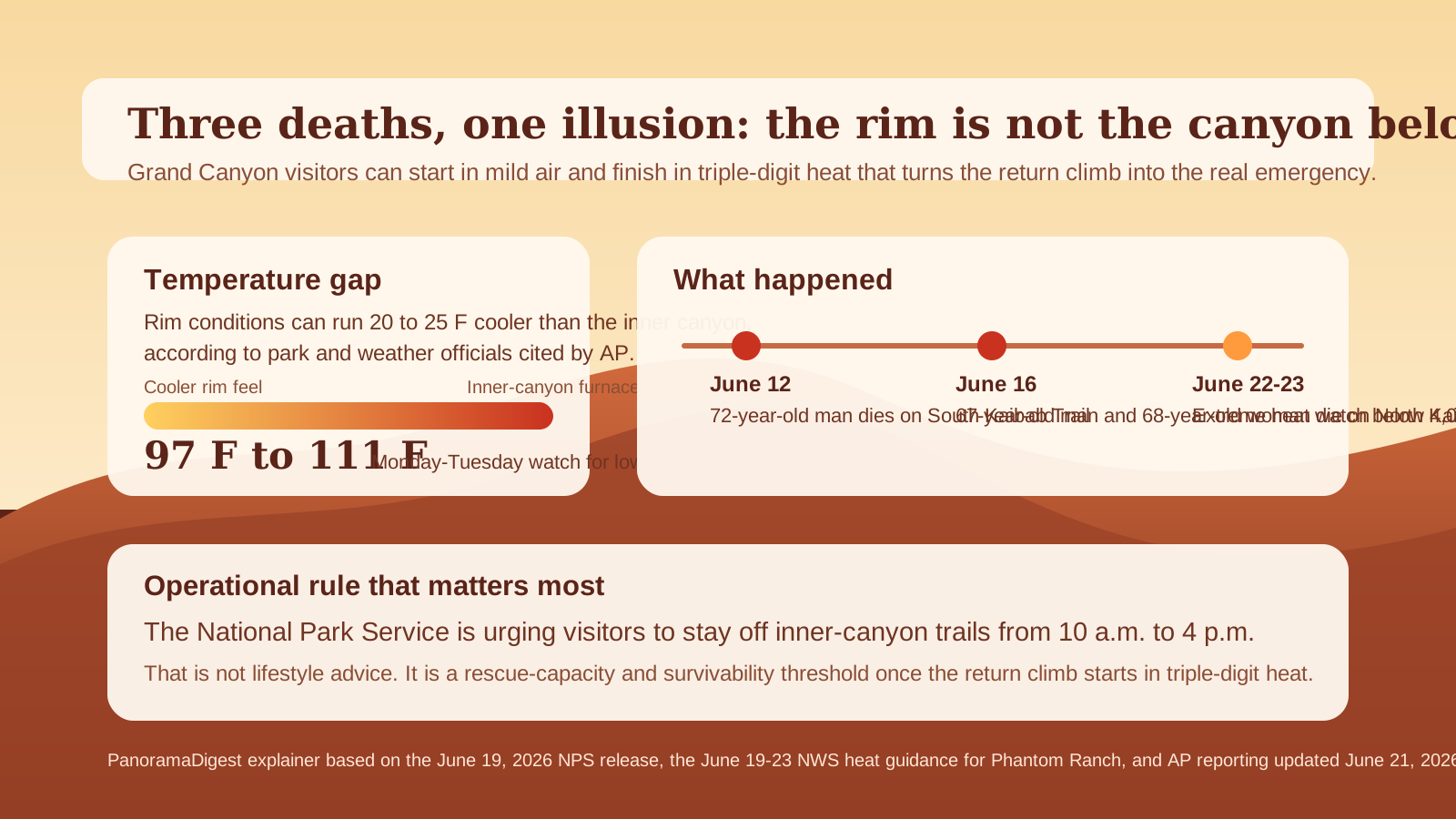
Three Grand Canyon Heat Deaths Show How the Rim Can Hide the Real Risk Below
Three apparent heat-related deaths and a new extreme heat watch are turning Grand Canyon safety into a public-warning test: the rim's milder feel can badly mislead hikers about the furnace waiting below.
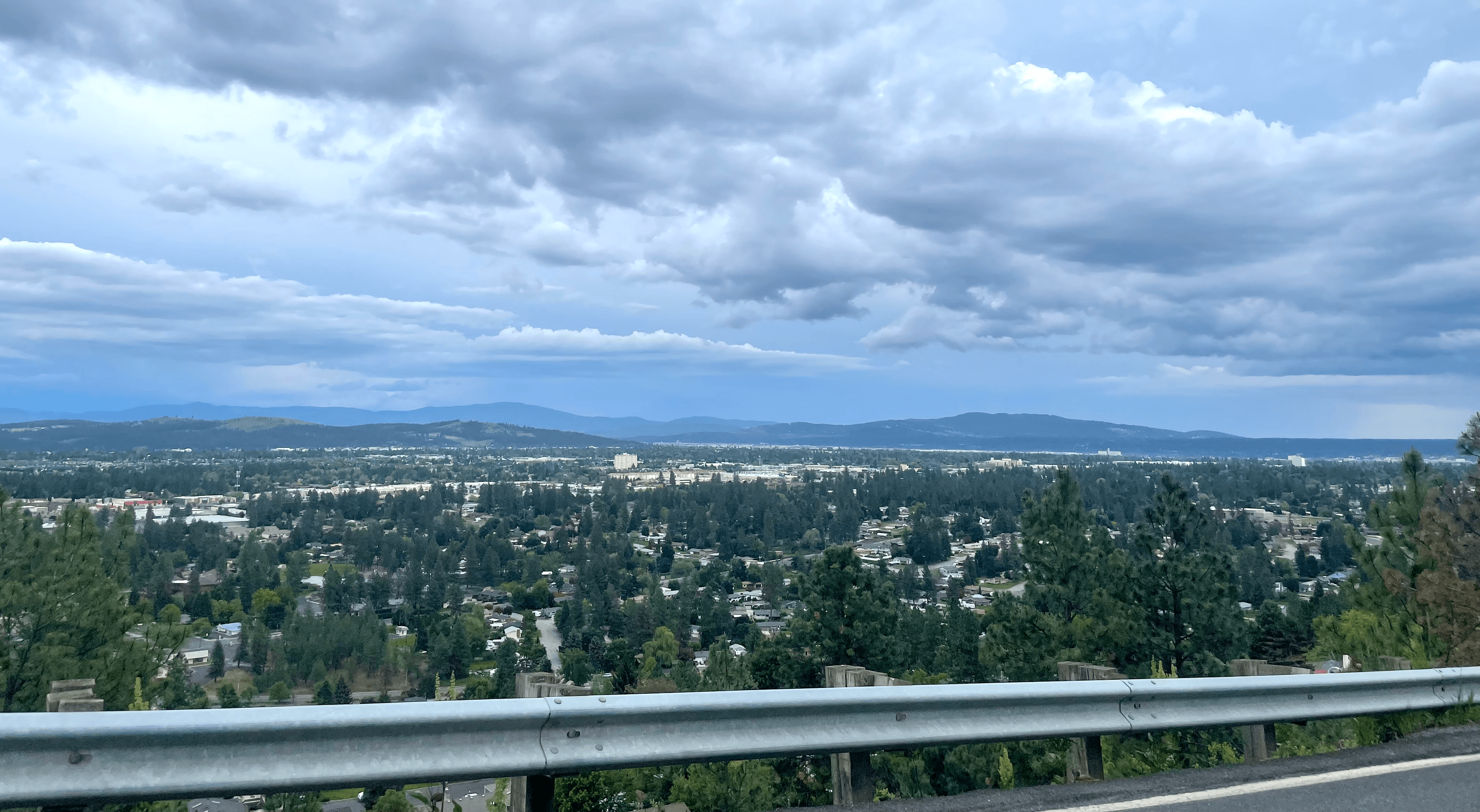
Old Trails Fire Damage Estimate Reaches 640 Structures in Spokane
Spokane County's preliminary estimate says the Old Trails fire destroyed 640 structures, while evacuation zones remain active across northwest Spokane.