Bryce Harper's First Career Cycle Was Really a Warning About the Phillies' Shape.
Bryce Harper completed the first cycle of his major league career by the fifth inning on Saturday, June 20, but the larger signal for Philadelphia was how quickly the Phillies turned one hot star performance into a lineup-wide pressure campaign against the Mets.

Bryce Harper hitting for the first cycle of his major league career on Saturday, June 20, was the kind of box-score event that can tempt everyone into writing the same easy sentence. The hard part is explaining why this one felt larger than novelty. In the Associated Press recap of Philadelphia's 15-3 win over the Mets, the verified facts were blunt enough: Harper had the homer, double, single and triple by the fifth inning, while Kyle Schwarber produced a three-homer night of his own. The official MLB game report supplied the cleaner historical frame, calling it the franchise's 11th cycle and Harper's first at the big league level. The bigger sports meaning sits one layer underneath those numbers. Philadelphia did not just get a star turn. It got a reminder that its offense can still make an opponent feel beaten before the game reaches its later arguments.
Philadelphia Phillies / YouTube — Mets vs. Phillies Game Highlights (6/20/26)
Official Phillies highlights show how Bryce Harper's cycle and Kyle Schwarber's power surge combined to break the game open. If the player is blocked, use the direct YouTube link.
Watch the official game highlights here: Mets vs. Phillies Game Highlights (June 20, 2026). If the embedded player is blocked on the article page, the direct YouTube link remains the fallback path.
Why this was more than a rare feat
Cycles are memorable because they are scarce. They are important only when they tell you something real about the game around them. This one did. Harper opened with a first-inning home run, then added the double and single during the kind of third inning that can hollow out a dugout, and finished the job with a triple while Philadelphia kept widening the score. That sequence matters because it showed the Phillies' middle order operating at two speeds at once: Harper applying all-field stress, Schwarber applying blunt-force damage, and the rest of the lineup benefiting from the fact that New York never got a clean inning to reset.
That is the part worth paying attention to in late June. A contender does not become dangerous only when its best player does something historic. It becomes dangerous when a historic performance feels like the natural extension of a lineup's pressure pattern rather than a one-man rescue. Saturday looked like the latter for the Mets. By the fifth inning, they were not merely behind. They were trapped inside Philadelphia's pace.
A quick map of the damage
| Moment | Verified outcome | What it said about the Phillies |
|---|---|---|
| First inning | Harper homered to put Philadelphia on the board. | The Phillies forced New York onto the defensive before the game had a rhythm. |
| Third inning | Harper doubled and singled while Schwarber homered twice in an eight-run frame. | The lineup stopped looking sequential and started looking cumulative. |
| Fifth inning | Harper tripled to complete the cycle. | The rare feat arrived while the game was still being actively broken open, not during cosmetic late scoring. |
| Final score | Philadelphia won 15-3, according to the official MLB game coverage. | The cycle became the symbol of a broader offensive ambush, not an isolated curiosity. |
The official MLB video and recap also sharpen the context around the feat itself. Harper did not grind through nine innings looking for a final missing hit. He finished the cycle before the night became a procedural march to the final outs. That matters because it speaks to tempo, which is one of the truest measurements of lineup authority. Great offenses do not simply score. They alter how fast the opposing staff and defense feel the game collapsing around them.
The best sports stories are usually not about one swing, one stat line or one highlight. They are about how athletes and teams impose decisions on other people. On Saturday, Harper and Schwarber forced the Mets to spend the game reacting. Pitch usage changed. Defensive urgency changed. The emotional temperature changed. Even a rare individual accomplishment like a cycle became part of a larger leadership fact about the Phillies: when their core is loud early, the whole ballpark starts tilting in the same direction.
What to watch next
One game does not solve everything for Philadelphia. It does, however, reinforce what kind of team the Phillies still believe they are. They are not built to nibble their way through big series. They are built to seize innings, flood a scoreboard and make a rival feel the cost of one mistake too long. Harper's cycle was the night's cleanest headline. The more useful takeaway is that the Phillies looked structurally dangerous again, which is a more serious problem for the Mets than any one milestone.
If that shape holds, Saturday's cycle will be remembered less as a collectible stat and more as a public clue. It told the rest of the National League that Philadelphia's star power still works best when it arrives as a chain reaction rather than a solo act. Harper supplied the rare feat. The lineup supplied the warning.
Reader Sentiment & Impact Pulse
How do you evaluate the primary outcome of this development?
Select an option to cast your perspective. Responses are anonymous and aggregated in real time.
Key Context & Frequently Asked Questions
Bryce Harper completed the first cycle of his major league career by the fifth inning on Saturday, June 20, but the larger signal for Philadelphia was how quickly the Phillies turned one hot star performance into a lineup-wide pressure campaign against the Mets. This analysis from PanoramaDigest examines primary documentation, operational implications, and broader institutional impacts across sports.
Read Next
Related Stories

Mississippi Governor Clarifies National Guard Role Ahead of Ole Miss-LSU Game Amid 'Hurricane Kiffin' Comments
Mississippi Governor Tate Reeves clarified the state's security preparations for the SEC matchup between Ole Miss and LSU, dismissing military crowd control rumors while highlighting coach Lane Kiffin's high-powered football environment.
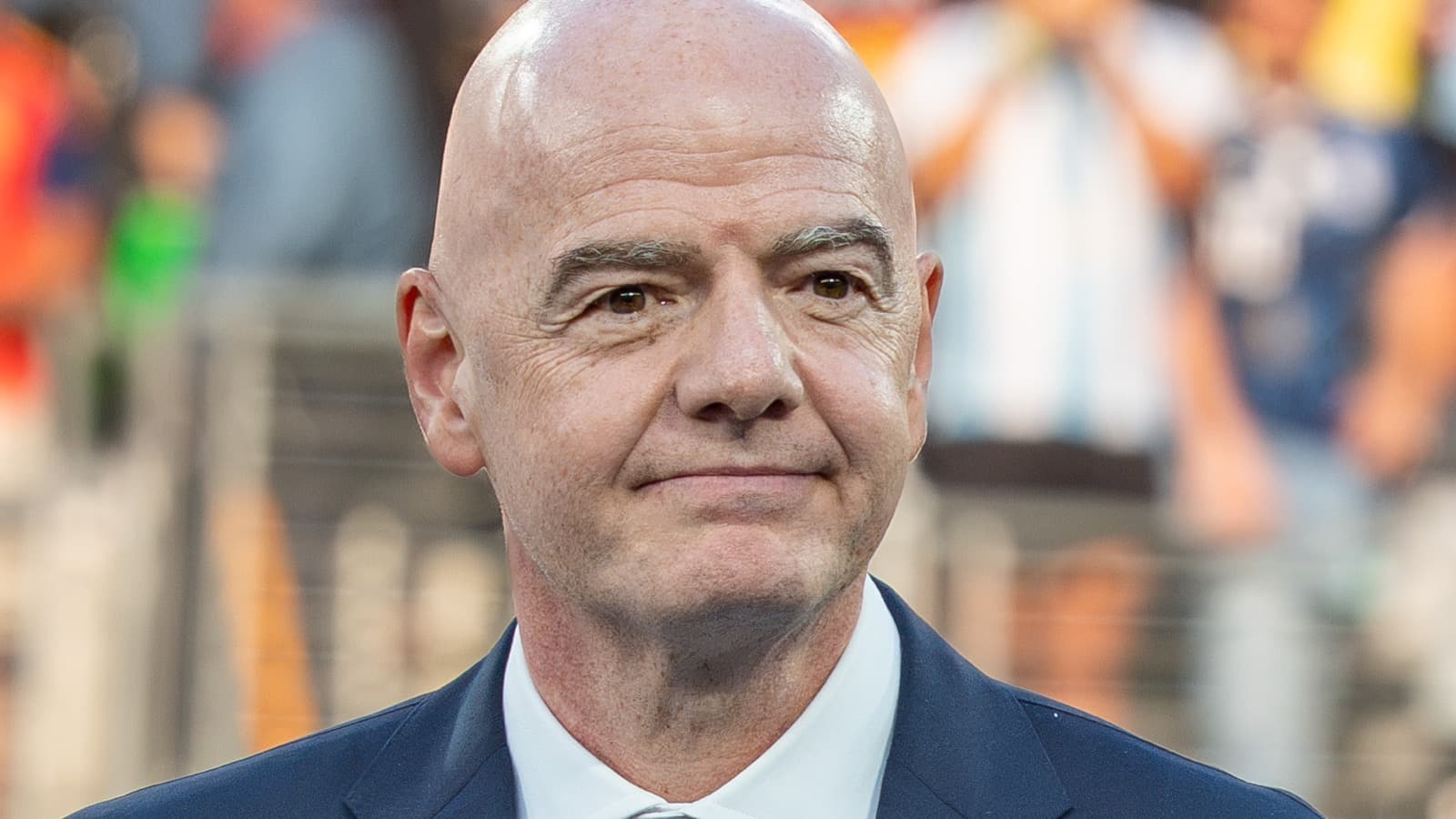
FIFA Drops $20 Billion World Cup Equity Plan as UEFA Withdraws Confidence in Infantino
FIFA withdrew its $20 billion World Cup equity plan after opposition across three confederations. UEFA's no-confidence statement now shifts the dispute to Infantino's 2027 election.

Nirmal Purja Dies in Broad Peak Avalanche: His Verified Climbing Records
Elite Exped has confirmed that Nirmal Purja died after the Broad Peak avalanche. Here is the verified rescue timeline and the record evidence behind his climbing legacy.