USMNT Beats Paraguay 4-1: Balogun Goals and World Cup Performance
The United States beat Paraguay 4-1 on June 12, 2026, but the deeper sports story was how Mauricio Pochettino's team handled the pressure of a home World Cup opener in front of 70,492 fans.

The scoreline will carry the night because that is what scorelines do. United States 4, Paraguay 1. Folarin Balogun with two goals, Christian Pulisic pulling strings early, Gio Reyna finishing the evening in stoppage time, and a stadium in Inglewood finally sounding as if the World Cup on American soil had become something more than a long marketing campaign.
FOX Sports — United States vs Paraguay Extended Highlights 2026 FIFA World Cup
Official FOX Sports extended highlights from the United States' 4-1 World Cup opener over Paraguay. Use the direct YouTube link in the article body if the player does not render in your browser.
But the real value of Friday, June 12, 2026 was not that the U.S. won comfortably. It was that the U.S. handled the exact emotional test this tournament was always going to impose. A home World Cup opener can make a team rush, tighten up or try to impress the room before it settles the match. Instead, Mauricio Pochettino's group played with front-foot confidence, accepted the noise and turned it into pressure on Paraguay rather than pressure on itself.
U.S. Soccer's live match report said the Americans raced to a 3-0 halftime lead, the first time the national team has held a World Cup lead of three scores at the break. The same official report put attendance at 70,492. FIFA's match report described it as one of the United States' most impressive World Cup performances. AP's game story added the historical edge: Balogun became the first American to score multiple goals in a World Cup match since 1930.
That is why this belongs in the sports section as a temperament story, not just a recap. A week ago, PanoramaDigest argued in its June 7 analysis of the Germany send-off loss that the U.S. needed to show it could absorb tournament pressure without confusing adrenaline for control. Friday's opener was the answer.
Three things changed the mood fast: Paraguay's own goal opened the door, Balogun's brace turned the first half into a statement, and the U.S. never let the crowd feel a long stretch of panic even after Paraguay found a second-half response.
- Early phase: the U.S. turned home-opener energy into pressure instead of nervous possession.
- First-half break: an own goal plus Balogun's brace pushed the match to 3-0 before halftime.
- Second-half response: Paraguay briefly tested the mood, but the U.S. never let the stadium become tense.
- Stoppage time: Reyna's late goal restored the margin and closed the night with control rather than drift.
The first half felt different because the U.S. made it feel simple
The easiest way to misread a home opener is to assume the team with the crowd and the lights is supposed to perform with flair from the first whistle. What strong tournament teams actually do is reduce the opening phase to a series of simple wins: clean first passes, early ball recoveries, disciplined spacing around the box and enough directness to make the opponent defend backward. The U.S. did that. Instead of trying to author a grand national moment, it kept forcing Paraguay into smaller losses until the whole thing tilted.
Balogun will own the highlight package, and deservedly so. Pulisic will own much of the creative memory because the game moved at his pace when the U.S. was sharpest. But the bigger collective signal was structural. The Americans looked like a team that understood the occasion without becoming trapped inside it. Even when the scoreline widened quickly, the shape of the match never drifted into showboating or disorder.
| Signal from the opener | What it showed | Why it matters next |
|---|---|---|
| 3-0 halftime lead | The U.S. attacked with conviction instead of easing into the tournament. | Early control can change the psychology of a whole group stage. |
| Balogun's two goals | The striker line did not just generate movement; it finished chances cleanly. | That gives the U.S. a more serious ceiling than it showed in many past tournaments. |
| 70,492 in the stadium | The atmosphere was huge, but the team did not look swallowed by it. | Home energy becomes an asset only when players treat it as fuel, not judgment. |
| Reyna's late goal | The U.S. kept enough focus to answer Paraguay's push instead of coasting. | Closing games cleanly will matter if goal difference tightens the group. |
What made the result feel sturdier than a one-night burst
There is always a temptation after a big opening result to announce a national breakthrough before the group table has even settled. That would be lazy here. Paraguay still had moments, and tournament football has a way of turning one excellent night into a trap if the next performance gets spent in celebration. Still, it would be equally lazy to shrug at a four-goal opener as if it were just another warm-weather friendly with global branding attached.
The AP report noted that this was the United States' biggest World Cup win and that the Americans had not won a World Cup game by three goals since 1930. That does not guarantee anything about the next match. It does say the team produced something outside its ordinary World Cup range. FIFA's framing matters for the same reason. When the tournament's own match report calls the performance one of the country's most impressive on this stage, that is not nostalgia. It is a recognition that the U.S. combined finishing, crowd control and game flow in a way it often has not.
The next test is whether the U.S. keeps the night in proportion
U.S. Soccer said the Americans next travel to Seattle Stadium to face Australia on Friday, June 19. That is where the adult version of this story begins. Opening-night authority is useful, but only if it changes the next game in the right direction. The best teams treat an emphatic opener as permission to become calmer, not louder. They keep their shape, accept that the opponent will now prepare with more respect and understand that public euphoria is not a tactical plan.
That should remain the lens on this group. The United States did not merely entertain a home crowd on June 12. It passed a psychological exam that has undone more gifted teams than this one. For one night, the World Cup looked less like a burden the Americans were asked to carry and more like a stage they were ready to use.
Readers who want to watch the official broadcast highlight package can use the embedded video below or the direct fallback link to FOX Sports' extended highlights of United States vs. Paraguay if the player does not render in their browser.
Read Next
Related Stories
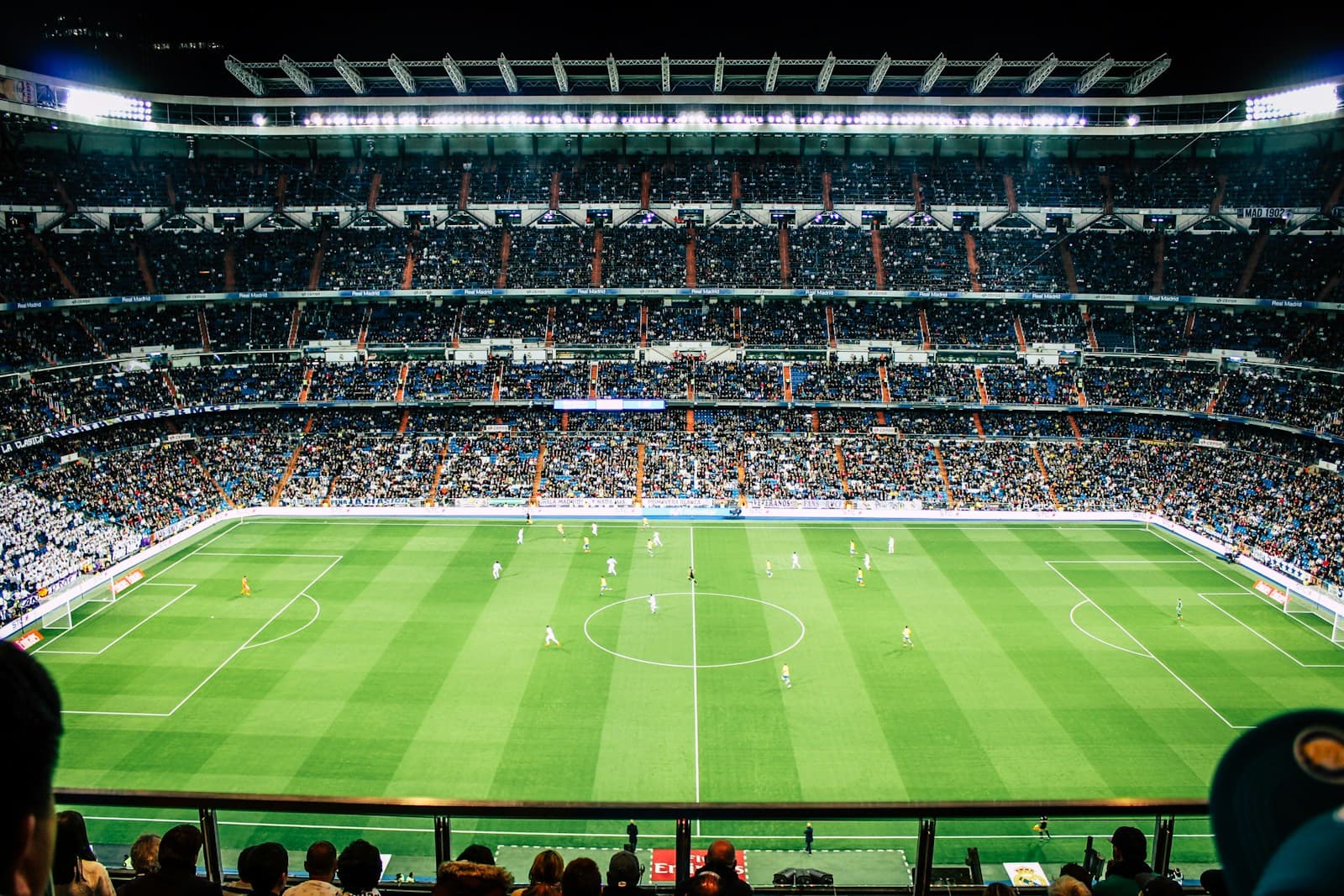
The USMNT Took the Right Warning From Germany Before the World Cup
The 2-1 loss in Chicago was not a collapse. It was a useful stress test for set-piece discipline, lineup trust, and the pressure waiting against Paraguay.
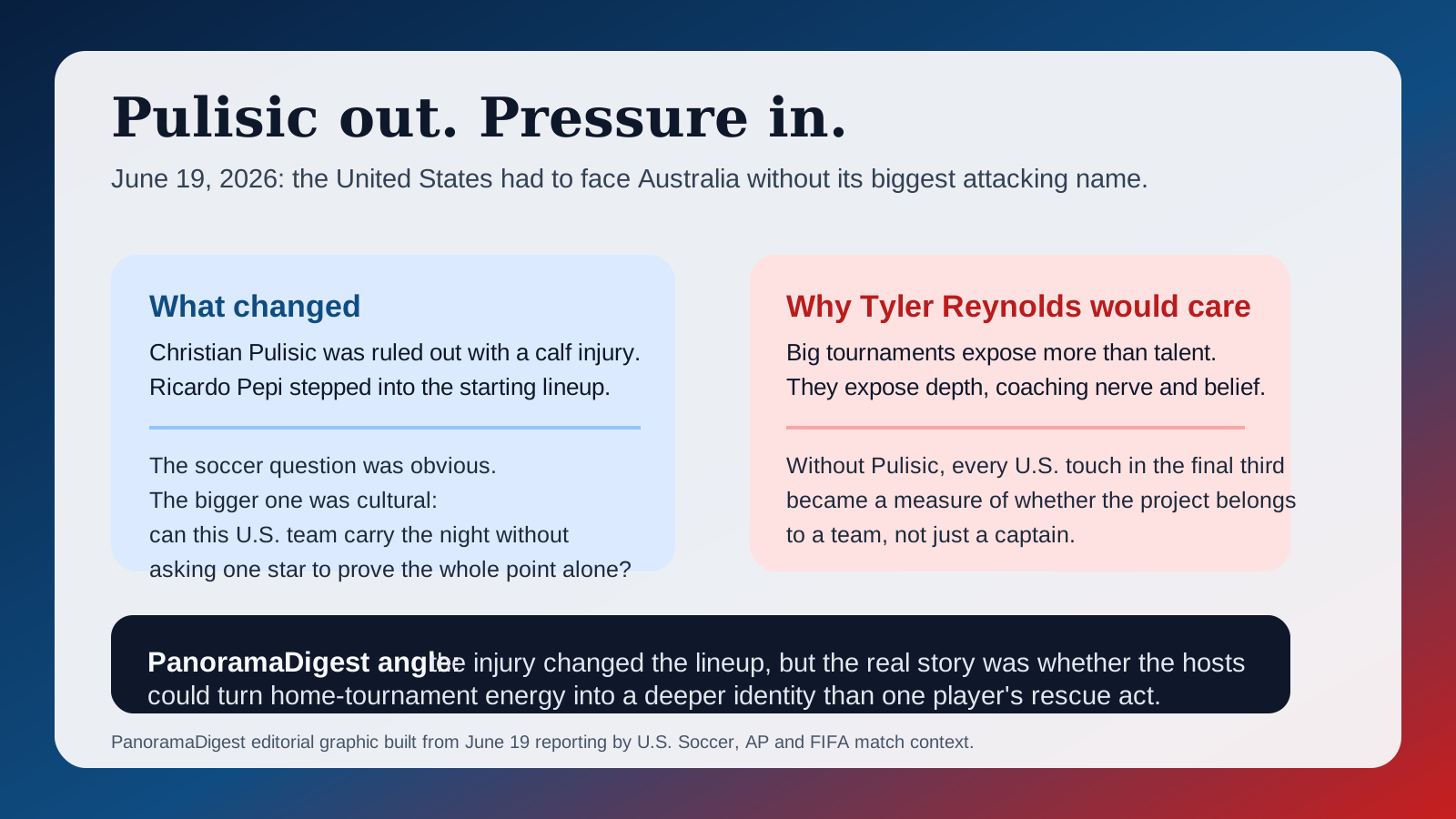
Christian Pulisic Is Out. Now the U.S. Has to Prove Its World Cup Surge Was Never a One-Man Story.
Christian Pulisic's calf injury kept him out against Australia on June 19, 2026. The larger test for the United States was whether its World Cup momentum could survive without asking one star to carry the whole identity.
FIFA Drops $20 Billion World Cup Equity Plan as UEFA Withdraws Confidence in Infantino
FIFA withdrew its $20 billion World Cup equity plan after opposition across three confederations. UEFA's no-confidence statement now shifts the dispute to Infantino's 2027 election.