Japan’s H3 Returns to Flight: Satellite Deployment and Launch Economics
JAXA's June 12, 2026 H3 launch mattered less as a routine mission than as proof that Japan's cheaper rocket configuration still had a commercial future after the program's December 2025 failure.
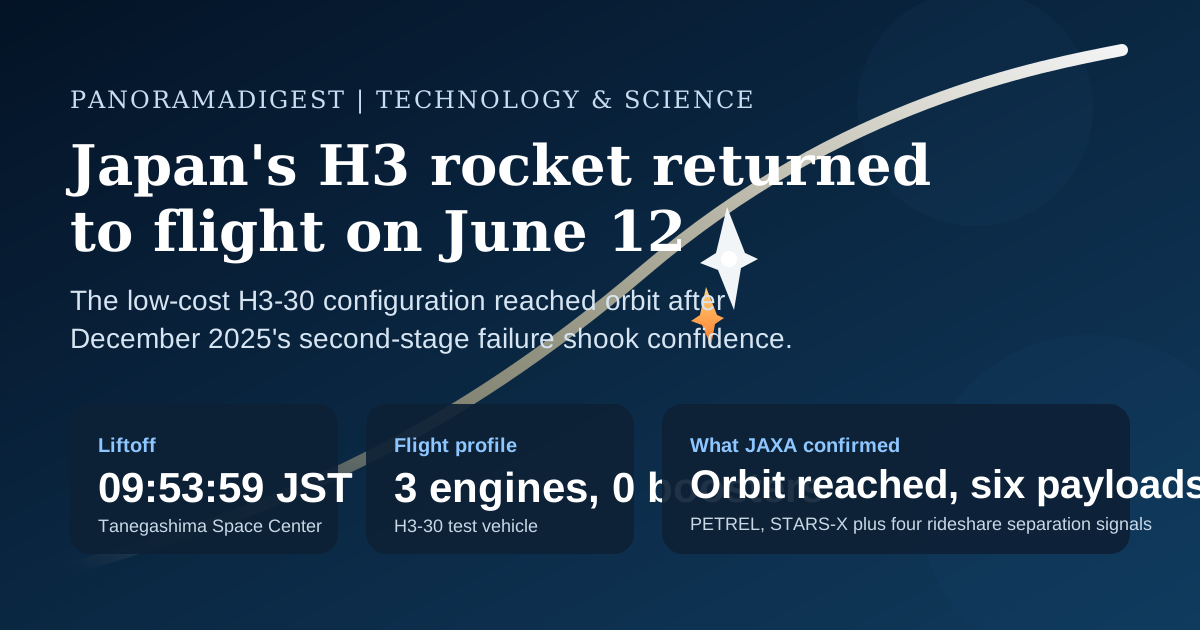
Japan's June 12, 2026 launch result from JAXA reads almost clinical: liftoff at 09:53:59 JST from Tanegashima, second stage injected into the planned orbit, confirmed separation of PETREL and STARS-X, and separation signals sent to BRO-22, VERTECS, HORN-L and HORN-R. The colder reading is also the more important one. Friday's mission was not just another space-agency success note. It was the first serious evidence in months that Japan's low-cost H3 path still has commercial and strategic credibility after the December 22, 2025 failure of H3 Flight 8 raised fresh doubts about whether the program could be both cheaper and dependable.
JAXA — Launch live streaming of H3 Launch Vehicle flight No.6, 30 configuration Test Vehicle
JAXA's official launch stream is the cleanest primary-source record of the June 12, 2026 H3-30 mission. Use the direct YouTube link if the embedded player is blocked.
That distinction matters because the rocket that flew Friday was not the old comfort version. It was the new H3-30 configuration, the three-engine, zero-booster variant that JAXA has pitched as part of its "easy-to-use" and cost-conscious replacement for H-IIA. On the official H3 project page, JAXA frames the vehicle around flexibility, reliability and cost performance. In other words, the selling point is not simply that Japan can launch. It is that Japan can launch on terms that keep it relevant in a market now trained to ask harder questions about cadence, price discipline and payload fit. That is why this story belongs in the same larger conversation as today's SpaceX public-markets test: the space business is no longer rewarded for national prestige alone.
Friday fixed a confidence problem more than a technical checklist
The H3 program has been asked to carry two arguments at once. One is technical: that Japan can field a modern rocket family with modular configurations and enough reliability to support civil, national-security and commercial missions. The other is economic: that it can do that without clinging to an older cost structure. AP's June 12 reporting captured why Friday's success was badly needed. The H3 has already lived through a botched 2023 debut and the late-2025 setback that kept the Michibiki 5 payload out of its planned orbit. A rocket can survive failure; launch systems do it all the time. What they cannot afford is a pattern in which every cost-saving claim starts sounding like a risk discount.
| What Friday confirmed | What still has to be proved |
|---|---|
| The H3-30 configuration reached the planned orbit on June 12, 2026. | Whether JAXA and Mitsubishi can now maintain a steadier launch cadence instead of treating each success as a reset point. |
| JAXA publicly validated the three-engine, zero-booster version rather than the more familiar higher-thrust variants. | Whether the low-cost pitch is strong enough to win customers in a market shaped by SpaceX and other aggressive launch providers. |
| The mission delivered a clean public counterpoint to the December 2025 second-stage failure. | Whether confidence returns quickly for higher-stakes payloads, including missions tied to Japan's navigation and exploration plans. |
| The launch demonstrated that the H3 can still be framed as a flexible family, not a one-off recovery story. | Whether that family becomes dependable enough for buyers to treat it as routine rather than symbolic. |
The low-cost part is the real headline
Space coverage often defaults to spectacle, but Friday's genuine signal was industrial. JAXA is trying to turn the H3 into a vehicle that can serve a wider payload range without carrying the full cost profile of the older H-IIA era. That is a more serious challenge than writing a triumphant post-launch statement. Cheap only matters if it does not come with an implied asterisk. The December 2025 failure was damaging not just because a mission was lost, but because it reopened the question of whether Japan's flagship rocket could be marketed as dependable infrastructure rather than a technically impressive project still working through fragility.
The engineering milestone is real. The systems consequence is that Japan now has a cleaner argument for the H3 as a repeatable platform ahead of later missions, including the HTV-X cargo line and deeper-space work. If Friday had gone badly, the conversation would have moved from troubleshooting to program credibility. Because it went well, the conversation can return to cadence, customers and competition, which is exactly where a launch provider wants the debate to live.
Why this launch matters beyond Japan's space program
The broader reason readers should care is that launch reliability has become economic infrastructure. Governments need it for navigation, communications and Earth observation. Universities and smaller payload developers need it because cheaper rideshare access determines whether missions happen at all. Investors and policymakers watch it because every national launch system now exists inside a market defined by relentless comparison. Friday's H3 mission will not settle that competition by itself. But it did something more immediate and more useful: it restored the right to make the low-cost case without sounding naive.
Readers who want the full launch footage can use JAXA's official video here: Launch live streaming of H3 Launch Vehicle flight No.6, 30 configuration Test Vehicle. If the embedded player below does not render in your browser, that direct link remains the fallback path.
That may sound like a small win. It is not. Rocket programs do not become strategically useful because they are dramatic. They become useful when customers, ministries and mission planners can stop treating each launch as a referendum on whether the basic model works. On June 12, 2026, Japan's H3 finally moved a little closer to that steadier category.
Read Next
Related Stories
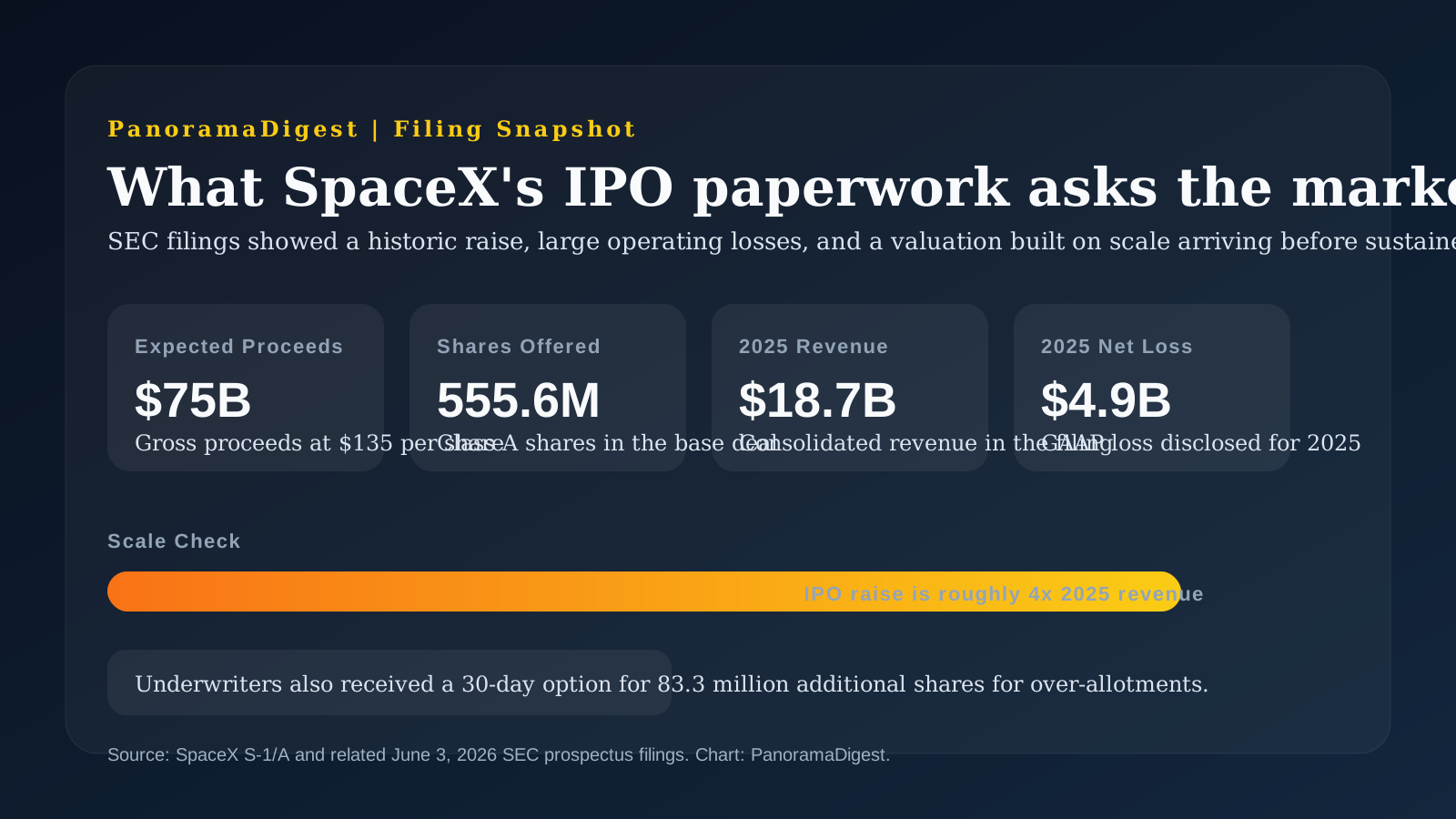
SpaceX Raised $75 Billion. The Harder Question Is What Public Markets Are Really Buying.
SpaceX's Nasdaq debut turned a giant IPO into a referendum on how much investors will pay for scale, scarcity, and AI ambition before a company proves it can hold onto consistent profits in public view.
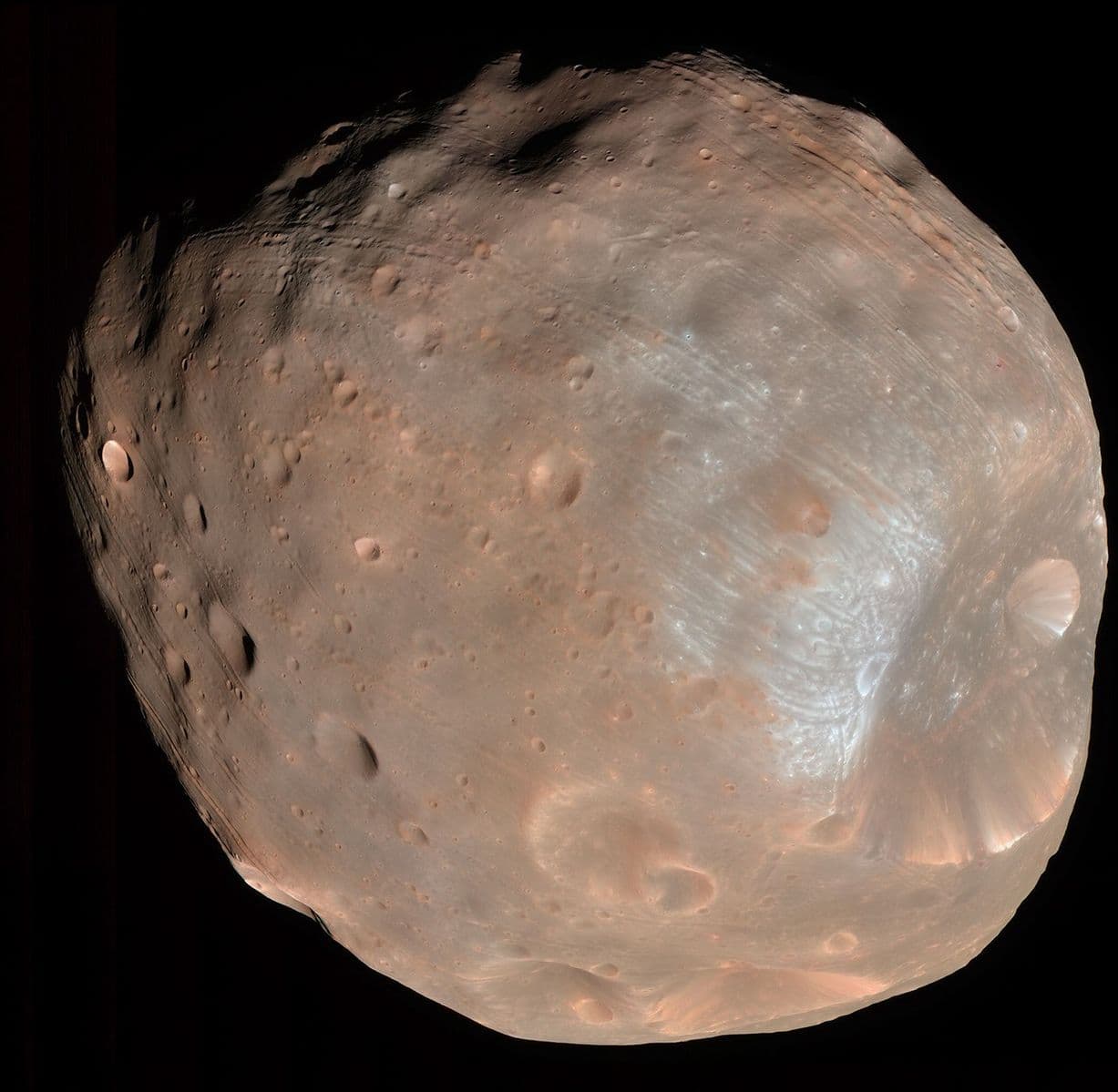
MMX Launch Date and Time: Japan's Phobos Sample-Return Timeline
Japan's MMX mission targets October 20 in Japan, October 19 in Europe and America. A time-zone guide and mission timeline explain the Phobos sample-return plan.

Kilauea Episode 55: End Time, Alert Downgrade and Remaining Hazards
Episode 55 stopped at 9:03 a.m. HST on October 17. A checked timeline separates the fountains, the later alert downgrade and hazards that remain.