Trump Says the Iran Deal Is Close. Tehran Is Warning Markets Not to Confuse Drafting With Peace.
President Donald Trump said a U.S.-Iran deal could be signed within days, but Tehran said it had not made a final decision, leaving markets to price optimism long before diplomats can bank it.
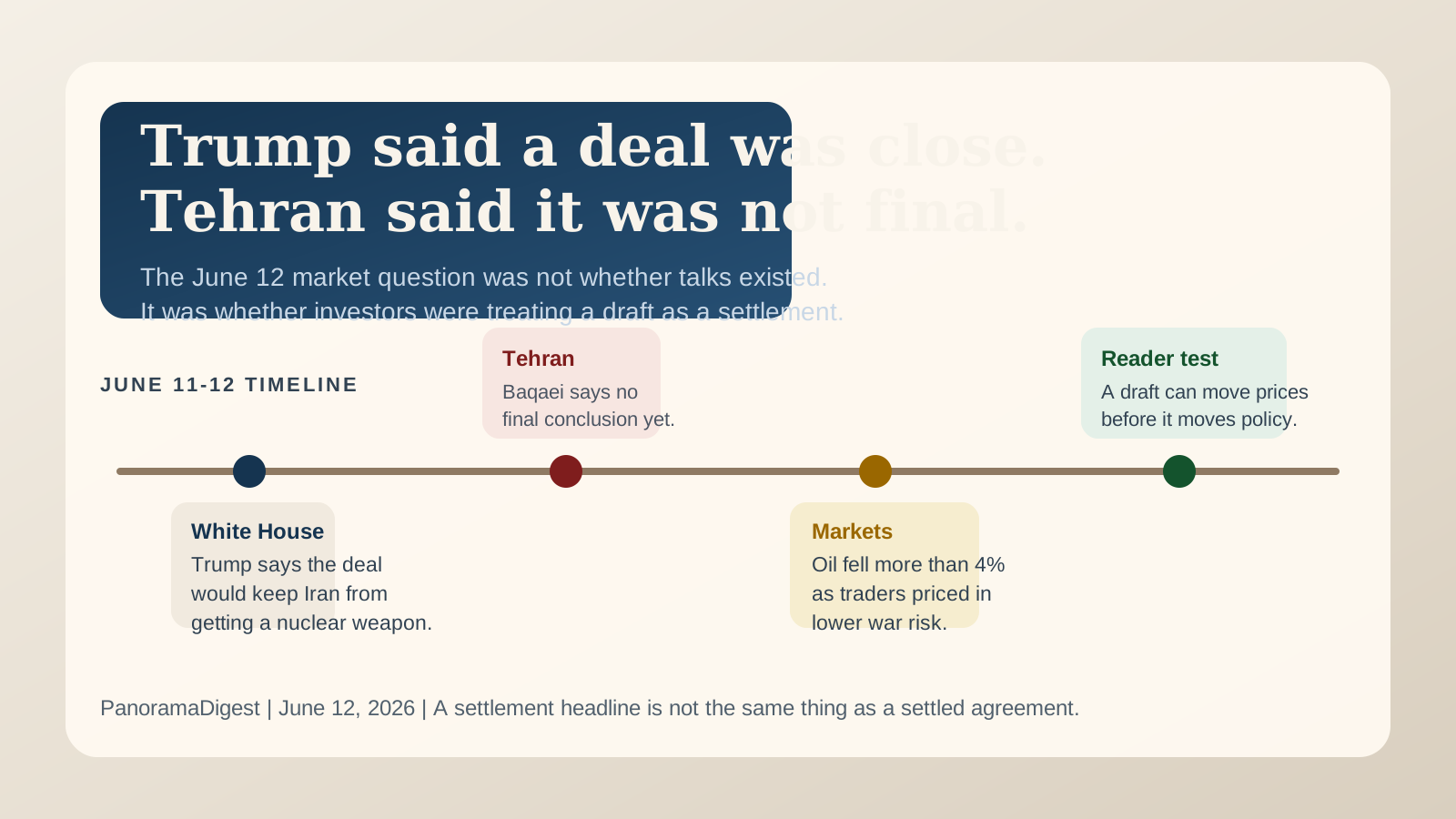
President Donald Trump spent June 11 and June 12, 2026, trying to move the Iran story out of the war column and into the deal column. Tehran spent the same stretch warning that those are not yet the same thing. That gap matters more than the headline drama. Markets can rally on a draft. Tanker insurers, regional governments and diplomats have to live with what is actually signed.
Reuters — No 'final decision' made on possible U.S. deal, Iran says
Reuters' June 12 video report captures Tehran's core warning: draft progress is not the same thing as final approval. Use the direct YouTube link if the embedded player is blocked.
The White House live feed and video library show Trump publicly arguing that the emerging arrangement would keep Iran from obtaining a nuclear weapon. But CBS News' live coverage, citing Iranian Foreign Ministry spokesman Esmaeil Baqaei and Agence France-Presse, reported that Tehran had not reached a final conclusion and was still complaining about shifting U.S. demands. Axios' reporting on the draft memorandum added detail about what is supposedly inside the package: a 60-day ceasefire extension, a reopening of the Strait of Hormuz and another round of nuclear negotiations. That is enough substance to explain the excitement. It is not enough finality to justify calling the diplomacy finished.
Why Trump's message moved faster than Tehran's
Trump's version of events is politically elegant. It lets him claim pressure worked, military escalation can pause and a signature ceremony may be near. That story offers a clean sequence: threaten force, squeeze the other side, then present yourself as the leader who can stop the fighting. Tehran's public line is much less tidy because it has to preserve negotiating leverage at home and abroad. Baqaei's message, as relayed in current coverage, was not that talks are imaginary. It was that Iran has not approved the final political landing zone and will not treat American public optimism as a binding commitment.
That difference is precisely why this remains a world story rather than a White House messaging story. Negotiations between Washington and Tehran never move only on the logic of one capital. They also move through regional allies, domestic hard-liners, energy markets and the question of whether each side thinks the other is redefining the terms midstream. If Tehran believes Washington is selling completion before the last argument is settled, the public triumphalism can become a negotiation problem of its own.
- June 11: Trump publicly says an arrangement is close and presents it as proof that pressure is paying off.
- Early June 12: Iranian officials say the text is largely formed but insist no final conclusion has been approved.
- June 12 markets: Oil falls and equities rise as traders price in lower immediate war risk.
- What still has to happen: The political text needs to survive final approval, implementation details and the inevitable argument over enforcement.
The Strait of Hormuz is still the real test
Readers should be skeptical of any version of this story that treats the Strait of Hormuz as a solved problem simply because a draft mentions reopening it. The strait is not a slogan. It is a shipping chokepoint, an insurance variable and a daily confidence test for governments that depend on energy flows. PanoramaDigest covered that earlier pressure point in its June 11 analysis of the U.S.-Iran ceasefire and Hormuz risk. The follow-up now is straightforward: does the diplomacy reduce operational risk in the water, or does it merely soften rhetoric on television?
Associated Press' market report captured the immediate consequence of that question. Oil fell more than 4% as investors decided the probability of a near-term supply shock had eased. That reaction was rational in one narrow sense. If outright escalation looks less likely, the war premium comes down. But it was also a reminder that markets are often willing to trade on directional hope while diplomats are still arguing over verbs, sequencing and verification.
| Actor | What the public message says | What readers should infer carefully |
|---|---|---|
| Trump and the White House | A deal is close, the war can wind down and Iran will not get a nuclear weapon. | Washington wants the political credit for momentum and is signaling confidence before the final proof arrives. |
| Iranian foreign ministry | No final conclusion yet, even if much of the text is drafted. | Tehran is preserving leverage and warning that draft language does not equal final authorization. |
| Markets | Lower oil, stronger risk appetite, less immediate fear. | Traders are pricing a reduced short-term war premium, not certifying the durability of an agreement. |
| Regional observers | Watch Hormuz, allied buy-in and enforcement details. | The real measure is implementation, not who sounded more confident in front of cameras. |
What makes this draft more fragile than it looks
Even if the broad outline reported by Axios holds, the hard part starts after the celebration language. Reopening the Strait of Hormuz is not self-executing. A 60-day ceasefire extension only matters if both sides believe violations will be costly and identifiable. Nuclear talks become more rather than less dangerous when political leaders have already implied the biggest questions are settled. The temptation then is to pretend technical disputes are details. In U.S.-Iran diplomacy, technical disputes are usually the deal.
This is why Tehran's caution should not be dismissed as routine obstruction. Sometimes it is just negotiation theater. Sometimes it is the cleanest warning available that the implementation fight has not been won. The current reporting suggests that significant portions of the text exist, but also that the argument over changed positions and red lines is alive. That is exactly the sort of circumstance in which a would-be breakthrough can produce a market rally on Thursday and a diplomatic hangover by the weekend.
Readers who want the shortest visual summary can watch Reuters' current video report, No 'final decision' made on possible U.S. deal, Iran says. If the embedded player on the article page is blocked in your browser or region, that direct link carries the same report.
What to watch next
The next meaningful sign is not another celebratory forecast from Washington. It is whether Tehran's senior leadership actually approves the language, whether the regional stakeholders stop distancing themselves from the package and whether shipping risk through Hormuz falls in measurable rather than rhetorical ways. A genuine settlement can survive verification. A political draft survives only atmosphere.
Trump may still be right that an agreement is near. Tehran may still decide the text is good enough to sell. But on June 12, 2026, the honest reading is narrower and more useful: diplomacy appears to have advanced, yet the public market is already behaving as if the last signature has been collected. In this region, that is usually the moment to get more precise, not less.
Read Next
Related Stories
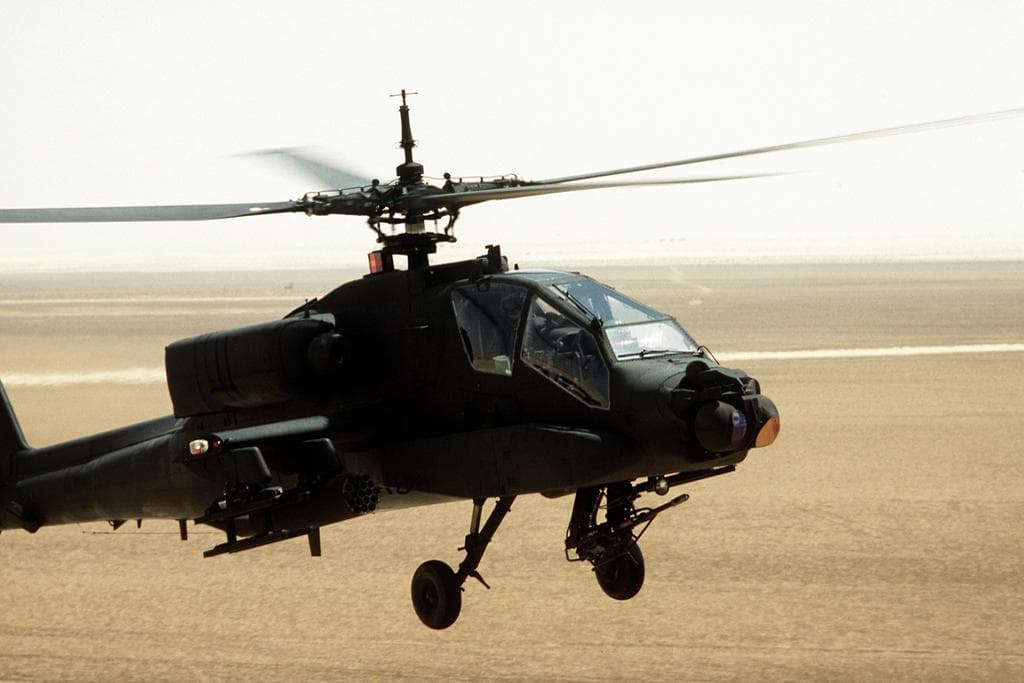
Hormuz Escalation: US-Iran Ceasefire and Shipping-Security Questions
Fresh U.S. strikes after an Apache helicopter incident have turned the Strait of Hormuz from a military flashpoint into the place where diplomacy, shipping security, and escalation control collide.
The U.S.-Iran Deal Now Has a Text. The Harder Part Is Getting Two Capitals to Own It.
Pakistan says Washington and Tehran have agreed on the wording of a June 13, 2026 peace deal, but the real test has shifted to final approval, Hormuz enforcement and whether the region is being asked to live with a settlement neither side has fully owned in public.

Lula Wins PT Nomination for Brazil's 2026 Election With Alckmin as Running Mate
Brazil's Workers' Party formally selected Lula and Geraldo Alckmin for the 2026 presidential election. Candidate registration is due August 15.