European June Heat Wave: Attribution Findings and Public-System Pressures
A rapid attribution study released on Friday, June 26, 2026, argues that fossil-fuel warming made Europe's latest June heat wave far hotter than it would have been otherwise. That turns this week's temperature spike into something larger than a bad forecast: a test of whether health systems, infrastructure and public warnings can adapt faster than the baseline climate is changing.
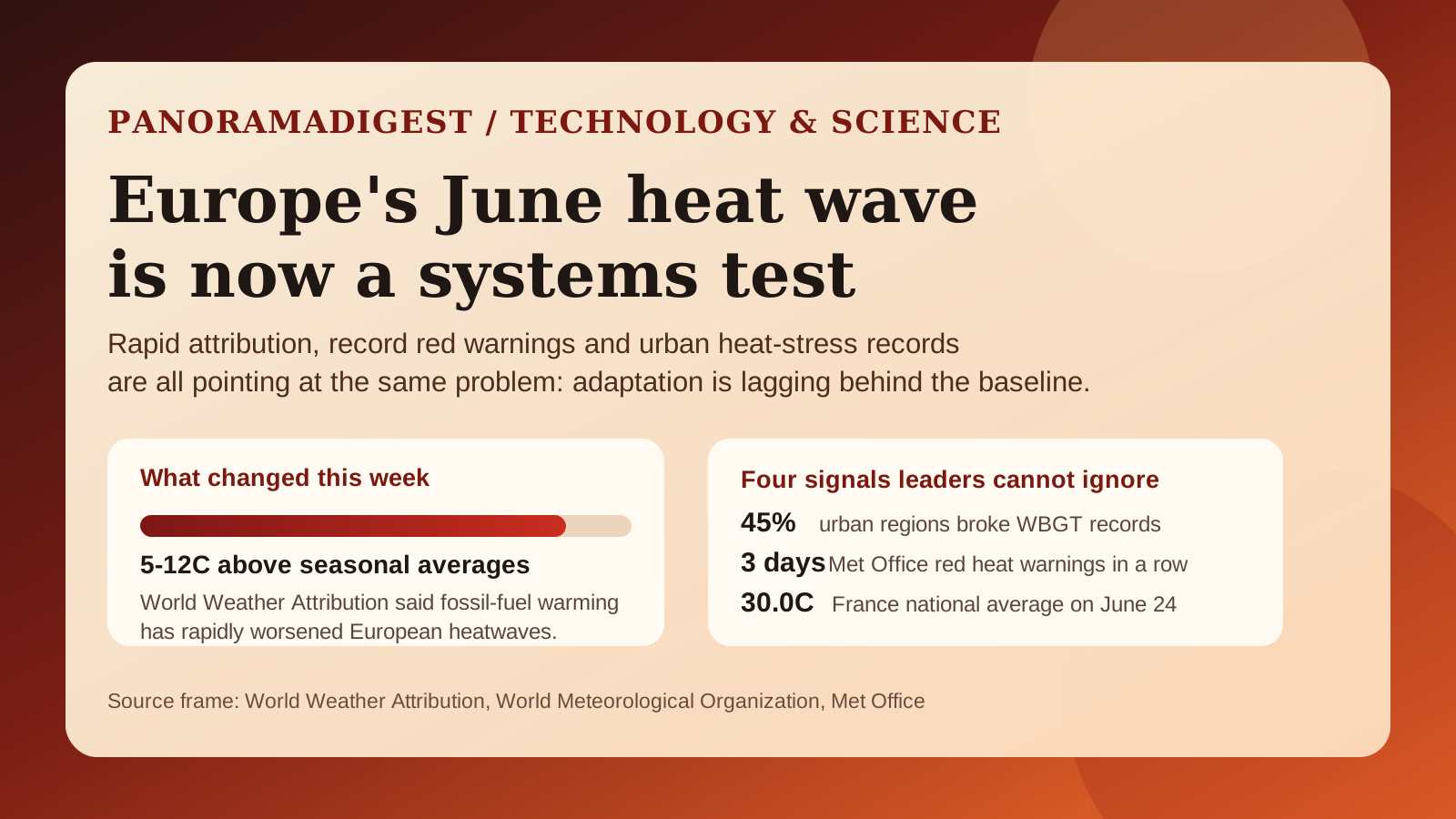
Europe does not usually have to wait long anymore for the harder question after a heat emergency. The first question is how hot it got. The second is whether this was simply bad luck layered onto summer, or whether the baseline has shifted so far that public systems are now playing catch-up. A rapid attribution analysis published on Friday, June 26, 2026, by World Weather Attribution makes that second question much harder to dodge. Its headline finding is stark: fossil-fuel warming has rapidly intensified European heat waves in just a few decades, making this June event not just dangerous but meaningfully more severe than it would have been in a cooler climate.
Met Office — A historic week of heat - 26/06/2026 - Weather Studio Live Met Office Forecast
The Met Office's June 26 live forecast explains the warning backdrop to Europe's heat emergency; use the direct YouTube link in the article if the player is blocked.
That matters because Europe was already struggling before the attribution work landed. The World Meteorological Organization said records were falling as extreme heat gripped the continent, with France recording a national average temperature of 30.0 degrees Celsius on Tuesday, June 24, 2026, and temperatures reaching 43.8C in Pulluau. The WMO also pointed to broad knock-on effects across health systems, infrastructure, agriculture and ecosystems. In the United Kingdom, the Met Office issued a red warning for extreme heat for a record third consecutive day, noting that the current warning system had never before carried red heat alerts on three straight days.
What the attribution study changes
The World Weather Attribution study describes a June heat wave that pushed temperatures 5 to 12 degrees Celsius above seasonal averages across parts of France, Germany, Italy, Spain and southern England. Its central argument is not that climate change created heat from nothing. It is that human-caused warming loaded the dice so heavily that the heat Europe experienced this week arrived hotter, earlier and with broader urban stress than recent generations would have expected. The study says a record was broken in roughly 45% of the analyzed urban regions for wet-bulb globe temperature, a measure that better captures human heat stress than ordinary air temperature alone.
That is the point where attribution science stops being academic cleanup after the fact. If nearly half of the urban regions in the study area are breaking heat-stress records in late June, then the calendar itself is part of the warning. Europe is not merely having another rough summer week. It is seeing conditions that are arriving before the traditional peak of summer and pushing institutions into emergency mode anyway.
| Signal | What sources said | Why it changes the story |
|---|---|---|
| Climate attribution | World Weather Attribution said fossil-fuel emissions have rapidly worsened European heat waves in just a few decades. | The event is not just extreme weather. It is evidence that the baseline risk is shifting faster than many public systems are built to handle. |
| Urban heat stress | The attribution study said wet-bulb globe temperature records were broken in about 45% of the analyzed urban regions. | That reframes the emergency around human exposure, not only meteorological records. |
| Operational warnings | The Met Office issued a red heat warning for a record third consecutive day in the UK warning system. | Even highly developed warning systems are operating in combinations they were not designed to use routinely. |
| Continental spillover | WMO said the heat wave was affecting health, infrastructure, agriculture and ecosystems, while France logged a record 30.0C national average on June 24. | The crisis is spreading across sectors at once, which makes adaptation a systems problem rather than a forecast problem. |
Europe's real weakness is not forecasting. It is endurance.
European weather agencies did not miss this event. Warnings went out. The harder issue is what happens after accurate forecasting. A continent can have good meteorology and still discover that schools close too late, hospitals surge too fast, rail systems buckle under heat stress, power demand rises into awkward territory and local governments still treat June extremes as unusual rather than increasingly normal. That is what makes this a systems story.
PanoramaDigest's earlier look at France's red-alert heat wave argued that the danger was shifting from spectacle to endurance. Friday's attribution study sharpens that point. If the event is being measurably worsened by long-term warming, endurance is no longer a backup concern. It is the central policy problem. Heat plans that work for a once-in-a-decade spike will not be enough if the probability curve is being bent upward.
Why the timing matters as much as the temperature
The most unsettling detail in the new research may be the timing. June is not historically the hottest month in Western Europe, yet this wave was already shattering June and even annual records. That stretches the season during which cities, health services and families have to stay alert. It also raises the economic cost of adaptation. A longer severe-heat window means more cooling demand, more worker exposure, more pressure on transport assets and more days when public health systems have to treat weather as a capacity issue rather than a background condition.
The temptation is to flatten all of this into a climate-politics argument. That misses the immediate civic reality. Even readers who agree about the science still need to know whether cooling centers are open, whether trains can run safely, whether schools can operate, whether hospitals can absorb demand and whether public warnings reach older adults, outdoor workers and low-income households early enough to matter. Attribution science helps because it turns the old excuse of uncertainty into a weaker defense. The event may be complex, but the direction of risk is not.
- Early operational alerts: national agencies warned that dangerous heat was spreading across multiple countries before the end of June.
- Records start falling: WMO said France set a national average temperature record on June 24, 2026, while extreme heat rippled into infrastructure and health systems.
- Warning systems strain: the Met Office issued a red heat warning for a third straight day, an unprecedented run under the current UK system.
- Attribution lands: World Weather Attribution published its June 26 analysis, arguing fossil-fuel warming had already made this kind of European heat wave significantly worse.
What to watch next
Three questions matter more than the next dramatic temperature screenshot. First, whether governments treat this as proof that existing heat plans must be expanded rather than merely activated. Second, whether utilities, hospitals and rail operators disclose how much strain they actually absorbed this week. Third, whether attribution findings like this one begin to change building codes, work rules and public-health thresholds instead of living only in post-event reports.
- Watch the warning systems: repeated red alerts are a signal that rare-protocol weather is becoming less rare.
- Watch urban exposure: wet-bulb globe temperature records matter because they track what heat does to people, not just what thermometers display in shade.
- Watch policy lag: the science is now moving faster than many heat-adaptation decisions do.
Watch the official forecast: if the player below does not load in your browser, use the direct Met Office Weather Studio Live forecast for June 26, 2026. Readers who want the clearest scientific case should keep both the World Weather Attribution analysis and the WMO heat-emergency briefing open.
Europe's late-June heat wave should not be read as one more brutal week that happened to show up early. The more accurate reading is harsher. The science is catching up to the lived reality fast enough to say this out loud: the continent is no longer dealing only with hotter days. It is dealing with a climate baseline that is outpacing the speed of adaptation, and that turns every future heat warning into a test of public endurance, not just meteorological accuracy.
Read Next
Related Stories

Kilauea Episode 55: End Time, Alert Downgrade and Remaining Hazards
Episode 55 stopped at 9:03 a.m. HST on October 17. A checked timeline separates the fountains, the later alert downgrade and hazards that remain.
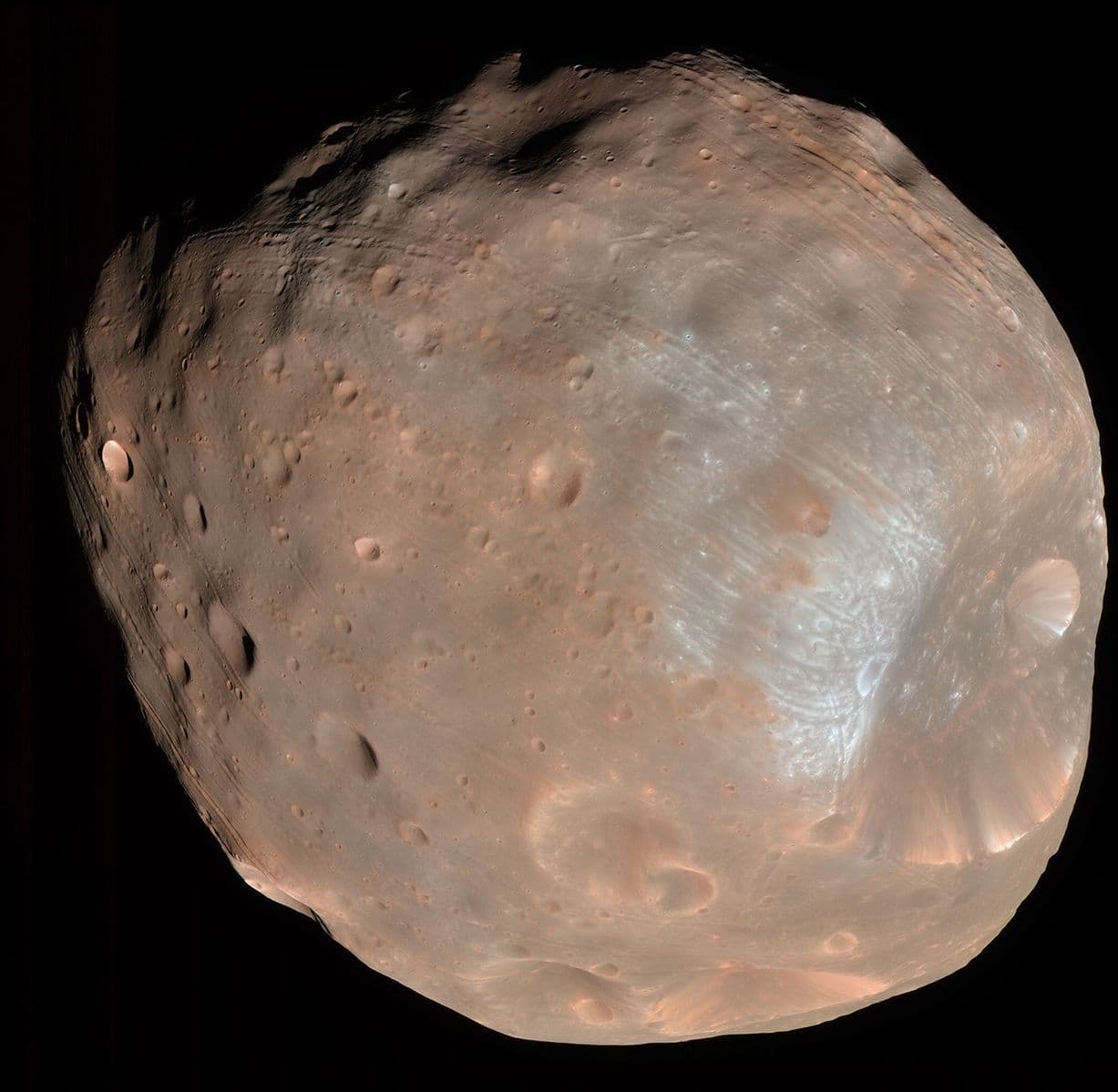
MMX Launch Date and Time: Japan's Phobos Sample-Return Timeline
Japan's MMX mission targets October 20 in Japan, October 19 in Europe and America. A time-zone guide and mission timeline explain the Phobos sample-return plan.

NASA's Commercial Space Station RFP: December 8 Deadline and the ISS Transition
NASA has opened its final competition for commercial space stations. A dated milestone guide separates the bidding deadline from contract awards, crew certification and the ISS retirement decision.