SpaceX Didn't Just Buy Cursor. It Bought a Faster Path to Working Developers.
SpaceX's June 16, 2026 move from a $60 billion Cursor option to a signed merger agreement was not really about code completion. It was about buying distribution to working developers, enterprise revenue, and a shorter route into the part of AI where people pay to stay productive.
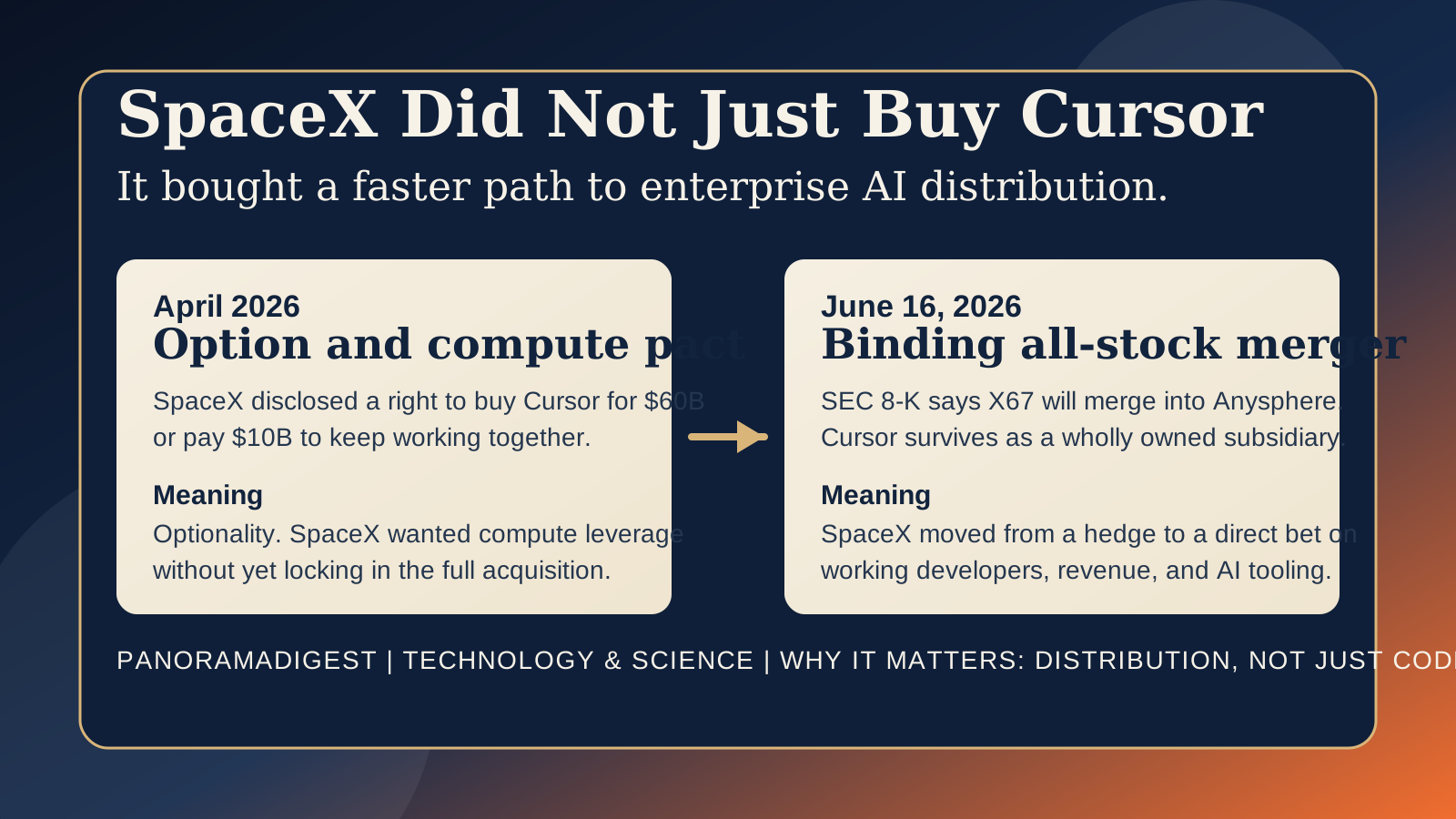
On June 16, 2026, SpaceX disclosed in an SEC Form 8-K that it had signed an Agreement and Plan of Merger with X67 Inc. and Anysphere, the company behind Cursor. The filing is the clean factual core of the story: Cursor is set to survive as a wholly owned SpaceX subsidiary, its shareholders will be paid in SpaceX Class A stock at an implied equity value of $60 billion, and the closing target is the third quarter of 2026, subject to regulatory approvals. That is the headline. The more interesting point is what SpaceX chose to buy.
AP's same-day report framed the acquisition as part of a competitive race against Anthropic and OpenAI. Reuters' June 16 reporting, available in syndication through Yahoo Finance, added the sharper commercial detail: Cursor had roughly $2.6 billion in annualized business-to-business revenue and had become one of the fastest-growing software companies in the market. Put those together and the logic gets clearer. SpaceX did not spend $60 billion because it suddenly needed autocomplete. It spent that much because Cursor already had what xAI still wanted: daily workflow credibility with developers who actually ship code.
June turned April's option into a commitment
This is what changed. In April, SpaceX had already disclosed a structure under which it could either acquire Cursor at a $60 billion valuation or pay $10 billion to keep building together. That arrangement appeared in SpaceX's IPO materials and in contemporaneous reporting, including TechCrunch's April 21 coverage of the partnership. At that stage, SpaceX was buying optionality. The June 16 filing is different because it removes the strategic maybe. It converts a hedge into a binding corporate decision.
| Stage | What SpaceX had | What changed | Why it matters |
|---|---|---|---|
| April 2026 | An option to acquire Cursor for $60 billion or pay $10 billion to keep working together | Partnership logic stayed flexible | SpaceX could test whether Cursor's product and enterprise reach were worth full integration. |
| June 16, 2026 | A signed merger agreement filed with the SEC | Cursor is slated to become a wholly owned subsidiary through X67 | SpaceX is no longer renting access to the coding market. It is trying to own a meaningful piece of it. |
| Expected closing in Q3 2026 | All-stock consideration tied to a seven-day volume-weighted average of SpaceX shares | The final exchange value depends partly on recent trading in the newly public stock | The market now becomes part of the merger math, not just the reaction theater around it. |
The most important line in the filing is not the valuation
The $60 billion number is large enough to pull every headline toward itself, but the more revealing line is the exchange formula. The 8-K says Cursor shareholders will receive SpaceX stock priced from the volume-weighted average closing price over the seven trading days immediately preceding the merger close. That matters because it tells readers this is not being sold as a cash-rich trophy purchase. It is being structured as a share-based integration bet at the exact moment SpaceX is still being repriced by public markets after its listing.
That structure also says something about confidence and risk. If SpaceX believed Cursor was mostly a quick acqui-hire, it would not need this kind of high-visibility stock-for-stock framing. The company is signaling that it wants Cursor inside the platform long enough for its developer distribution and revenue base to matter. That makes this feel less like a side bet and more like an attempt to change what the post-IPO SpaceX story is allowed to be.
Why Cursor matters more than another AI model headline
The AI market is saturated with model announcements, benchmark arguments, and vague promises about general capability. Cursor sits in a different lane. It is a working tool, used inside the part of software production where developers decide what becomes habit, what becomes budget, and what gets recommended across teams. AP noted that Cursor competes with tools tied to Anthropic and OpenAI while also depending on partnerships with those larger model providers. That is precisely why the acquisition is strategically sharp. Cursor is not just another model wrapper. It is a distribution surface where model quality, workflow trust, and enterprise spend meet each other every day.
That puts the deal in the same wider argument PanoramaDigest made in its June 14 analysis of the OpenAI multistate probe: the next AI contest is not only about raw capability. It is about who controls the channels through which capability becomes durable business behavior. OpenAI has ChatGPT and Codex. Anthropic has Claude's strong position with many developers. Cursor gave SpaceX a shortcut into that fight without waiting for Grok alone to earn the same trust from scratch.
What SpaceX may really be buying
There are at least three assets here. First is enterprise revenue, which Reuters reported had already reached a scale that makes Cursor more than an interesting startup. Second is distribution to expert users, a phrase SpaceX itself has emphasized before when explaining why Cursor mattered. Third is product legitimacy in coding, one of the few AI categories where users can tell quickly whether a tool is helping or hallucinating. Buying all three at once is expensive, but building all three from scratch can be slower and riskier if rivals already occupy the default workflow.
That does not mean the deal is automatically clean. Cursor's appeal has partly come from being a flexible front end that could lean on multiple model ecosystems rather than being locked into one corporate parent. Integration with SpaceX and xAI could deepen its compute and product resources while also making some customers ask whether independence is about to narrow. That tension is not a footnote. It is one of the central things to watch after the merger closes.
- Regulatory timing: the 8-K says the merger still depends on approvals and other closing conditions.
- Customer reaction: enterprise developers may welcome deeper compute resources or worry about tighter ecosystem control.
- Product direction: the real test is whether Cursor stays useful across workflows or is reshaped mainly to serve xAI's competitive priorities.
- Market math: because the consideration is stock-based, SpaceX's trading after its IPO still affects the practical value of the deal.
The broader signal
The acquisition makes more sense if you stop thinking about rockets for a moment and think about ownership of the modern work surface. SpaceX already had brand power, compute ambition, and public-market attention. Cursor adds an installed relationship with the developers and teams deciding which AI tools deserve daily trust. That is why the deal matters beyond the spectacle of its price tag. It suggests the real AI premium is moving toward workflow capture: not who can merely generate code, but who can become the environment in which code work naturally happens.
That is a more defensible long-term story than another round of model chest-thumping. And it is probably why SpaceX stopped treating Cursor as an option and started treating it as infrastructure.
Read Next
Related Stories
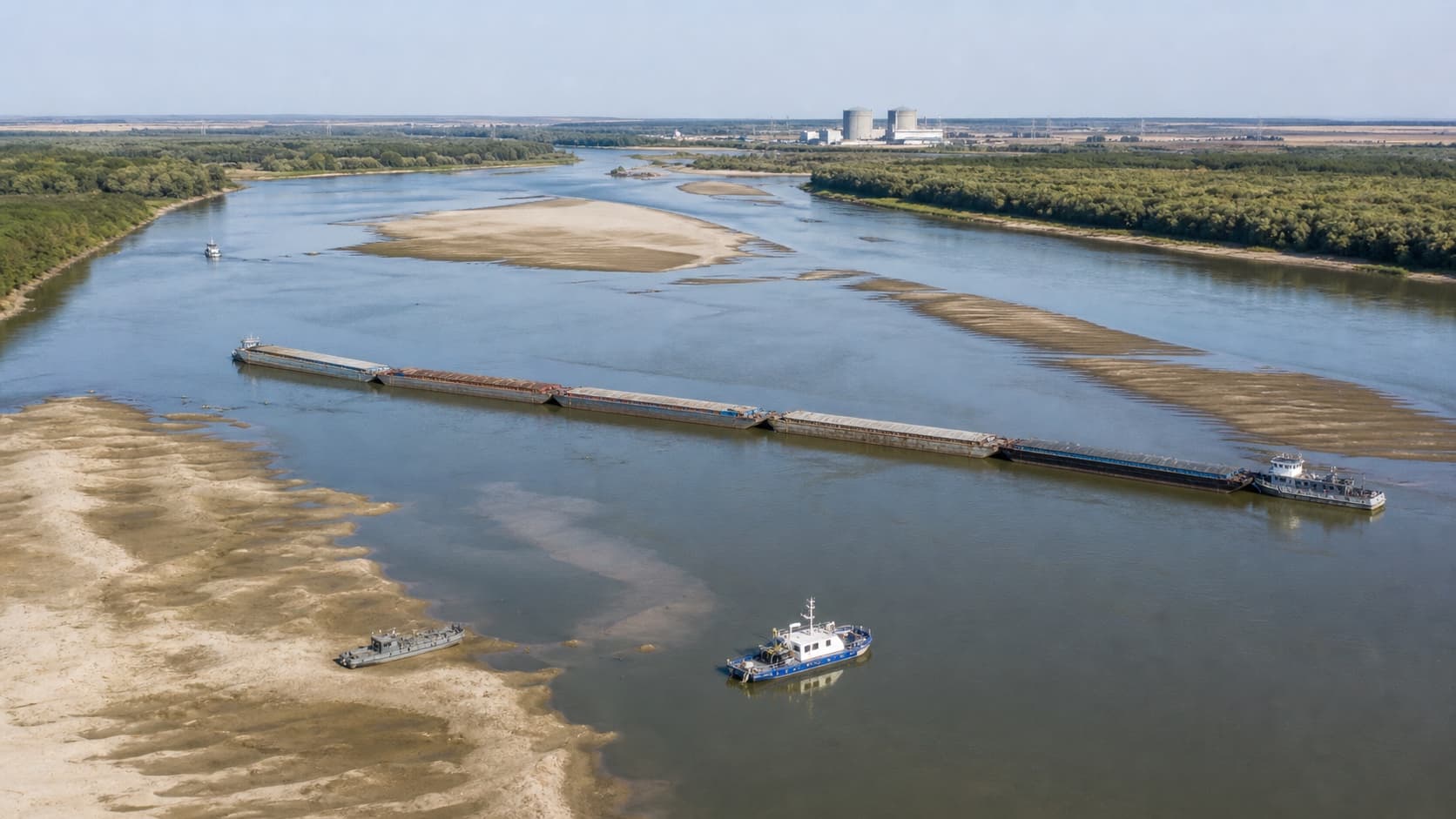
Romania Funds 7 Million Lei Danube Barge Plan to Keep Cernavoda Unit 2 Online
Romania approved a 7 million lei temporary barge intervention at the Bala-Dunarea Veche split to preserve the Danube flow needed by Cernavoda Unit 2.
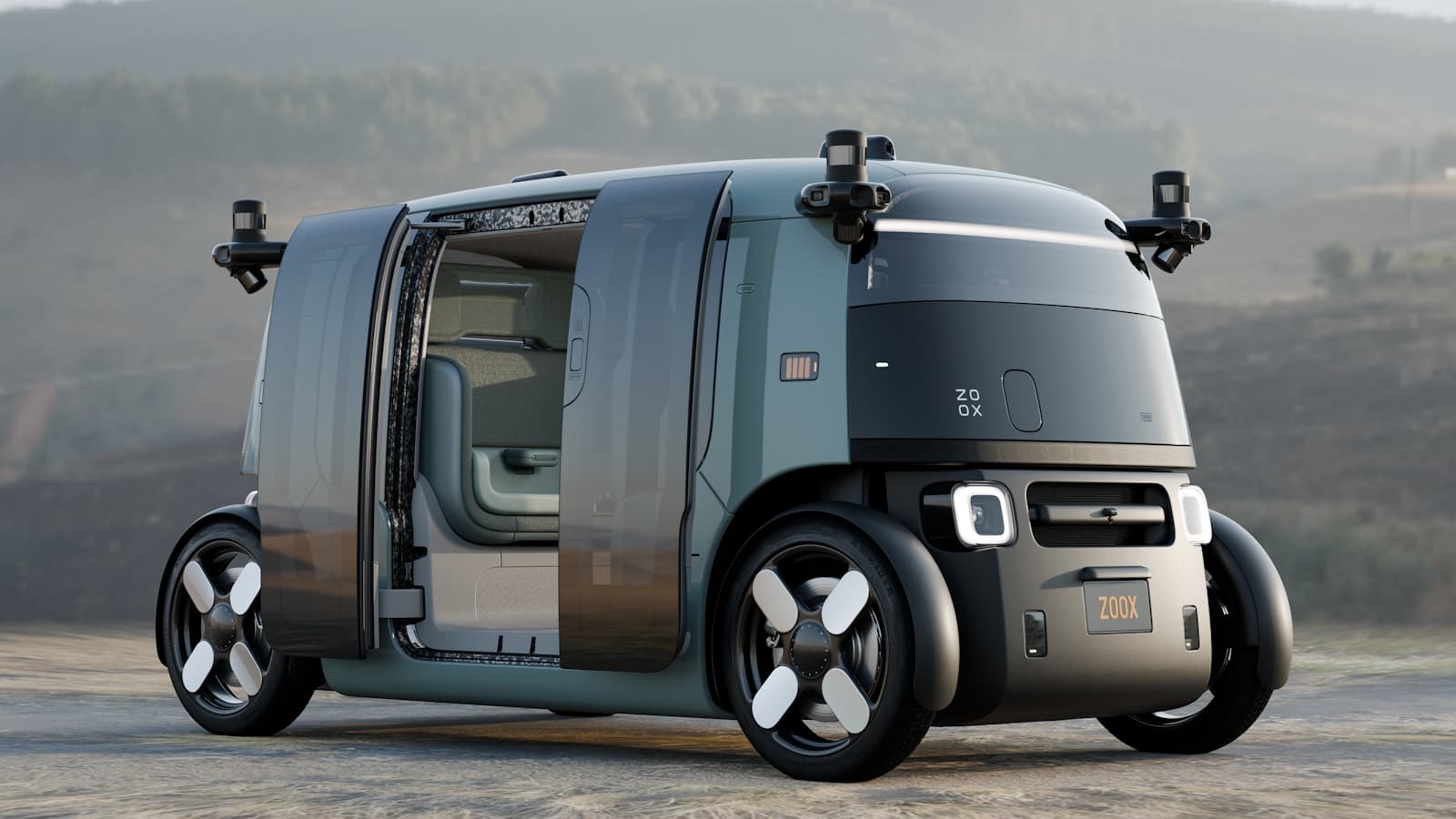
Zoox Wins Federal Approval for Paid Robotaxis, but State Permits Still Control Launches
NHTSA cleared Zoox's steering-wheel-free robotaxi for a limited paid-service path, but state and local permits still determine where fares can begin.

Kenya Footprints Show Eight Large Hominins Moving Together 1.43 Million Years Ago
A PNAS study describes tracks from eight large hominins at Kenya's Koobi Fora, while leaving open whether they were Paranthropus boisei or Homo erectus.