Britain and Japan's New Tech Pact Is Really a Supply-Chain Bet on Who Gets to Build AI
The UK-Japan frontier technology package signed around Prime Minister Sanae Takaichi's London visit on June 14, 2026, is not mainly about diplomatic atmosphere. It is an attempt to connect British research and software strength to Japanese manufacturing, capital and chip capacity before AI supply chains harden around a smaller club.
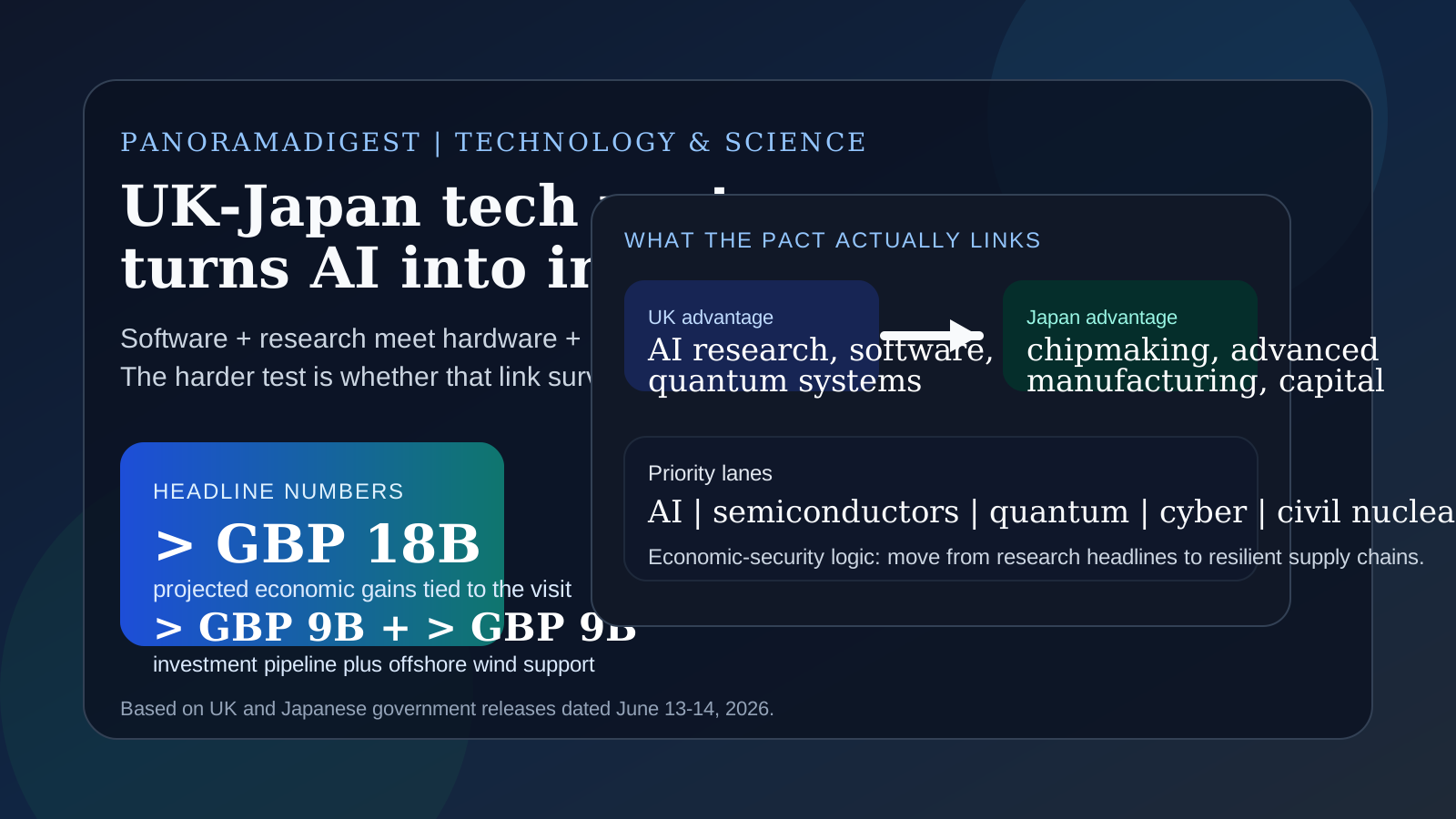
The phrase that deserves the most attention in the new UK-Japan technology package is not the one about friendship. It is the line saying the two countries want to be AI makers, not just AI takers. That is the real argument inside the documents released around Prime Minister Sanae Takaichi's London visit on Sunday, June 14, 2026. Britain and Japan are trying to turn a familiar diplomatic relationship into something more industrial: a system that links British software and research depth to Japanese manufacturing, investment capacity and semiconductor muscle before the next layer of the AI economy gets locked in elsewhere.
Video Link
Official summary of the UK-Japan economic security and frontier technology package
This provider does not render reliably inside PanoramaDigest. Open it directly on MOFA Japan / X.
Watch on MOFA Japan / XMOFA Japan / X — Official summary of the UK-Japan economic security and frontier technology package
Japan's foreign ministry summarized the partnership and economic-security declaration in a public post. Use the direct X link in the story if the card does not render.
The UK government's frontier technology partnership text says the two sides will deepen cooperation across AI, quantum, cyber, advanced connectivity, civil nuclear, biological security, dual-use technology and space. The public case from London is blunt. A companion Downing Street release says the visit is tied to more than GBP 18 billion in projected economic gains, a Japanese five-year investment pipeline worth more than GBP 9 billion, and up to GBP 9 billion more linked to offshore wind. Japan's own PDF version of the frontier partnership mirrors the same technology priorities, while the Japan-UK economic security declaration frames critical minerals, investment screening, supply-chain resilience and technology control as part of the same strategy rather than separate files.
That matters because the partnership is not only about inventing things faster. It is about deciding where the next bottleneck sits. PanoramaDigest made a related point in its June 11 analysis of Oracle's AI build-out warning: the AI race is no longer just a model race. It is a power, compute, capital and supply-chain race. Britain and Japan appear to have read the same map.
The headline numbers sound large because the vulnerability is large
Governments love announcing big numbers, and readers should treat them carefully. The Downing Street release does not describe GBP 18 billion as cash arriving tomorrow. It describes a bundle of projected economic gains around investment and commercial agreements. It also separates a more than GBP 9 billion five-year investment pipeline from up to GBP 9 billion in offshore-wind investment support. That distinction matters. A pipeline is not the same thing as deployed capital, and projected gains are not the same thing as booked output.
Still, dismissing the figures as political varnish would miss the point. The state of the relationship is revealing precisely because both governments think they need to advertise scale. They are responding to a world in which advanced chips, AI infrastructure, critical minerals, defence-adjacent software, grid hardware and industrial financing no longer sit in separate policy drawers. The economic security declaration says this directly when it links trade, investment screening, critical-mineral cooperation and technology control to the same resilience agenda.
| What was announced | What it means on paper | What readers should watch next |
|---|---|---|
| Frontier technology partnership | A formal UK-Japan cooperation lane spanning AI, quantum, cyber, semiconductors, 6G, space and nuclear fields. | Whether this produces joint projects, procurement paths and research-to-manufacturing handoffs rather than workshops and speeches. |
| More than GBP 9 billion Japanese investment pipeline | Longer-run commitments across infrastructure, property, finance and related sectors. | How much of the pipeline clears from ambition to funded projects and job creation. |
| Up to GBP 9 billion tied to offshore wind | A clean-energy industrial link, not just a climate flourish. | Whether energy-security goals and grid expansion move fast enough to support the wider tech story. |
| Economic security declaration | A shared framework for screening, supply chains, critical minerals and technology protection. | How aggressively London and Tokyo coordinate when export controls or coercive trade pressure hit. |
The most interesting sentence is about being AI makers
The official frontier text says Britain and Japan want to be AI makers and not merely AI takers. That is both aspiration and diagnosis. It implies that both governments think the next decisive question in AI is no longer who can write a clever paper. It is who can secure chips, evaluate models, finance compute, align standards, and build enough trusted industrial capacity to avoid being price-takers in someone else's ecosystem.
Britain's contribution to that equation is easier to romanticize than to scale. The country has credible research institutions, a meaningful AI startup scene, and policy ambitions that often outrun its industrial base. Japan brings a different set of strengths: manufacturing systems, patient capital, hardware depth and state-backed industrial coordination. The partnership is strongest where those strengths genuinely meet, especially in semiconductors, AI evaluation, quantum integration and energy-intensive infrastructure. It is weakest where governments confuse complementary advantages with automatic execution.
The official material gives a concrete example. Downing Street says the partnership creates a formal link between the UK Semiconductor Centre and Rapidus, the Japanese advanced-chip manufacturing project. That is potentially more important than the diplomatic prose around it, because it hints at a route from British design or research capability into actual fabrication relationships. In the AI era, that route matters more than another summit declaration about innovation values.
- 2023-2025: London and Tokyo layered semiconductor, digital and economic-security agreements on top of a longer science relationship.
- January 2026: The two prime ministers publicly signaled they wanted a frontier-technology track, not only a general trade relationship.
- June 14, 2026: The partnership and economic-security declaration put AI, chips, critical minerals and dual-use technology into one shared framework.
- What comes next: The real test is whether those lanes generate investment, manufacturing access, joint standards work and durable supply-chain resilience before geopolitical stress does it for them.
Energy security is not a side note here
One reason the package looks broader than a conventional tech agreement is that the two governments do not think compute can be separated from energy anymore. The economic-security declaration explicitly ties current Middle East instability to energy trade flows and supply-chain resilience. The Downing Street release pairs frontier technology with offshore wind, grid expansion, nuclear collaboration and fusion research. That is not clutter. It reflects the new arithmetic of AI and advanced manufacturing: if you want more secure compute, you need more secure power, transmission, industrial siting and equipment supply.
This is where the story stops being a niche foreign-policy item. The same agreement that talks about AI evaluation and semiconductors also talks about floating offshore wind, grid jobs and decommissioning nuclear sites more efficiently. The through-line is not rhetorical innovation. It is state capacity. Countries that cannot move electrons, protect industrial know-how and finance long-cycle infrastructure will not stay in the first tier of advanced technology simply because they host good conferences.
The deal is smart on diagnosis. It still has to prove it can execute.
The strongest part of the UK-Japan package is its diagnosis of the problem. It treats AI, semiconductors, critical minerals, research security, clean energy and dual-use technology as one connected field. That is more realistic than the old habit of separating innovation policy from trade policy and both from national security. The risk is that governments often become most eloquent precisely when implementation is hardest.
Readers should watch for three practical signals. First, do British firms actually gain durable access to Japanese manufacturing pathways and procurement relationships, or only ceremonial memoranda? Second, do Japanese investors and companies see Britain as a place where permitting, power and industrial policy are stable enough to justify deeper bets? Third, when export controls, critical-mineral pressure or allied technology disputes intensify, do London and Tokyo coordinate as partners or retreat to national improvisation?
The answer will determine whether this week's pact becomes a real supply-chain hedge or just a well-written warning that both governments understood the stakes and still moved too slowly.
Source card: If the official social card below does not render in your browser, use the direct link to MofaJapan_en's June 15 post summarizing the partnership and economic-security declaration.
Read Next
Related Stories
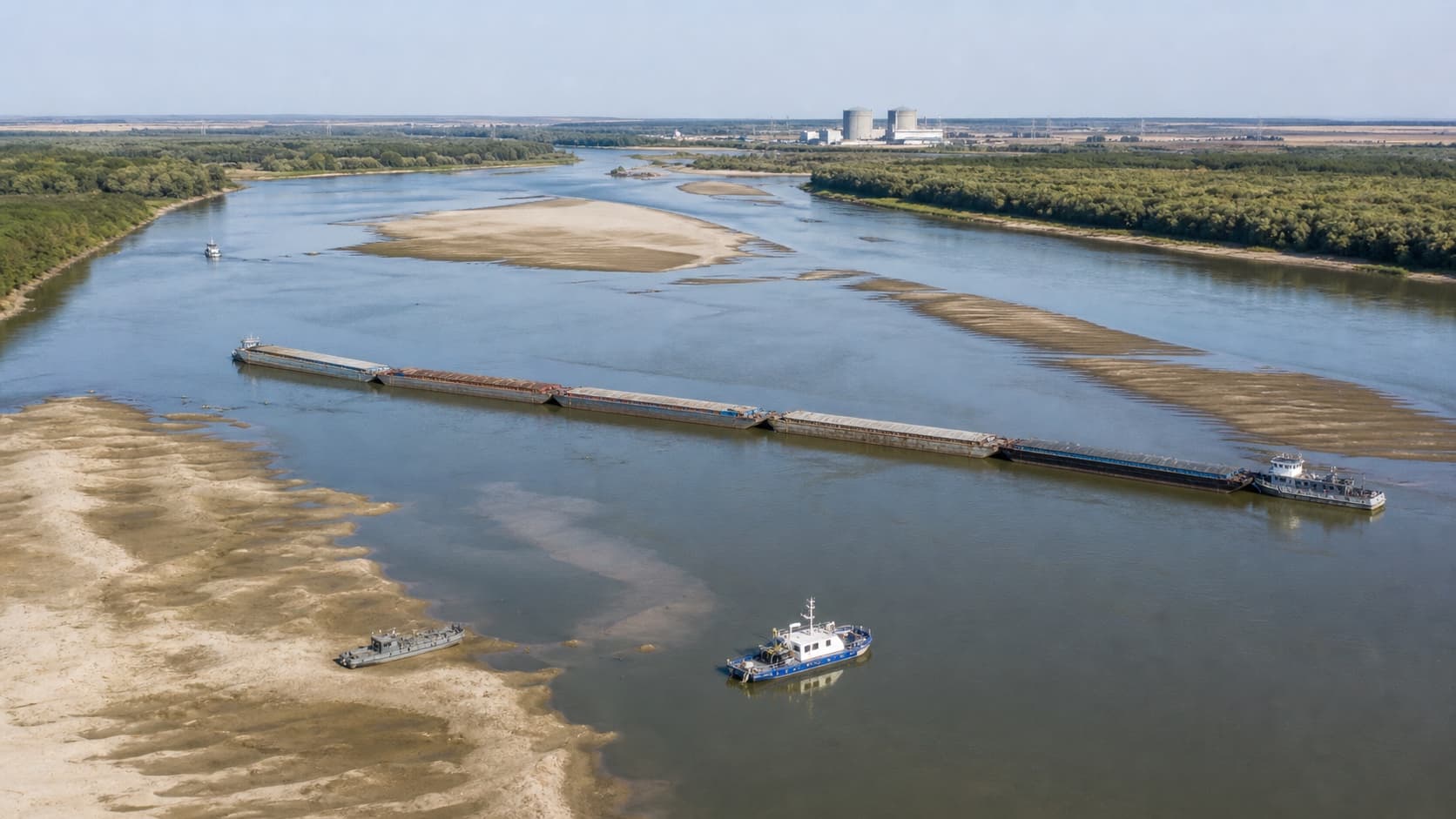
Romania Funds 7 Million Lei Danube Barge Plan to Keep Cernavoda Unit 2 Online
Romania approved a 7 million lei temporary barge intervention at the Bala-Dunarea Veche split to preserve the Danube flow needed by Cernavoda Unit 2.
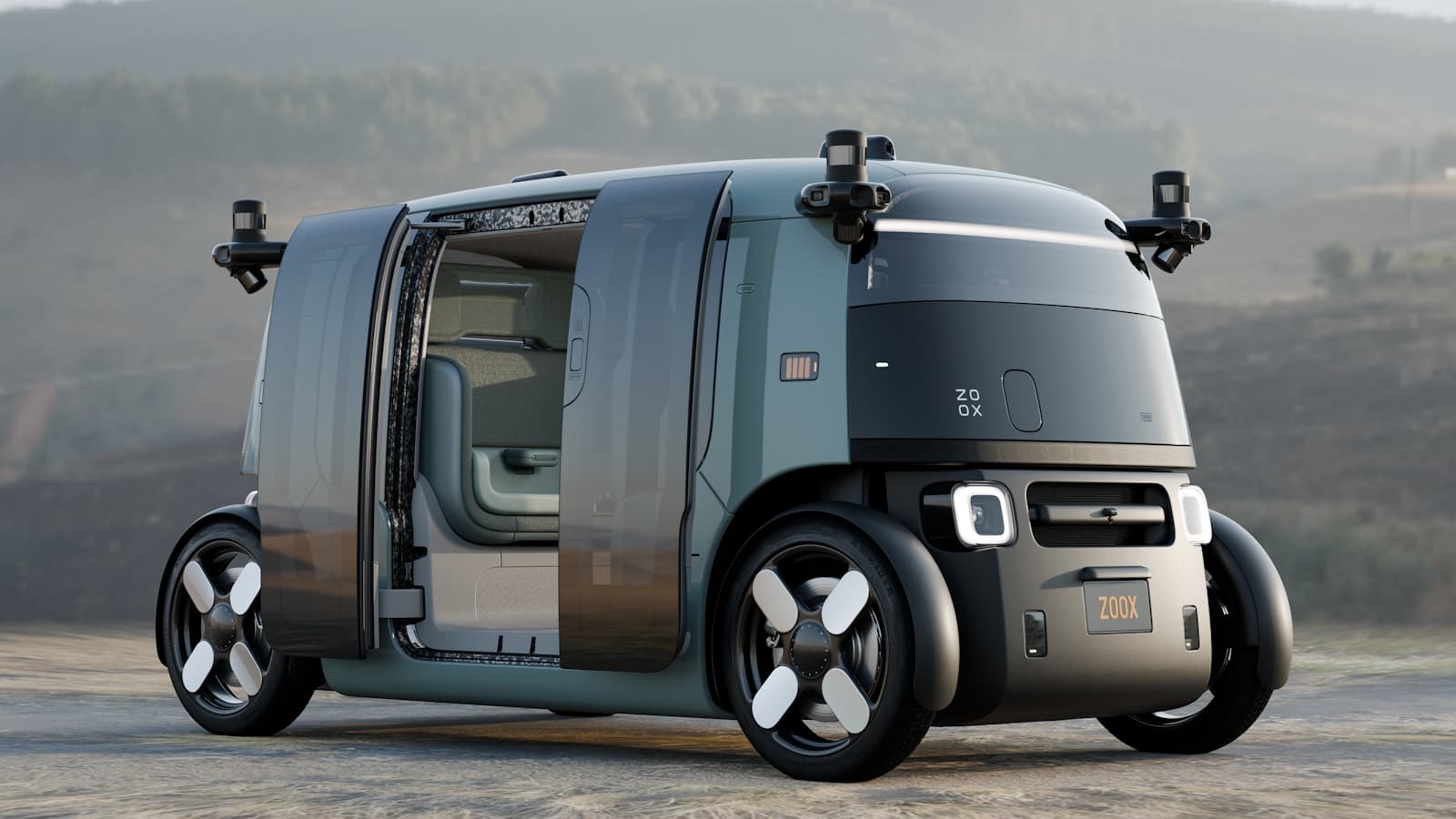
Zoox Wins Federal Approval for Paid Robotaxis, but State Permits Still Control Launches
NHTSA cleared Zoox's steering-wheel-free robotaxi for a limited paid-service path, but state and local permits still determine where fares can begin.

Kenya Footprints Show Eight Large Hominins Moving Together 1.43 Million Years Ago
A PNAS study describes tracks from eight large hominins at Kenya's Koobi Fora, while leaving open whether they were Paranthropus boisei or Homo erectus.