EU Farmers Get Fertiliser Relief as Input Costs Threaten Food Prices
The EU has adopted targeted measures to help farmers absorb higher fertiliser costs, but the package is a liquidity and supply response rather than an instant cut in grocery prices.
The European Union has adopted targeted measures to help farmers cope with sharply higher fertiliser costs, but the decision is not an immediate food-price cut. It is a supply-chain intervention: give farms more room to buy inputs, keep production from falling, and reduce Europe's exposure to imported fertiliser over time.
Euronews — EU's fertiliser rescue plan aims to prevent another farm uprising
Euronews provides related context on the EU fertiliser rescue plan. If the player fails, use the direct YouTube link.
The Council formally adopted the regulation on Monday, July 13, 2026, after the European Parliament approved the measures earlier in July. The package responds to a cost shock intensified by the Middle East crisis and the disruption around the Strait of Hormuz. The European Commission says overall nitrogen fertiliser prices in April 2026 were 71% above their 2024 average, while fertiliser costs represented 7% to 8% of total input costs across EU agriculture.
That makes the policy relevant beyond farm balance sheets. When farmers cannot absorb a higher input bill, they may reduce applications, plant less, or pass costs through later in the chain. The EU's own agriculture data says farmers often cannot immediately charge more for crops when fertiliser prices rise, so margins fall first and yields can suffer if inputs are cut.
The decision also extends PanoramaDigest's earlier analysis of how energy costs move through producer prices. Readers can follow the wider European Union policy hub and PanoramaDigest Business coverage for the next stages.
| Pressure point | Official evidence | Policy response |
|---|---|---|
| Fertiliser prices | Overall nitrogen fertiliser prices were 71% above the 2024 average in April 2026. | Member states receive additional tools to support affected farms and provide liquidity. |
| Farm input exposure | Fertiliser represents 7% to 8% of total EU agricultural input costs, with higher shares in some sectors. | CAP flexibility and earlier or higher advances can ease cash-flow pressure. |
| Import dependence | The EU imports about 30% of its nitrogen fertilisers, 70% of phosphatic fertilisers and 40% of potassium. | The action plan backs domestic production, diversified supply and circular alternatives. |
| Food-price risk | Farmers may use less fertiliser when costs rise, which can reduce yields and competitiveness. | The package aims to protect the next production cycle, not guarantee lower supermarket prices. |
The relief is mainly about timing
Farmers do not experience a fertiliser shock as a single annual bill. Purchases arrive before planting and during the growing cycle, while revenue arrives later and is exposed to weather, crop prices and contracts. A farm can be viable over a full season and still face a cash shortage at the moment it needs to buy nitrogen, phosphate or potassium.
That is why the policy emphasizes liquidity. The European Parliament said the proposed changes could let farmers receive support worth up to 80% of additional fertiliser costs, while member states could raise advances on direct payments from 70% to 75%. The Council's final adoption is the legal step that allows the regulation to move toward entry into force after publication in the Official Journal.
This does not mean every farmer receives the same payment or that the EU is reimbursing every price increase. Member states will implement the available tools within the framework, and eligibility will depend on national decisions and the affected farm's circumstances. The immediate objective is narrower: prevent a temporary input shock from forcing production decisions that become permanent later.
Why the Strait of Hormuz matters to European farms
Fertiliser is a global commodity even when a farm buys it locally. Nitrogen production depends heavily on natural gas, which the Commission says accounts for about 70% of production costs. The EU also relies on imports for key products and raw materials. A disruption in one region can therefore tighten competition for alternative cargoes, raise energy costs, and change the price a European farmer sees weeks later.
The Commission says the Middle East accounts for about 35% of global nitrogen fertiliser exports. Europe's direct import dependence on the region is smaller, but that does not make the bloc insulated. The market connects European buyers to global supply, shipping, gas and ammonia prices. That is the distinction between direct exposure and market exposure.
What changes beyond the emergency measure
The Commission's Fertiliser Action Plan, adopted on May 19, links short-term support to longer-term industrial policy. It calls for stronger domestic production, clearer market information, more diversified raw-material supply, and greater use of bio-based and circular fertilisers. It also proposes monitoring stocks and improving transparency so farmers and producers can see supply risks sooner.
That creates a policy trade-off. More domestic production may improve resilience, but conventional nitrogen fertiliser is energy-intensive and expensive to decarbonise. More circular and bio-based alternatives can reduce dependence on imported inputs, but they require standards, logistics, agronomic advice and enough reliable material to work at scale. The EU is therefore trying to solve both an immediate affordability problem and a structural energy-and-agriculture problem.
What to watch next
Three indicators will show whether the package is working. First, whether national governments make the liquidity tools available before farmers commit to the next production cycle. Second, whether fertiliser prices and import volumes stabilize rather than merely shifting the shock into another product or supplier. Third, whether crop yields and farm margins hold up without a broad retreat from nutrient applications.
The measure can reduce the chance that high fertiliser prices become a food-supply problem, but it cannot guarantee cheaper groceries on its own. The EU has bought farmers time. The harder economic task is using that time to build a less exposed fertiliser system.
Watch the policy context: Euronews' related explainer, EU's fertiliser rescue plan aims to prevent another farm uprising, provides video context. If the player does not load, use the direct YouTube link.
Read Next
Related Stories
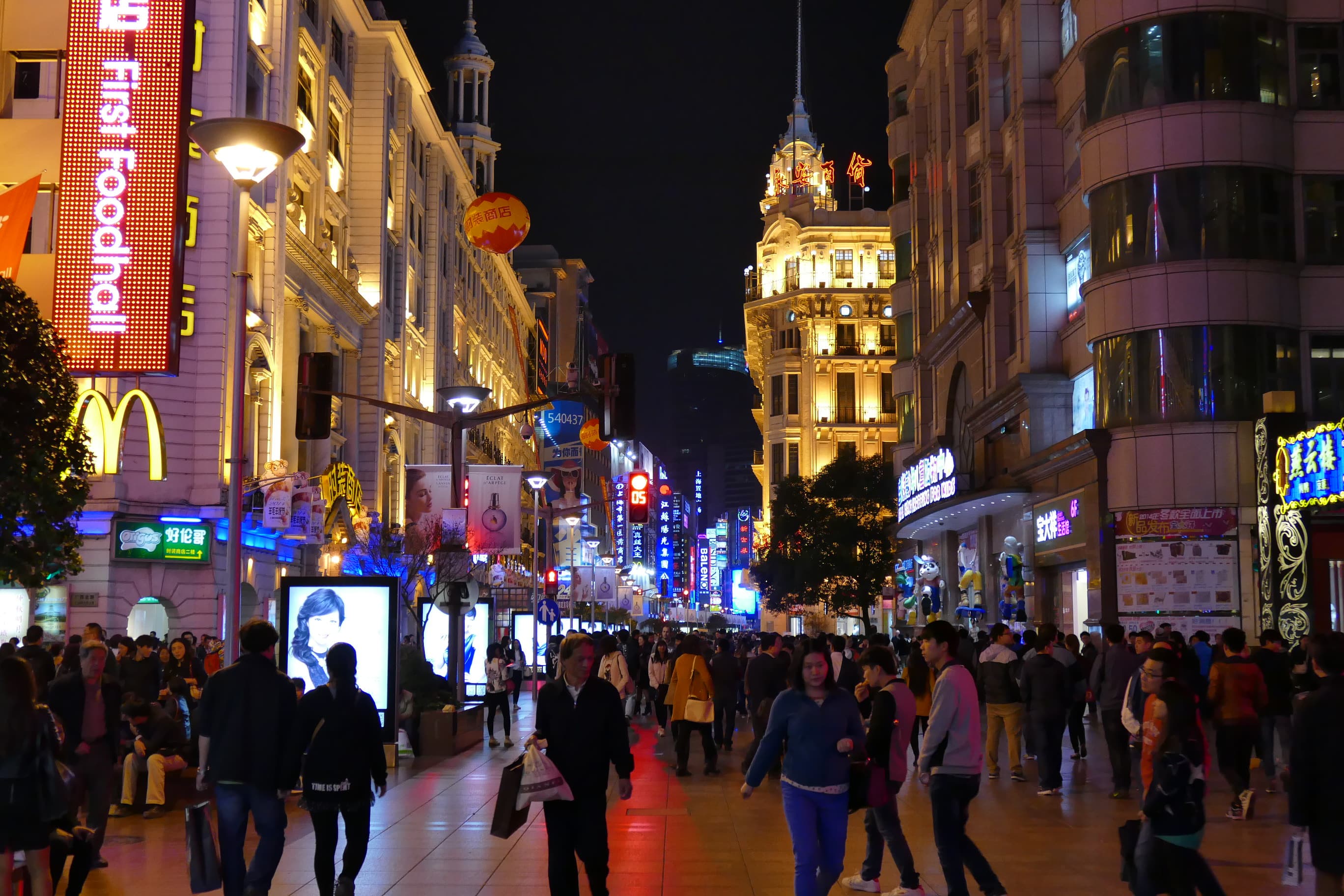
China Q3 GDP Growth Rebounds to 4.5%: Retail and Investment Still Lag
China's Q3 GDP rose 4.5%, but September retail sales and nine-month investment show an uneven recovery. A guide to the figures, periods and price bases.
2027 Social Security COLA: The 3.6% Increase in Dollars and Payment Dates
The 2027 Social Security COLA is 3.6%. Our worked examples separate the gross increase from the bank deposit, with the official calculation and payment timing.
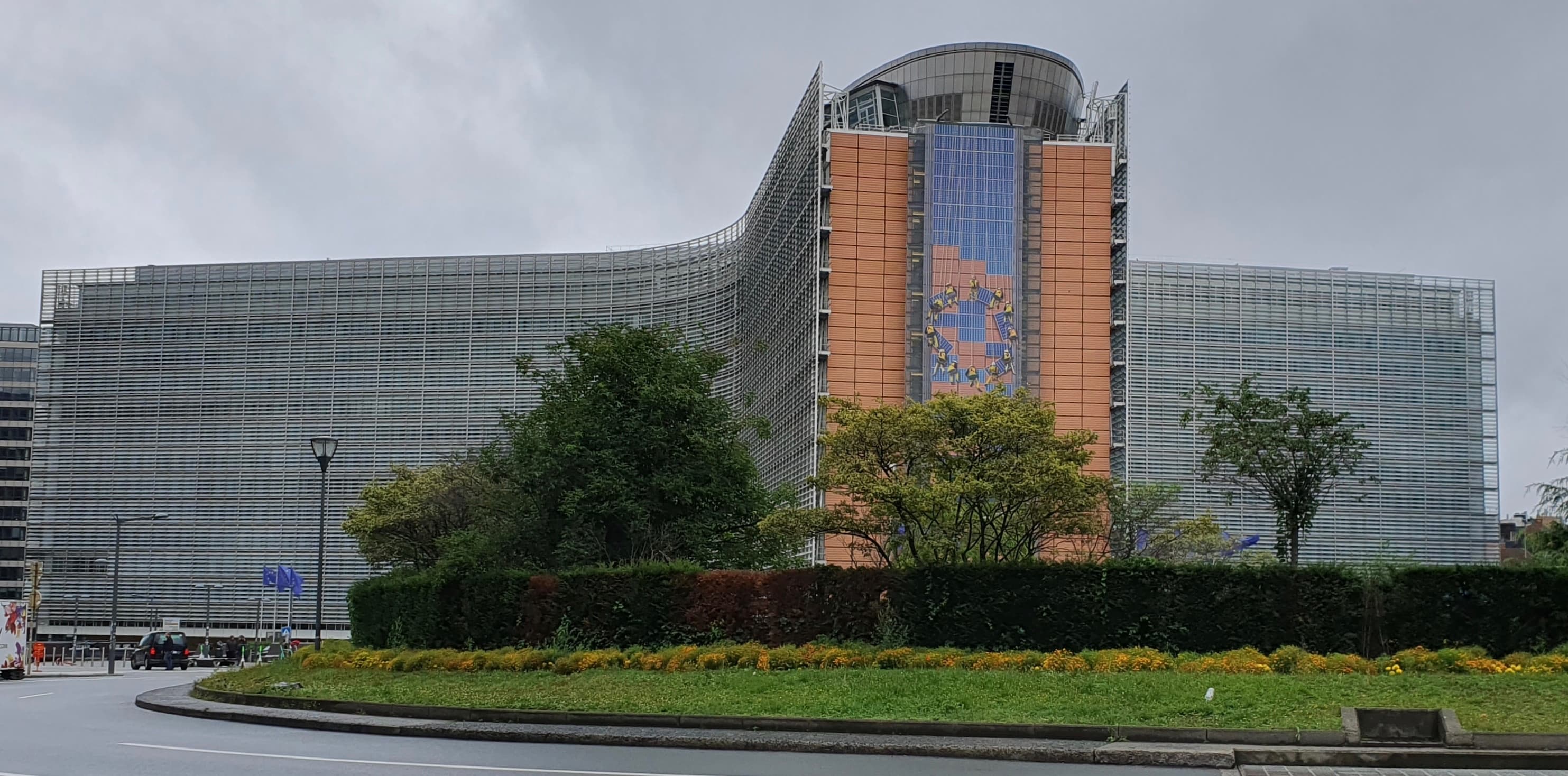
EU Greenwashing Rules Start September 27: How to Check Labels and Guarantees
A practical guide to the EU rules applying from September 27: environmental claims, certification labels, GARAN guarantees and the limits of old-stock flexibility.