David Hockney Dies at 88 With His London Show Still Teaching People How to Look
David Hockney died in London on June 11 at age 88, but the timing matters almost as much as the fact itself: his Serpentine North exhibition remains open through August, turning obituary coverage into a live argument for why his way of seeing never stopped feeling current.
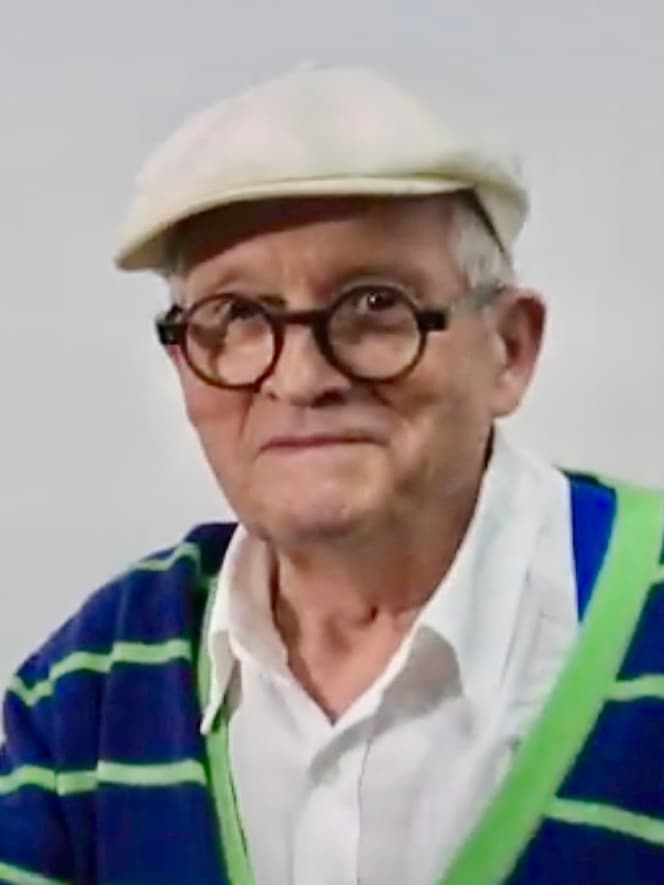
David Hockney died at his London home on Thursday, June 11, 2026, his publicist Erica Bolton said, closing one of the most influential careers in postwar art. He was 88. The bare fact is large enough on its own, and AP's report and The Guardian's obituary coverage make clear how many eras of modern culture his work crossed: Bradford austerity, swinging London, Los Angeles brightness, Yorkshire trees, Normandy panoramas and late-career iPad drawing. But the sharper cultural point on June 12 is that Hockney did not leave the public at a respectful historical distance. According to his official exhibitions page and Serpentine's exhibition listing, his major London show at Serpentine North remains open through August 23, 2026. That changes the emotional math. This is not only the week a giant artist died. It is also the week his audience can still walk into the room and test the work against the mourning.
Serpentine — Look with both eyes – David Hockney | Serpentine
Serpentine's official video introduces the London exhibition that remains open through August 23, 2026. If the player does not load, use the direct YouTube link.
Entertainment coverage often treats the death of a canonical artist as a cue to rehearse the greatest hits and leave it there. Hockney deserves the hits. His pool paintings became shorthand for California cool, his portraits changed how intimacy and surface could coexist, and his digital work proved that new tools did not have to flatten old sensibility. Yet the temptation to compress him into a brand has always undersold what made him durable. Hockney's real signature was not merely color. It was attention. He kept insisting that looking is an active discipline rather than a decorative habit, which is why even people who do not know the art-history syllabus tend to recognize the feeling his images produce. They make seeing look deliberate.
| Year | Career moment | Why it still matters |
|---|---|---|
| 1964 | Hockney moved to Los Angeles and began translating its hard light, pools and architecture into a new visual language. | He made California feel less like postcard fantasy and more like a modern stage set for desire, solitude and money. |
| 1972 | Portrait of an Artist (Pool with Two Figures) fixed the pool image at the center of his public legend. | The painting fused glamour, emotional tension and formal exactness in a way mass culture could remember. |
| 2000s-2020s | He returned repeatedly to landscape, photography experiments and digital drawing, refusing to become a museum fossil. | Late Hockney matters because it showed reinvention without self-erasure: new technology, same exacting eye. |
| 2026 | Serpentine mounted A Year in Normandie and Some Other Thoughts about Painting in London through August 23. | The exhibition leaves behind a rare situation in which the public can grieve and verify the legacy at the same time. |
The Serpentine exhibition now carries a second burden
Before June 12, the Serpentine show could be discussed as a major late-career statement and a generous public invitation. After June 12, it also becomes an accidental memorial, though that word does not quite fit Hockney's temperament. Memorial exhibitions can slip into dutiful reverence. Hockney's best work resists dutifulness. Even when he was working through perspective, memory or mortality, there was usually a streak of mischief in the arrangement, some reminder that looking closely is also a pleasure. Serpentine describes the show as A Year in Normandie and Some Other Thoughts about Painting, and the title is useful because it sounds less like a farewell tour than a continuing argument with the act of making pictures. That is the right frame now. The exhibition is not interesting because it has suddenly become elegiac. It is interesting because it proves how much present tense remained in the work.
His career kept refusing one tidy version of David Hockney
That is why Hockney outlasted the usual art-market simplifications. He was never only the painter of shimmering pools, though that image was famous enough to follow him everywhere. He was also an artist who kept revising how space could be built, how portraits could stage relationships, how landscapes could carry memory and how digital tools could widen rather than cheapen craft. AP's obituary notes the sweep from painting and collage to photography and digital drawing. The official Hockney site, meanwhile, still reads like a working artist's calendar rather than a sealed archive. That combination matters. Plenty of artists are canonized. Far fewer remain experimentally alive in public right up to the end.
It also explains why the reaction to his death is likely to travel beyond the art world proper. Hockney made serious art that ordinary viewers did not feel locked out of. He could be sophisticated without becoming evasive, and decorative without becoming empty. In a culture market that often confuses instant recognizability with depth, Hockney managed the rarer trick of being both recognizable and inexhaustible. People came for the brightness. They stayed because the brightness kept leading somewhere stranger and smarter.
What the next few weeks will tell us
The immediate story is that an artist of global stature has died, and that is enough to command attention. The more revealing story comes next. Watch what happens at Serpentine North over the next several weeks. If the queues lengthen, that will not be mere obituary tourism. It will be evidence that Hockney still functions as a live cultural verb, someone audiences use to think about pleasure, perception and the stubborn value of craft. If the conversation widens around his late landscapes and digital work instead of freezing at the pool paintings, that will matter too. It would show that the public is willing to meet the whole career rather than just the postcard version of it.
Readers searching on June 12 for the news of David Hockney's death wanted the headline first, and they got it: he died on June 11 at 88. The more interesting answer is what remains in motion after the headline settles. At this particular moment, his legacy is not trapped in archive footage or museum captions. It is still hanging on walls in London, still asking viewers to slow down, and still making the act of looking feel like something larger than consumption.
Watch the exhibition video: If the embedded player below does not load, use the direct Serpentine link at youtube.com/watch?v=I2U9nLvrfVc.
Continue reading: Anthony Head Made Authority Feel Tender. That Is Why Buffy Fans Are Grieving So Personally.
Read Next
Related Stories
Anthony Head Made Authority Feel Tender. That Is Why Buffy Fans Are Grieving So Personally
The tributes to Anthony Head are not just nostalgia. They reveal how his performance as Giles made genre television feel protective, adult and emotionally durable.
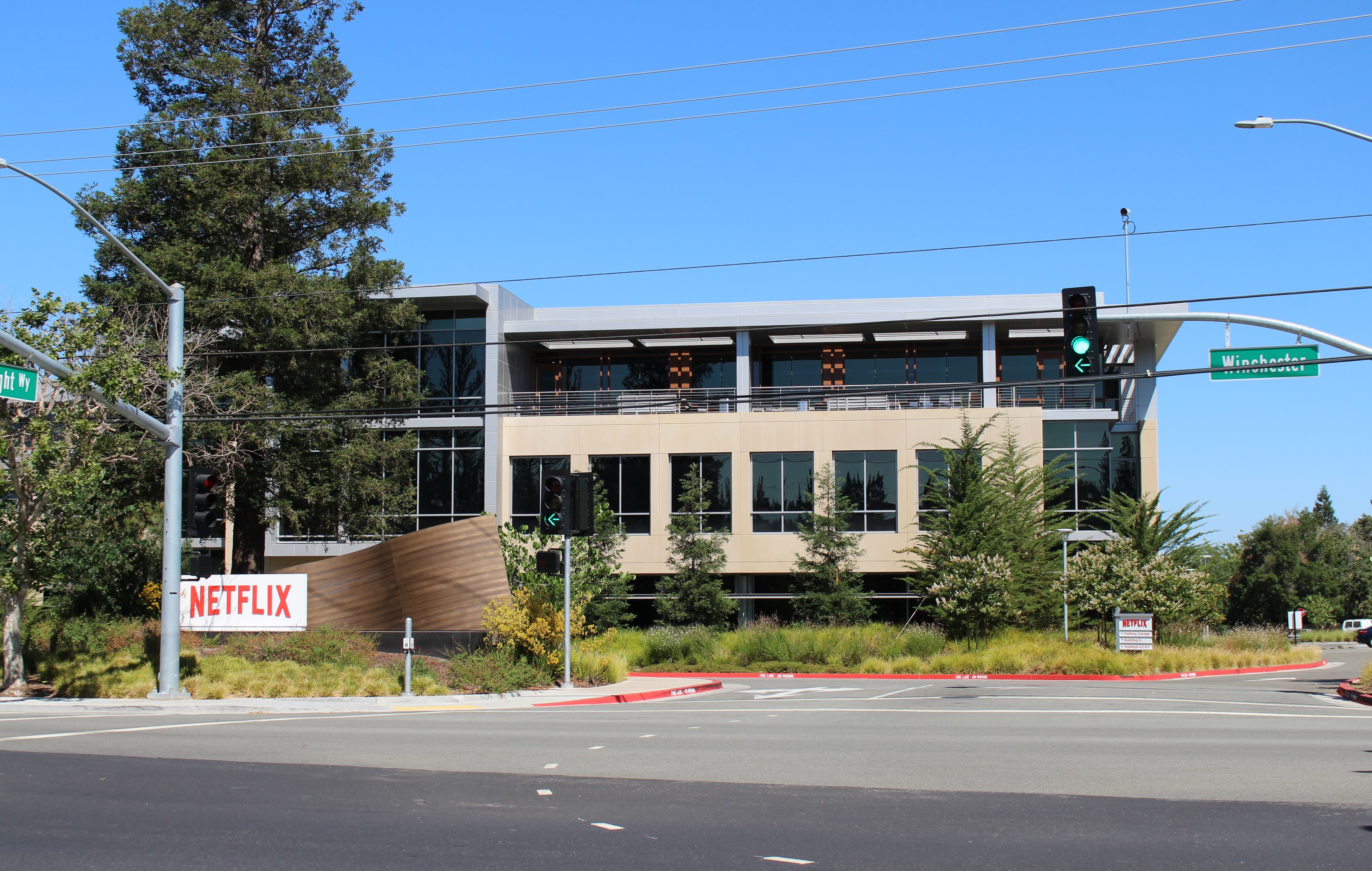
Netflix Cuts 2026 Ad Revenue Forecast to $2.7 Billion: The 10% Change Explained
Netflix lowered its annual ad outlook, not last year's sales. A calculation table separates the 10% revision, its revenue share and the company's quarterly results.
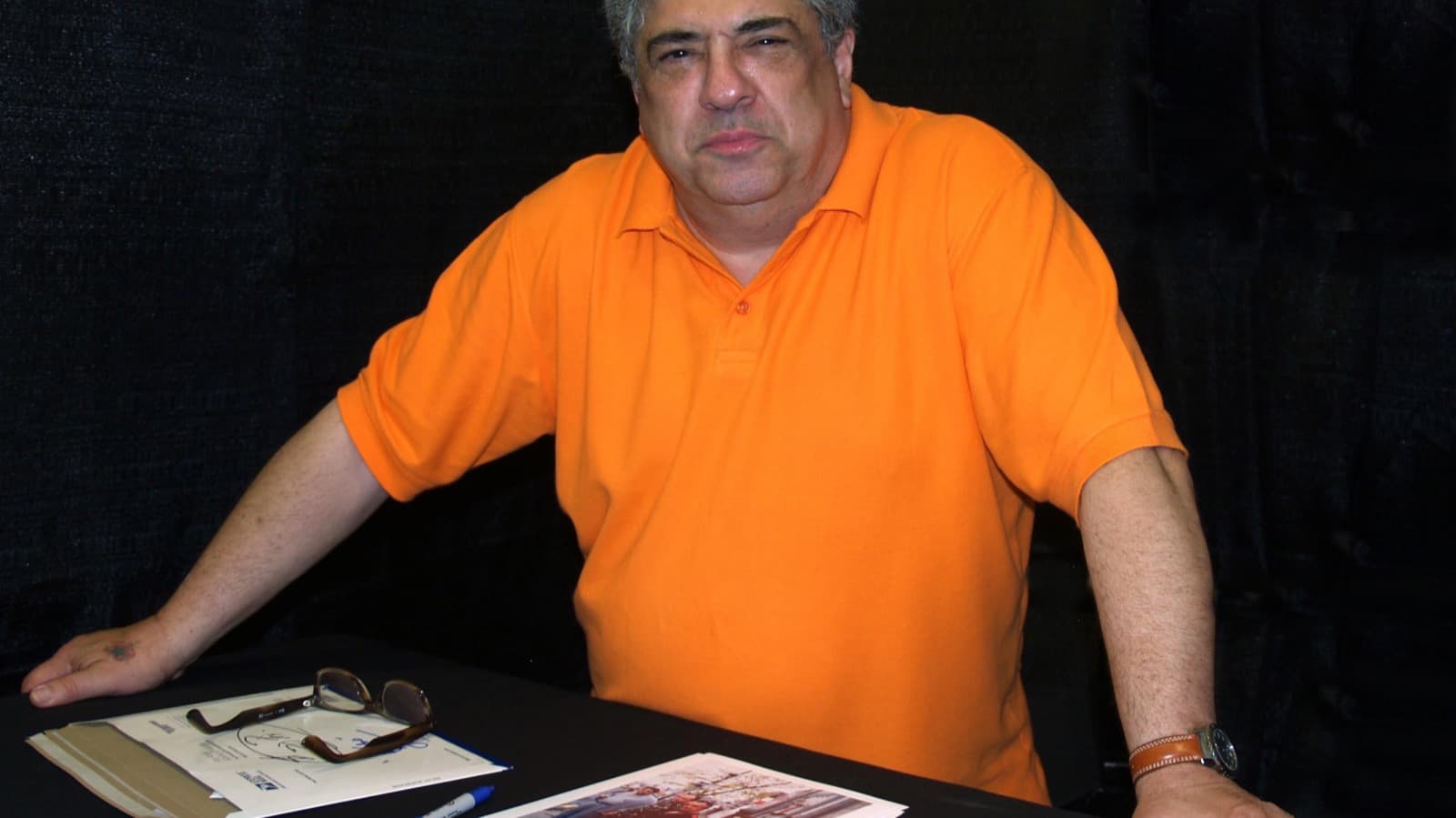
Vincent Pastore Dies at 80: The Sopranos Actor's Career Beyond Big Pussy
Vincent Pastore, who made friendship and betrayal inseparable as Big Pussy on The Sopranos, has died at 80. His manager confirmed the death to AP.