Hormuz Escalation: US-Iran Ceasefire and Shipping-Security Questions
Fresh U.S. strikes after an Apache helicopter incident have turned the Strait of Hormuz from a military flashpoint into the place where diplomacy, shipping security, and escalation control collide.
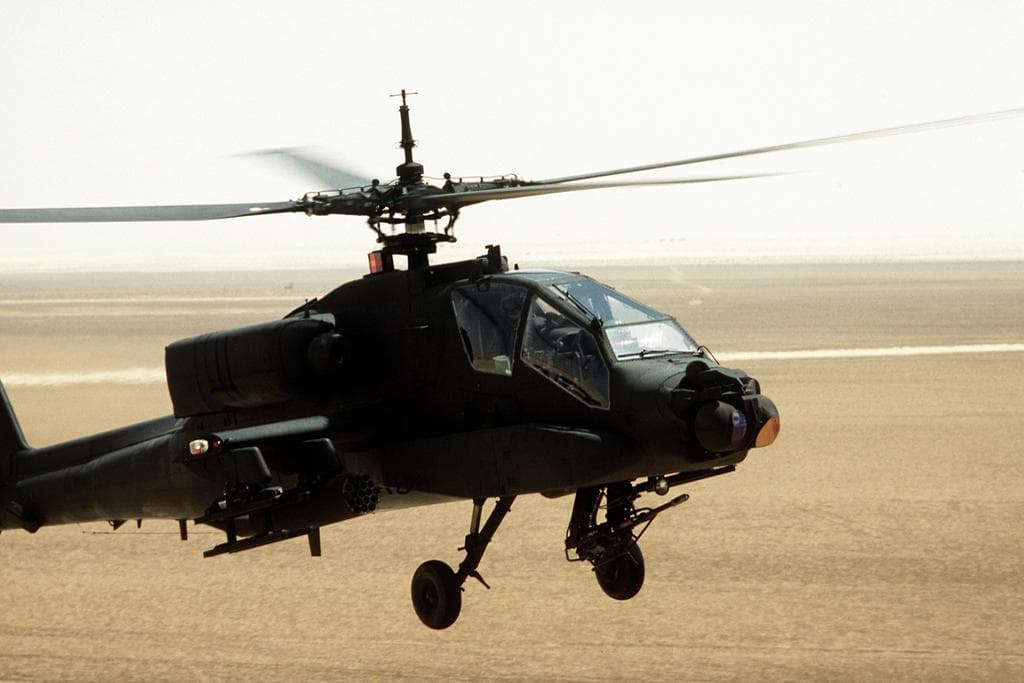
The newest U.S.-Iran escalation is not just another exchange of fire. It is a test of whether the April ceasefire can survive a battlefield logic that keeps pulling both sides back toward the Strait of Hormuz. U.S. Central Command said its forces completed self-defense strikes after the downing of a U.S. Army Apache helicopter, while Iran and regional states reported retaliatory fire across the Gulf. For readers who want the raw moving picture, Reuters has video context on the strikes and helicopter incident; the larger question is what this round says about the fragile line between pressure and war.
Reuters — US strikes Iran after Apache helicopter downed in Strait of Hormuz | Reuters World News
Reuters video context on the U.S. strikes and Apache helicopter incident near the Strait of Hormuz. A direct watch link is included in the article lead as a fallback.
The strike was framed as limited. The geography is not.
CENTCOM said U.S. forces struck Iranian air defense, ground-control, and surveillance radar sites near the Strait of Hormuz with precision munitions from Air Force and Navy fighter jets. The command described the operation as proportional and tied it to attacks on U.S. forces and international commercial ships transiting regional waters.
That language matters. Washington is trying to label the strikes as defensive and bounded. The location makes that argument harder to keep contained. Hormuz is not a remote battlefield; it is the narrow maritime passage through which oil markets, Gulf security guarantees, and regional deterrence all run. A strike on radar or air-defense systems near the strait is a military message, but it is also a signal to shipping companies, insurers, Gulf governments, and energy traders.
The Associated Press reported that the U.S. military launched airstrikes and Iran retaliated after the helicopter crash near Hormuz, with Bahrain and Kuwait sounding alerts and firing air defenses. AP also noted that Iran said it targeted a U.S.-linked air base in Jordan, a claim that was not immediately acknowledged by American or Jordanian officials.
What is verified, what is claimed, and what is still foggy
| Point | Status | Why it matters |
|---|---|---|
| U.S. strikes near Hormuz | Confirmed by CENTCOM | Shows Washington is willing to hit Iranian military infrastructure while saying the action is limited. |
| Iranian retaliation in Gulf states | Reported by AP and regional accounts | Widens the practical risk beyond U.S. and Iranian territory, especially for states hosting U.S. forces. |
| Damage from Iran's claimed Jordan attack | Not independently established in the initial reports | Readers should treat battlefield claims cautiously until host governments or independent reporting confirm them. |
| Future of the ceasefire | Unsettled | The ceasefire may remain formally alive while its military restraint erodes in practice. |
The most important distinction is between acknowledged action and wartime claim. U.S. officials have publicly described their own targets. Iranian accounts have included claims of attacks on U.S.-linked sites and maritime targets, but some claims remain contested or unverified. In a fast-moving conflict, that difference is not pedantry; it is the difference between an alarming headline and an established fact.
The ceasefire can exist on paper while failing at sea
The Guardian reported that U.S. officials have tried to separate the military response from the diplomatic track, arguing that negotiations can continue even as strikes unfold. That is the logic of coercive diplomacy: punish, deter, and still bargain.
The trouble is that the other side also gets a vote. Iran has long treated the strait as leverage because it connects military pressure to economic pain. Even limited strikes near Hormuz can create incentives for Tehran to answer in a way that proves it still has tools to impose costs. That is why a radar site, an air-defense battery, a tanker lane, and a negotiating channel now belong to the same story.
Al Jazeera reported that Iranian officials and military sources have emphasized retaliation as a matter of deterrence, while also noting claims involving Bahrain, Kuwait, and Jordan. Its reporting from the region pointed to the same underlying risk: limited U.S. strikes may be designed to avoid all-out war, but they can still trigger a cycle in which each side believes restraint looks like weakness.
A short timeline of the pressure chain
- June 9, 2026: CENTCOM says U.S. forces completed self-defense strikes after the Apache incident.
- June 10, 2026: AP reports that Iran retaliated and Gulf states sounded alerts or activated air defenses.
- June 11, 2026: Fresh live coverage kept the U.S.-Iran exchange at the top of the international news cycle as officials tried to separate military retaliation from diplomacy.
The timeline is compressed, and that is part of the danger. When military incidents, public threats, oil-market anxiety, and diplomatic messages all move within hours, leaders have less room to correct a bad assumption before it becomes policy.
What to watch next
Three signals matter more than the loudest statements. First, whether commercial traffic through Hormuz remains practically open, not merely claimed open or closed by either side. Second, whether Gulf states confirm damage, casualties, or intercepted attacks on their territory. Third, whether U.S. and Iranian intermediaries keep the diplomatic channel alive through Qatar, Oman, or another mediator.
If those channels hold, this week may be remembered as a dangerous breach that the parties contained. If they fail, the ceasefire may still have a name while losing the thing that made it valuable: enough restraint to keep a narrow waterway from becoming the scoreboard for a wider war.
For further reporting on this subject, see our Strait of Hormuz coverage.
Read Next
Related Stories
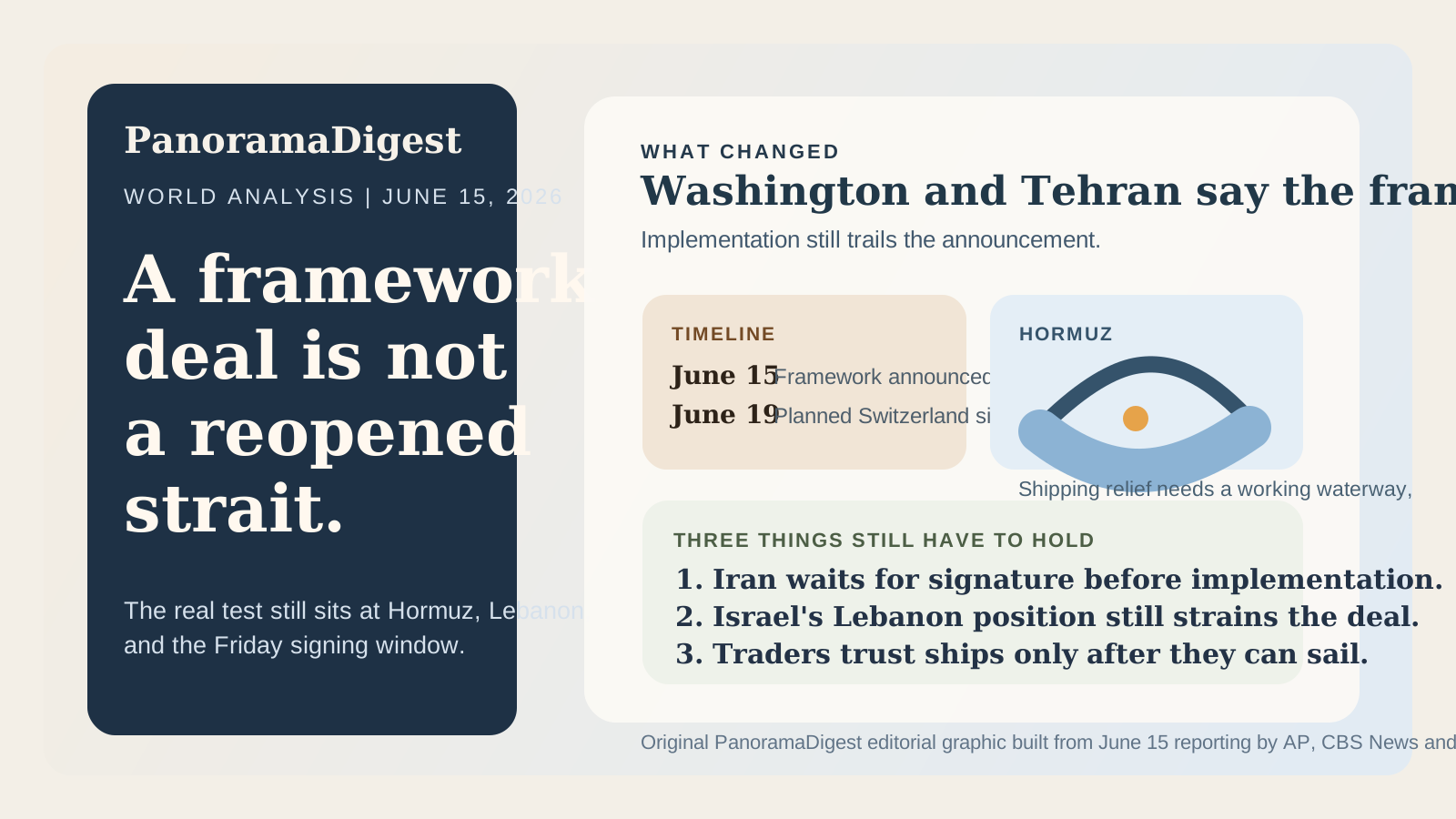
US-Iran Framework Agreement: Hormuz, Lebanon and Implementation
The June 15, 2026 U.S.-Iran framework deal is a real diplomatic advance, but the practical test still sits in the Strait of Hormuz, Lebanon and the planned Friday signing that both sides say must come before implementation.
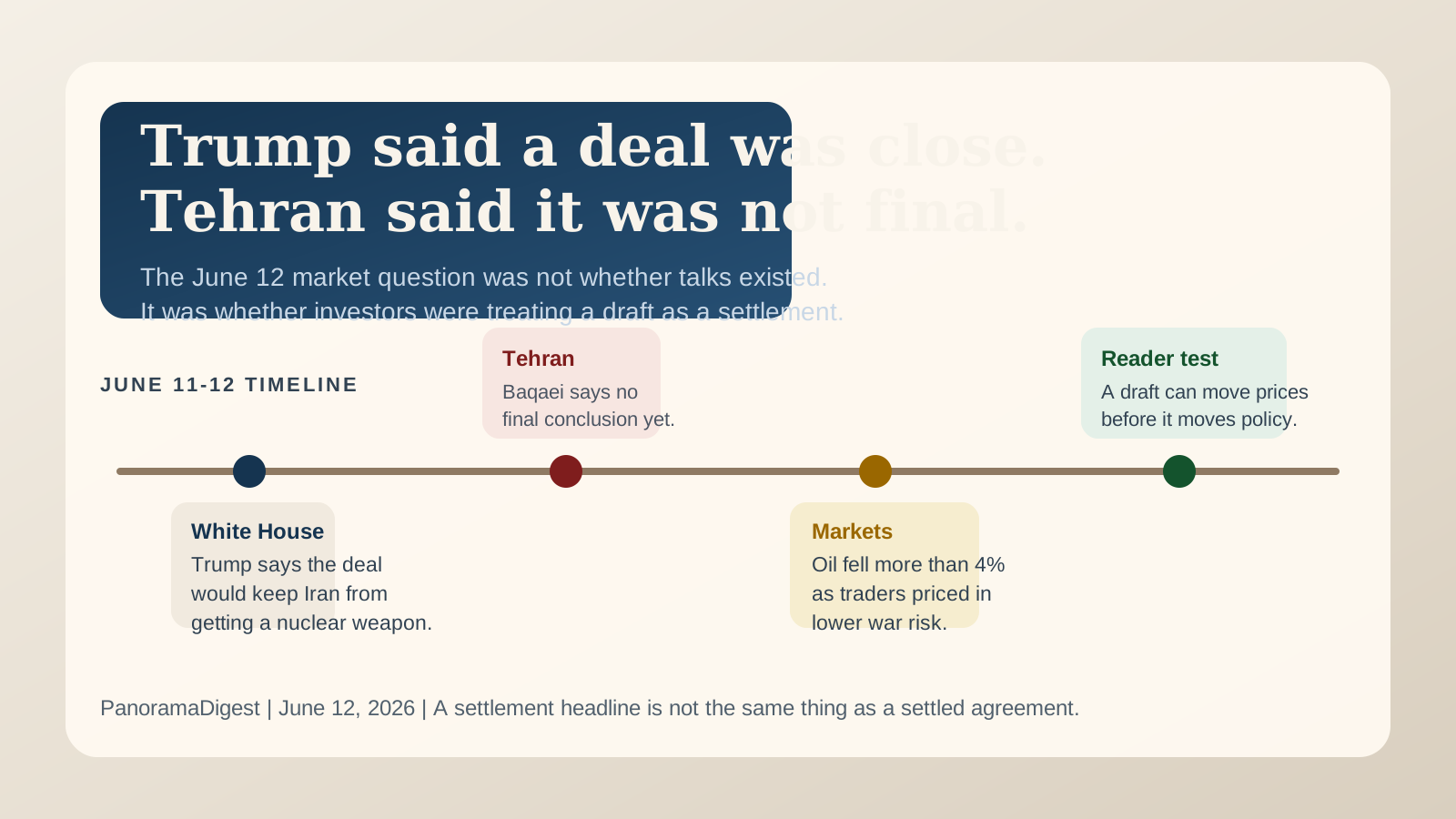
The U.S.-Iran Deal Now Has a Text. The Harder Part Is Getting Two Capitals to Own It.
Pakistan says Washington and Tehran have agreed on the wording of a June 13, 2026 peace deal, but the real test has shifted to final approval, Hormuz enforcement and whether the region is being asked to live with a settlement neither side has fully owned in public.
Trump Says the Iran Deal Is Close. Tehran Is Warning Markets Not to Confuse Drafting With Peace.
President Donald Trump said a U.S.-Iran deal could be signed within days, but Tehran said it had not made a final decision, leaving markets to price optimism long before diplomats can bank it.