Ukraine Drone Attacks: Russia Reports Interceptions Across 12 Regions
Ukraine's June 26 drone campaign against Russia was one of the largest of the war so far. The harder question is whether repeated long-range pressure can force Moscow to protect itself at the expense of the wider front.
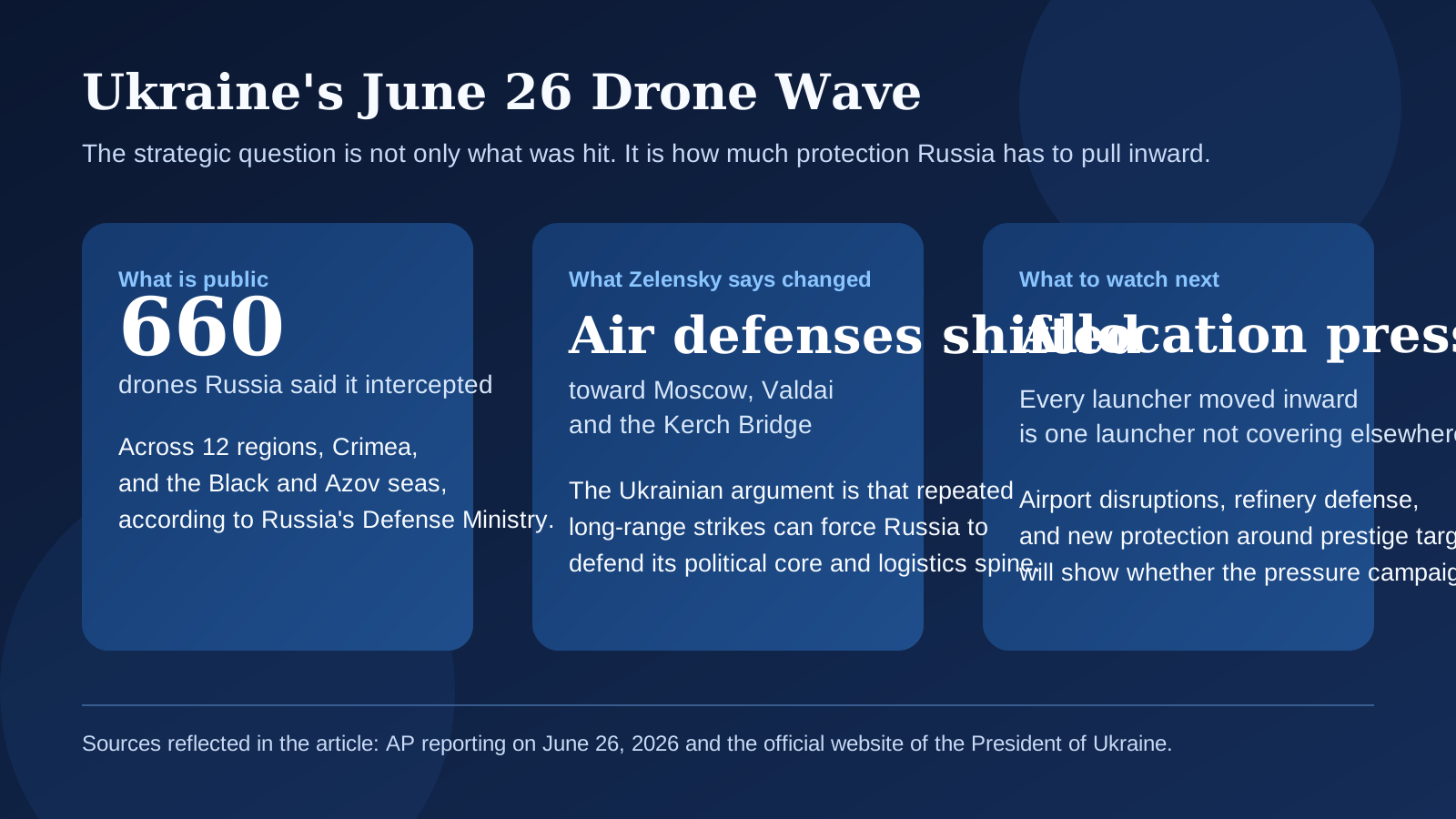
By Friday, June 26, 2026, the headline number was already dramatic. The Associated Press reported that Russia's Defense Ministry said it intercepted 660 Ukrainian drones across 12 regions, the Crimean Peninsula, and the Black and Azov seas in one of the biggest cross-border drone waves of the war. Ukraine's Security Service said the campaign also struck naval vessels, air-defense radars and other military sites tied to Russia's war effort. Some of those battlefield claims could not be independently verified. But the strategic point is clearer than the debris field: Kyiv is trying to make Russia spend more of its protection on Russia.
That is why this story matters beyond one spectacular overnight tally. In a separate AP report from Kyiv, President Volodymyr Zelenskyy said Russia is shifting air defenses toward Moscow, Valdai and the Kerch Bridge after repeated long-range strikes. His office's published address from June 24 framed the broader effort even more directly: Ukraine wants enough partner support to create conditions that force Russia to choose peace, while its military keeps hitting assets that sustain the war. That does not mean drone pressure alone can decide a conflict this large. It does mean Ukraine is trying to turn range, production and repetition into a tax on Russian command choices.
Why the air-defense shift matters more than the raw drone count
Big strike numbers can mislead readers in two directions. One is to treat them as instant proof of strategic success. The other is to dismiss them because air-defense systems shot many drones down. Neither reading is careful enough. The more useful question is what Russia must move, guard or suspend in order to keep intercepting attacks at that scale. AP quoted Zelenskyy saying that in the Moscow region alone Russia has amassed hundreds of launchers and redeployed nearly 90 launchers to Valdai from other regions. Even if outsiders cannot verify every number in real time, the pattern fits the military logic of Ukraine's campaign. When deep strikes keep landing near political or logistics chokepoints, the defending state starts protecting priority islands rather than a continuous map.
That matters because Russia is fighting a long war of industrial stamina as much as a war of front-line maneuver. If Ukraine can repeatedly force defensive concentration around Moscow, the Kerch Bridge and critical energy nodes, the result is not necessarily immediate collapse. It is friction. More radar coverage for one corridor can mean less elasticity elsewhere. More alert time near the capital can mean more vulnerability for depots, transit routes or regional fuel sites farther away. Ukraine does not need every drone to hit to make that trade painful. It needs Russia to keep paying for the possibility that more will.
| What is public and attributable | What it suggests | What still cannot be claimed cleanly |
|---|---|---|
| Russia's Defense Ministry said it intercepted 660 drones in the June 26 wave. | The attack was large enough to force a national-scale defensive response. | Independent observers cannot yet verify every interception figure or every target reached. |
| Zelenskyy said Russia is shifting air defenses toward Moscow, Valdai and the Kerch Bridge. | Ukraine believes long-range pressure is changing how Russia allocates scarce protection. | Outside reporting cannot fully map each redeployed launcher in real time. |
| AP reported that Russia also launched a ballistic missile and 90 long-range drones at Ukraine overnight. | The exchange remains reciprocal and punishing; neither side has escaped the need to absorb damage. | One large Ukrainian strike does not by itself prove a durable strategic turning point. |
Kyiv's aim is political pressure as much as physical damage
Zelenskyy's recent public language is worth taking seriously because it reveals the campaign's theory. The point is not simply to show that Russian territory is reachable. That part is already established. The point is to convince Moscow that continuing the war will steadily widen the zone of insecurity around the places the Kremlin values most. In that sense, the campaign is as much about coercive signaling as destruction. Hit an oil depot in Krasnodar, a refinery in Ufa, or maritime assets near Kerch often enough and the leadership has to choose between dispersing protection, accepting more domestic vulnerability, or adjusting its political calculus.
That does not mean the campaign is clean, easy or guaranteed to work. Russia still retains far deeper manpower and industrial mass, and it continues to impose heavy costs on Ukraine's civilians. AP reported that a Russian missile and drone attack overnight injured four people at a gas station in Sumy and that Moscow's pressure on Ukrainian cities has not eased. That is the discipline readers should keep. Ukraine may be getting better at exporting risk back into Russia. It is not escaping risk itself.
What to watch next
The next signal is not whether either side declares victory after a single barrage. It is whether repeated Ukrainian long-range strikes keep pulling Russian defenses inward and whether that inward pull shows up in more gaps elsewhere. Watch for three things in the days ahead: fresh restrictions at Russian airports and logistics hubs; more official language around protecting Moscow, Crimea and high-value energy sites; and any visible strain in how Russia sequences air defense between prestige targets and ordinary regional infrastructure. If those patterns harden, June 26 will look less like a flashy one-night event and more like another step in a deliberate pressure campaign.
Source card: Readers can review the freshest public reporting in the AP's report on the June 26 drone wave, the follow-up AP report on the air-defense shift Zelenskyy described, and the official speeches page of Ukraine's presidency, which includes the June 24 address laying out the pressure strategy.
Continue reading: Romania Reports Second Drone Shootdown Near Ukraine Border in 24 Hours.
Read Next
Related Stories

French Senate Election 2026: RN's Group Breakthrough and the 10-Member Rule
RN officials announced enough senators for a group after the September 27 election. Here is why 178 seats, a 10-member threshold and a 14-member claim mean different things.
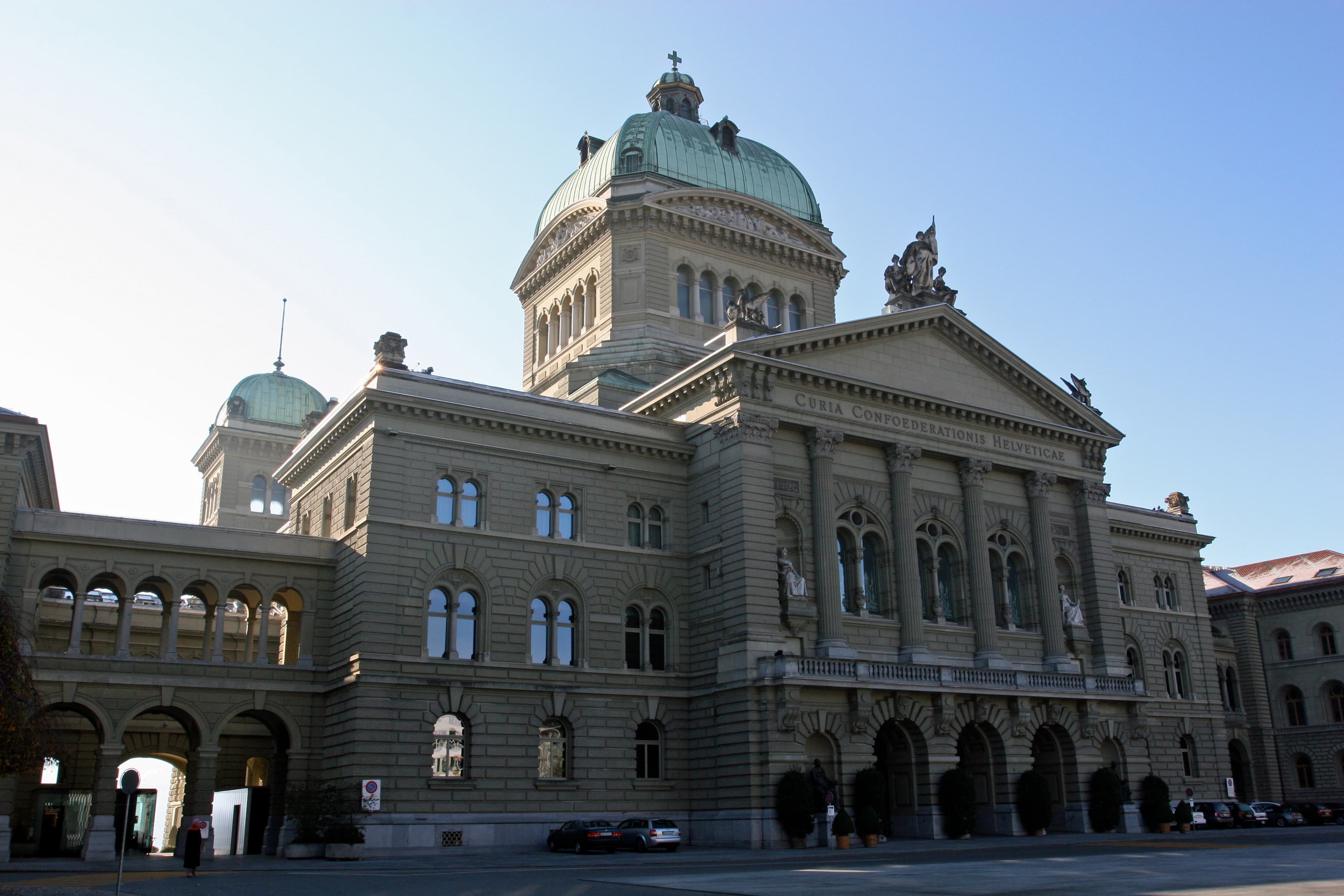
Swiss Neutrality Vote: 70.15% Reject Stricter Rules on Sanctions and Military Cooperation
Switzerland remains neutral after voters rejected a stricter constitutional definition. The official result and the sanctions exceptions explain what stays unchanged.
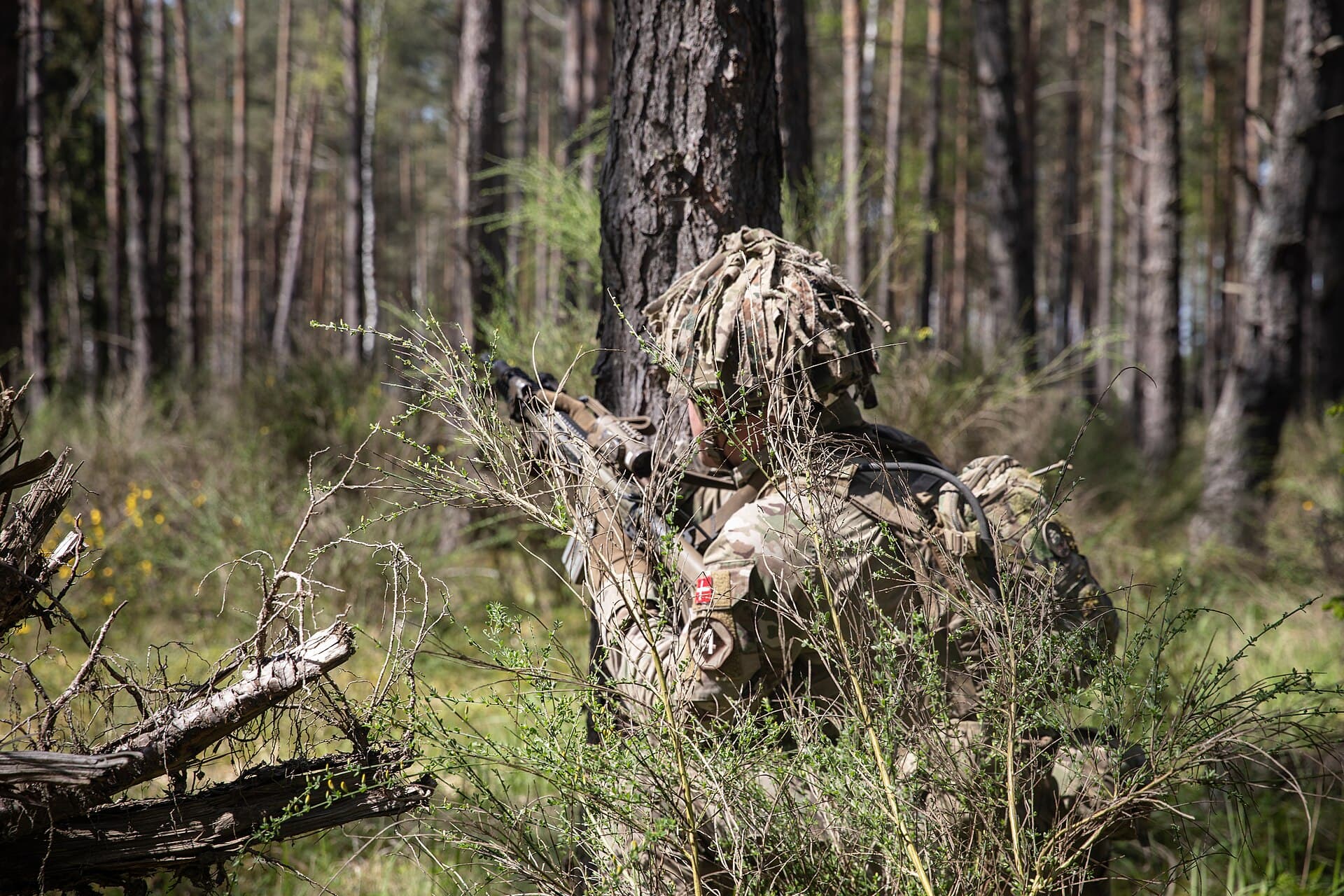
Denmark's 11-Month Military Service Starts With 1,600 Volunteers Across 14 Bases
Denmark's first full 11-month military-service cohort includes about 1,600 volunteers at 14 sites. Equal conscription applies if volunteers fall short.